The Anatomy of Mardi Gras Bead Necklaces: A Technical Guide
Explore the material science, stringing mechanics, and sustainable evolution of Mardi Gras bead necklaces in this expert technical jewelry guide.

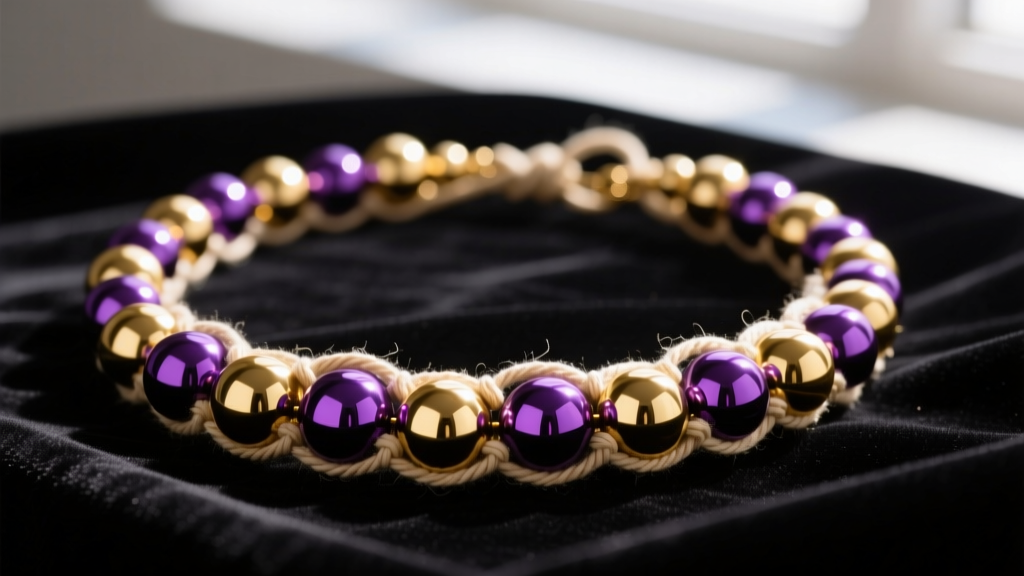
The Material Science of Carnival Beads: Polystyrene vs. ABS
While often dismissed as ephemeral party favors, mass-produced mardi gras bead necklaces are a marvel of high-volume, low-cost injection molding and polymer chemistry. To understand their structural behavior, drape, and failure modes, we must first examine the base resins used in their manufacturing. Historically, the vast majority of these strands were molded from General Purpose Polystyrene (GPPS). GPPS is an amorphous thermoplastic with a low specific gravity (approximately 1.04 g/cm³), which allows for a lightweight parabolic drape when thrown from parade floats. However, GPPS is inherently brittle, possessing a low impact resistance that leads to catastrophic shattering upon high-velocity impact with pavement or wrought-iron balconies.
In recent years, manufacturers have increasingly shifted toward Acrylonitrile Butadiene Styrene (ABS) and High-Impact Polystyrene (HIPS). The introduction of polybutadiene rubber into the polymer matrix of ABS increases the tensile yield and impact resistance by nearly 300% compared to standard GPPS. This material upgrade is critical for the larger, specialty 'throw' beads—such as the 12mm to 24mm diameter jumbo strands—which carry significantly more kinetic energy when tossed. The trade-off is a slight increase in specific gravity (ABS sits around 1.06 g/cm³), which subtly alters the kinetic swing and drape of the necklace, making it feel marginally heavier and more substantial against the clavicle.
Polymer Degradation and Metallic Finish Failure Modes
The signature metallic sheen of these necklaces is not achieved through paint, but through vacuum metallization. In a high-vacuum chamber, aluminum wire is vaporized via resistive heating, condensing as a microscopic, uniform metallic layer (typically 0.1 to 0.5 microns thick) onto the rotating plastic beads. Because aluminum oxidizes rapidly and is highly susceptible to abrasion, this layer is sealed with a UV-cured polyurethane or acrylic topcoat.
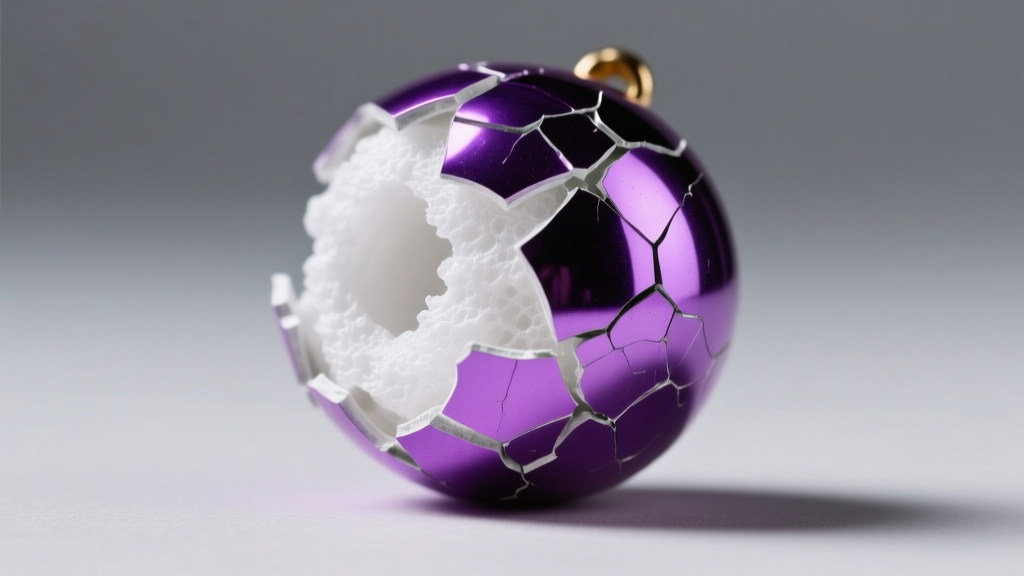
The primary failure mode of vintage or heavily worn mardi gras bead necklaces is the delamination of this metallic finish. Human sweat is a complex electrolyte solution with a pH ranging from 4.5 to 7.0, containing high concentrations of sodium chloride and urea. When the protective topcoat is compromised by micro-abrasions during wear, chloride ions penetrate the barrier and initiate pitting corrosion on the aluminum layer. This results in the characteristic dulling, black oxidation spots, and eventual flaking that exposes the white or translucent polymer core beneath. For collectors or upcyclers, storing these pieces in low-humidity environments with silica gel desiccants is mandatory to halt the electrochemical degradation of the finish.
Structural Mechanics: Stringing, Tension, and Weight Distribution
The structural integrity of any bead necklace relies entirely on its stringing material and knotting methodology. A standard 33-inch strand of 7mm beads contains approximately 120 individual beads. The tension placed on the stringing material is not merely the static weight of the beads, but the dynamic tensile shock load generated when the necklace is caught mid-air or pulled aggressively in a crowd.
| Stringing Material | Tensile Strength | UV Resistance | Knot Security & Failure Mode |
|---|---|---|---|
| Braided Cotton-Poly Blend | Low (15-20 lbs) | Poor (Degrades in sunlight) | High friction holds overhand knots; fails via fraying and rot. |
| Extruded Nylon Monofilament | Medium (40-60 lbs) | Moderate (Yellows over time) | Low friction requires melt-knots; fails via UV embrittlement. |
| PET (Polyethylene Terephthalate) | High (70+ lbs) | Excellent | Requires thermal fusing; fails via extreme shear stress at the crimp. |
Mass production facilities predominantly use extruded nylon or PET monofilament, securing the ends with a thermal 'melt knot.' This technique uses a heated blade to simultaneously cut and fuse the thermoplastic string, creating a bulbous terminus that is larger than the bead's drill hole. While efficient for manufacturing millions of units daily, melt knots are highly susceptible to shear stress. If the necklace is yanked, the rigid plastic bulb can slice through the softer polymer of the bead's internal drill channel, causing the strand to burst open. Artisan jewelers and upcyclers avoid this by stripping the original stringing and re-threading the beads using flexible, multi-strand beading wire finished with secure mechanical crimps and a surgeon's knot.
The Fine Jewelry Translation: Upcycling and High-End Replicas
A growing movement within the contemporary jewelry design community involves deconstructing high-quality vintage mardi gras bead necklaces and integrating them into fine jewelry pieces, or recreating the aesthetic using precious materials. The tri-color palette of purple, green, and gold presents a unique gemological challenge when translating cheap vacuum-metallized plastic into semi-precious stones.
'Translating the carnival aesthetic into fine jewelry requires respecting the chaotic, layered drape of the original strands while engineering a clasp system that can support the exponentially higher specific gravity of natural gemstones.' — Master Bench Jeweler, New Orleans Atelier
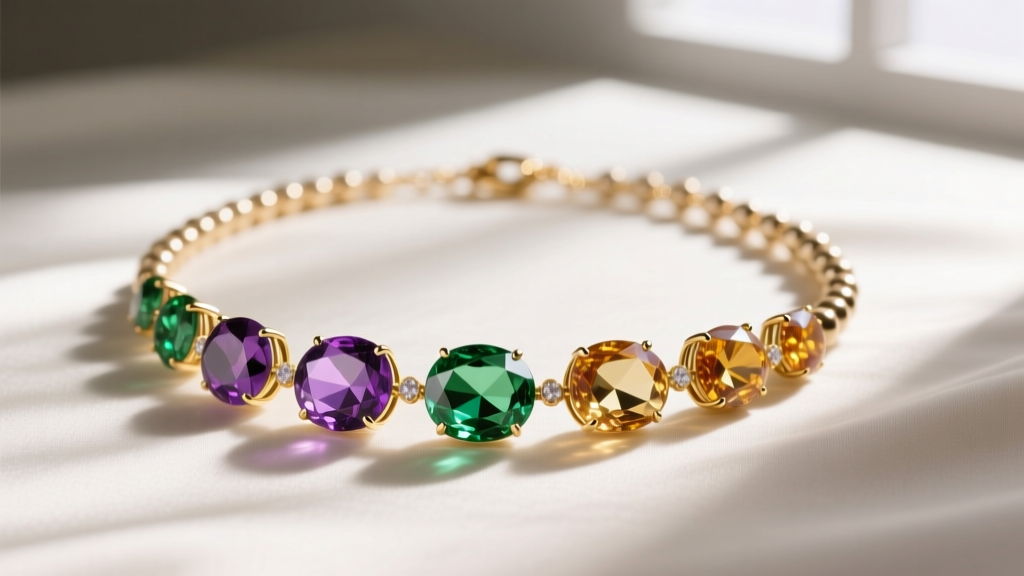
To replicate the purple, green, and gold motif, designers frequently utilize faceted amethyst, peridot, and citrine. However, replacing 7mm plastic beads (weighing roughly 0.2 grams each) with 7mm natural quartz gemstones (weighing roughly 0.7 grams each) increases the total necklace weight by over 250%. A standard 33-inch gemstone strand can easily exceed 150 grams. To support this weight without compromising the flexible drape, jewelers must abandon traditional silk thread and instead use 49-strand micro-fused stainless steel wire with a nylon jacket, such as Soft Flex .019-inch wire. This specialized wire offers a tensile strength of up to 40 pounds while maintaining the fluid, liquid-like drape necessary for the traditional layered 'throws' aesthetic.
Gauge Sizing and Clasp Integration for Heavy Bead Strands
When engineering a fine jewelry interpretation of these necklaces, the terminus hardware must be scaled to match the tensile load. Standard spring-ring clasps are entirely insufficient and pose a severe loss risk. Instead, technical jewelers employ 14k or 18k gold-filled magnetic tube clasps or heavy-duty lobster clasps with a minimum wire gauge of 12 AWG (American Wire Gauge). The transition from the flexible beading wire to the rigid clasp requires the use of French wire (bullion) or wire protectors to prevent the sharp interior edges of the clasp jump rings from shearing the nylon-coated steel cable over time.
Environmental Shifts: The 2026 Biodegradable Mandate
The technical landscape of carnival jewelry is undergoing a radical, regulation-driven shift due to severe environmental impacts. As documented by Smithsonian Magazine and extensive investigations by NPR, thousands of tons of non-biodegradable plastic beads end up in storm drains, waterways, and landfills annually, leaching microplastics and heavy-metal dyes into the ecosystem.
In response, organizations and local municipalities have pushed for sustainable alternatives, leading to the development and deployment of bioplastic beads. The most prominent technical replacement is Polylactic Acid (PLA), derived from fermented plant starch (usually corn or sugarcane). PLA can be injection-molded using the same steel tooling as ABS, but it requires a lower processing temperature and offers a naturally glossy finish that accepts eco-friendly, water-based metallic pigments. Furthermore, advanced bio-polymers like PHA (Polyhydroxyalkanoates) are being tested for marine-degradability, ensuring that if a strand is lost in the Gulf Coast ecosystem, it will be consumed by native bacteria rather than persisting for four centuries. While these bioplastic mardi gras bead necklaces currently carry a 40% higher manufacturing cost, bulk municipal purchasing and strict parade ordinances are rapidly forcing the industry to adopt these sustainable polymers.
Conclusion: Beyond the Parade Route
Understanding the technical specifications of mardi gras bead necklaces elevates them from mere street clutter to a fascinating study in mass-production polymer science, vacuum metallization, and structural tension. Whether you are a bench jeweler looking to upcycle vintage strands into high-end statement pieces, or a materials scientist tracking the transition from polystyrene to marine-degradable PHA bioplastics, the anatomy of these iconic necklaces offers profound insights into the intersection of cultural tradition, material engineering, and environmental responsibility.


