Green Buddha Necklace Trends & Styling Guide 2026
Discover 2026 trends for the green Buddha necklace. Learn to grade jadeite, choose authentic carvings, and style pendants with modern chains.

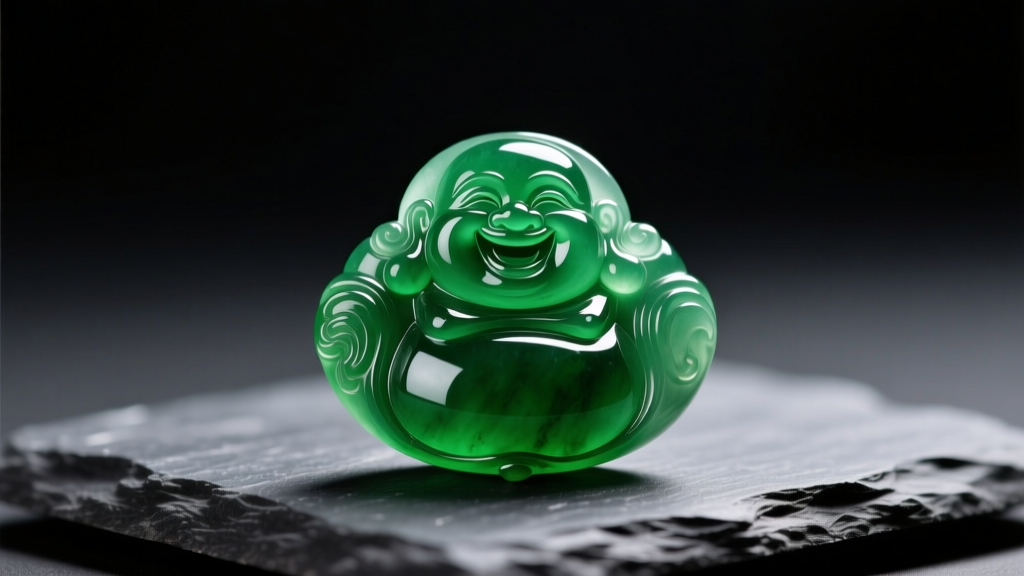
The 2026 Resurgence: From Spiritual Amulet to Sartorial Staple
The green buddha necklace has undergone a radical transformation over the past decade, evolving from a purely spiritual talisman into a cornerstone of modern luxury streetwear and mindful high fashion. In 2026, the intersection of spiritual wellness and sartorial expression has pushed this ancient motif into the mainstream spotlight. No longer confined to traditional red silk cords or hidden beneath collars, the green Buddha pendant is now being showcased as a centerpiece in curated, multi-layered necklace stacks.
However, this surge in popularity has also flooded the market with synthetic imitations, misidentified stones, and culturally diluted carvings. For the discerning collector or style enthusiast, navigating the market requires a deep understanding of gemological grading, cultural iconography, and modern hardware pairings. This comprehensive guide breaks down exactly how to evaluate, authenticate, and style a green buddha necklace in the current fashion landscape.
Material Deep Dive: Jadeite, Nephrite, and the Imitation Market
When consumers search for a green buddha necklace, they are usually looking for jade. Yet, "jade" is a blanket term that covers two entirely distinct metamorphic rocks: jadeite and nephrite. Understanding the difference is the first step in avoiding overpriced imitations. According to the Gemological Institute of America (GIA), jadeite is the rarer, more valuable, and highly prized variety, known for its intense colors and higher translucency. Nephrite, while historically significant and incredibly tough, is more abundant and generally commands a lower price per carat.
Beyond the natural stones, the 2026 market is saturated with treated jades and outright fakes. Serpentine, dyed chalcedony, and even green-tinted glass are frequently passed off as high-grade jadeite to unsuspecting buyers. To protect your investment, you must understand the universal grading system for jadeite treatments:
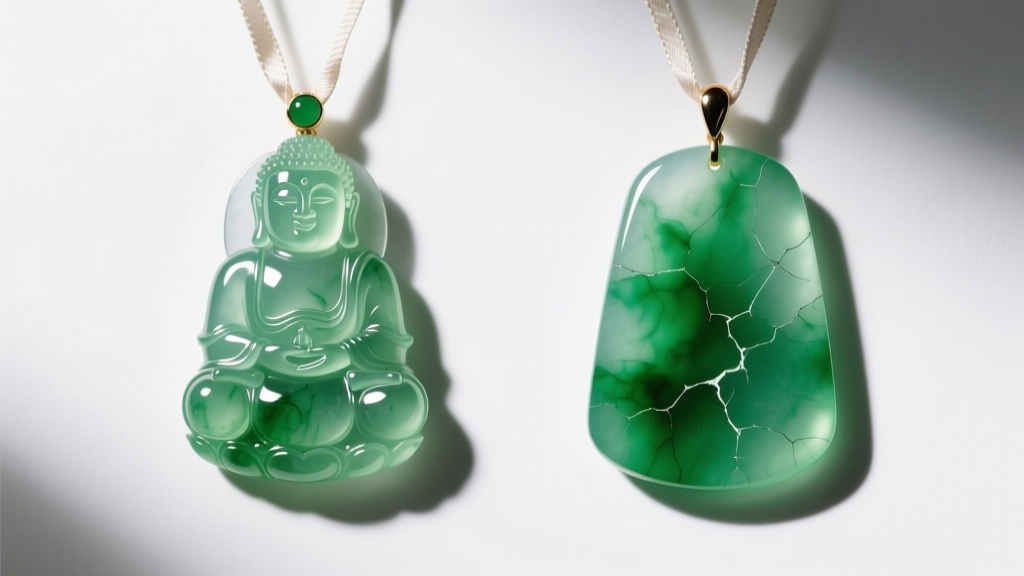
- Type A (Natural): Completely untreated jadeite, only polished with a traditional plum wax. This is the only grade that holds long-term investment value.
- Type B (Bleached & Polymer-Impregnated): Acid-washed to remove brown inclusions, then filled with resin. Over time, the resin yellows and the stone becomes brittle.
- Type C (Dyed): Chemically dyed to mimic the highly sought-after "Imperial Green." The color will fade when exposed to prolonged sunlight and heat.
Gemological Specifications & Pricing Matrix
To authenticate a green buddha necklace, gemologists rely on specific gravity and refractive index rather than just visual inspection. Below is a comparative matrix to help you benchmark materials and pricing for a standard 20mm x 15mm pendant.
| Material | Refractive Index | Specific Gravity | Treatment Status | Est. Price Range (USD) |
|---|---|---|---|---|
| Imperial Jadeite (Type A) | 1.66 | 3.33 | Natural (Wax only) | $4,500 - $15,000+ |
| Commercial Jadeite (Type A) | 1.66 | 3.33 | Natural (Wax only) | $150 - $800 |
| Treated Jadeite (Type B/C) | 1.66 (varies) | 3.00 - 3.30 | Acid/Resin/Dye | $30 - $120 |
| Nephrite (Hetian Jade) | 1.62 | 2.95 | Natural | $80 - $400 |
| Serpentine (Bowenite) | 1.56 | 2.58 | Natural / Dyed | $15 - $50 |
Iconography: Decoding the Carving
The artistic execution of a green buddha necklace is just as critical as the stone it is carved from. In 2026, high-end jewelers are moving away from mass-produced, shallow machine carvings and returning to deep, hand-finished relief work that maximizes the stone's "water head" (light transmission). However, buyers must also understand the specific iconography they are wearing.
The most common motif is Budai, the "Laughing Buddha." Recognizable by his rotund belly, wide smile, and cloth sack, Budai is a Chinese folk deity representing abundance, contentment, and prosperity. Carvers often utilize the natural color variations in the jadeite to highlight his belly or the beads he carries. Conversely, Gautama Buddha (the historical founder of Buddhism) is depicted in a serene, meditative state, often with an urna (dot) on the forehead and elongated earlobes. As noted by Encyclopedia Britannica's guide to Buddhist Art, the mudras (hand gestures) of Gautama carry specific theological meanings, such as the Dhyana mudra for meditation or the Abhaya mudra for fearlessness.
"Wearing a Buddha pendant in contemporary fashion requires a baseline of cultural literacy. Understanding whether you are wearing a symbol of historical enlightenment or a folk deity of prosperity adds a layer of intentionality to your personal style."
Modern Hardware: Elevating the Bail and Chain
The most significant styling shift for the green buddha necklace in 2026 is the departure from traditional woven silk or cotton cords. While a black or red cord holds deep cultural and protective significance, modern luxury styling demands metallic integration. The hardware you choose dictates the pendant's overall aesthetic and structural longevity.
The Bail Connection: Traditional jade pendants feature a horizontal drill hole through the top. Threading a thick chain through this hole is impossible, and wire-wrapping can stress the stone if dropped. The 2026 standard is the 14k or 18k gold glue-on peg bail or a custom-fitted wrap bail. A diamond-cut 14k yellow gold bail adds a subtle catch of light without overpowering the green stone. Avoid cheap plated bails; the brass underneath will oxidize and stain the porous surface of lower-grade nephrite.
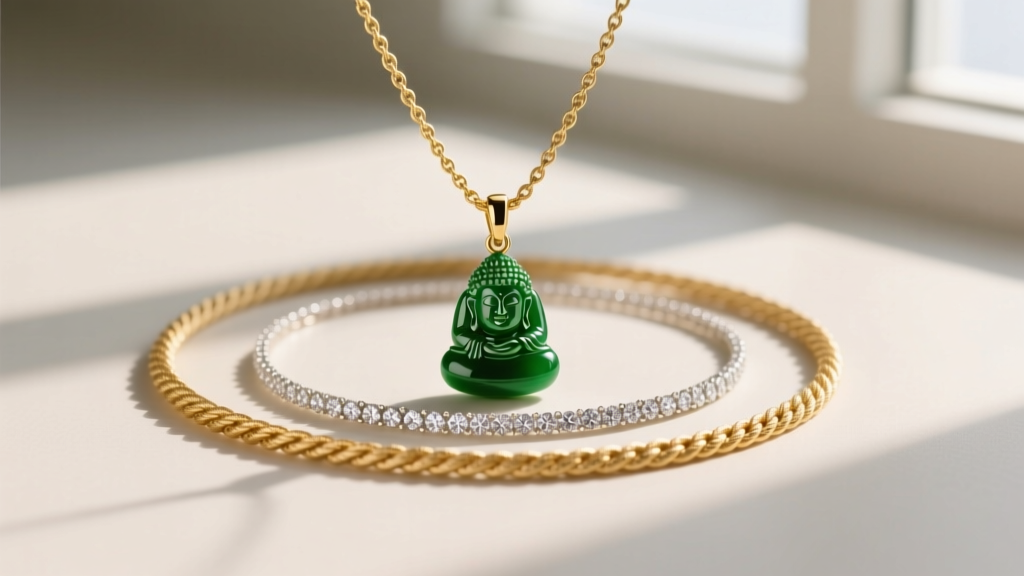
Chain Selection: To support a solid jadeite pendant (which can weigh between 8 and 15 grams), you need a chain with structural integrity. The current trend favors a 1.5mm to 2.0mm 14k yellow gold rope chain. The twisted links of a rope chain mimic the texture of a traditional cord while providing the luxury and durability of solid gold. For a more avant-garde, streetwear-luxe aesthetic, an oxidized sterling silver box chain (1.8mm) offers a striking, moody contrast to vibrant imperial green jade.
The 2026 Layering Framework
Styling a green buddha necklace in 2026 is all about intentional juxtaposition. The goal is to balance the organic, heavy visual weight of the carved jade with delicate, geometric metallic elements. Follow this three-piece layering framework for a balanced neckline:
- Base Layer (14-15 inches): A delicate 14k gold cable chain featuring a single, bezel-set diamond or white gold geometric pendant. This sits at the collarbone and provides a bright, neutral anchor.
- The Focal Point (17-18 inches): Your green buddha necklace on a 1.5mm rope chain. This length ensures the Buddha pendant rests squarely on the sternum, allowing the carving to catch the light without tangling with the base layer.
- The Textural Accent (20-22 inches): A longer, lightweight station chain or a strand of small, faceted green onyx beads. This draws the eye downward and elongates the torso, framing the jadeite centerpiece perfectly.
Sourcing, Verification, and Care
Purchasing a high-quality green buddha necklace requires vigilance. Always request a gemological certificate from a reputable, independent laboratory (such as GIA, NGTC, or Gubelin) for any Type A jadeite piece priced over $1,000. The certificate will explicitly state whether the stone has been subjected to polymer impregnation or dyeing.
When it comes to care, remember that while jadeite is tough, it is not indestructible. It ranks at 6.5 to 7 on the Mohs hardness scale, meaning it can be scratched by diamonds, sapphires, and topaz. Never store your jade pendant loose in a jewelry box where it can knock against harder gemstones. Clean your necklace using only warm water, a drop of mild dish soap, and a soft-bristled brush. Avoid ultrasonic cleaners and harsh chemical dips, which can strip the traditional wax polish from Type A jade or degrade the resin in Type B stones. By respecting the material and the craftsmanship, your green Buddha pendant will remain a powerful, stylish talisman for decades to come.


