Mabe Pearl Necklace Anatomy: Nacre Grades, Backings & Settings
Discover the technical anatomy of a mabe pearl necklace. Learn about nacre thickness, backing materials, grading, and optimal bezel settings.

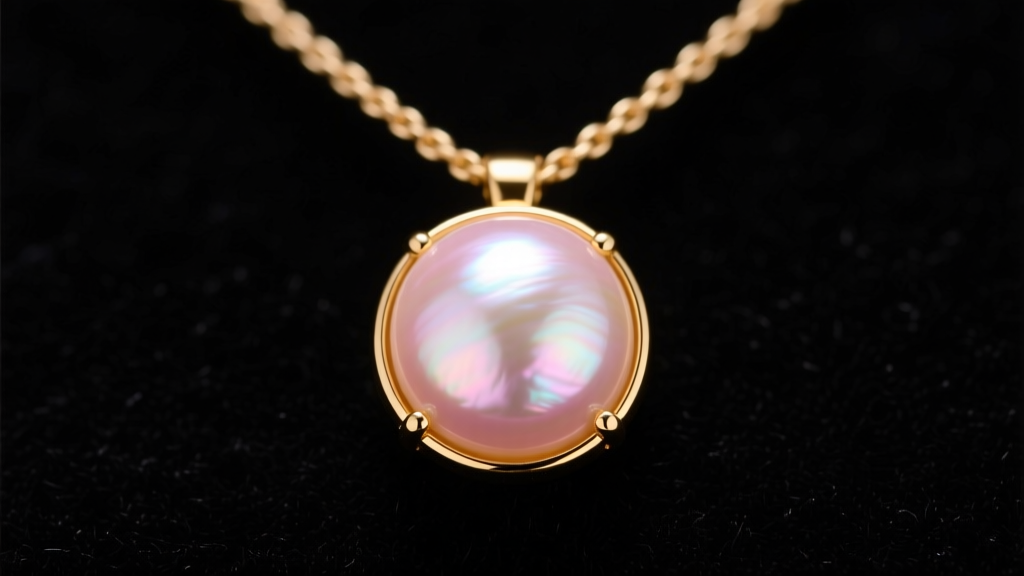
When evaluating fine jewelry, the mabe pearl necklace occupies a unique intersection of organic gemology and master lapidary assembly. Unlike traditional spherical pearls that form within the gonad or mantle tissue of a mollusk, mabe pearls are composite blister pearls. They are cultured against the inner shell wall, resulting in a striking, large-domed cabochon with a flat back. For jewelers and informed collectors, understanding the structural anatomy of a mabe pearl is critical. A poorly assembled mabe will delaminate, yellow, or crack within a few years, while a master-crafted piece will endure for generations. This expert guide deconstructs the technical specifications, grading metrics, and structural vulnerabilities of mabe pearl pendants and necklaces.
What Defines a True Mabe Pearl?
The term "mabe" originates from the Japanese name for the Pteria penguin (penguin wing oyster), the primary mollusk used to culture these blister pearls. Today, Pteria sterna (rainbow-lipped oyster) is also widely used, particularly for producing darker, peacock-hued mabe pearls. The culturing process involves surgically attaching a dome-shaped nucleus—typically made from shaped resin or shell—directly to the inner nacreous layer of the oyster's shell. Over 2 to 4 years, the mollusk secretes nacre over the nucleus, integrating it into the shell wall.
Upon harvest, the blister is not simply plucked; it must be cut out of the shell using precision lapidary saws. This leaves a hollow, dome-shaped shell. To create the final gem used in a mabe pearl necklace, the hollow interior must be cleaned, filled, and capped. It is this post-harvest assembly process that separates commercial-grade costume jewelry from heirloom-quality gemstones. According to the Gemological Institute of America (GIA), any disclosure of a mabe pearl must clearly state its assembled nature, as it is technically a composite gemstone rather than a solid organic pearl.
Technical Grading: Nacre Thickness and Luster Orient
The optical brilliance of a high-quality mabe pearl is dictated by the aragonite platelet structure secreted by the Pteria species. These oysters produce nacre with exceptional orient—the iridescent play of colors just beneath the surface. However, nacre thickness is the primary metric for structural viability.
- Commercial Grade (0.3mm - 0.5mm): Thin nacre that is highly prone to peeling, crazing, and wear-through. Often found in mass-market, low-cost pendants.
- Gem Grade (0.8mm - 1.5mm): The industry standard for fine jewelry. Provides deep luster, strong orient, and sufficient durability for daily wear.
- Premium/Collector Grade (1.5mm - 2.5mm+): Exceptionally rare. Cultured for extended periods (4+ years), yielding a heavy, highly durable nacre layer with intense, mirror-like luster.
When inspecting a mabe pearl necklace, use a 10x jeweler's loupe to examine the drill hole (if present for a bead setting) or the equator seam. A chalky, dull interior line indicates thin nacre over a synthetic nucleus, whereas a sharp, crystalline edge indicates healthy thickness. CIBJO (The World Jewellery Confederation) guidelines mandate that treatments or composite assemblies must be disclosed, making nacre verification a vital step in appraisal.
The Backing Matrix: Epoxy, Wax, and Mother-of-Pearl
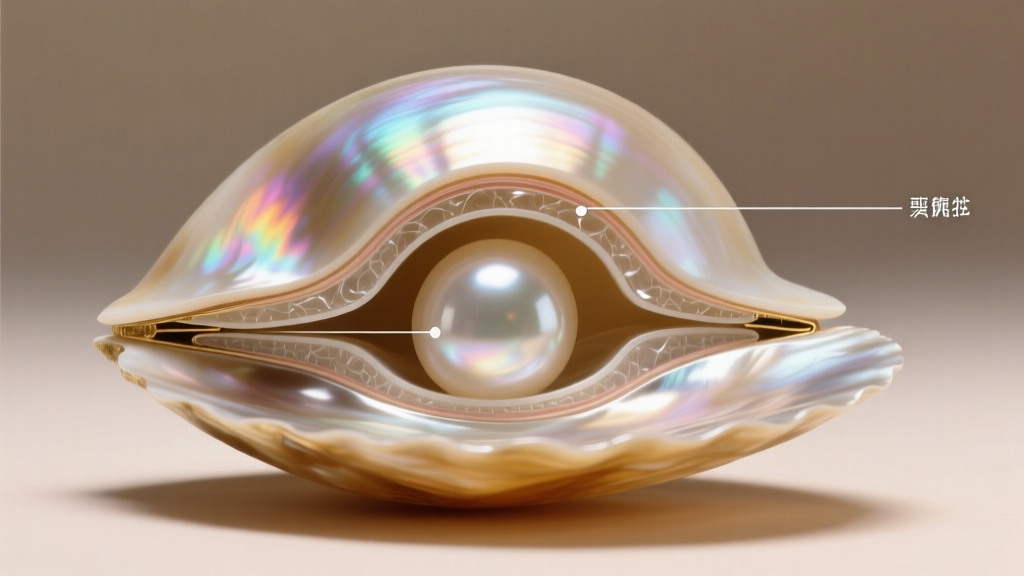
Because the harvested mabe blister is hollow, the void must be filled to provide structural integrity and a flat surface for mounting. The materials used in this matrix drastically affect the necklace's longevity, weight, and value.
| Backing Material | Durability | Weight | Primary Risk Factor |
|---|---|---|---|
| Beeswax / Hard Wax | Very Low | Ultra-Light | Melts under heat; expands and cracks the nacre dome. |
| Standard Epoxy Resin | Medium | Light | Prone to yellowing and shrinking over 10-15 years. |
| Optical-Grade Epoxy | High | Light | UV-stable; minimal shrinkage; industry standard for fine pieces. |
| Solid Mother-of-Pearl (MOP) | Exceptional | Medium | Heavy; requires precise lapidary flush-fitting to avoid gaps. |
In premium mabe pearl necklaces, the dome is filled with an optical-grade, non-yellowing epoxy resin, and the flat back is sealed with a precisely cut disc of Mother-of-Pearl (MOP). Cheap imitations often use wax fillers, which can melt if left in a hot car or near a hair dryer, causing the nacre dome to collapse or fracture from internal thermal expansion.
Optimal Settings for Mabe Pearl Pendants
The greatest structural vulnerability of a mabe pearl is the equator seam—the microscopic joint where the cultured nacre dome meets the applied Mother-of-Pearl backing. Moisture intrusion at this seam will degrade the epoxy filler, leading to delamination and a cloudy appearance beneath the nacre.
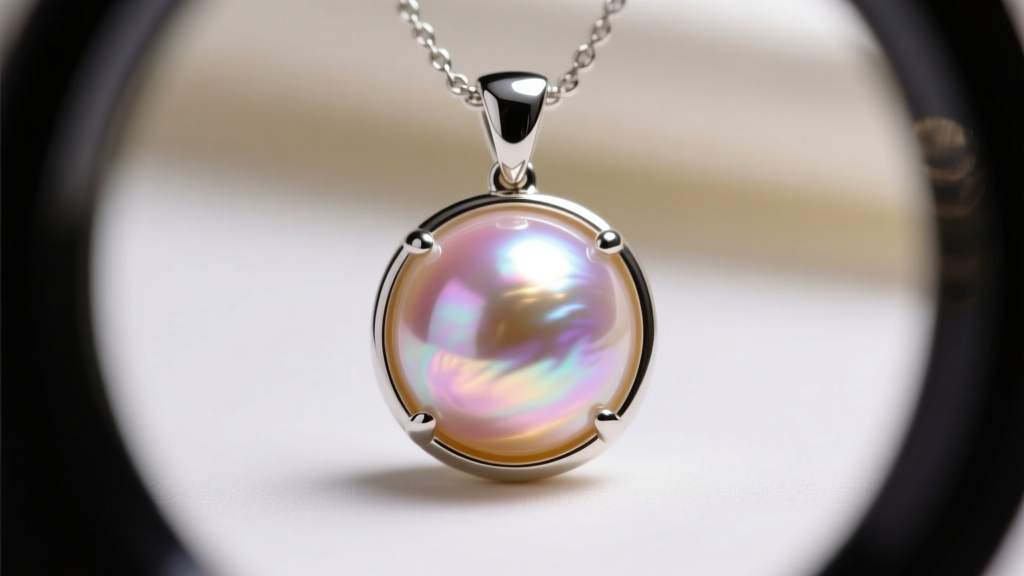
Therefore, prong settings are strictly contraindicated for mabe pearls. Prongs leave the seam exposed to sweat, perfumes, and physical impacts. The only appropriate setting for a mabe pearl necklace pendant is a closed-bezel or half-bezel with a solid backing plate. A properly engineered bezel setting will feature a slight interior lip that overlaps the equator seam by 0.5mm to 1.0mm, sealing the joint entirely. Furthermore, the pendant bail should be soldered directly to the bezel frame, never glued or drilled through the pearl itself, which would compromise the structural integrity of the composite layers.
Pricing Tiers and Market Valuations
The valuation of a mabe pearl necklace is heavily dependent on the diameter of the dome, the quality of the orient, and the karat weight of the precious metal bezel. Mabe pearls typically range from 12mm to 25mm in diameter.
- Entry-Level ($150 - $400): 12mm-14mm white mabe pearls with low orient, thin nacre, set in sterling silver or gold vermeil with standard epoxy fillers.
- Fine Jewelry ($500 - $1,200): 15mm-18mm pearls with strong pink or peacock overtones, thick nacre (1.0mm+), set in 14k or 18k gold with a solid MOP backing and optical resin.
- Collector/High Jewelry ($1,500 - $3,500+): 20mm+ rare Pteria sterna peacock mabes or perfectly matched pairs for elaborate pendants, featuring 2.0mm+ nacre, set in platinum or 18k gold with diamond halos and custom flush bezels.
Care Protocols and Failure Mode Prevention
To prevent the most common failure modes of a mabe pearl necklace—namely delamination and nacre crazing—strict care protocols must be followed. Never use ultrasonic cleaners or steamers. The high-frequency vibrations and sudden thermal shocks will instantly shatter the bond between the nacre dome and the epoxy filler. Additionally, avoid exposing the pendant to acetone, alcohol, or harsh cosmetics, which can dissolve the adhesive seal at the bezel edge. Store the necklace in a soft, slightly humidified environment; extreme aridity can cause the organic nacre and the interior resin to dry out and shrink at different rates, resulting in microscopic surface crazing. By understanding the composite anatomy of the mabe pearl, collectors can confidently select, set, and preserve these magnificent organic gems for decades.


