The Ultimate Guide to Styling Your Madewell Bar Necklace
Discover how to style, layer, and care for your Madewell bar necklace. A beginner-friendly guide to mastering this everyday jewelry staple.


Why the Madewell Bar Necklace is a Beginner's Best Friend
If you are just beginning to build a curated jewelry collection, the Madewell bar necklace—most notably their iconic Transport Bar—is widely considered a mandatory starting point. Its appeal lies in its architectural simplicity. Measuring approximately 1.5 inches in length and 1/8 inch in width, the bar is substantial enough to be noticed but slender enough to remain understated. Unlike heavily embellished pendants that dictate the mood of an outfit, a geometric bar acts as a neutral anchor, bridging the gap between casual daytime wear and elevated evening attire.
For beginners, the challenge of jewelry styling often revolves around versatility and cost-per-wear. Priced typically between $38 and $58, this piece offers an accessible entry point into demi-fine jewelry. It sits perfectly at the collarbone (usually on a 16-inch chain with a 2-inch extender), making it an ideal canvas for learning the fundamentals of layering, neckline pairing, and metal care without the intimidation of high-end luxury pieces.
Material Breakdown: Brass, Vermeil, and Silver
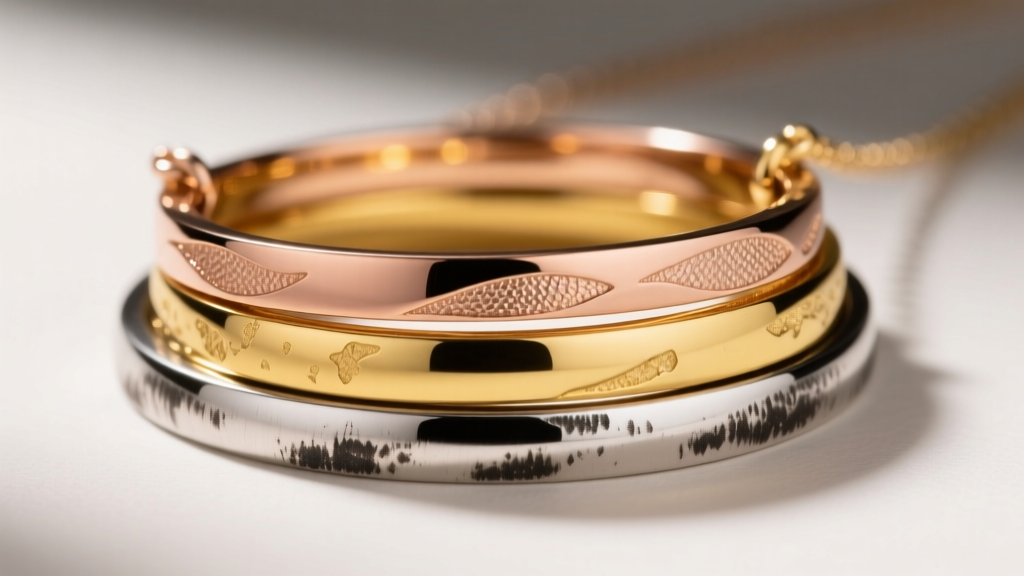
Before you start styling, it is crucial to understand what your necklace is actually made of. Madewell utilizes a few different metal compositions for their bar necklaces, and each requires a slightly different approach to maintenance and wear.
| Material | Composition | Durability & Tarnish | Best For |
|---|---|---|---|
| Vintage Gold (Brass) | Solid brass base with a custom gold-tone plating | Highly durable, but the brass core will oxidize and tarnish if the plating wears thin or is exposed to moisture. | Everyday wear, budget-conscious buyers. |
| Gold Vermeil | Sterling silver base coated with a thick layer of gold (minimum 2.5 microns) | Excellent longevity. The silver base means it will not turn your skin green, though the gold layer can eventually wear with heavy friction. | Sensitive skin, long-term investment. |
| Sterling Silver | 92.5% pure silver, 7.5% copper alloy | Prone to sulfur-induced tarnish but can be polished back to a high shine indefinitely. | Cool-tone styling, minimalist aesthetics. |
According to the Gemological Institute of America (GIA), true gold vermeil must have a sterling silver base and a gold thickness of at least 2.5 microns. When shopping the Madewell site, always check the product details to distinguish between their standard gold-plated brass and their higher-tier vermeil options, as this will dictate how you clean the piece later on.
How to Layer Your Bar Necklace Like a Pro
The most common mistake beginners make when layering necklaces is choosing chains that are too similar in length, resulting in a tangled, cluttered mess. The Madewell bar necklace serves as the perfect "middle layer" anchor.
The 2-Inch Rule for Layering
To achieve a visually pleasing cascade, maintain at least a 2-inch difference between each necklace in your stack. Here is a foolproof, three-piece formula that works for almost any neckline:
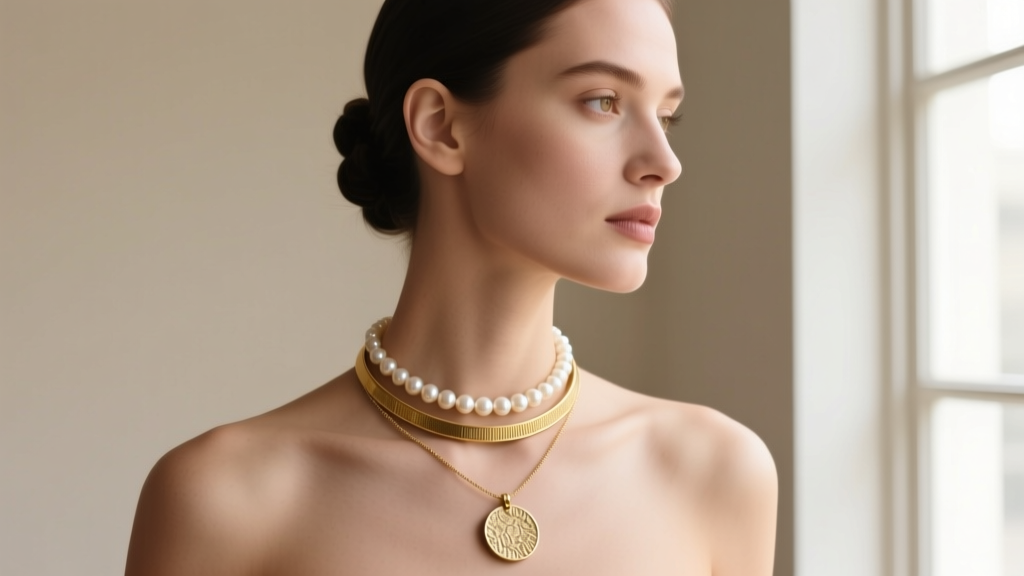
- Layer 1 (14 to 15 inches): Start with a delicate, textured chain close to the neck. A tiny paperclip chain, a micro-cable chain, or a minimalist freshwater pearl choker works beautifully here. This frames the face and draws the eye upward.
- Layer 2 (16 to 17 inches): This is where your Madewell bar necklace lives. Worn at the standard 16-inch length, the horizontal line of the bar provides a visual "resting place" for the eye amidst the other chains.
- Layer 3 (18 to 20 inches): Finish with a heavier, larger pendant. A textured gold coin, a crescent moon, or a simple geometric medallion on a slightly thicker box or rolo chain will anchor the bottom of the stack and prevent tangling by adding weight.
Mixing Textures and Metals
Do not be afraid to mix metal tones. Pairing a yellow gold Madewell bar with a white gold or silver chain in the layer above creates a modern, curated look. The key to mixing metals successfully is to ensure that one metal tone dominates (about 70% of the stack), while the secondary metal acts as an accent.
Neckline Pairings: What to Wear With Your Bar
The horizontal geometry of a bar necklace interacts differently with various clothing necklines. Understanding these pairings will elevate your daily styling.
- The Crew Neck: A standard 16-inch bar necklace will sit awkwardly against the ribbed collar of a crew neck sweater. Use the 2-inch extender to drop it to 18 inches, allowing the bar to rest flat against the fabric below the collarbone.
- The V-Neck: This is the bar necklace's natural habitat. The horizontal line of the bar perfectly intersects the diagonal lines of a V-neck, creating a balanced, geometric focal point. Keep it at the standard 16-inch length.
- The Button-Down Shirt: Unbutton your shirt to the second or third button to create a makeshift V-neck. The bar necklace adds a touch of intentional polish to an otherwise casual, relaxed outfit.
- The Scoop Neck: Because scoop necks expose a wide canvas of skin, a solitary bar necklace can look lost. This is the ideal scenario to employ the three-layer stacking technique mentioned above to fill the negative space.
Style Tip: If you are wearing a patterned or heavily textured top, opt for a high-polish, reflective bar necklace to ensure the piece catches the light and doesn't blend into the fabric.
Engraving and Personalization
Madewell frequently offers complimentary or low-cost custom engraving on their Transport Bar necklaces. If you are opting for personalization, the 1.5-inch surface area limits you to roughly 10 to 15 characters, depending on the font. For a timeless, sophisticated look, choose a minimalist block or serif font rather than a sprawling cursive script. Coordinates of a meaningful location, a short word in a foreign language, or a significant date in Roman numerals (e.g., X.IV.XX) are excellent choices that maintain the sleek aesthetic of the bar while adding deep sentimental value.
Care and Maintenance: Keeping the Tarnish Away
Because many of Madewell's gold necklaces are crafted from solid brass with a gold finish, they are susceptible to oxidation. Brass contains copper, which reacts with oxygen, moisture, and the natural acids in your skin to create a dark patina or tarnish.
What to Avoid
Never use ultrasonic jewelry cleaners, harsh chemical dips, or abrasive toothpaste on your gold-plated or vermeil bar necklaces. These methods will strip the gold finish right off the brass or silver base, ruining the piece. Furthermore, always apply your perfumes, lotions, and sunscreens before putting your jewelry on, and remove the necklace before swimming in chlorinated pools or salt water.
The Proper Cleaning Routine
For routine maintenance, follow the guidelines recommended by Jewelers of America for delicate plated pieces:
- Mix a few drops of mild, phosphate-free dish soap into a bowl of lukewarm water.
- Submerge the necklace for no more than two to three minutes.
- Gently agitate the water, or use an extra-soft baby toothbrush to lightly sweep away oils from the chain links and the edges of the bar.
- Rinse briefly under clean, lukewarm water.
- Pat completely dry with a microfiber cloth. Never store the necklace while it is even slightly damp.
For heavier tarnish on sterling silver or unplated brass bars, use a specialized jeweler's polishing cloth (such as a Sunshine cloth). These cloths are impregnated with micro-abrasives and anti-tarnish agents that safely lift oxidation without damaging the metal.
Troubleshooting Common Annoyances
Even the best jewelry has its quirks. Here is how to solve the two most common issues beginners face with lightweight chain necklaces:
- The Clasp Keeps Sliding to the Front: This happens when the chain is perfectly balanced, causing the slightly heavier lobster clasp to migrate to the center of your chest. The Fix: Attach a tiny, lightweight jump ring or a small decorative charm directly to the loop of the clasp. This added micro-weight will anchor the clasp at the back of your neck.
- The Chain Tangles in Storage: Delicate cable chains are notorious for knotting. The Fix: Never toss your necklace into a communal jewelry box. Store it laid flat in a dedicated jewelry roll, or hang it on a hook. If traveling, thread the chain through a plastic drinking straw and clasp it to prevent movement.
Final Thoughts on Building Your Core Collection
The Madewell bar necklace is more than just a trendy accessory; it is a foundational tool for learning how to curate your personal style. By understanding its material composition, mastering the 2-inch layering rule, and committing to proper, gentle cleaning routines, you ensure that this piece remains a reliable staple in your wardrobe for years to come. As your collection grows, you will find that this simple geometric bar seamlessly integrates with bolder, more experimental pieces, always providing a touch of grounded elegance to your everyday look. For more insights on building a sustainable jewelry wardrobe, explore our comprehensive guides on demi-fine jewelry essentials.


