Malcolm Todd Necklace: 2026 Trend & Style Analysis
Discover the Malcolm Todd necklace trend for 2026. Learn how to style layered vintage chains, choose oxidized silver pendants, and avoid brass tarnish.

The Anatomy of the Malcolm Todd Necklace Aesthetic
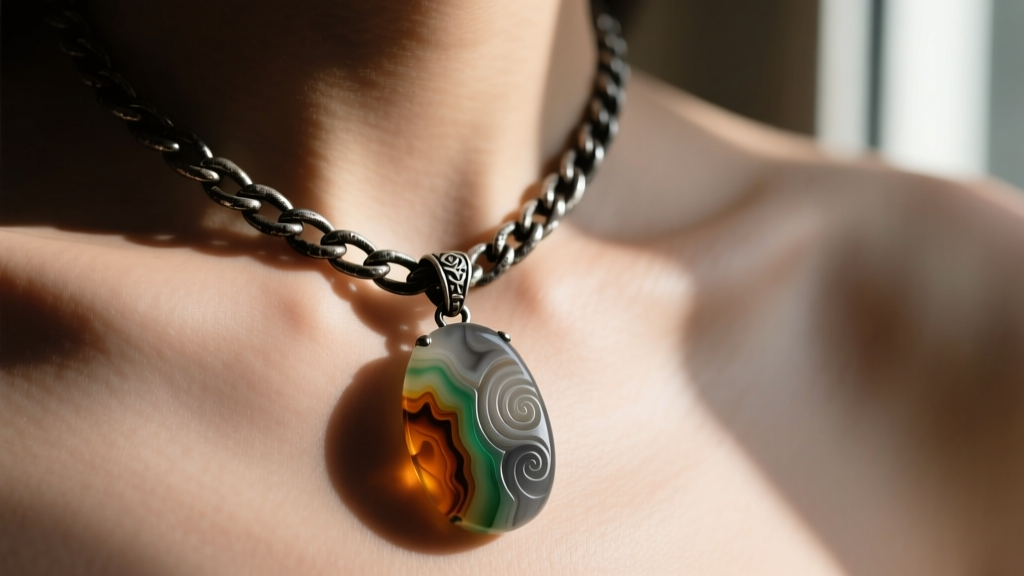
The "Malcolm Todd necklace" is not a single, mass-produced SKU; rather, it represents a highly specific micro-trend that has dominated indie and vintage-revival styling throughout 2025 and into 2026. Inspired by the indie-pop artist’s signature stage and streetwear aesthetic, this look relies on a deliberate, curated clash of vintage-inspired, slightly tarnished chains paired with eccentric, nostalgic pendants. According to recent trend forecasting by Vogue, the shift away from hyper-polished, minimalist luxury jewelry toward "lived-in" indie-sleaze revival has made this layered, oxidized look a cornerstone of modern personal style.
To accurately replicate the Malcolm Todd necklace aesthetic, one must move beyond basic chain layering. The hallmark of this style is the juxtaposition of weights and textures. The foundational layer typically features a mid-weight chain—such as a 3.5mm Figaro or a 4mm vintage Curb—sitting snugly at the 18-inch collarbone mark. This is anchored by a secondary, more delicate chain (often a 2mm oxidized rope or box chain) dropping to 20 or 22 inches, terminating in a highly specific, non-traditional pendant. The goal is to achieve a look that feels inherited and heavily worn, rather than freshly purchased from a contemporary mall jeweler.
Material Breakdown: Oxidized Silver vs. Patinated Brass
Achieving the signature "tarnished" look of the Malcolm Todd aesthetic requires an understanding of metallurgical patinas. You cannot simply rely on natural tarnish, which takes years to develop and often looks uneven or dirty. Instead, jewelers and vintage curators use chemical oxidation to accelerate the aging process. The Gemological Institute of America (GIA) notes that sterling silver reacts predictably to sulfur compounds, making it the premier choice for controlled antiquing.
| Material | Oxidation Method | Price Range (USD) | Skin Reaction Risk | Longevity & Maintenance |
|---|---|---|---|---|
| 925 Sterling Silver | Liver of Sulfur bath, polished on high points | $120 - $350 | None (Hypoallergenic) | Excellent. Can be re-oxidized. Seal with Renaissance Wax. |
| Jeweler's Brass | Ammonia & salt fuming, or commercial brass darkeners | $40 - $95 | High (Copper content turns skin green via sweat reaction) | Moderate. Patina rubs off quickly; requires frequent re-sealing. |
| PVD Black Stainless | Physical Vapor Deposition (factory applied) | $60 - $150 | Low | Poor for this aesthetic. Coating eventually chips, revealing bright silver underneath. |
For the most authentic Malcolm Todd vibe, 925 sterling silver treated with a Liver of Sulfur solution is the gold standard. The jeweler dips the finished chain into the warm sulfur bath, turning the entire piece black. They then use a polishing cloth or a mild abrasive to remove the black oxidation from the raised surfaces of the links, leaving the dark patina only in the crevices. This creates a high-contrast, three-dimensional texture that catches the light beautifully while maintaining a gritty, vintage feel.
Pendant Selection: Curating Eccentric Nostalgia
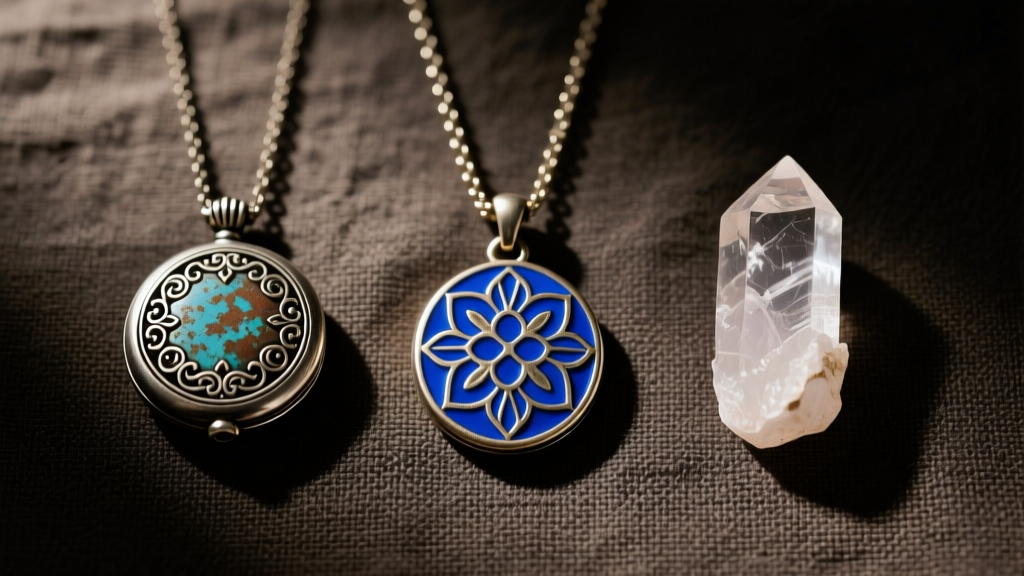
The pendant is where the Malcolm Todd necklace truly differentiates itself from standard men's or unisex chain layering. The aesthetic demands "eccentric nostalgia." This means avoiding generic silver crosses, plain dog tags, or modern geometric shapes. Instead, the focus is on charms that feel like they were sourced from a 1970s flea market or a forgotten estate sale.
- Carved Agates & Cameos: Dark, moody stones like black agate or onyx, carved with astrological signs, mythological figures, or floral motifs.
- Retro Enamel Charms: 1980s or 1990s pop-culture references, vintage automotive logos, or faded tourist souvenirs encased in tarnished silver bezels.
- Raw, Uncut Crystals: Rough-cut quartz or tourmaline wrapped in heavy, oxidized silver wire, providing a stark contrast between the refined metalwork and the raw earthiness of the stone.
- Functional Vintage Items: Repurposed skeleton keys, antique pocket watch movements, or small, functional brass compasses.
Sourcing Authentic Vintage vs. Modern Reproductions
While sourcing genuine vintage pendants from platforms like Etsy or local antique malls yields the most authentic results, it requires a keen eye for hardware compatibility. Modern reproduction pendants from artisan silversmiths often offer better structural integrity, utilizing cast bails that can withstand the weight of heavier chains. When buying vintage, always inspect the bail (the loop that connects the pendant to the chain) for stress fractures, as decades of wear can compromise the solder joints.
Bail Mechanics and Hardware Sizing
A critical failure point in the Malcolm Todd necklace trend is the mismatch between chain width and pendant bail size. A 4mm vintage curb chain will simply not fit through the delicate 2mm bail of a traditional vintage pendant. Forcing it will damage the chain links or bend the bail out of shape.
The Sizing Rule: The inner diameter of the pendant bail must be at least 1.5 times the width of the chain. If you are using a 3.5mm Figaro chain, you need a bail with an inner clearance of at least 5.25mm. If you find a perfect vintage pendant with a bail that is too small, a professional jeweler can easily snip the original bail and solder on a heavy-duty, oxidized sterling silver "snap-on" or "tube" bail that accommodates thicker chains without ruining the antique aesthetic of the piece.
Troubleshooting Common Vintage Chain Failures
Embracing the vintage and heavily oxidized look means dealing with the mechanical realities of older or deliberately distressed jewelry. Here is how to troubleshoot the most common hardware failures associated with this specific layering trend:
- The Jump Ring Stretch: Many vintage pendants are attached using thin, 22-gauge unsoldered jump rings. When paired with a heavy 4mm chain and the natural pulling force of daily wear, these thin rings will slowly pull apart, resulting in a lost pendant. The Fix: Have a jeweler replace all pendant jump rings with 18-gauge or 16-gauge soldered jump rings. The soldered seam ensures the ring can only open if the metal itself snaps, which is virtually impossible under normal wear.
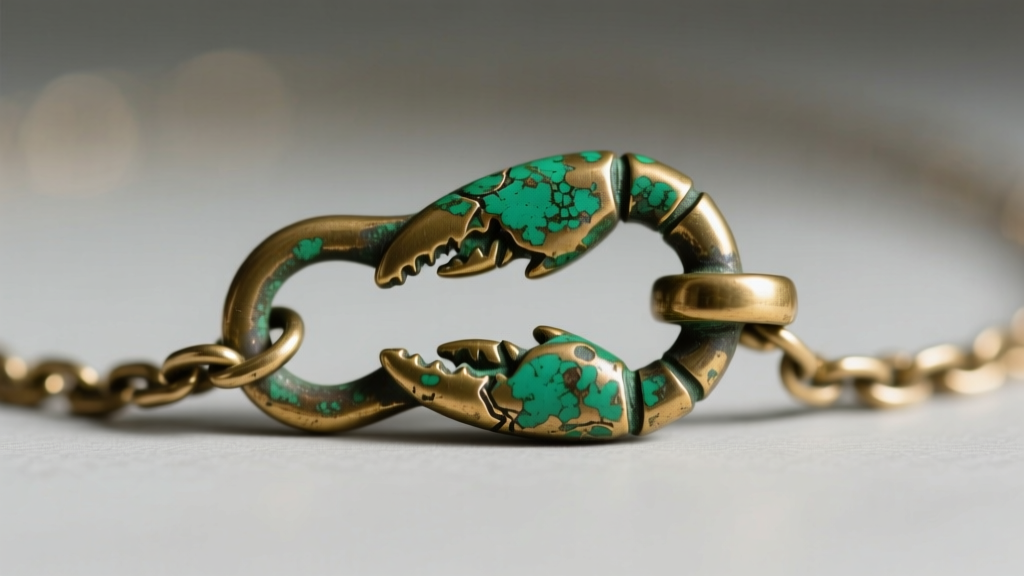
- Spring Ring Clasp Fatigue: Vintage chains often feature small, hollow spring ring clasps that lose their tension over time, popping open unexpectedly. The Fix: Upgrade to a solid-cast 5mm or 7mm lobster clasp. Ensure the clasp is also treated with Liver of Sulfur so the shiny new hardware doesn't clash with the oxidized chain.
- Oxidation Rub-Off: The dark patina on brass or poorly sealed silver can rub off onto white t-shirts or react with acidic sweat, leaving green or black marks on the skin. The Fix: Apply a micro-thin layer of Renaissance Wax or a specialized jewelry sealant to the inside of the chain links that touch the skin. This locks in the patina and creates a hypoallergenic barrier without altering the visual texture of the metal.
Final Styling Verdict for 2026
The Malcolm Todd necklace trend is a masterclass in intentional imperfection. It rejects the sterile, high-polish finish of contemporary luxury in favor of texture, history, and personal narrative. By carefully selecting the right chain weaves, utilizing chemical oxidation for authentic depth, and sourcing pendants that tell a story, you can master this indie-vintage aesthetic. Remember that the key to pulling off this look is in the hardware details—upgrading your jump rings, sizing your bails correctly, and sealing your patinas will ensure your curated layers survive the rigors of daily wear while looking effortlessly timeless.


