Understanding Maori Necklace Meanings: A Taonga Gift Guide
Discover deep Maori necklace meanings to choose the perfect Taonga pendant. Match Koru, Hei Tiki, and Matau carvings to life's most meaningful occasions.

The Sacred Art of Gifting Taonga
When exploring Maori necklace meanings for a gift, you are not merely selecting jewelry; you are choosing a taonga (treasure) imbued with deep spiritual significance, history, and mana (prestige or spiritual power). In Māori culture, pendants carved from Pounamu (New Zealand jade), whale bone, or paua shell are profoundly personal. They are physical manifestations of life's journeys, ancestral connections, and emotional bonds.
As we navigate the contemporary jewelry landscape in 2026, the appreciation for indigenous craftsmanship and culturally significant adornments has grown immensely. However, gifting a Māori pendant requires an understanding of tikanga (cultural protocols). The most vital rule to remember is this: you should never buy a Pounamu carving for yourself. According to tradition, the stone chooses its wearer, and it must be gifted to you by someone else to carry its protective and spiritual properties correctly. This makes understanding Maori necklace meanings essential for anyone looking to give a truly profound, life-affirming gift.
"A taonga is more than an object; it is a vessel for stories, a marker of milestones, and a bridge between the past, present, and future." — Te Papa Tongarewa
Decoding Maori Necklace Meanings for Every Occasion
To select the perfect pendant, you must align the carving's traditional meaning with the recipient's current life chapter. Below is a comprehensive guide to the most prominent Māori symbols and the specific occasions they suit best.
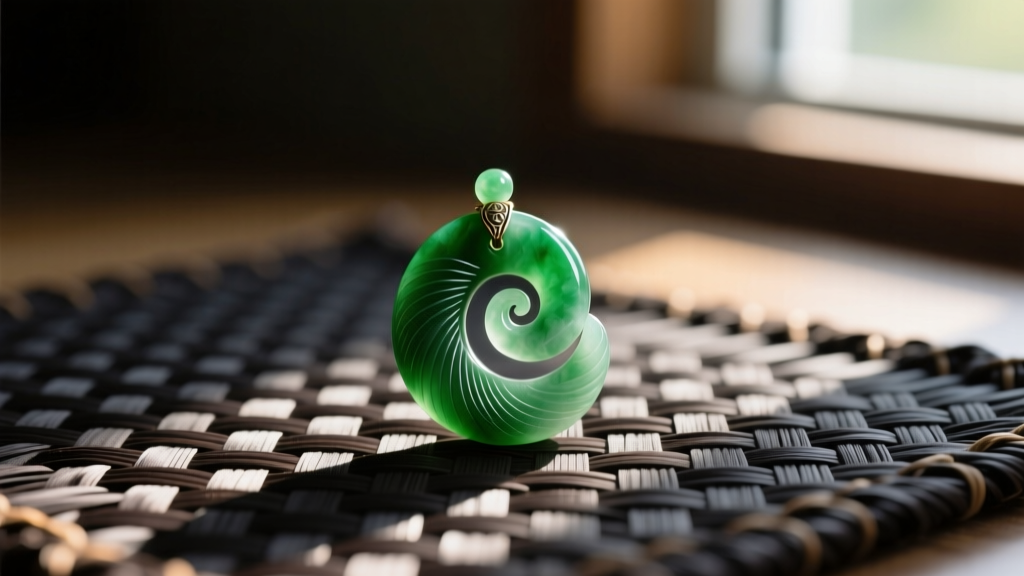
Koru (The Unfurling Fern)
Visual Design: A spiral shape modeled after the unfurling frond of the native New Zealand silver fern.
Meaning: New life, growth, strength, and peace. The Koru represents the cyclical nature of life and the promise of new beginnings.
Best Gifting Occasions: Graduations, the birth of a child, starting a new career, moving to a new home, or supporting someone through a major life transition or recovery. It is the ultimate symbol of optimism and forward momentum.
Hei Matau (The Fish Hook)
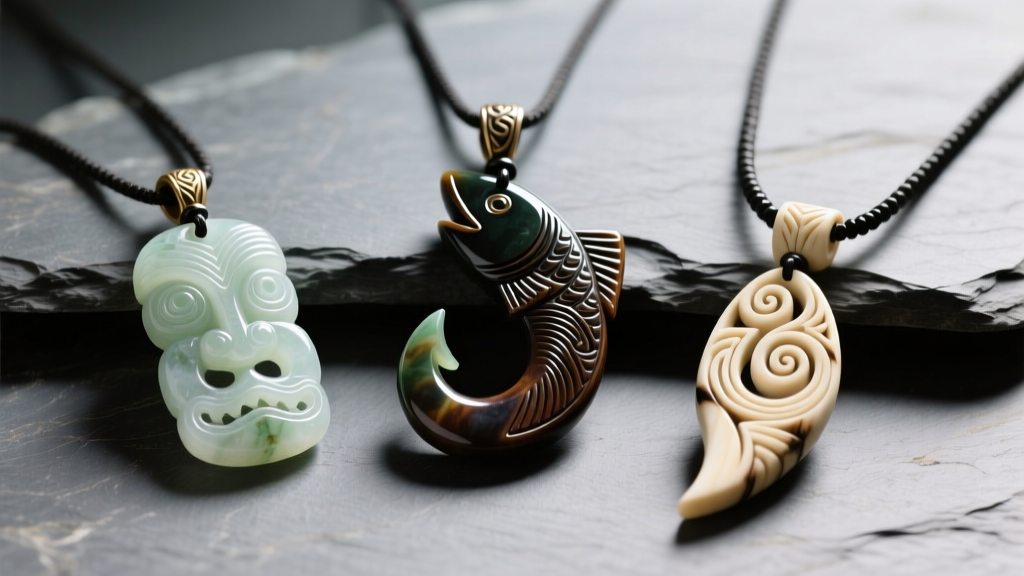
Visual Design: A stylized fish hook, ranging from highly traditional, ornate designs to sleek, modern minimalist interpretations.
Meaning: Prosperity, abundance, safe travel over water, and a deep respect for the ocean (Tangaroa, the god of the sea). It signifies a provider and a protector.
Best Gifting Occasions: Farewell gifts for travelers, promotions, career changes, or for someone who works on or near the water. It is also a powerful talisman for someone embarking on a risky new venture, offering a metaphorical "safe return."
Pikorua (The Twist)
Visual Design: A figure-eight or intertwined loop. It can be a single twist, but double and triple twists are also common.
Meaning: The single twist represents the path of life and eternity. The double or triple twist (often called the Eternity Symbol) represents the joining together of two people or two cultures for eternity, emphasizing loyalty and friendship.
Best Gifting Occasions: Weddings, anniversaries, Valentine's Day, or as a profound gesture of platonic loyalty to a lifelong friend. It is the Māori equivalent of an eternity ring or an interlocking heart necklace.
Hei Tiki (The Ancestral Figure)
Visual Design: A humanoid figure, often with tilted head, large eyes (sometimes inlaid with paua shell or Haliotis), and hands resting on the body.
Meaning: Ancestral connection, fertility, and the embodiment of inherited traits. The Tiki is considered one of the most sacred and powerful carvings, often accumulating immense mana as it is passed down through generations.
Best Gifting Occasions: Heirloom gifting (e.g., a mother passing it to a daughter on her wedding day), major milestone birthdays (like a 21st or 50th), or honoring a matriarch/patriarch. Due to its weight and significance, it is rarely a casual gift.
Material Matters: Choosing Authentic Pounamu and Bone
Understanding Maori necklace meanings is only half the equation; selecting the right material is equally critical. The medium carries its own energy. Pounamu, found exclusively in the rivers and boulders of New Zealand's South Island (Te Waipounamu), is classified into several distinct grades based on color, translucency, and hardness. According to the experts at Mountain Jade, the type of stone you choose can further refine the intention of your gift.
| Material / Grade | Visual Characteristics | Spiritual Association & Best Use | Price Range (USD) |
|---|---|---|---|
| Kawakawa Pounamu | Deep, rich forest green with black flecks or inclusions. | Grounding, resilience, and overcoming adversity. Excellent for career or health gifts. | $150 - $600+ |
| Inanga Pounamu | Pale, translucent white-green, resembling whitebait fish. | Clarity, peace, and new beginnings. Perfect for Koru designs and graduation gifts. | $200 - $800+ |
| Kahotea Pounamu | Dark green with striking lighter green or white streaks. | Strength and protection. Ideal for Hei Matau and travelers. | $180 - $700+ |
| Whale Bone (Parāoa) | Opaque white/cream that turns golden-amber over time. | Ancestral connection and memory. Absorbs the wearer's skin oils, becoming deeply personal. | $80 - $350 |
Cords, Sizing, and Wearability
Authentic Māori pendants are rarely hung on delicate gold or silver chains. The traditional and most appropriate presentation is on a hand-braided waxed cotton or linen cord. These cords are typically 2mm to 4mm in thickness, providing the necessary tensile strength to support heavy Pounamu carvings, which can weigh anywhere from 15 grams to over 50 grams for large statement pieces.
Modern authentic carvers utilize an adjustable macramé sliding knot system. This allows the wearer to adjust the necklace length seamlessly from a high collarbone placement (approx. 16 inches) down to the sternum (approx. 24 inches). When gifting, this adjustability is highly practical, as it eliminates the need to guess the recipient's exact neck size or preferred drop length. Ensure the cord features traditional binding techniques at the bail (the hole where the cord passes through the stone), often wrapped tightly with finer thread to protect the stone from friction.

Cultural Protocols and Care Instructions
When you present a Taonga, you are also passing on the responsibility of its care. Pounamu is a nephrite jade, ranking between 6 and 6.5 on the Mohs hardness scale. While durable, it can chip if dropped on hard surfaces like tile or concrete. Include a care note with your gift:
- Nourish the Stone: Pounamu thrives on contact with the skin. The natural oils from the wearer's body will slowly polish the stone, enhancing its translucency and luster over the years.
- Avoid Chemicals: Remove the pendant before swimming in chlorinated pools or using harsh household cleaners, as chemicals can degrade the waxed cord and dull the stone's polish.
- Storage: If not being worn, store the pendant in a soft pouch. Do not store it loosely in a jewelry box where it might strike against harder gemstones like diamonds or sapphires, which can scratch the jade.
Sourcing Authentic Taonga in 2026
The global market is unfortunately flooded with mass-produced, machine-carved "Māori-style" pendants made from cheap serpentine or dyed glass, often carved overseas. Gifting a fake not only lacks spiritual mana, but it also undermines the indigenous artisans who have preserved these carving traditions for centuries.
To ensure your gift is genuine, look for the Toi Iho Māori Made trademark. This is the official, internationally recognized mark of authenticity and quality for Māori-made products. When shopping, prioritize:
- Direct from Carvers: Purchasing directly from registered Māori artisans or established New Zealand galleries.
- Certificates of Authenticity: Reputable sellers will provide a card detailing the specific type of Pounamu, the meaning of the carving, and the name of the artist or tribe (iwi) associated with the stone's origin.
- Ethical Sourcing: Ensure the retailer explicitly states that their Pounamu is ethically sourced from the Ngāi Tahu tribe, who hold the legal and spiritual guardianship (kaitiakitanga) over New Zealand's greenstone.
Final Thoughts on Gifting with Intention
Choosing a gift based on Maori necklace meanings elevates the act of giving from a simple transaction to a deeply emotional exchange. Whether you are handing a loved one a pale Inanga Koru to celebrate a new chapter, or fastening a dark Kawakawa Hei Matau around the neck of a departing traveler, you are offering them a shield, a story, and a piece of the earth. By respecting the tikanga, sourcing ethically, and matching the symbol to the soul of the recipient, your Taonga will become a cherished companion for the rest of their life's journey.


