Maria Altmann Necklace: Where Is It Now? The Lost Bloch-Bauer Jewels
Discover the truth behind the Maria Altmann necklace, its looted history from the Bloch-Bauer collection, and how to style the iconic choker today.

The Mystery of the 'Maria Altmann' Necklace
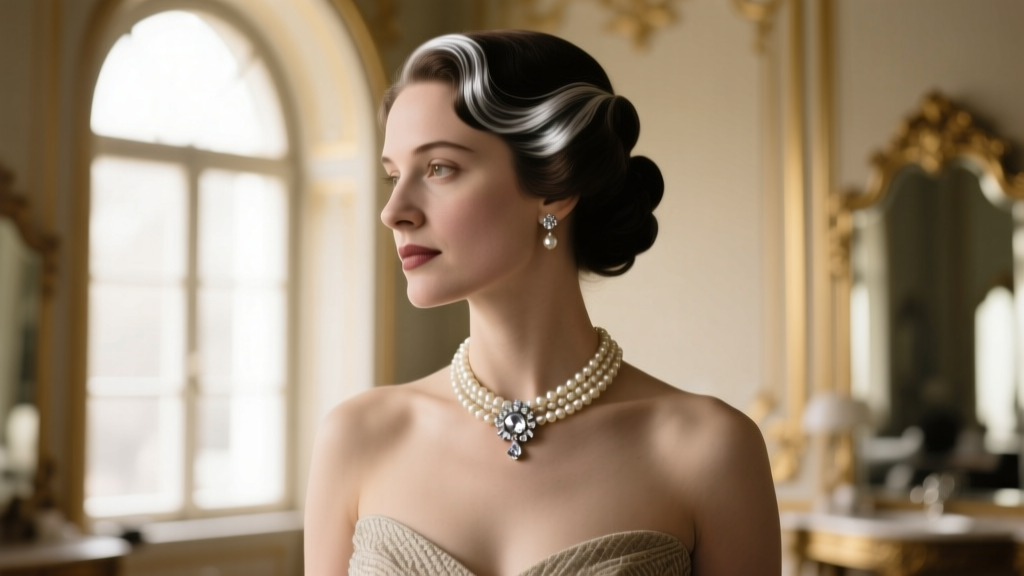
When history enthusiasts and jewelry lovers type maria altmann necklace where is it now into search engines, they are often chasing a ghost born from a historical misnomer. The 2015 film 'Woman in Gold' brought the incredible story of Maria Altmann to the mainstream, detailing her relentless legal battle to recover Gustav Klimt's iconic paintings from the Austrian government. However, the famous jewelry seen in those portraits—most notably the breathtaking multi-strand pearl and diamond choker—did not belong to Maria. It belonged to her aunt, Adele Bloch-Bauer, the Viennese socialite and muse who wore it.
Maria Altmann was the niece who fought for the family's legacy, but the necklace itself is a relic of Adele's opulent life in early 20th-century Vienna. To understand where this magnificent piece of jewelry is today, we must first unpack its anatomy, the tragic circumstances of its theft, and the grim reality of jewelry restitution compared to fine art recovery.
The Anatomy of a Viennese Masterpiece
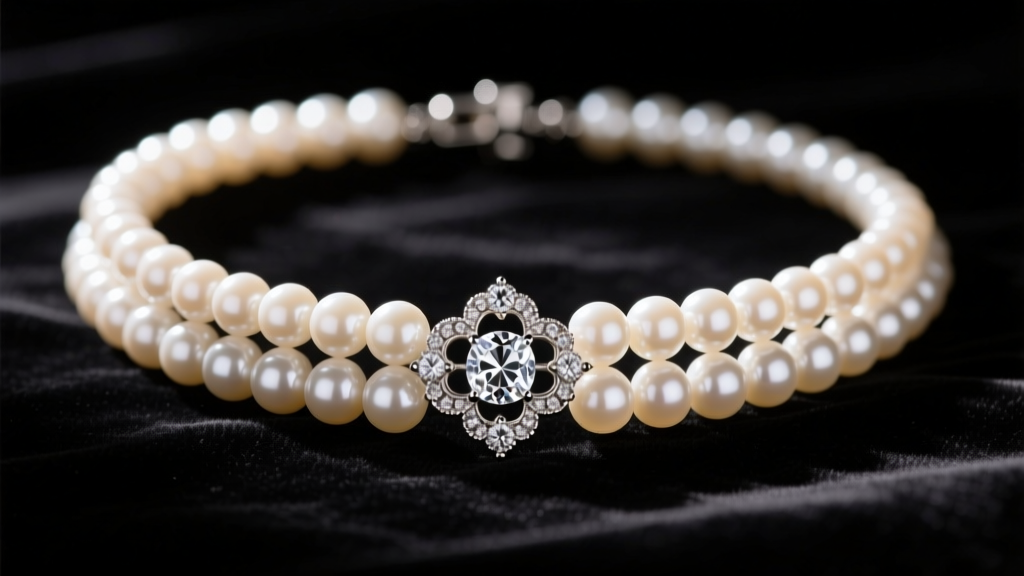
Adele Bloch-Bauer's choker was not merely an accessory; it was a masterclass in Belle Époque and early Wiener Werkstätte craftsmanship. In the early 1900s, the cultured pearl industry pioneered by Kokichi Mikimoto was still in its infancy and not yet widely commercialized in Europe. Therefore, Adele's choker was almost certainly composed of natural saltwater pearls.
Natural saltwater pearls from that era are characterized by their creamy, organic luster and slight irregularities, strung meticulously on silk thread with French wire ends to protect the drill holes. The clasp of such a high-society piece would have been a focal point of its own, likely featuring Old European cut or mine cut diamonds set in platinum or high-karat yellow gold. These diamond cuts, with their smaller tables and higher crowns, were designed to maximize sparkle in the low, warm lighting of Viennese salons and candlelit galas.
Looting and Loss: The 1938 Anschluss
The fate of the Bloch-Bauer jewelry collection was sealed with the Anschluss in 1938, when Nazi Germany annexed Austria. The Bloch-Bauer palace was seized, and its contents were systematically cataloged and looted by the Gestapo and Nazi elites. While Ferdinand Bloch-Bauer managed to flee to Switzerland, the physical assets left behind were absorbed into the Third Reich's stolen art and jewelry pipeline.
High-ranking Nazi officials, including Hermann Göring, were notorious for confiscating luxury jewelry for their own families or to fund the war effort. Unlike paintings, which were often hoarded for Hitler's planned 'Führermuseum' in Linz, jewelry was highly liquid. Pieces were frequently sold on the black market in neutral countries like Switzerland to raise foreign currency, or gifted to the wives of Nazi officers.
'The tragedy of looted jewelry is its anonymity. Once a diamond is removed from its setting and recut, its history is erased forever.' — Holocaust Art Restitution Project Archives
Where Is the Necklace Now? The Restitution Reality
If you are searching for the exact Maria Altmann necklace today, the heartbreaking answer is that it is effectively lost to history. While Maria Altmann achieved a monumental victory in 2006 when the Austrian government was forced to return five Klimt paintings—including the 'Portrait of Adele Bloch-Bauer I'—the jewelry was never recovered.
To understand why, we must look at the fundamental differences between art and jewelry restitution, as outlined by historians and tracked by institutions like the Neue Galerie in New York, where the famous portrait now resides.
| Feature | Klimt Paintings (e.g., Woman in Gold) | Bloch-Bauer Jewelry Collection |
|---|---|---|
| Identifiability | High (Unique brushwork, cataloged) | Low (Dismantled, recut gems) |
| Post-War Location | Austrian State Galleries | Black market, private collections |
| Restitution Success | 2006 (Maria Altmann lawsuit) | Largely unsuccessful / Untraceable |
| Current Status | Neue Galerie, NY / Private Collections | Lost, dispersed, or unrecognizable |
The primary reason the necklace cannot be found is a practice known as 'recutting to erase provenance.' When the Nazis looted high-value gemstones, they routinely ordered jewelers to remove the stones from their historic settings and recut the facets. This process removes the microscopic inclusions, flaw maps, and unique facet patterns that gemologists use to link a stone to a specific family's pre-war inventory. The gold and platinum settings were melted down into bullion. The natural pearls, if not sold as intact strands, were likely dispersed into various private collections, completely stripped of their Bloch-Bauer provenance.
Recreating the 'Woman in Gold' Look Today
While Adele's original natural saltwater pearl choker is lost, its iconic silhouette remains a staple of high jewelry and vintage-inspired style. For modern collectors and vintage enthusiasts looking to capture the elegance of 1900s Viennese society, understanding the mechanics of a proper pearl collar is essential. According to gemological standards and vintage jewelry experts, here is how to source a modern equivalent.
1. Pearl Selection: Akoya vs. Freshwater
Natural saltwater pearls of the size and quality Adele wore would command upwards of $100,000 at auction today. For a modern recreation, Akoya pearls are the superior choice. Akoya pearls are saltwater cultured pearls known for their mirror-like luster and perfectly round shapes, mimicking the high-society elegance of the Belle Époque era. Avoid standard freshwater pearls, which often possess a chalky luster and off-round shapes that detract from the formal 'choker' aesthetic.
2. The Clasp Mechanics
A multi-strand pearl choker requires a specialized clasp to maintain tension and prevent the strands from tangling. Look for a diamond-set barrel clasp or a filigree box clasp crafted in 18k gold or platinum. Crucially, the clasp must feature a 'figure-eight' safety catch—a secondary wire loop that snaps over a button on the opposite side, ensuring the necklace remains secure even if the primary hinge fails.
3. Sizing and Layering Techniques
To achieve the tight, collar-like fit seen in Klimt's portrait, precise sizing is required.
- The Collar Fit (14-15 inches): Sits tightly against the base of the neck. Best worn with V-necklines, off-the-shoulder gowns, or deep scoop necks to allow the diamonds in the clasp to catch the light.
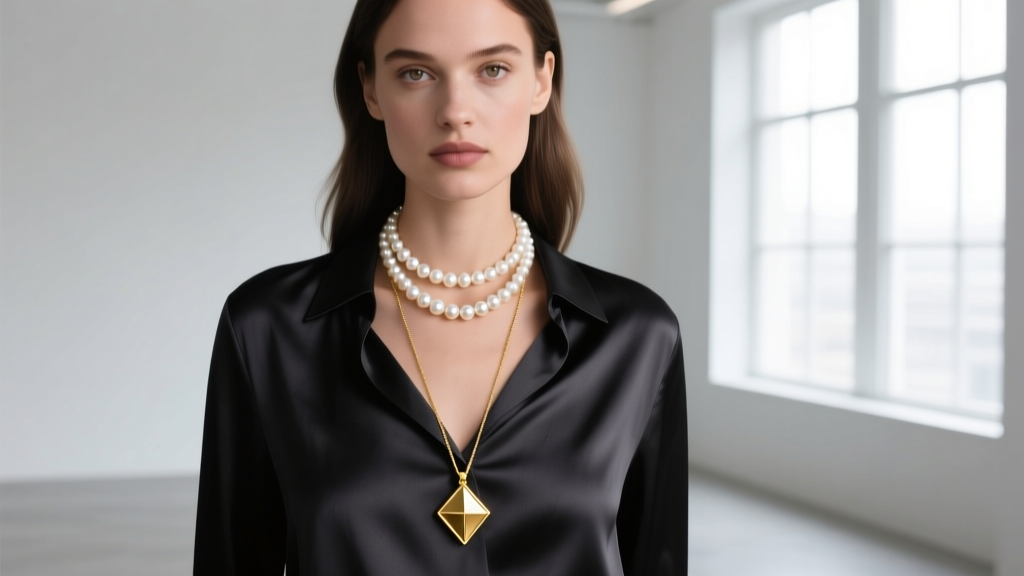
- The Modern Layer: For a contemporary 2026 update, pair a 15-inch multi-strand pearl choker with a 24-inch matte gold pendant necklace featuring a single, bezel-set Old European cut diamond. This bridges the gap between Edwardian formality and modern minimalist layering.
- Strand Count: A true statement collar requires a minimum of three strands, though five to seven strands provide the dense, luxurious coverage characteristic of Adele Bloch-Bauer's wardrobe.
Final Thoughts on Provenance and Legacy
The search for the 'Maria Altmann necklace' is ultimately a lesson in the fragile nature of material wealth and the enduring power of art. While the physical pearls and diamonds that once graced Adele Bloch-Bauer's neck were scattered to the winds of history, their legacy survives through Klimt's golden brushstrokes and Maria Altmann's unyielding pursuit of justice. For jewelry historians and collectors, the Bloch-Bauer choker serves as a poignant reminder of the importance of provenance, documentation, and the tragic vulnerability of gemstones in times of conflict. As reported by The New York Times during the climax of the restitution trial, the true victory was not just in recovering the art, but in restoring the stolen dignity of the family's history—a history that modern jewelry lovers can still honor through the timeless elegance of the pearl choker.


