Mary Magdalene Necklace Value: 2026 Buyer's Guide
Evaluate the true cost of a Mary Magdalene necklace. Our 2026 value guide breaks down metal grades, gemstone authenticity, and pricing tiers.

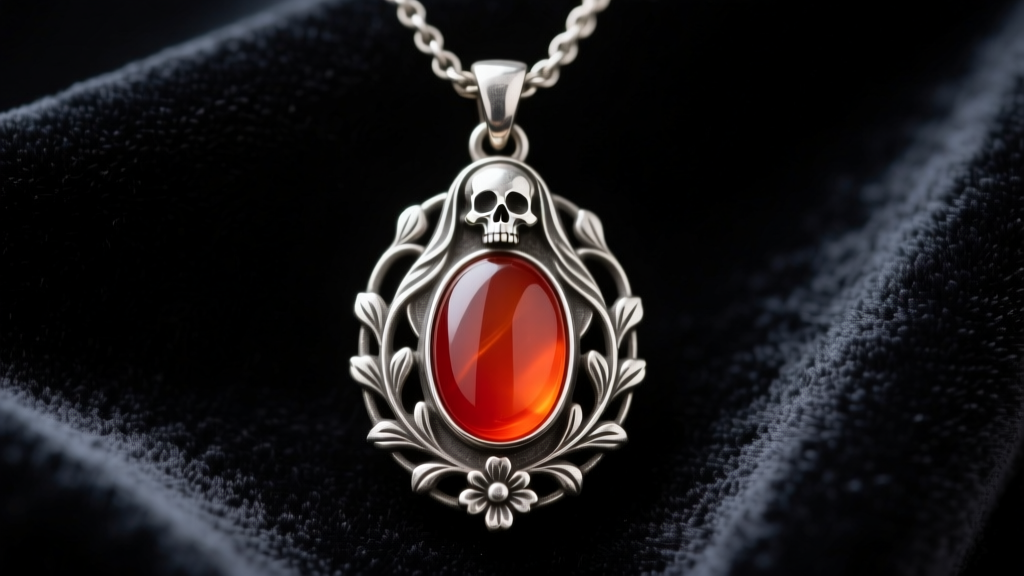
The intersection of historical mysticism, religious devotion, and contemporary fashion has propelled the Mary Magdalene necklace into a highly sought-after category of spiritual jewelry. Whether depicted with her traditional alabaster jar, a memento mori skull motif, or set with deep red gemstones symbolizing her profound devotion, these pendants carry heavy symbolic weight. However, as demand has surged through 2025 and into 2026, the market has been flooded with everything from mass-produced base-metal trinkets to exquisite, hand-fabricated artisan pieces. For the discerning buyer, understanding the intrinsic value, material integrity, and craftsmanship of these necklaces is essential to making a sound investment.
Decoding the Motif: What Defines a Magdalene Pendant?
Before assessing financial value, one must understand the design elements that dictate complexity and labor costs. A traditional Mary Magdalene pendant usually features one of three primary motifs:
- The Alabaster Jar: Representing the anointing oil, this requires intricate 3D casting or hand-carving to capture the vessel's curvature and lid details.
- The Skull (Memento Mori): Rooted in medieval contemplative traditions, skull motifs demand high-relief sculpting and often feature oxidized finishes to highlight the facial cavities and cranial sutures.
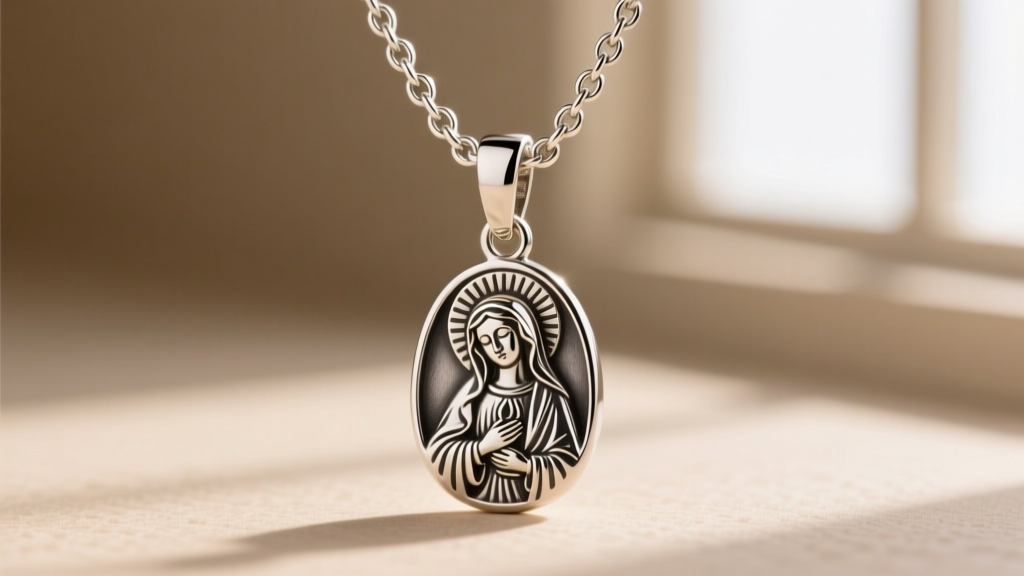
- The Orthodox Icon: Typically a flat or slightly domed profile portrait, often framed in a halo, requiring precise enamel work or stone inlay.
Pieces that combine these elements—such as a skull resting atop an alabaster jar—require advanced lost-wax casting techniques and significantly more bench time for polishing, thereby increasing the baseline manufacturing cost.
Metal Alloys and Intrinsic Value: Beyond the Stamp
The foundation of any necklace's value lies in its metallurgy. In 2026, misleading marketing terms like 'antique silver' or 'Tibetan silver' are still prevalent in budget listings. According to the Federal Trade Commission's Jewelry Guides, only items containing at least 92.5% pure silver can legally be stamped and sold as 'Sterling' or '925'.
| Metal Grade | Composition | Durability & Tarnish | Estimated Base Value (Pendant Only) |
|---|---|---|---|
| Zinc Alloy / 'Tibetan' | Zinc, copper, nickel mix | Highly brittle, turns skin green, rapid tarnish | $2 - $8 |
| 925 Sterling Silver | 92.5% Silver, 7.5% Copper | Excellent detail retention, requires polishing | $35 - $120 |
| Heavy Gold Vermeil | 925 Silver base, 2.5+ microns 14k/18k Gold | High tarnish resistance, wears over 2-5 years | $65 - $180 |
| Solid 14k Gold | 58.5% Gold, alloyed for strength | Lifetime durability, heirloom quality | $450 - $1,200+ |
Manufacturing Methods: Cast vs. Die-Struck vs. Hand-Fabricated
When evaluating a Mary Magdalene necklace, turn the pendant over and examine the backplate and the bail (the loop the chain passes through).
Identifying Cheap Castings
Mass-produced pendants are often created using rapid rubber-mold casting. This results in 'porosity'—tiny microscopic pits on the metal surface that look like orange peel. Furthermore, look for the 'sprue mark,' a small, often poorly filed bump where the molten metal entered the mold. These structural weaknesses make the bail prone to snapping under the pendulum effect of daily wear.
The Value of Die-Striking and Hand-Finishing
Mid-tier to high-end artisan jewelers use die-striking for the base components or employ meticulous hand-finishing on cast pieces. A high-value pendant will feature 'undercut' details—where the metal is carved away beneath the surface level to create deep shadows in the skull's eye sockets or the jar's handles. This level of detail requires hours of manual work with burrs and gravers, justifying a price premium of 40% to 60% over basic cast pieces.
Gemstone Authenticity: The Red Stones of Devotion
Mary Magdalene is historically and artistically linked to red and deep earth-toned gemstones, most notably carnelian, garnet, and sometimes lapis lazuli. Assessing the value of these inlays requires a trained eye for treatments.
Carnelian vs. Dyed Agate
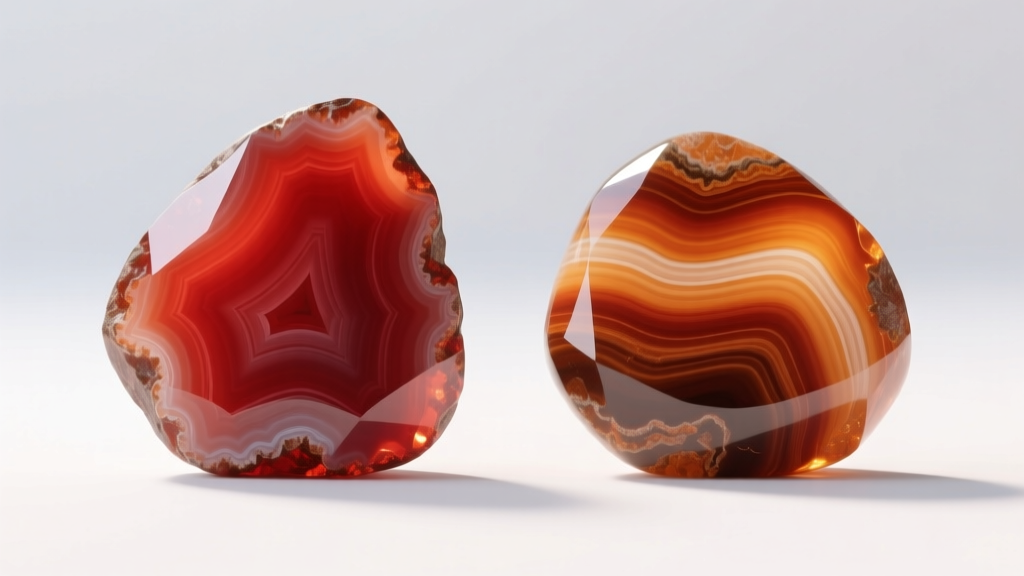
True carnelian is a chalcedony variety colored by iron oxide impurities. However, the Gemological Institute of America (GIA) notes that a vast majority of commercial 'carnelian' on the market is actually gray agate that has been heated or dyed with iron salts. To spot dyed agate, use a jeweler's loupe (10x magnification). If you see color concentrating in the microscopic fracture lines—creating a 'spiderweb' effect—the stone is dyed and holds minimal intrinsic value. Natural carnelian exhibits a cloudy, organic banding and a more translucent, glowing edge when held to the light.
Garnet Inclusions
For pendants featuring garnet (often used to represent the blood of martyrdom or deep passion), look for natural inclusions. According to GIA's garnet grading standards, completely flawless, vividly red stones under $50 are almost certainly synthetic glass or cubic zirconia. Natural almandine or pyrope garnets will exhibit slight internal 'fingerprints' or rutile needles, which actually confirm their natural origin and justify a higher valuation.
The Chain and Clasp: Hidden Value Drivers
A $200 artisan pendant is worthless if it is hung on a $3 chain that snaps. The structural integrity of the chain is a massive component of the necklace's overall value assessment.
Expert Rule of Thumb: The weight of your chain should be at least 30% to 50% of the pendant's weight. A heavy, solid-cast 20-gram Mary Magdalene skull pendant requires a minimum 2.0mm gauge chain. Hanging it on a delicate 1.0mm cable chain will result in metal fatigue and eventual breakage at the clasp ring.
Clasp Mechanics
Budget necklaces utilize 'spring ring' clasps. These are hollow, lightweight, and rely on a tiny internal spring that frequently fails when exposed to tension or hair-snagging. High-value necklaces employ solid-cast 'lobster claw' clasps or, ideally, a box clasp with a figure-eight safety latch. Upgrading a spring ring to a solid lobster claw adds $15-$30 to the manufacturing cost but increases the functional lifespan of the piece by years.
2026 Market Pricing Matrix: What Should You Pay?
To synthesize the material, labor, and gemstone factors, here is a practical pricing framework for evaluating a Mary Magdalene necklace in the current market:
- The Tourist Tier ($15 - $45): Zinc alloy or thinly silver-plated brass. Mass-produced in overseas factories. Gemstones are dyed agate or colored glass. Chains are hollow and prone to kinking. Value Verdict: Purely costume; zero long-term value.
- The Artisan Silver Tier ($85 - $250): Solid 925 sterling silver with deep oxidation for contrast. Features genuine, albeit lower-grade, carnelian or garnet cabochons. Hand-finished details, sturdy 1.5mm+ rolo or figaro chains, and secure lobster clasps. Value Verdict: Excellent daily-wear value; supports independent jewelers.
- The Heirloom Gold Tier ($600 - $2,500+): Solid 14k or 18k gold. Intricate hand-engraving or granulation techniques. Set with untreated, AAA-grade garnets or custom-carved bone/ivory alternatives for the skull motif. Value Verdict: Investment grade; retains intrinsic metal value alongside artistic merit.
Final Verdict: Maximizing Your Investment
When purchasing a Mary Magdalene necklace, you are buying into a rich tapestry of history and symbolism. However, reverence for the subject matter should not blind you to poor metallurgy and deceptive gemstone treatments. By demanding solid 925 stamps, inspecting for casting porosity, verifying gemstone banding under magnification, and ensuring the chain gauge matches the pendant's weight, you can confidently acquire a piece that honors the Magdalene legacy while retaining its structural and financial integrity for decades to come.