Matching Necklaces Bracelets: 2026 Coordinated Stacking Guide
Master the 2026 trend of wrist-to-neck continuity. Learn gauge ratios, clasp pairing, and material grades for matching necklaces bracelets.

The Shift to Wrist-to-Neck Continuity
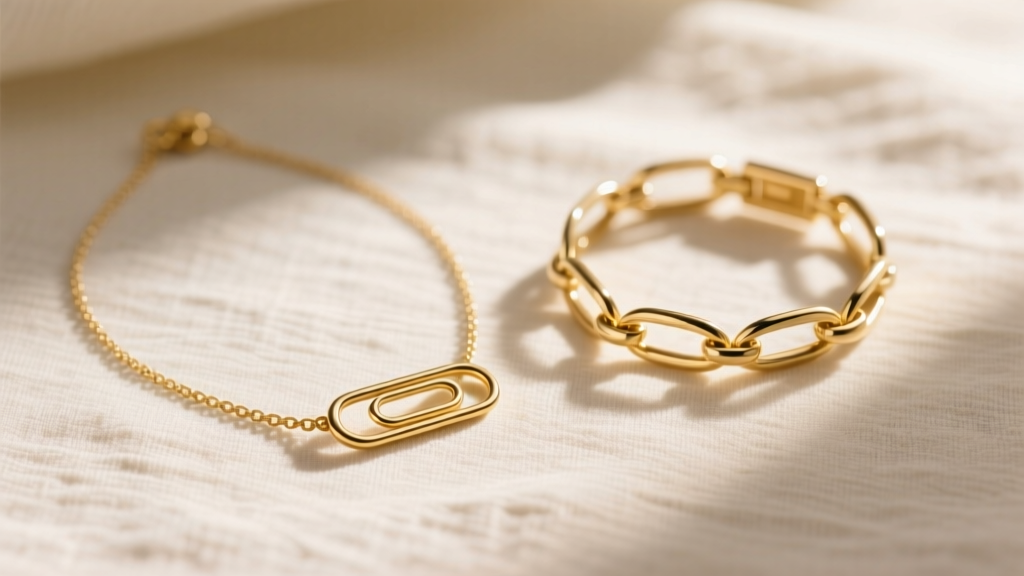
The era of haphazard, maximalist layering has officially given way to precision. In 2026, the prevailing aesthetic in fine and demi-fine jewelry is 'curated continuity'—the deliberate styling of necklaces bracelets as a unified visual system. Rather than treating the neckline and wrist as isolated canvases, modern collectors and stylists are bridging the gap between these two focal points. This approach, often referred to as wrist-to-neck continuity, requires a deep understanding of visual weight, metal grades, and hardware cohesion. When building a collection of matching necklaces bracelets, the goal is not necessarily to buy identical sets, but to curate pieces that speak the same structural language.
According to trend forecasts highlighted by Vogue's fashion and jewelry desk, the 2026 consumer is moving away from micro-trends and investing in modular, interoperable jewelry wardrobes. This means a 16-inch cable chain worn at the collarbone must visually converse with a 6.5-inch cable chain wrapped around the wrist. Achieving this requires moving beyond basic color matching and diving into the mathematics of proportion.
The Mathematics of Proportion: Gauge and Weight
The most common mistake when styling necklaces bracelets together is ignoring the optical illusion of scale. Because the wrist is in constant motion and occupies a significantly smaller surface area than the neck and chest, a chain that measures 2.0mm on the neck will look visually heavier and more cumbersome when wrapped around a 6.5-inch wrist. To achieve harmony, expert jewelers recommend a specific visual weight ratio.
The general rule for 2026 is the 1:1.3 Wrist-to-Neck Ratio. This means your wrist chain should be approximately 30% thicker in gauge (millimeter width) than your primary necklace chain to appear visually balanced. Below is the definitive pairing matrix for the most popular chain weaves this year.
| Chain Weave | Neck Gauge (mm) | Wrist Gauge (mm) | Ideal Clasp Hardware |
|---|---|---|---|
| Cable | 1.2 - 1.5 | 1.6 - 2.0 | Standard Lobster (5x9mm) |
| Paperclip | 2.5 - 3.0 | 3.5 - 4.0 | Oversized Spring Ring |
| Figaro | 3.0 - 4.0 | 4.5 - 5.5 | Decorative Box Clasp |
| Rope | 2.0 - 2.5 | 2.8 - 3.5 | Magnetic Toggle |
By adhering to this matrix, you ensure that the light reflection and physical presence of the metal remain consistent across the body, preventing the wrist stack from looking fragile or the neckline from looking choked.
Hardware and Clasp Cohesion
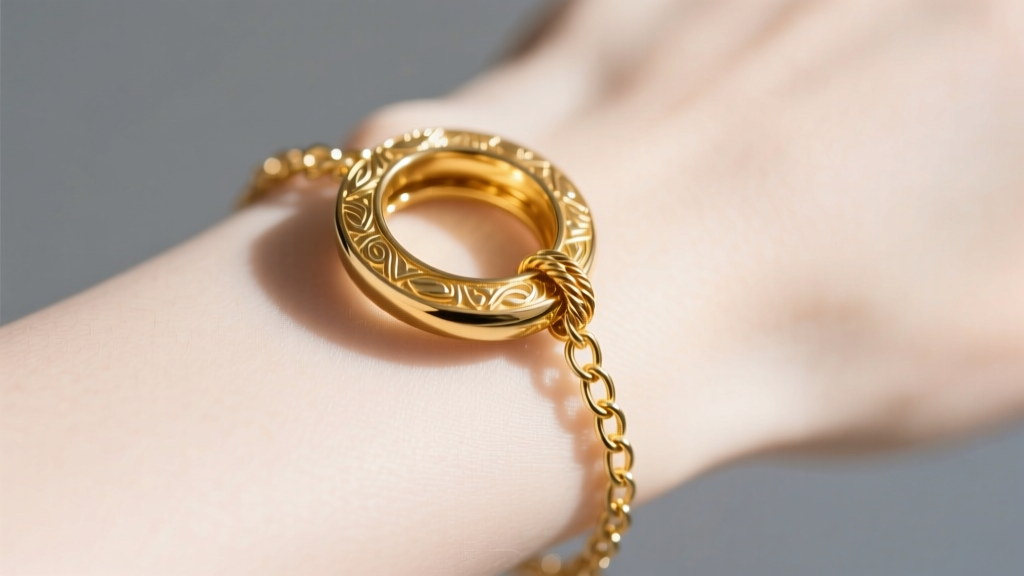
In previous years, clasps were designed to be invisible. In 2026, hardware is a featured design element. When coordinating necklaces bracelets, the clasp types must align in both finish and mechanical style. If your necklace features an oversized, high-polish 14k yellow gold spring ring clasp that rests prominently on the collarbone, pairing it with a bracelet that utilizes a hidden, matte-finish box clasp will break the visual continuity.
Magnetic vs. Mechanical Clasps
For everyday wear, the integration of neodymium magnetic clasps has surged, particularly in demi-fine bracelet stacks. However, when matching these with necklaces, weight distribution becomes critical. A heavy magnetic clasp on a delicate 1.2mm necklace will cause the chain to rotate, constantly pulling the clasp to the front of the neck. Therefore, reserve magnetic hardware for chains 2.5mm and above, and ensure the bracelet counterpart utilizes a similarly weighted mechanical clasp to maintain the 'industrial chic' aesthetic that defines this year's hardware trends.
Material Grades for Everyday Wear
Mixing metals across different body parts can lead to unintended galvanic reactions, especially in high-sweat environments or during summer months. When investing in coordinated sets, understanding material grades is non-negotiable. According to the Gemological Institute of America (GIA), the alloy composition of gold drastically affects its durability and color consistency.
- 14k Solid Gold (58.5% Pure): The gold standard for daily wear necklaces bracelets. The higher copper and zinc content provides the tensile strength needed for wrist chains that endure knocking against desks and keyboards.
- Argentium Silver (93.5% Pure): Replacing traditional Sterling Silver (92.5%), Argentium includes germanium, making it highly tarnish-resistant. If your necklace is Argentium, ensure your bracelet stack is as well; mixing traditional sterling with Argentium will result in uneven oxidation over time.
- 316L Surgical Steel: For budget-friendly, high-polish silver alternatives, 316L steel offers superior scratch resistance. However, it cannot be easily resized or soldered, making exact length matching crucial at the point of purchase.
Avoid pairing gold vermeil bracelets with solid gold necklaces. The microscopic layer of gold on vermeil (usually 2.5 microns) will wear down on the high-friction wrist area within 6 to 12 months, exposing the brass or copper core and ruining the illusion of a coordinated set.
2026 Styling Frameworks
To execute the wrist-to-neck continuity trend flawlessly, stylists are relying on two primary frameworks this season:
1. The Anchor and Echo Method
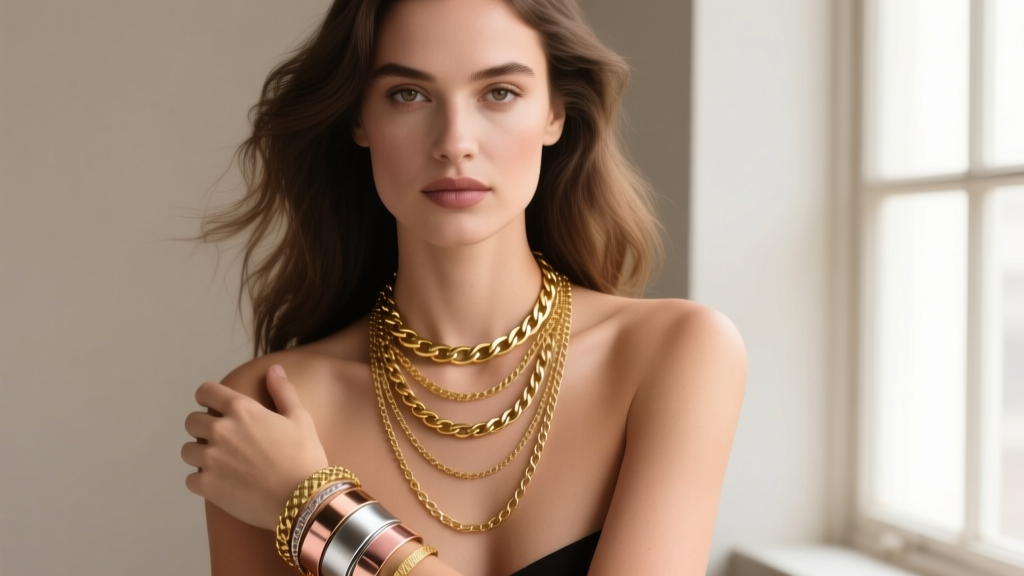
This framework uses a heavy, statement piece as the 'Anchor' and a delicate piece as the 'Echo'. For example, a 4.5mm Figaro chain necklace (18 inches) acts as the anchor. The 'Echo' is a 1.5mm Figaro bracelet layered with a 2.0mm Figaro bracelet. The shared weave pattern ties the look together, while the varied gauges prevent the styling from looking like a rigid, pre-packaged uniform. It introduces organic asymmetry while maintaining strict material cohesion.
2. The Rule of Odds in Stacking
When extending your necklaces bracelets system into a multi-piece stack, always default to odd numbers. If you are wearing one primary pendant necklace, stack three bracelets on your dominant wrist (e.g., a bead, a cable chain, and a flat-link chain). The human eye finds odd-numbered groupings more natural and less manufactured. Ensure the total combined gram weight of the wrist stack roughly equals the gram weight of the single necklace to maintain physical comfort and visual equilibrium.
'The modern jewelry collector doesn't just buy pieces; they build ecosystems. A necklace and a bracelet should feel like chapters of the same story, bound by identical metal tones, complementary weaves, and intentional hardware.' — 2026 Fine Jewelry Styling Symposium
Final Considerations on Length and Drape
Finally, the physical lengths of your pieces dictate how they interact with your wardrobe. For high-neck blouses and turtlenecks, a 20-to-22-inch necklace paired with a loose, 7.5-inch bracelet stack creates a relaxed, elongated silhouette. For open necklines and evening wear, a 15-inch choker paired with a tight, 6-inch wrist cuff draws the eye horizontally, emphasizing the collarbone and the radial artery. By mastering these gauge ratios, material grades, and styling frameworks, you can elevate your daily jewelry rotation from a random assortment of accessories into a masterclass of curated continuity.


