Sigil of Lucifer Necklace: Troubleshooting & Care Guide
Fix tarnishing, chain breakage, and skin reactions with our expert troubleshooting guide for your Sigil of Lucifer necklace.

The Anatomy of a Problematic Occult Pendant
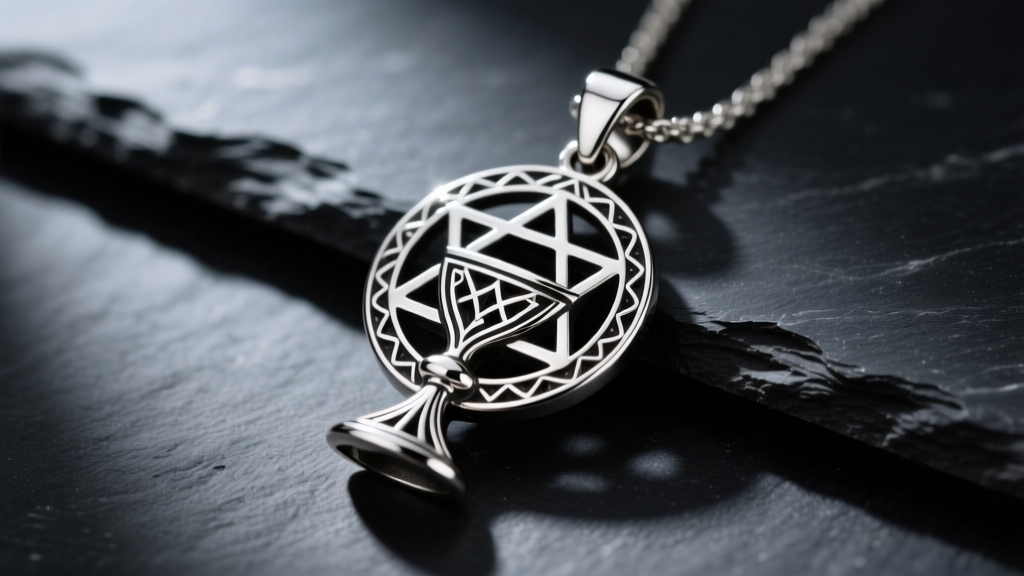
The Sigil of Lucifer, often referred to as the Seal of Lucifer, is a visually striking esoteric symbol characterized by its complex geometry: a chalice, a cross, and intersecting V and W shapes. While it is a highly sought-after motif in occult and alternative jewelry, its intricate design presents unique structural and metallurgical challenges. The deep recesses required to cast the chalice base and the sharp, intersecting lines of the sigil act as traps for sweat, dead skin cells, and environmental pollutants.
If you are experiencing rapid tarnishing, skin discoloration, or premature chain breakage with your sigil of lucifer necklace, the issue rarely stems from the esoteric nature of the piece itself. Instead, it is almost always a failure of material grading, improper chain tensile strength, or incorrect cleaning protocols. This troubleshooting guide addresses the most common physical failures associated with heavy, intricately cast occult pendants and provides actionable, metallurgical solutions to ensure your jewelry lasts a lifetime.
Troubleshooting Material Failures: Tarnish and the 'Green Neck'
The most frequent complaint among buyers of mass-produced occult jewelry is the dreaded 'green neck' or severe contact dermatitis. This is a chemical reaction, not an allergic one, and it points directly to the base metal used in the casting process.
Identifying Your Base Metal
Many budget-friendly sigil pendants are cast from Zamak (a zinc alloy containing aluminum, magnesium, and copper). Zamak is highly porous at a microscopic level. When worn against the skin, these microscopic pores trap lactic acid and sweat. The zinc and copper within the alloy react with these acids, producing copper chloride and zinc salts, which manifest as a green or black stain on your skin. Furthermore, if the pendant is merely 'silver-plated' over Zamak, the friction from daily wear will quickly strip the plating from the raised edges of the sigil, exposing the reactive base metal.
| Metal Grade | Composition & Traits | Tarnish Risk | Average Price Range |
|---|---|---|---|
| Zamak (Zinc Alloy) | Porous, lightweight, usually plated. Poor structural integrity. | Extreme (Causes green skin) | $10 - $25 |
| 316L Surgical Steel | Iron alloy with chromium & molybdenum. Highly corrosion-resistant. | Negligible | $25 - $45 |
| 925 Sterling Silver | 92.5% Silver, 7.5% Copper. Traditional, holds fine detail. | Moderate (Silver sulfide) | $60 - $120 |
| Solid Brass | Copper and zinc. Heavy, requires lacquer coating to prevent patina. | High (If unlacquered) | $30 - $55 |
The Fix: If your pendant is Zamak or plated brass, no amount of polishing will stop the skin reaction once the plating breaches. You must upgrade to solid 925 Sterling Silver (verified by a hallmark stamp) or solid 316L Stainless Steel. According to the Assay Office, a genuine silver hallmark guarantees the metallurgical purity required to avoid toxic base-metal reactions.
Structural Weak Points: Chain and Bail Troubleshooting
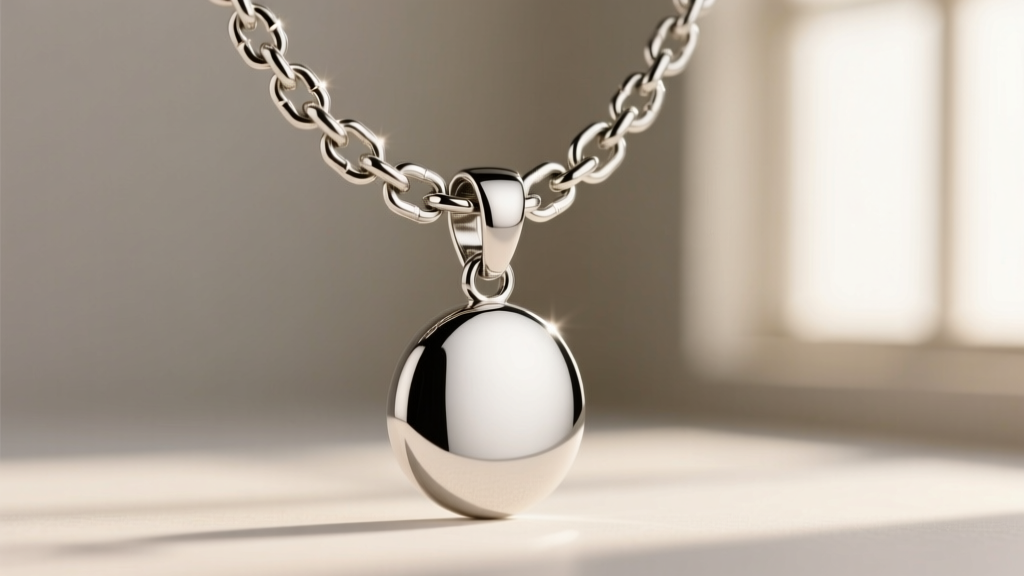
The Seal of Lucifer is a dense, top-heavy symbol. A solid metal pendant of this design (typically measuring 1.5 x 1.2 inches) can weigh anywhere from 15 to 30 grams. This weight creates a 'pendulum effect' as you move, placing immense kinetic stress on the chain and the bail (the loop connecting the pendant to the chain).
Sizing the Chain Gauge
A common failure mode is purchasing a heavy sigil pendant and hanging it on a delicate 1.2mm box chain or snake chain. According to jewelry supply experts at Halstead Bead, a standard 1.2mm box chain has a tensile strength of roughly 4 to 6 pounds. The repetitive swinging and sudden stops of a 30-gram pendant will quickly warp the links, leading to a catastrophic snap.
- For Pendants 10-15g: Use a 2.5mm to 3.0mm Curb or Figaro chain.
- For Pendants 15-30g: Use a 3.5mm to 4.5mm Cuban Link or Rope chain.
- Clasp Upgrade: Discard standard spring-ring clasps. They fail under heavy loads. Upgrade to a solid-cast Lobster clasp or a Toggle clasp for secure, weight-bearing closure.
Bail Friction and the 'Saw Effect'
Inspect the inside of your pendant's bail. If you are using a chain with sharp edges (like a square box chain), the weight of the sigil will cause the chain to act like a microscopic saw against the inside of the bail. Over time, this friction will carve a groove entirely through the metal, resulting in the loss of the pendant. Solution: Pair heavy pendants with chains that have smooth, rounded profiles, such as a rounded Curb or a smooth Rope chain, to distribute friction evenly.
Esoteric and Physical Cleansing Protocols
Because the Sigil of Lucifer features deep, sharp recesses, standard jewelry polishing cloths are useless; they simply glide over the raised edges and fail to reach the oxidized grime trapped in the chalice and cross grooves. Furthermore, many practitioners wish to cleanse their occult jewelry energetically, which often involves salt water—a practice that will rapidly destroy sterling silver and steel.
The Ion-Exchange Cleaning Method (With a Major Warning)
For solid sterling silver pendants that have accumulated severe silver sulfide tarnish (blackening), the aluminum foil and baking soda method is highly effective. This creates an electrolytic reaction that converts silver sulfide back into pure silver without removing any metal.
- Line a ceramic bowl with aluminum foil (shiny side up).
- Place the silver pendant on the foil.
- Sprinkle 2 tablespoons of baking soda over the pendant.
- Pour boiling water into the bowl until the pendant is submerged.
- Let it sit for 3-5 minutes, then remove with wooden tongs and rinse.
CRITICAL WARNING: Do NOT use this method if your sigil pendant features 'intentional oxidation' (antiquing). Many high-end occult jewelers use liver of sulfur to blacken the deep recesses of the sigil, making the geometric lines pop against polished raised edges. The ion-exchange method will strip this intentional patina, leaving the pendant looking flat and washed out.

Safe Cleaning for Antiqued/Oxidized Pendants
If your pendant has intentional dark crevices, you must rely on mechanical cleaning. Use a few drops of mild, phosphate-free dish soap and warm water. Take a soft-bristled baby toothbrush and gently agitate the bristles directly into the grooves of the V and W shapes. Rinse thoroughly and dry immediately with a microfiber cloth. Never use ultrasonic cleaners on antiqued jewelry, as the high-frequency vibrations can fracture the chemical patina.
Summary Checklist for Long-Term Wear
To ensure your sigil of lucifer necklace remains structurally sound and visually striking, perform this bi-annual troubleshooting checklist:
- Inspect the Bail: Look for thinning metal on the inner loop. If a groove is forming, have a jeweler solder a sterling silver or steel 'jump ring' inside the bail to act as a sacrificial wear layer.
- Check the Clasp Spring: Pull gently on the lobster clasp lever. If it feels sluggish or fails to snap back flush against the body, replace it immediately before the pendant drops.
- Avoid Chemical Traps: Remove the necklace before swimming in chlorinated pools or using household bleach. Chlorine reacts violently with the copper in sterling silver, causing irreversible structural embrittlement and stress-cracking along the sharp angles of the sigil.
By understanding the metallurgical and physical demands of heavy, intricately cast esoteric jewelry, you can transition your Sigil of Lucifer necklace from a fragile, problematic accessory into a permanent, resilient artifact of your personal style and practice.


