The Cross Necklace Cruel Intentions Aesthetic: 2026 Guide
Master the cross necklace Cruel Intentions aesthetic. Explore chain gauges, oxidized silver grades, and layering techniques for dark academia styling.

The Anatomy of the *Cruel Intentions* Cross Necklace
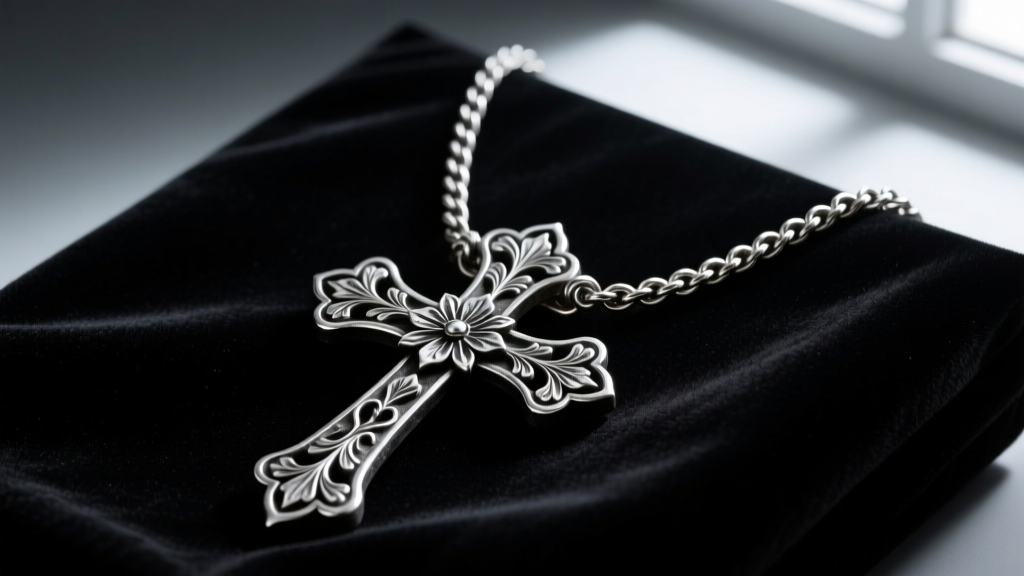
The enduring legacy of late-90s cinema continues to dictate alternative jewelry trends well into 2026. When building a cross necklace cruel intentions inspired look, you are not merely shopping for a religious symbol; you are curating a specific intersection of dark academia, Y2K gothic, and aristocratic edge. The iconic aesthetic popularized by characters like Sebastian Valmont relies heavily on visual weight, deliberate oxidation, and a rebellious layering technique. However, the market is flooded with flimsy, fast-fashion replicas that tarnish poorly and snap under their own weight. To truly capture this aesthetic, one must understand the metallurgy, chain architecture, and hardware mechanics that separate a premium gothic staple from a disposable accessory.
Metallurgy: Oxidized 925 Silver vs. Blackened Brass
The foundation of any high-quality dark academia cross pendant is its base metal and subsequent patina treatment. The most authoritative standard for this aesthetic is oxidized 925 sterling silver. According to the Gemological Institute of America (GIA), sterling silver contains 92.5% pure silver and 7.5% alloy (usually copper). The copper content is precisely what allows for controlled oxidation.
Jewelers achieve the signature blackened look by submerging the finished silver cross in a heated solution of Liver of Sulfur (potassium sulfide). This creates a layer of silver sulfide on the surface. A master silversmith will then use a polishing cloth to buff only the high-relief areas (the edges and raised floral or gothic motifs), leaving the recessed crevices pitch black. This creates the "halo effect"—a stark, high-contrast visual that defines the *Cruel Intentions* aesthetic.
Budget Alternative: If 925 silver is out of reach, look for C26000 cartridge brass with a black rhodium or black nickel plating. Avoid "Tibetan Silver" or generic zinc alloys, which are often lead-laced, lightweight, and prone to catastrophic pitting when exposed to skin acidity.
Chain Architecture: Gauge, Drape, and Hardware
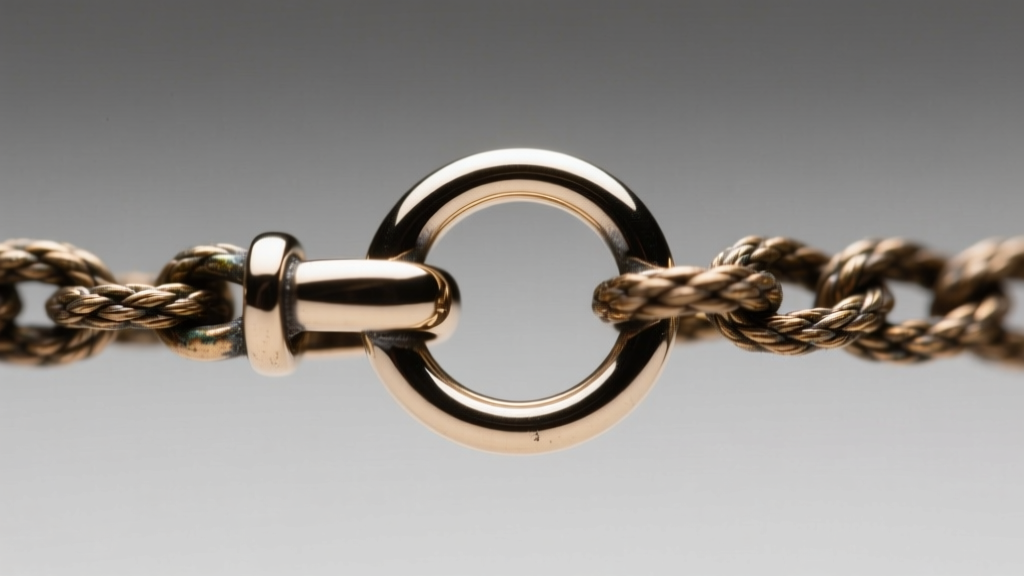
A heavy, ornate cross pendant requires a chain that can support its mass without compromising the drape. The *Cruel Intentions* look demands presence; a 1.0mm thread-like chain will look entirely disproportionate beneath a 20-gram gothic cross. For this aesthetic, you must target chains in the 2.5mm to 4.0mm range.
| Chain Style | Ideal Gauge (mm) | Weight per Inch | Aesthetic Vibe | Max Pendant Weight |
|---|---|---|---|---|
| Rope Chain | 2.5mm - 3.5mm | ~0.8g | Classic Y2K, Textured, Reflective | Up to 25g |
| Heavy Curb | 3.0mm - 4.0mm | ~1.2g | Industrial, Punk, Aggressive | Up to 35g |
| Rosary Bead | 2.0mm - 2.5mm | ~0.4g | Traditional Gothic, Aristocratic | Up to 12g |
When sourcing chains, suppliers like Rio Grande emphasize the importance of matching the chain's tensile strength to the pendant's bail (the loop the chain passes through). A 3mm rope chain offers exceptional tensile strength due to its interlocking twisted links, making it the superior choice for heavy, solid-cast silver crosses.
The Valmont Layering Framework
The quintessential *Cruel Intentions* styling involves layering multiple necklaces of varying lengths and textures. However, improper layering leads to severe tangling, bail friction, and a cluttered neckline. To execute this flawlessly, employ the 4-Inch Differential Rule.
Step-by-Step Layering Math
- Layer 1 (The Choker/Base): 16-inch oxidized bead chain with a small, subtle crucifix or signet ring. Sits flush against the collarbone.
- Layer 2 (The Focal Point): 20-inch heavy rope chain featuring a 2-inch ornate, floral-engraved gothic cross. Sits mid-chest.
- Layer 3 (The Anchor): 24-inch matte blackened brass curb chain with a heavy, unadorned dagger or large plain cross. Sits near the sternum.
By maintaining a strict 4-inch gap between each chain, you prevent the pendants from colliding and scratching one another. Furthermore, mixing chain textures (bead + rope + curb) reduces the friction coefficient between the metals, significantly decreasing the likelihood of knotting.

Hardware & Failure Points: What to Inspect
The most common failure mode in alternative jewelry is hardware degradation. When purchasing a premium cross necklace, inspect the clasp and jump rings meticulously.
Expert Insight: Never trust a spring-ring clasp on a pendant weighing over 10 grams. The internal tension spring in a standard 4mm spring ring is notoriously weak and will snap under the dynamic load of a swinging heavy cross. Always upgrade to a 5mm or 7mm solid-cast lobster clasp.
Additionally, examine the jump ring (the small circular ring connecting the clasp to the chain). On high-quality pieces, this jump ring will be soldered shut, meaning there is no visible slit where the metal meets. If the jump ring is merely pinched closed, the heavy cross will eventually wedge into the slit and pry the ring open, resulting in lost jewelry.
Maintenance: Preserving the Oxidized Patina
The high-contrast black-and-silver finish of a *Cruel Intentions* style cross requires specific maintenance. The oxidized layer (silver sulfide) is a surface treatment, not a permanent plating. Over time, friction from clothing and skin oils will naturally polish the high points, which is desirable. However, you must protect the recessed black areas.
- Never use liquid silver dips (like Tarn-X). These harsh chemical baths will strip the intentional Liver of Sulfur oxidation entirely, leaving you with a flat, bright white cross that loses all its gothic depth.
- Use a microfiber cloth or a treated polishing cloth (like a Sunshine cloth) only on the raised edges. Avoid pressing the cloth into the engraved crevices.
- Seal the recesses: For museum-quality preservation, some artisan jewelers apply a micro-thin layer of Renaissance Wax into the blackened crevices to lock out moisture and skin oils, ensuring the dark patina survives for decades.
Sourcing & Price Matrix
To achieve this look, you must navigate a market segmented by manufacturing quality. Here is what you should expect to pay for authentic, durable pieces in 2026:
- Fast Fashion / Dropshipped ($15 - $35): Zinc alloy with black enamel paint. Verdict: Avoid. The paint will chip within weeks, revealing cheap grey metal underneath.
- Mid-Tier Alternative Brands ($60 - $120): 925 Sterling silver with chemical oxidation, but often featuring hollow-cast pendants to save on metal weight. Verdict: Acceptable for occasional wear, but hollow pendants dent easily if dropped.
- Artisan Silversmiths / Vintage ($150 - $400+): Solid-cast 925 silver, deep Liver of Sulfur oxidation, hand-engraved floral motifs, and soldered heavy rope chains. Verdict: The only tier that truly captures the indestructible, heirloom-quality essence of the *Cruel Intentions* aesthetic.
By prioritizing solid metallurgy, correct chain gauges, and intentional layering mathematics, you elevate the cross necklace from a fleeting Y2K costume piece into a permanent, sophisticated pillar of your dark academia wardrobe.


