The 2026 Pyramid Necklace Gift Guide: Occasions & Styling
Discover the perfect pyramid necklace for every occasion. Our 2026 gift guide covers materials, chain pairings, and sacred geometry styling.

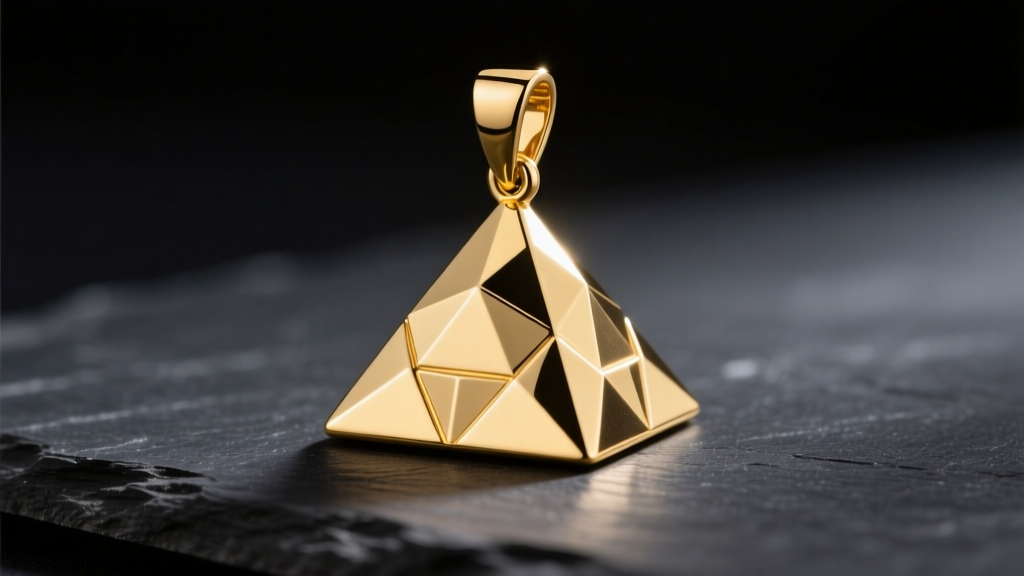
The Resurgence of Sacred Geometry in Modern Jewelry
The pyramid necklace has transcended its niche spiritual origins to become a staple of contemporary architectural jewelry. As we move through 2026, the demand for geometric pendants has surged, driven by a cultural shift toward minimalist, meaning-driven accessories. Whether you are shopping for a spiritually minded friend, an edgy fashion enthusiast, or a partner celebrating a milestone, the pyramid offers a universally compelling silhouette. However, gifting a pyramid necklace requires more than just picking a shiny triangle. Understanding the nuances of metallurgy, manufacturing techniques, and chain mechanics is essential to selecting a piece that will endure both physically and stylistically.
This comprehensive gift guide breaks down the exact specifications, material grades, and styling frameworks you need to match the perfect pyramid pendant to your recipient and their specific occasion.
Manufacturing & Metallurgy: What You Are Actually Buying
Not all pyramid pendants are created equal. The manufacturing method dictates the weight, durability, and ultimately the price of the piece. When evaluating a pyramid necklace for a gift, always check the product specifications for these two critical factors:
Lost-Wax Casting vs. Die-Striking
Premium pyramid pendants are typically lost-wax cast. This process results in a solid, three-dimensional piece with substantial weight. A solid 15mm 14k gold pyramid pendant should weigh between 3.5 and 5.5 grams. This weight gives the piece a luxurious drape and ensures it won't easily dent. Conversely, mass-market die-struck or stamped pyramids are hollow-backed. While they are lighter and cheaper (often under $80 in sterling silver), they are highly susceptible to crushing and lack the premium tactile feedback expected in fine jewelry.
Material Grades and Alloys
- 14k & 18k Solid Gold: The gold standard for anniversaries and milestones. 14k offers superior scratch resistance due to its higher alloy content, while 18k provides a richer, deeper yellow hue. According to the Federal Trade Commission (FTC) Jewelry Guides, ensure the piece is properly stamped (e.g., 14K or 585) to guarantee the karatage.
- 925 Sterling Silver: Ideal for graduation or birthday gifts. Look for rhodium-plated 925 silver, which provides a tarnish-resistant barrier and a bright white finish that mimics platinum.
- ASTM F136 Titanium: The ultimate choice for recipients with metal sensitivities or active lifestyles. This surgical-grade alloy is hypoallergenic, exceptionally lightweight, and boasts a modern, gunmetal-grey aesthetic.
The Occasion Matrix: Matching the Pendant to the Moment
To streamline your gifting decision, we have developed a matrix that aligns specific pyramid necklace configurations with the most appropriate occasions and recipient profiles.
| Occasion | Ideal Material | Pyramid Size & Style | Chain Recommendation | Estimated Price Range |
|---|---|---|---|---|
| Anniversary / Milestone | 18k Yellow Gold | 12mm - 15mm, Solid Cast | 1.5mm Box Chain | $350 - $600 |
| Graduation / New Career | Rhodium-Plated 925 Silver | 10mm - 12mm, Sleek Polish | 1.2mm Rolo Chain | $80 - $150 |
| Spiritual / Wellness Retreat | Silver with Obsidian Inlay | 15mm, Bezel-Set Cabochon | 2.0mm Cotton Cord or Cable | $120 - $250 |
| Edgy Streetwear / Everyday | ASTM F136 Titanium | 8mm - 10mm, Matte Finish | 1.5mm Cuban Link | $90 - $180 |
Gemstone Inlays: Navigating Mohs Hardness and Care
Many pyramid necklaces feature a base of precious metal inlaid with a gemstone on one or more faces. While visually striking, these require careful consideration regarding the recipient's lifestyle. The Gemological Institute of America (GIA) notes that popular spiritual stones like black obsidian and lapis lazuli have relatively low Mohs hardness ratings (5 to 6.5).
If you are gifting an obsidian-inlaid pyramid, ensure the stone is set in a flush bezel rather than a raised prong setting, which leaves the fragile volcanic glass exposed to chipping. Furthermore, warn your recipient that lapis lazuli contains calcite, making it highly sensitive to acidic cleaners and ultrasonic jewelry baths. For a low-maintenance gift, opt for a solid metal pyramid or one inlaid with black onyx (Mohs 7), which offers a similar dark aesthetic with significantly better scratch resistance.
Chain Pairings and Bail Mechanics
A common mistake when gifting pendants is overlooking the chain. The structural integrity of a pyramid necklace relies heavily on the relationship between the pendant's weight and the chain's tensile strength.
Weight Distribution
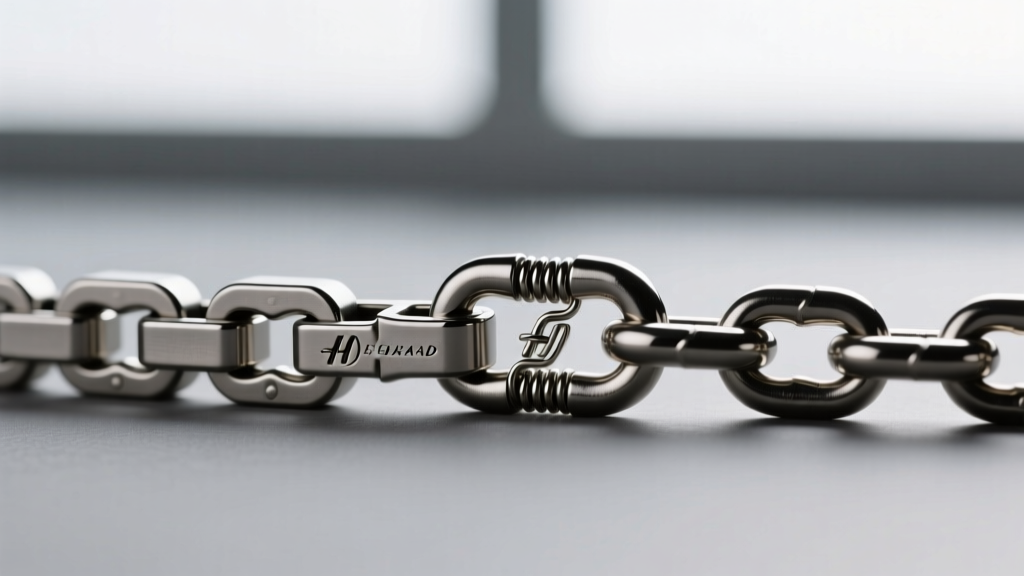
A solid gold or silver pyramid is denser than a flat disc pendant of the same diameter. A 4-gram pyramid pendant will easily snap a delicate 0.9mm cable chain over time due to the concentrated friction at the bail. For any solid metal pyramid over 2.5 grams, you must pair it with a minimum 1.5mm box chain or a 1.5mm rolo chain. Box chains are particularly effective for geometric pendants because their square links mirror the architectural lines of the pyramid.
The Bail Factor
Pay attention to the bail (the loop connecting the pendant to the chain). A standard loop bail adds roughly 4mm to the overall drop length and allows the pyramid to swing freely. A hidden bail (a tube drilled directly through the top of the pyramid) allows the piece to sit flush and stationary against the sternum, offering a highly modern, minimalist look that is currently dominating 2026 trend forecasts.
Styling and Layering Frameworks
The pyramid necklace is incredibly versatile when it comes to layering, provided you follow the rules of spatial distribution. Because the pyramid is a bold, directional shape, it should act as the anchor piece in any stack.

The 2-Inch Layering Rule
To prevent tangling and visual clutter, maintain a minimum 2-inch gap between chains. If you are gifting a complete stack, consider this configuration:
- Base Layer (14-15 inches): A delicate 1.0mm satellite chain or a simple pearl choker.
- Anchor Layer (16-17 inches): The 12mm pyramid pendant on a 1.5mm box chain.
- Extension Layer (18-20 inches): A minimalist lariat or a simple horizontal bar pendant to draw the eye downward and elongate the neckline.
For men's styling or streetwear aesthetics, a single 10mm titanium or oxidized silver pyramid on a 22-inch, 2.0mm Cuban link chain provides an understated but masculine focal point that rests perfectly below the collarbone.
Final Gifting Considerations
When presenting a pyramid necklace, the packaging should reflect the architectural nature of the piece. Avoid soft, unstructured pouches that allow the pendant to scratch against the chain. Instead, opt for a slotted leather travel case or a structured presentation box that keeps the chain separated from the pendant. By paying close attention to the casting method, gemstone hardness, and chain mechanics, you elevate the pyramid necklace from a simple geometric trinket to a highly considered, enduring piece of fine jewelry that your recipient will treasure for decades.


