Amber Teething Necklace Benefits: Value & Safety Guide
We assess amber teething necklace benefits, comparing Baltic amber prices, safety features, and real value against pediatric safety warnings.

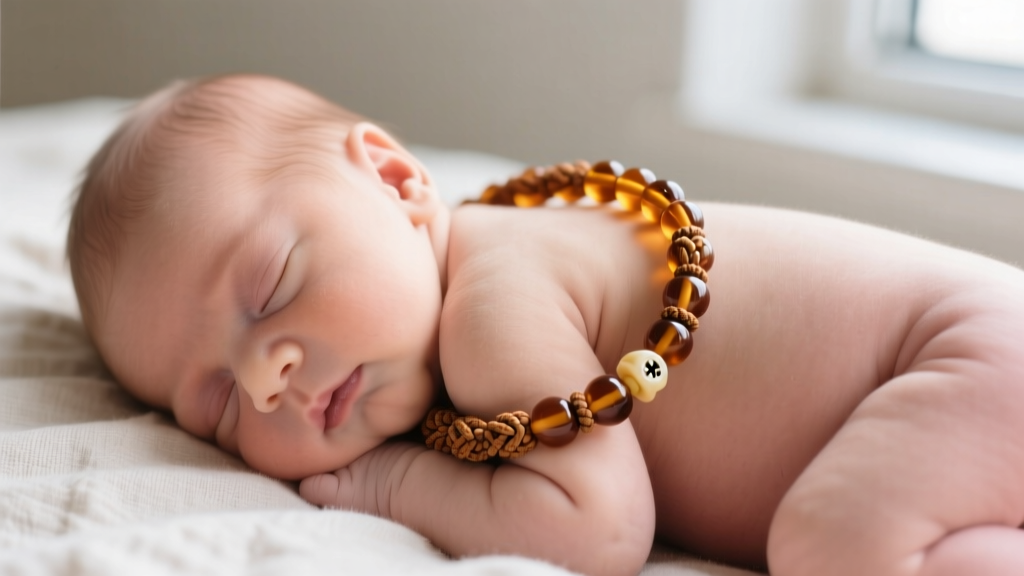
The Reality of Amber Teething Necklace Benefits
When evaluating infant care products, parents are often caught between soothing a fussy baby and managing a tight household budget. Among the most debated items in the nursery market is the Baltic amber teething necklace. Proponents claim that amber teething necklace benefits range from natural pain relief to reduced inflammation, driven by the release of succinic acid when the resin warms against the skin. However, as a jewelry style and value radar, we must separate marketing mythology from material science, safety realities, and actual financial value.
Baltic amber (Succinite) is a fossilized tree resin dating back 44 million years. It contains between 3% and 8% succinic acid by weight. The prevailing commercial theory suggests that a baby’s body heat (approximately 98.6°F) causes the amber to release trace oils, which are then absorbed subdermally to act as a mild analgesic. From a strict biochemical perspective, the transdermal absorption rate of succinic acid from solid amber at human body temperature is negligible. Therefore, when assessing the budget and value of these necklaces, we must look beyond the chemical claims and evaluate the tactile benefits, the placebo effect for parental peace of mind, and the stringent safety engineering required to make them viable.
Pricing Tiers: What Are You Actually Paying For?
The market for amber baby jewelry is notoriously opaque. Prices can range from $12 to over $75, leaving budget-conscious parents wondering if the premium options offer better safety or if the cheaper ones are sufficient. Understanding the pricing structure is critical to avoiding overpriced fakes or dangerously cheap knockoffs.
| Tier | Price Range | Material & Finish | Value Assessment |
|---|---|---|---|
| Mass-Market | $12 - $18 | Polished, often Copal or dyed plastic | Poor Value. High risk of counterfeit materials and inadequate safety knotting. |
| Authentic Unpolished | $22 - $35 | Raw Baltic Amber, matte finish | Best Value. Unpolished beads retain more surface succinic acid and are cheaper to produce. |
| Premium Polished | $35 - $55 | Genuine Baltic, hand-polished, premium clasps | Fair Value. You are paying for the aesthetic labor of polishing, not increased teething efficacy. |
| Designer / Multi-Gem | $60 - $90+ | Amber mixed with turquoise, amethyst, etc. | Low Teething Value. High aesthetic markup; mixed stones reduce the overall amber surface area. |
For parents strictly focused on the purported benefits and budget efficiency, raw, unpolished Baltic amber in the $22 to $35 range offers the highest return on investment. The matte texture is also gentler on sensitive infant gums if the baby manages to bring the beads to their mouth (though this should be actively discouraged for safety reasons).
Authenticity & Value: Spotting Fake Baltic Amber
The greatest threat to your budget is purchasing counterfeit amber. Unscrupulous manufacturers frequently use Copal (a much younger, immature resin that degrades quickly), dyed glass, or molded phenolic resins. If you are paying for the specific benefits of Baltic amber, you must verify the material.
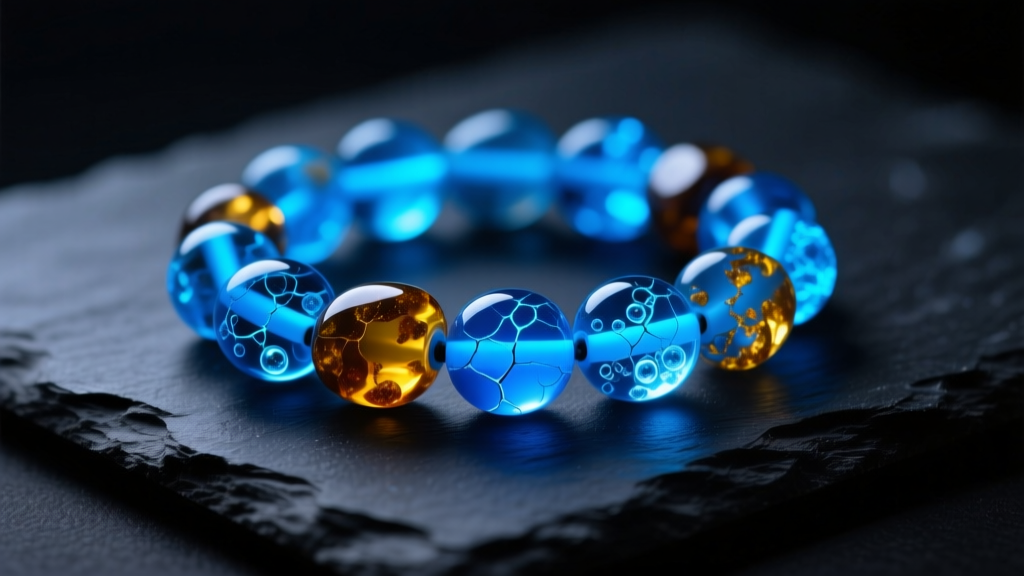
Three At-Home Authenticity Tests
- The Saltwater Float Test: Dissolve 7 teaspoons of salt in a cup of warm water. Genuine Baltic amber has a specific gravity of 1.05-1.10, meaning it will float in a saturated salt solution but sink in plain tap water. Most plastics and glass will sink in both.
- The UV Fluorescence Test: Under a standard UV blacklight, authentic Baltic amber will fluoresce a pale blue or greenish-blue color. Copal will fluoresce a bright, chalky white, while plastic will not fluoresce at all.
- The Friction Test: Vigorously rub the amber beads against a soft wool cloth for 30 seconds. Real amber will develop a static charge and attract small pieces of tissue paper or loose hair. Plastic will not hold a static charge in the same manner.
Note: Never use the "hot pin" or "acetone" tests on a finished necklace, as these will permanently damage the resin and ruin the silk threading, destroying the value of your purchase.
The Safety ROI: Weighing Benefits Against Pediatric Warnings
No budget or value assessment of infant jewelry is complete without addressing the elephant in the room: safety. The U.S. Food and Drug Administration (FDA) and the American Academy of Pediatrics (AAP) strongly advise against the use of any teething jewelry, including amber necklaces, due to severe risks of strangulation and choking.
To extract any value from these necklaces while mitigating catastrophic risks, parents must treat them as highly regulated tools rather than mere accessories. If you choose to invest in one, the construction must meet exacting safety standards:
- Individual Micro-Knotting: Every single bead must be separated by a tight, hand-tied knot. This ensures that if the primary cord snaps, only one bead is released, eliminating the choking hazard of a cascade of loose beads.
- Breakaway or Screw Clasps: The clasp must be engineered to yield under 5 to 7 pounds of pressure. Pop-bead style safety clasps are superior to standard screw clasps, which can catch on crib rails and fail to release during a strangulation event.
- Cord Material: Look for high-tensile nylon or reinforced silk. Standard cotton thread degrades when exposed to saliva and moisture, increasing the likelihood of a catastrophic snap.
Expert Verdict on Safety ROI: The financial cost of a $30 amber necklace is negligible compared to the medical and emotional costs of an airway emergency. If you cannot commit to 100% active supervision while the baby is awake, and immediate removal before naps or bedtime, the value of the necklace drops to zero. Many experts recommend converting the necklace into an anklet (tucked securely under a sleeper) to maintain skin contact while entirely removing the strangulation risk.
Maintenance and Longevity
To protect your financial investment, proper care is essential. Amber is remarkably soft, scoring only a 2 to 2.5 on the Mohs hardness scale (for comparison, a fingernail is a 2.5). It will scratch easily if stored loosely in a jewelry box with metal items. Furthermore, prolonged exposure to lotions, baby oils, and harsh soaps will create a cloudy, white film on the surface of the beads, blocking the very properties you paid for. Clean the necklace weekly using only a soft, damp flannel cloth and warm water, and store it in a dedicated microfiber pouch.
Budget-Friendly & Safe Alternatives
If the safety warnings and strict supervision requirements make amber necklaces a poor value proposition for your family, where should your teething budget go instead? Pediatricians and experts at the Mayo Clinic recommend redirecting funds toward items that provide direct, safe mechanical relief to the gums.
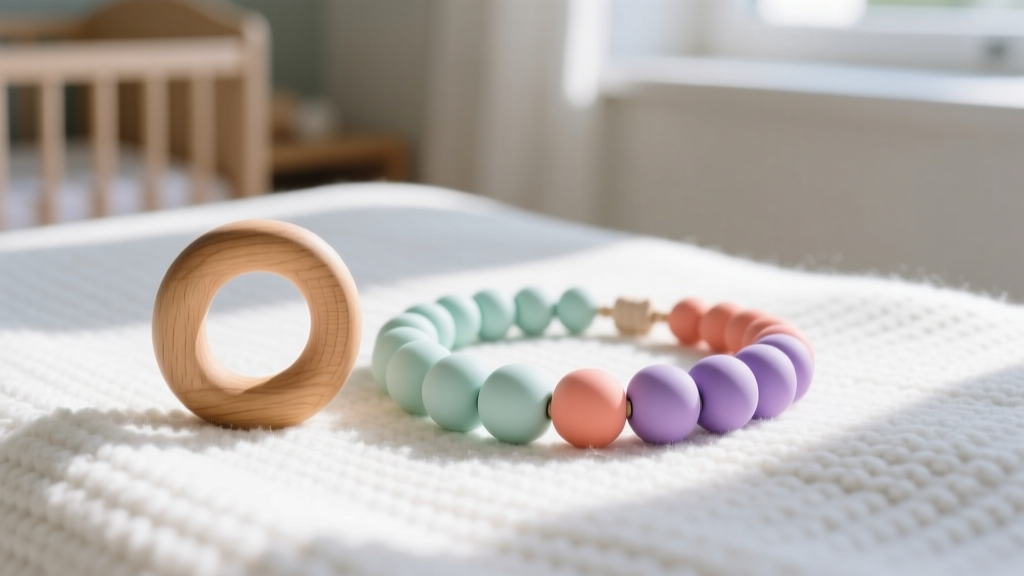
- Food-Grade Silicone Teethers ($10 - $18): Unlike amber, silicone can be safely chilled in the refrigerator (not the freezer, which can cause frostbite on infant gums). The cold temperature provides clinically proven vasoconstriction, numbing the gums and reducing inflammation far more effectively than room-temperature succinic acid.
- Natural Beech Wood Rings ($8 - $15): Untreated, sanded beech wood provides a firm, splinter-free surface for babies to chew on, satisfying the deep pressure craving that accompanies tooth eruption.
- Damp Washcloth Method ($0): Wet a clean washcloth, wring it out, twist it into a rope, and chill it in the fridge for 20 minutes. This offers superior textural relief and costs absolutely nothing, representing the ultimate budget victory.
Final Value Verdict
When assessing the true amber teething necklace benefits through a lens of budget and value, the conclusion is nuanced. From a purely scientific standpoint, the analgesic benefits of succinic acid absorption remain unproven, making the necklace a placebo for parents and a tactile distraction for infants. Financially, raw, unpolished Baltic amber in the $25 range offers the best material value, provided you rigorously test it for authenticity. However, when factoring in the stringent safety protocols required to mitigate strangulation risks, the overall "value" of the necklace is heavily compromised for most modern households. For parents seeking guaranteed relief and maximum budget efficiency, high-quality chilled silicone alternatives remain the undisputed champions of the nursery.


