Sonic Necklace Buying Guide: What to Look For in 2026
Discover what to look for when buying a sonic necklace in 2026. Compare soundwave engraving techniques, smart wellness pendants, and premium metals.

The Evolution of the Sonic Necklace in 2026
The term 'sonic necklace' has evolved dramatically over the last few years. As we navigate the jewelry landscape in 2026, this category now represents a fascinating intersection of sentimental craftsmanship and cutting-edge wearable technology. Whether you are searching for a custom soundwave-engraved pendant to capture a loved one's voice, or a smart haptic wellness necklace designed to stimulate the vagus nerve for stress relief, understanding the nuances of this niche is critical before making a purchase.
Unlike traditional pendants, a sonic necklace requires buyers to evaluate not just the metallurgical quality of the chain and setting, but also the precision of audio-visual engraving or the efficacy of internal haptic motors. This comprehensive buying guide will break down exactly what to look for, ensuring your investment meets both aesthetic and functional benchmarks.
Two Distinct Categories: Aesthetic vs. Functional
Before diving into materials and specs, it is vital to define which type of sonic jewelry you are actually shopping for. The market is currently split into two distinct camps:
1. Custom Soundwave Engraved Necklaces (Aesthetic)
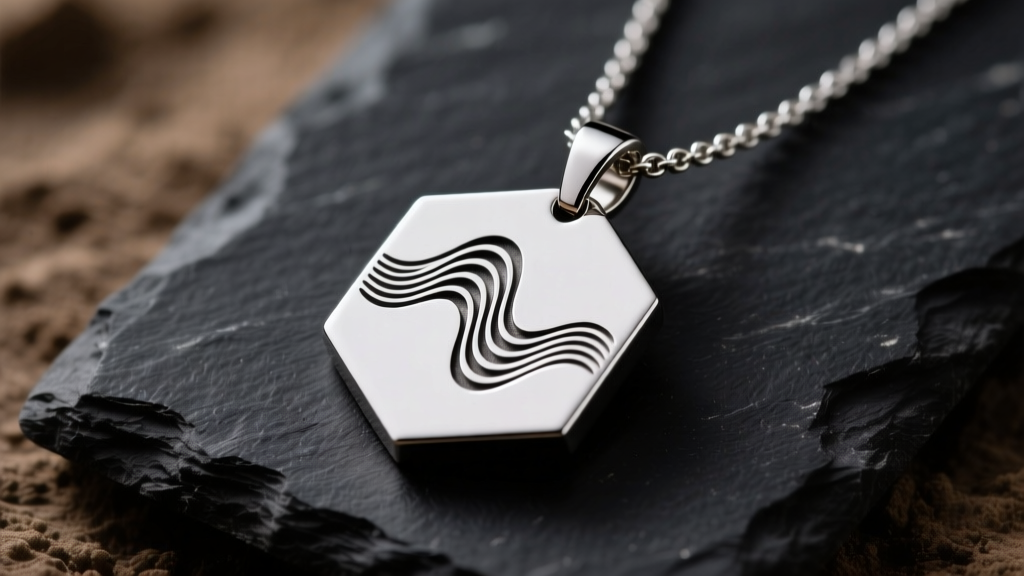
These pieces transform a digital audio file—a baby's first heartbeat, a wedding vow, or a pet's purr—into a visual waveform. The waveform is then permanently etched onto the surface of a metal pendant. The primary value here lies in the emotional resonance and the precision of the laser engraving, which dictates how clearly the soundwave can be read or scanned via companion apps.
2. Sonic Vibration Wellness Pendants (Functional)
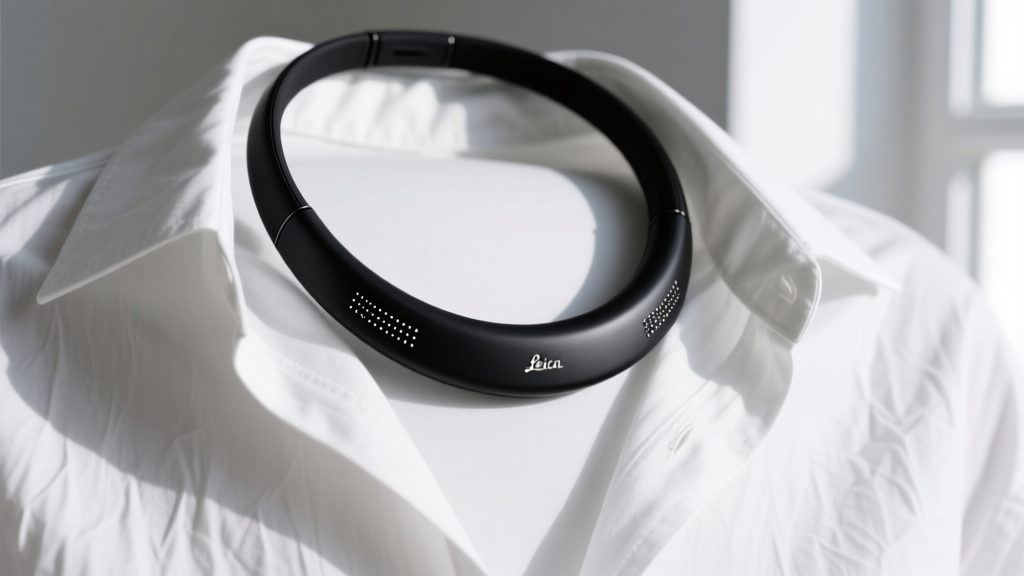
Bridging the gap between jewelry and biohacking, these necklaces house micro-haptic motors that emit low-frequency sonic vibrations (typically between 30Hz and 100Hz). According to research indexed by the National Institutes of Health (NIH), targeted vagus nerve stimulation via haptic feedback can significantly reduce cortisol levels and improve heart rate variability (HRV). These pieces look like minimalist, sleek pendants but act as personal nervous system regulators.
Material Grades: What Touches Your Skin
Because sonic necklaces—particularly the tech-enabled ones—often rest directly against the sternum or collarbone for extended periods, material biocompatibility is non-negotiable. The Gemological Institute of America (GIA) emphasizes that understanding metal alloys is crucial for preventing contact dermatitis, especially when body heat and friction are involved.
| Material | Grade / Purity | Best Use Case | Durability & Weight |
|---|---|---|---|
| Titanium | Grade 23 (Ti-6Al-4V ELI) | Smart wellness pendants, sensitive skin | Ultra-lightweight, hypoallergenic, scratch-resistant |
| Stainless Steel | 316L Surgical | Budget-friendly soundwave engravings | Heavy, durable, may contain trace nickel |
| Solid Gold | 14k or 18k (Yellow/White/Rose) | Heirloom soundwave jewelry, luxury gifts | Soft (prone to micro-scratches), heavy, premium |
| Ceramic Zirconia | High-Tech Ceramic | Modern tech housings, scratch-proof casings | Lightweight, shatter-resistant, smooth finish |
Engraving Tech: Fiber Laser vs. CNC Milling
If you are purchasing a soundwave necklace, the manufacturing method dictates the longevity and clarity of the design. Avoid cheap rotary engraving tools, which leave jagged edges and shallow grooves that wear away within a year of daily friction.
- 1064nm Fiber Laser Engraving: The gold standard for 2026. This method uses a focused infrared beam to anneal the metal, creating a permanent, high-contrast mark without removing material. It achieves depths of 0.05mm to 0.15mm, ensuring the waveform is legible to smartphone cameras for audio playback apps.
- CNC Micro-Milling: Used primarily for 3D topographical soundwaves. A microscopic bit carves the wave into the metal. This creates a tactile, physical ridge you can feel with your fingertips, but it is more expensive and limited to thicker pendant blanks (minimum 2.5mm thickness).
Smart Sonic Pendants: Internal Specifications
For those investing in a functional sonic wellness necklace, the internal architecture is just as important as the exterior shell. When reviewing product spec sheets, look for these specific components:
Linear Resonant Actuators (LRA) vs. ERM
Older wearable tech used Eccentric Rotating Mass (ERM) motors, which feel like a clunky, buzzing cell phone. In 2026, premium sonic necklaces utilize Linear Resonant Actuators (LRAs). LRAs use magnetic voice coils to push a mass back and forth, creating crisp, precise, and silent low-frequency sonic waves (e.g., exactly 40Hz for gamma wave entrainment) that penetrate the tissue to stimulate the vagus nerve without annoying surface buzzing.
Battery and Waterproofing
Because these necklaces are worn during sleep, workouts, and showers, an IP68 water resistance rating is mandatory. Look for pendants that utilize magnetic induction charging rather than exposed USB-C ports, which are prone to sweat corrosion and short-circuiting over time. Expect a minimum of 72 hours of battery life on a single charge for top-tier models.
Chain Engineering: Supporting the Weight
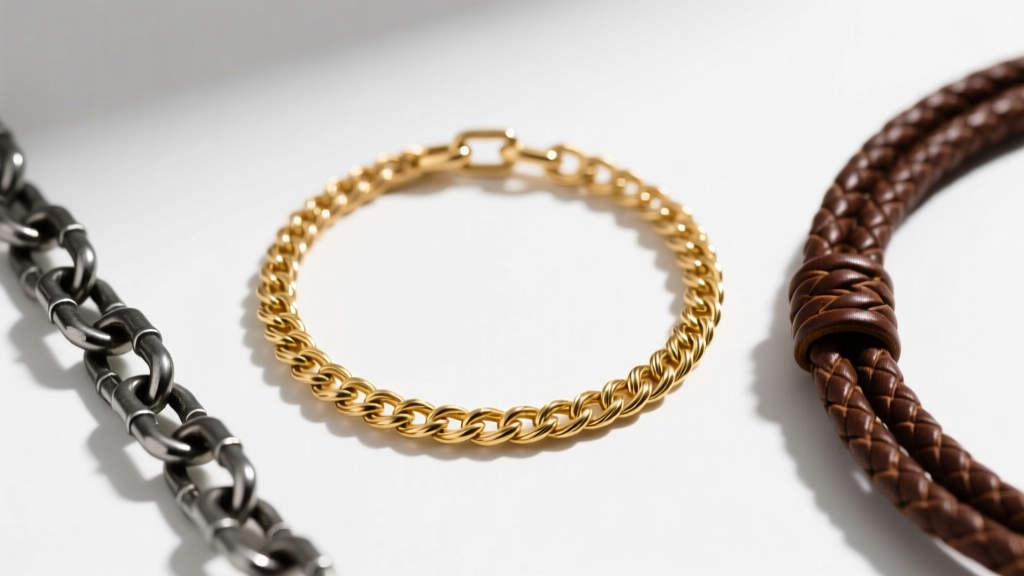
A common failure point in sonic jewelry is the chain. Tech-enabled sonic pendants typically weigh between 18 and 35 grams due to the internal battery and haptic motors. A delicate 1mm cable chain will snap under this dynamic load.
Pro Tip: Always pair heavy sonic pendants with a 2.5mm to 3.5mm Box Chain or Rolo Chain. These styles distribute weight evenly across the links and resist kinking when the pendant shifts during movement.
Furthermore, consider the clasp. If you are buying a sonic wellness necklace for anxiety management or for someone with limited dexterity, a neodymium magnetic clasp is vastly superior to a traditional lobster clasp. Ensure the magnetic clasp includes a secondary safety catch to prevent loss during vigorous activity.
Pricing Tiers: What Should You Actually Pay?
The market is flooded with dropshipped imitations. Use this pricing framework to gauge authenticity and quality in 2026:
- Tier 1: Budget Soundwave ($35 - $80) Usually 316L stainless steel with basic laser etching. Good for casual wear, but the laser contrast may fade.
- Tier 2: Premium Soundwave ($120 - $400) Solid 14k gold or platinum, featuring deep CNC milling or high-contrast fiber laser annealing. Often includes a scannable QR code on the reverse side linked to a secure audio server.
- Tier 3: Entry-Level Sonic Tech ($150 - $250) Basic haptic feedback, ERM motors, plastic or low-grade steel housings. App integration is often buggy.
- Tier 4: Clinical-Grade Sonic Wellness ($300 - $600+) Grade 23 Titanium or High-Tech Ceramic housings, LRA motors, IP68 rating, FDA-registered wellness claims, and seamless biometric app syncing.
Final Verdict & Care Instructions
Whether you are preserving a precious memory through soundwave engraving or investing in your daily nervous system regulation via haptic technology, the sonic necklace category offers profound value when chosen correctly. Prioritize Grade 23 Titanium or Solid Gold for longevity, insist on LRA motors for tech pieces, and never compromise on chain thickness. To maintain your piece, clean soundwave engravings weekly with a soft microfiber cloth and mild dish soap to prevent sebum buildup in the grooves, and always remove tech-enabled pendants before entering a sauna or hot tub to protect the internal battery cells.


