Megalodon Tooth Necklace Southern Charm: Budget & Value
Evaluate the true cost of a megalodon tooth necklace. Our 2026 Southern Charm value guide breaks down fossil grades, settings, and pricing tiers.

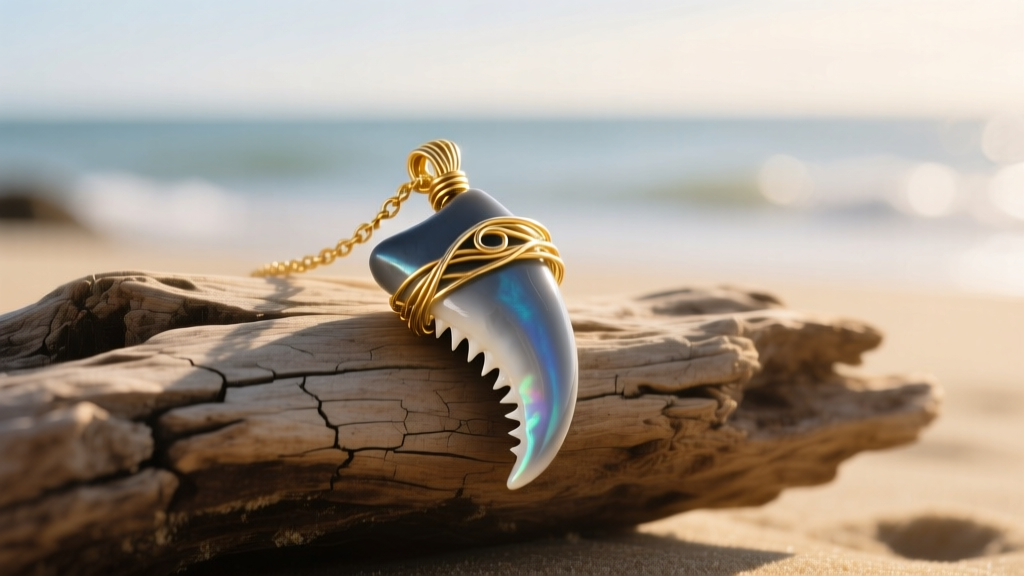
The Allure of Coastal Fossil Jewelry
The intersection of ancient natural history and refined regional aesthetics has given rise to one of the most captivating trends in coastal jewelry: the megalodon tooth necklace southern charm aesthetic. Rooted in the rich fossil beds of the American Southeast—particularly the Cooper River in South Carolina and the Lee Creek Mine in North Carolina—this style transforms prehistoric apex predator teeth into sophisticated statement pieces. But as demand surges in 2026, the market has become saturated with everything from museum-grade specimens to cheap resin replicas.
For collectors and jewelry enthusiasts alike, understanding the true budget and value of these pieces is critical. The 'Southern Charm' aesthetic isn't just about stringing a raw tooth on a leather cord; it involves integrating rugged paleontology with traditional Southern jewelry motifs, such as sterling silver rope borders, gold-filled filigree, and intricate wire weaving. According to FossilEra, a leading authority on paleontology specimens, the value of a megalodon tooth is dictated by a strict set of geological and aesthetic criteria that directly impacts the final retail price of the jewelry.
Decoding Megalodon Tooth Value: The 4 C’s of Fossils
Before assessing the metalwork and chain quality, you must evaluate the fossil itself. Jewelers and paleontologists grade megalodon teeth using a framework similar to gemstones, focusing on four distinct characteristics:
1. Size and Proportion
Megalodon teeth are measured diagonally from the corner of the root to the tip of the blade. For necklace pendants, the sweet spot is between 2.0 and 3.5 inches. Teeth under 2 inches are considered juvenile and are mass-produced for low-end tourist shops ($15–$30). Teeth over 4 inches are incredibly heavy, requiring industrial-strength bails and thick chains, pushing them into the collector/museum tier ($800+).
2. Color and Origin Matrix
Color is the biggest price multiplier in the Southern Charm market. Bone white teeth (typically found on land) are the most common and least expensive. Jet black teeth are slightly rarer. However, the highly coveted blue-gray and olive-green hues, fossilized in the phosphate-rich riverbeds of South Carolina, command a 40% to 60% premium due to their striking contrast against gold and silver settings.
3. Condition and Serrations
A premium jewelry-grade tooth must have intact serrations (the saw-like edges) and a complete bourrelet (the raised band of enamel between the blade and the root). Chips, cracks, or 'feed marks' (bite marks from other sharks) downgrade a tooth from jewelry-grade (Grade A) to specimen-grade (Grade B or C), slashing its value by half.
4. Authenticity and Restoration
High-end fossil jewelry relies on 100% natural, unrestored teeth. Many commercial vendors use epoxy putty to rebuild broken roots or paint over imperfections. A true Southern Charm artisan will only work with unaltered fossils, often providing a certificate of authenticity detailing the exact recovery location.
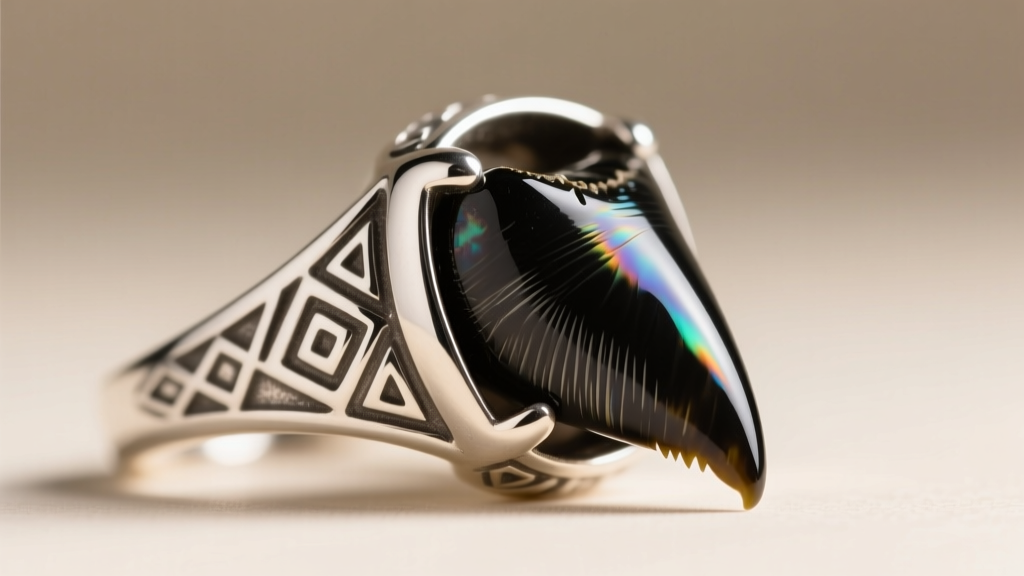
Budget Tiers: What to Expect in 2026
To help you navigate the market, we have compiled a comprehensive pricing matrix based on current 2026 retail data from artisan coastal jewelers and high-end fossil dealers. This table assumes the use of genuine, unrestored fossils paired with quality metals.
| Tooth Size (Diagonal) | Fossil Color / Grade | Setting Style | Estimated Price Range |
|---|---|---|---|
| 2.0' - 2.5' | White / Black (Grade B) | Basic Wire Wrap (Silver-plated) | $45 - $85 |
| 2.5' - 3.0' | Gray / Blue (Grade A) | 14k Gold-Filled Artisan Wire Wrap | $150 - $280 |
| 3.0' - 3.5' | Olive / Deep Blue (Grade A) | Custom Sterling Silver Bezel | $350 - $600 |
| 3.5' - 4.5' | Any Color (Museum Grade) | Solid 14k Gold Bezel & Chain | $1,200 - $3,500+ |
Pro Tip: If you see a 3-inch blue-gray megalodon tooth in a sterling silver setting selling for under $100, it is almost certainly a resin cast or a heavily restored, glued-together fossil. True Southern Charm artisans do not compromise on the integrity of the stone.
Wire-Wrapped vs. Bezel Set: Which Holds Value Better?
The 'Southern Charm' aesthetic heavily favors two distinct setting techniques, each with its own budget implications and long-term value retention.
The Artisan Wire Wrap
Wire wrapping is the most popular method for fossil jewelry because it requires no heat or harsh chemicals that could damage the fragile fossil enamel. Master wrappers use 16-gauge dead-soft wire for the structural frame and bail, weaving it with 24-gauge wire to secure the tooth without obscuring the serrations. When done with 14k gold-filled wire, this technique offers excellent longevity and a rustic, handcrafted look that perfectly matches the coastal Southern vibe. Expect to pay $120–$250 for a high-quality, custom wire wrap on a premium tooth.
The Custom Bezel Setting
For a more refined, elevated look, jewelers fabricate custom sterling silver or solid gold bezels. This requires taking a precise 3D scan or mold of the irregular tooth to cast a perfectly fitted metal border. Because megalodon teeth are asymmetrical, bezel settings cannot be mass-produced; they are entirely bespoke. This labor-intensive process adds $200–$400 to the base price of the fossil but results in a piece that can be passed down as a true heirloom.
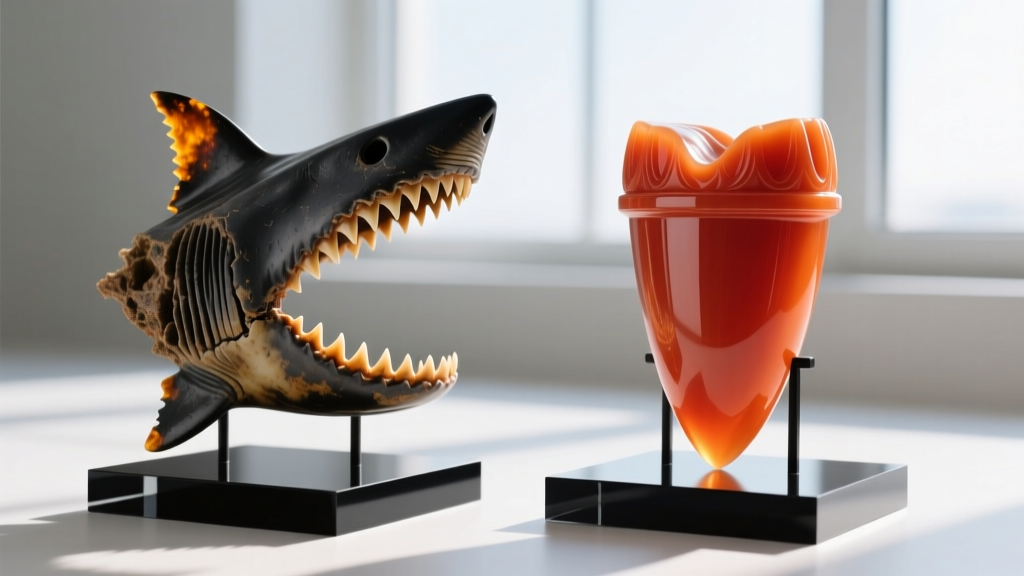
Red Flags: Spotting Fakes and Tourist Traps
As the National Geographic archives note, the megalodon is one of the most famous prehistoric creatures on earth, making its teeth a prime target for counterfeiters. When shopping for a megalodon tooth necklace, keep these troubleshooting insights in mind:
- The Weight Test: Genuine fossilized teeth are heavy, dense, and cold to the touch due to the mineralization process (replacement of organic material with silica and phosphates). Resin or plastic replicas feel unusually light and warm.
- The Serration Check: Under a jeweler's loupe, real serrations look like tiny, irregular, jagged peaks. Molded fakes often have smooth, uniform, or 'melted' looking edges.
- The UV Light Test: Shine a blacklight on the tooth. Real fossils will generally absorb the light or show patchy fluorescence based on the surrounding matrix. Many modern resins and epoxies will glow brightly and uniformly under UV light.
- The Root Paint: Unscrupulous vendors sometimes paint the roots of low-grade teeth with dark brown or black paint to hide cracks or missing bourrelets. Scratch the root gently with a fingernail; if color flakes off, walk away.
Chain Selection and Maintenance
A heavy megalodon pendant requires a chain that can support its weight without snapping. Avoid delicate cable chains or hollow ropes. For teeth in the 2.5 to 3.5-inch range, opt for a 3mm to 5mm solid sterling silver box chain or a 14k gold-filled Figaro chain. These styles offer the necessary tensile strength while complementing the rugged texture of the fossil.
Maintenance is equally crucial. While the fossil itself is millions of years old and highly durable, the metal settings require care. Remove your necklace before swimming in the ocean or entering chlorinated pools, as salt and chemicals can tarnish sterling silver and degrade gold-filled wire wraps over time. Clean the fossil gently with a soft, dry microfiber cloth—never use ultrasonic jewelry cleaners, as the high-frequency vibrations can fracture micro-fissures hidden within the fossil's root.
Final Verdict: Is the Investment Worth It?
A genuine megalodon tooth necklace southern charm piece is more than just jewelry; it is a wearable artifact of Earth's history. When you invest in a Grade-A, river-recovered fossil set in high-quality metals by an artisan, you are purchasing a unique asset that holds its value remarkably well. By understanding the grading metrics, recognizing the hallmarks of quality metalwork, and avoiding the pitfalls of mass-produced replicas, you can confidently acquire a coastal heirloom that balances prehistoric power with timeless Southern elegance.


