Cable Chain Necklace Gold: A Beginner's Buying & Styling Guide
Discover everything you need to know before buying a cable chain necklace gold. Learn about karats, link widths, pricing, and care in our 2026 guide.

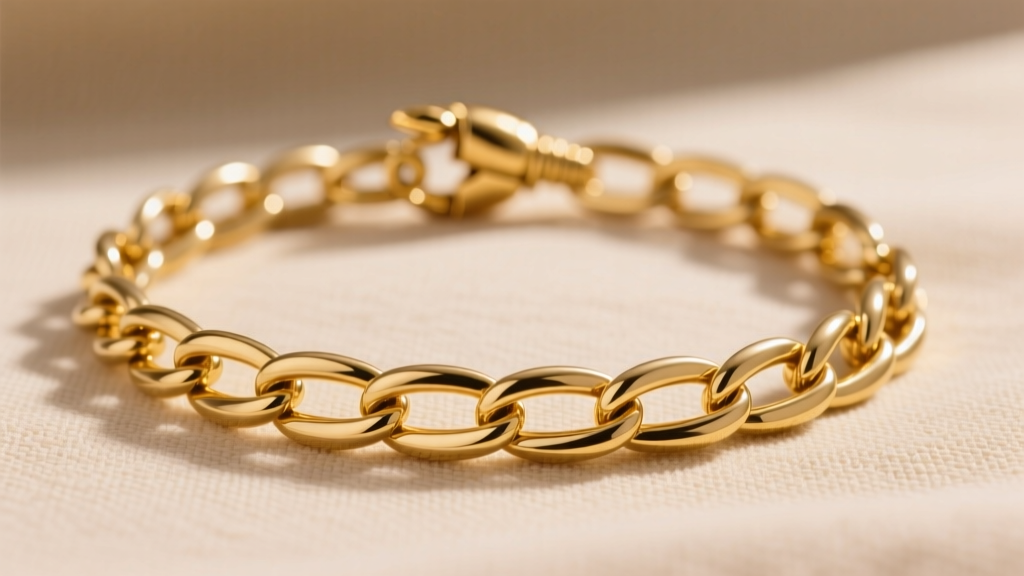
The Anatomy of a Classic: What is a Cable Chain?
When building a foundational jewelry wardrobe, few pieces are as universally essential as a cable chain necklace gold. But what exactly defines a "cable" chain? Unlike complex weaves such as the Byzantine or the interlocking links of a Cuban chain, the cable chain is the epitome of minimalist engineering. It consists of uniform, identical oval or round links connected one by one in a simple, continuous loop. This design mimics the heavy steel cables used on ships and suspension bridges, hence the name.
For beginners, the cable chain is the ultimate blank canvas. Its symmetrical, unadorned links catch the light beautifully without overpowering the wearer. However, because the design is so simple, the quality of the metal and the precision of the craftsmanship are entirely exposed. There are no complex weaves to hide poor soldering or low-grade alloys. Understanding the nuances of gold purity, link width, and hardware is critical before making your first purchase.
Decoding Gold Purity: Which Karat is Right for You?
Gold purity is measured in karats (k), with 24k representing pure gold. However, pure gold is incredibly soft and malleable—making it a poor choice for everyday chain necklaces that endure pulling, snagging, and friction. According to the Gemological Institute of America (GIA), alloying gold with metals like copper, silver, and zinc increases its durability and alters its color. Here is how the most common karats perform in a cable chain:
| Karat | Gold Purity | Durability | Color Profile | Best Use Case |
|---|---|---|---|---|
| 24k | 99.9% | Very Poor | Deep, rich orange-yellow | Investment pieces, not for daily wear |
| 18k | 75.0% | Good | Warm, luxurious yellow | Fine jewelry, occasional wear, high budgets |
| 14k | 58.3% | Excellent | Balanced, classic yellow | Everyday wear, pendants, layering |
| 10k | 41.7% | Superior | Pale, slightly muted yellow | Highly active lifestyles, tight budgets |
The Beginner's Verdict: 14k gold is the undisputed sweet spot for a cable chain. It offers the perfect equilibrium between a warm, authentic gold color and the tensile strength required to resist stretching and breaking over years of daily wear.
Sizing Your Chain: Width and Length Guidelines
The visual weight of your necklace is dictated by its width (often measured in millimeters) and its length. Choosing the wrong proportions can result in a chain that either disappears against your skin or looks overwhelmingly heavy.
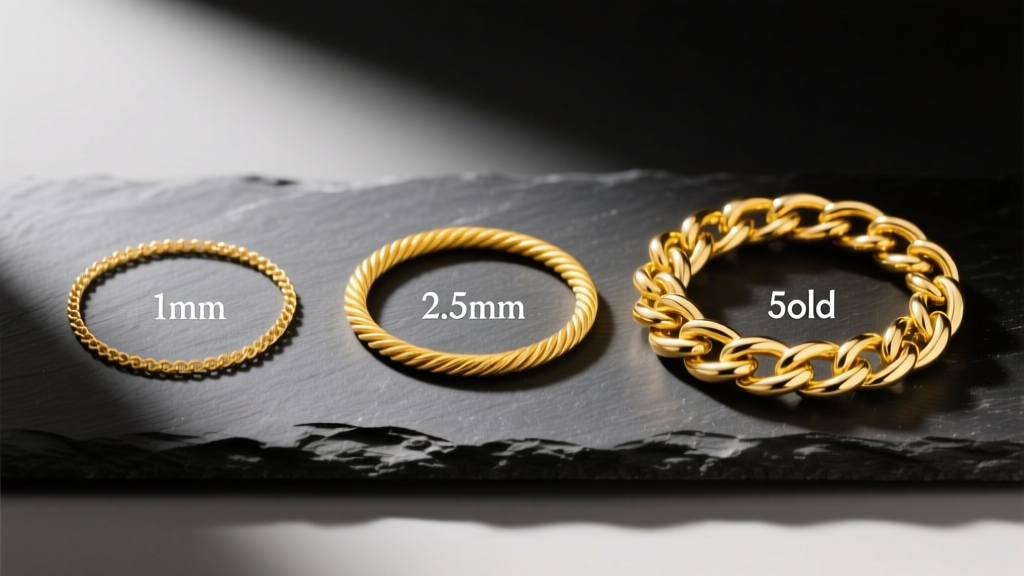
Width Breakdown
- 0.8mm - 1.2mm (Delicate): Ideal for layering or holding lightweight, small pendants (under 3 grams). These chains are prone to tangling and require gentle handling.
- 1.5mm - 3.0mm (Standard): The most versatile range. A 2mm or 2.5mm cable chain is robust enough to hold medium-weight pendants (up to 10 grams) while remaining subtle enough to wear alone.
- 4.0mm - 6.0mm+ (Statement): Best worn solo. The links are substantial, highly reflective, and heavy. These widths rarely accommodate pendants because the bail (the loop on the pendant) must be unusually large to slide over the links.
Length Guidelines
For women, an 18-inch chain sits perfectly at the collarbone, making it the standard choice for pendants. A 16-inch "choker" length sits higher on the neck, while 20 to 24 inches drape lower on the chest, ideal for layering over sweaters. For men, 20 to 22 inches is the standard range, resting just at or below the collarbone.
The Hardware: Clasps and Soldered Links
A chain is only as strong as its weakest link—or its clasp. When inspecting a cable chain necklace gold, pay close attention to two critical hardware features:
1. Soldered Links: High-quality cable chains feature "soldered" links. This means the tiny seam where each oval link closes has been welded shut (often via laser). If a chain is unsoldered, a simple snag on a sweater can pull the link open, leading to loss of the chain or pendant. Always ask the jeweler if the links are soldered.
2. The Clasp: Avoid spring-ring clasps on anything wider than 1.5mm; they are flimsy, difficult to operate with one hand, and prone to snapping. Instead, look for a solid cast lobster claw clasp. Lobster clasps feature a secure, spring-loaded mechanism that locks firmly into the end ring, providing vastly superior security for heavier gold chains.
Real-World Pricing: What Should You Pay?
Gold jewelry pricing is directly tied to the daily spot price of gold, which has seen significant upward trends leading into 2026. While prices vary by brand markup and craftsmanship, here are realistic baseline estimates for a standard 14k yellow gold, 18-inch cable chain purchased from a reputable, non-luxury-markup jeweler:
- 1.0mm width (approx. 3.5 grams): $180 - $250
- 2.0mm width (approx. 8.5 grams): $350 - $480
- 4.0mm width (approx. 22 grams): $900 - $1,200
Pro Tip: If a 14k gold chain is priced significantly below the scrap gold value of its weight, it is likely hollow, gold-plated, or heavily alloyed. Always check the gram weight and calculate the intrinsic melt value to ensure you are getting a fair deal.
Care and Troubleshooting: Preventing Kinks and Tangles
Because cable chains feature uniform, open links, they are notoriously susceptible to kinking if folded sharply or slept in. A kink occurs when a link is bent out of its natural 90-degree alignment with its neighbor, creating a stiff, weak point in the chain.
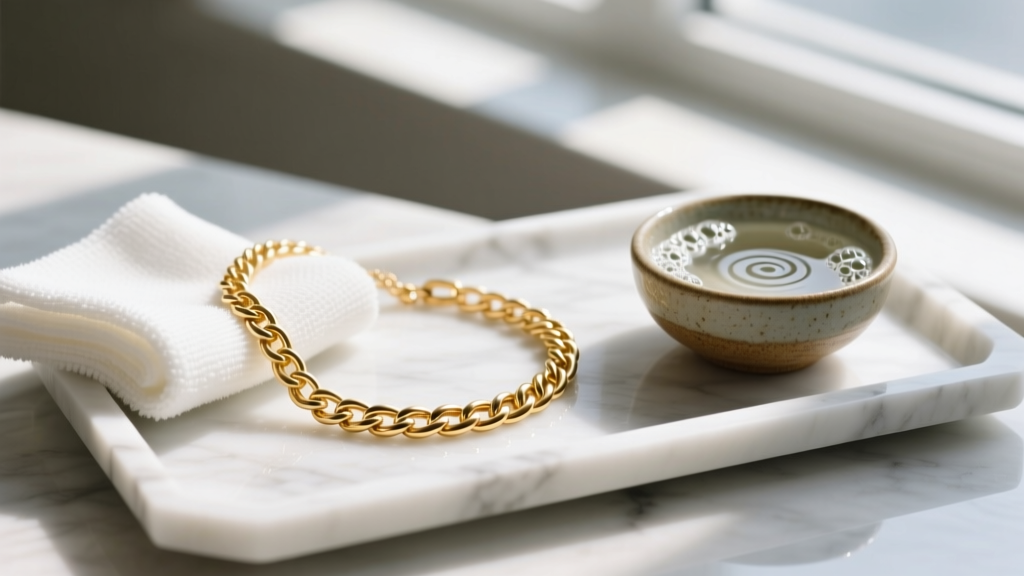
To maintain your chain, follow the Jewelers of America guidelines for daily care: always remove your necklace before sleeping, showering, or exercising. Body oils, lotions, and hard water minerals can accumulate in the tiny crevices between the links, dulling the gold's brilliance over time.
How to clean your cable chain: Mix a few drops of mild, phosphate-free dish soap in warm water. Let the chain soak for 10 minutes, then gently agitate it with a soft-bristled baby toothbrush. Rinse thoroughly under warm water and pat dry with a microfiber cloth. Never use harsh chemical dips or ultrasonic cleaners on hollow or fragile chains, as the vibrations can shake loose soldered seams.
Styling and Layering Your Cable Chain
The true magic of the cable chain lies in its layering potential. Because the links are uniform and relatively flat, they nest together without excessive tangling. To master the layered look, combine three chains of varying lengths and widths. For example, pair a 16-inch 1mm cable chain, an 18-inch 2mm cable chain holding a small diamond or gemstone pendant, and a 20-inch 3mm cable chain. This creates a cascading, textured effect that elevates a simple t-shirt or complements a deep V-neckline effortlessly.
Ultimately, a cable chain necklace gold is not just an accessory; it is a foundational investment in your personal style. By prioritizing 14k purity, verifying soldered links, and selecting a versatile 2mm width, you secure a timeless piece that will anchor your jewelry collection for decades to come.


