The Ultimate Cable Necklace Chain Care and Cleaning Guide
Learn how to clean, maintain, and repair your cable necklace chain. Expert tips on removing tarnish, fixing kinks, and preserving metal finishes.

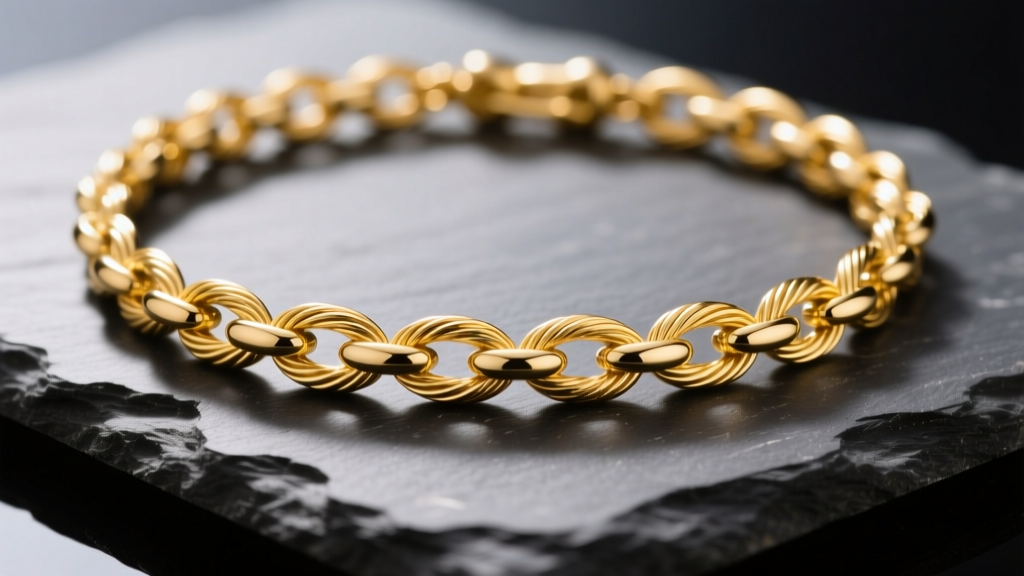
The cable necklace chain is a cornerstone of fine jewelry, celebrated for its uniform, interlocking oval or round links that offer both durability and classic elegance. However, its very structure—specifically the crevices where links connect—makes it a magnet for skin oils, cosmetic residue, and environmental tarnish. Whether you own a delicate 0.8mm Italian cable chain or a robust 3.0mm solid gold piece, improper maintenance can lead to severe kinking, link distortion, and irreversible plating loss.
This comprehensive guide dives deep into the metallurgy and mechanics of cable chains, providing professional-grade protocols for cleaning, untangling, and storing your jewelry to ensure it lasts a lifetime.
Anatomy of a Cable Chain and Common Failure Points
Before applying any cleaning solution, it is critical to understand the construction of your cable necklace chain. Standard cable chains consist of identical oval links connected at 90-degree angles to one another. This geometry provides excellent tensile strength but creates specific vulnerabilities:
- The Link Crevices: The contact points between links trap dead skin cells, lotion, and dust, leading to a dull, grayish buildup that mimics tarnish.
- Soldered vs. Unsoldered Links: High-quality cable chains feature soldered links (a microscopic seam where the link is closed). If a chain is unsoldered, aggressive polishing or ultrasonic vibrations can pry the links open.
- Kink Vulnerability: Because the links are uniform, if one link rotates flat against its neighbor and is pulled under tension, it will bend. This creates a 'kink' that weakens the metal's crystalline structure, eventually leading to a snap.
The Professional Cleaning Protocol
According to the Gemological Institute of America (GIA), the safest and most effective way to clean most metal chains is through gentle mechanical action combined with a mild degreaser. However, the exact method must be tailored to your chain's specific metal composition.
Step-by-Step Manual Cleaning
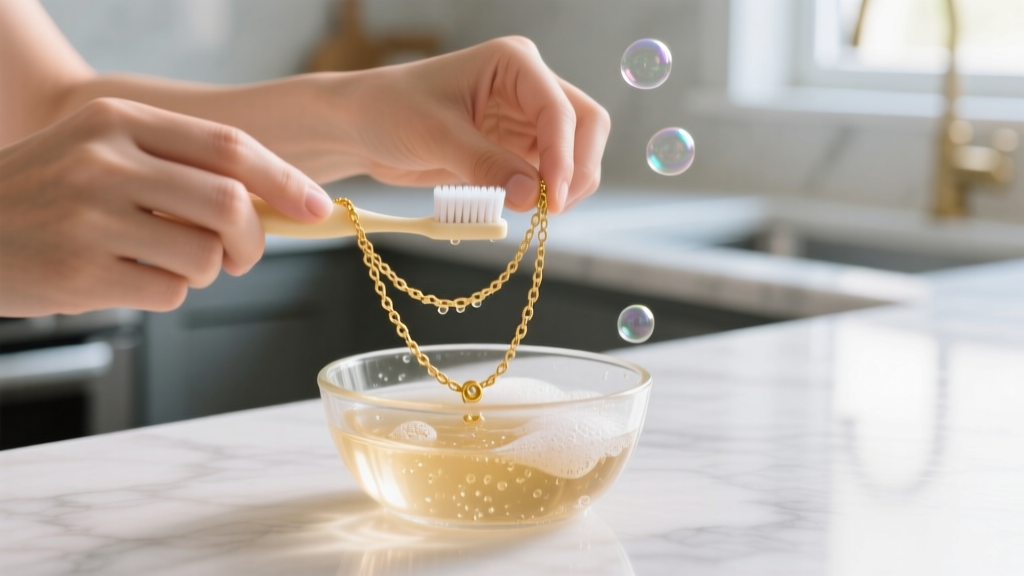
- Prepare the Solution: Mix a few drops of phosphate-free dish soap (like Dawn) into a bowl of warm (not hot) distilled water. Hard tap water contains minerals that can leave microscopic spots on high-polish gold.
- Soak: Submerge the cable necklace chain for 10 to 15 minutes to loosen sebum and cosmetic buildup.
- Agitate: Using a baby toothbrush with extra-soft bristles, gently brush along the length of the chain. Always brush in the direction of the links to avoid catching and pulling them.
- Rinse and Dry: Rinse thoroughly under lukewarm distilled water. Pat dry with a lint-free microfiber cloth, then lay flat on a paper towel to air dry completely before storage.
Cleaning Methods by Metal Type
Not all cable chains react the same way to chemical cleaners. As of 2026, modern vermeil standards require a minimum of 2.5 microns of gold over sterling silver, meaning aggressive cleaners will strip the gold layer instantly. Refer to the table below to avoid catastrophic damage to your jewelry.
| Metal Type | Safe Cleaning Method | Methods to Strictly Avoid | Tarnish Risk |
|---|---|---|---|
| Solid 14k/18k Gold | Warm water, mild dish soap, soft brush | Bleach, harsh chlorine, mercury | Low |
| Sterling Silver (925) | Aluminum foil/baking soda bath, polishing cloth | Abrasive pastes, toothpaste | High (Silver Sulfide) |
| Gold Vermeil / Plated | Damp microfiber cloth only | Ultrasonic cleaners, chemical dips | Medium (Plating wear) |
| Stainless Steel (316L) | Soapy water, ultrasonic safe | Chlorine bleach (causes pitting) | Very Low |
Advanced Tarnish Removal for Sterling Silver
If your sterling silver cable necklace chain has developed a dark yellow or black patina, this is silver sulfide—a chemical reaction caused by sulfur in the air. While the Jewelers of America recommends commercial polishing cloths for light tarnish, heavy tarnish requires an electrochemical reduction bath.
Line a glass bowl with aluminum foil (shiny side up). Place the chain on the foil, ensuring it makes direct contact with the metal. Sprinkle a tablespoon of baking soda over the chain, then pour boiling water into the bowl. The resulting chemical reaction transfers the sulfur from the silver to the aluminum foil, lifting the tarnish without removing any underlying silver. Rinse immediately and dry thoroughly. Note: Never use this method on oxidized (intentionally blackened) silver or chains with porous gemstones like turquoise or pearls.
Unkinking and Untangling Without Breaking Links
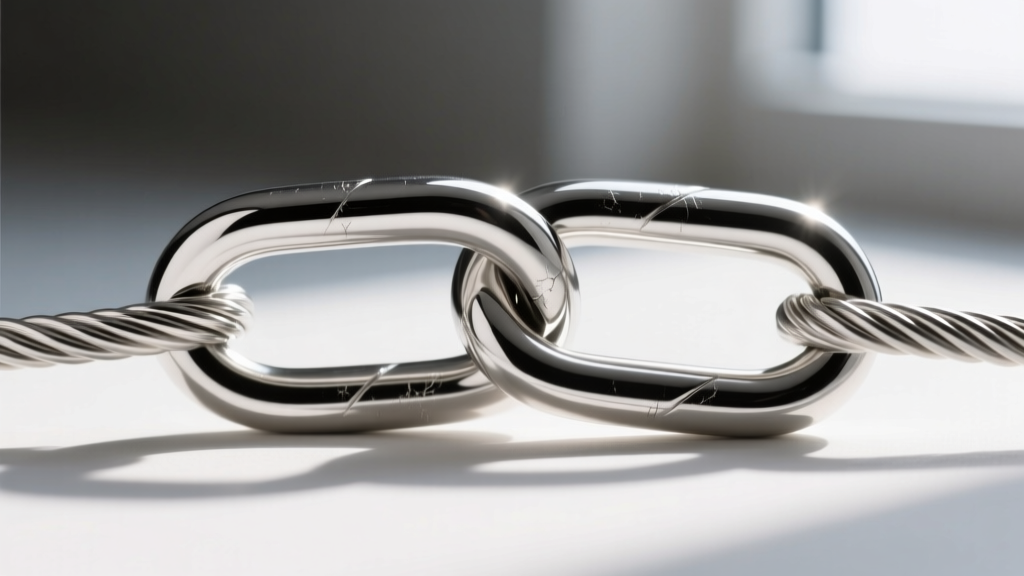
A kinked cable chain is a structural emergency. Pulling on a kink will permanently deform the oval links, turning them into jagged diamonds that will scratch your skin and catch on clothing.
The Talcum Powder Technique
When dealing with severe tangles or tight kinks, friction is your enemy. Lay the chain flat on a smooth, hard surface like a glass table or ceramic plate. Sprinkle a generous amount of talcum powder or cornstarch over the knot. The powder acts as a dry lubricant, coating the microscopic crevices between the links.
Take two fine sewing needles (size 10 or 12) and insert the tips into the center of the knot. Gently wiggle the needles to loosen the tension. Never use metal tweezers or pliers, as the hardened steel teeth will gouge and scratch the precious metal of your cable necklace chain. Once the knot is loosened, carefully feed the links back into their natural 90-degree alignment.
Preventative Maintenance and Storage
Proper storage is the most overlooked aspect of jewelry maintenance. The environment in which you store your chain dictates its lifespan and finish.
"The greatest enemy of a fine cable chain is the jewelry box toss. When multiple chains are thrown into a single drawer, the uniform links of a cable chain act like a net, catching the clasps and links of other pieces, guaranteeing a tangle." — Master Bench Jeweler
Optimal Storage Conditions
- Hang or Isolate: Always hang your cable necklace chain on a padded jewelry stand, or store it individually in a sealed polyethylene zip bag.
- Avoid PVC Plastics: Never store silver or copper-based alloys in polyvinyl chloride (PVC) plastics. PVC emits trace gases that aggressively accelerate tarnishing and can cause irreversible pitting.
- Anti-Tarnish Strips: For sterling silver chains, place a 3M anti-tarnish strip inside the storage bag. These strips absorb airborne sulfur and hydrogen sulfide, keeping the chain bright for up to 12 months.
- Clasp Management: Always store the chain with the clasp securely fastened. This prevents the open jump ring of the clasp from slipping through the links of the chain itself.
When to Seek Professional Jeweler Repair
Despite meticulous care, cable chains can break due to age, metal fatigue, or accidental snags. When a link snaps, the repair method matters immensely.
For thicker chains (2.0mm and above), traditional torch soldering is highly effective. However, for delicate cable chains (under 1.2mm), torch soldering poses a severe risk; the high heat can easily melt adjacent links or ruin the temper of the metal. In 2026, reputable jewelers utilize laser welding for delicate chains. Laser welding uses a highly focused beam of light to fuse the metal at a microscopic level without transferring heat to the surrounding links. Expect to pay between $25 and $45 for a professional laser weld on a standard cable chain. Always inspect the repair site under a jeweler's loupe to ensure the soldered link moves freely and has not been fused to its neighbor.
Final Thoughts on Chain Longevity
A cable necklace chain is an investment in timeless style. By understanding the specific vulnerabilities of its interlocking geometry and adhering to metal-specific cleaning protocols, you can preserve the structural integrity and brilliant luster of your jewelry for decades. Remember to remove your chain before swimming in chlorinated pools, applying aerosol cosmetics, or engaging in activities that subject the delicate links to high-tension pulling.


