Can Men Wear Necklaces? A Technical Guide to Fit and Metals
Discover the technical answer to 'can men wear necklaces' with our expert guide on chain metallurgy, tensile strength, clasp mechanics, and fit.

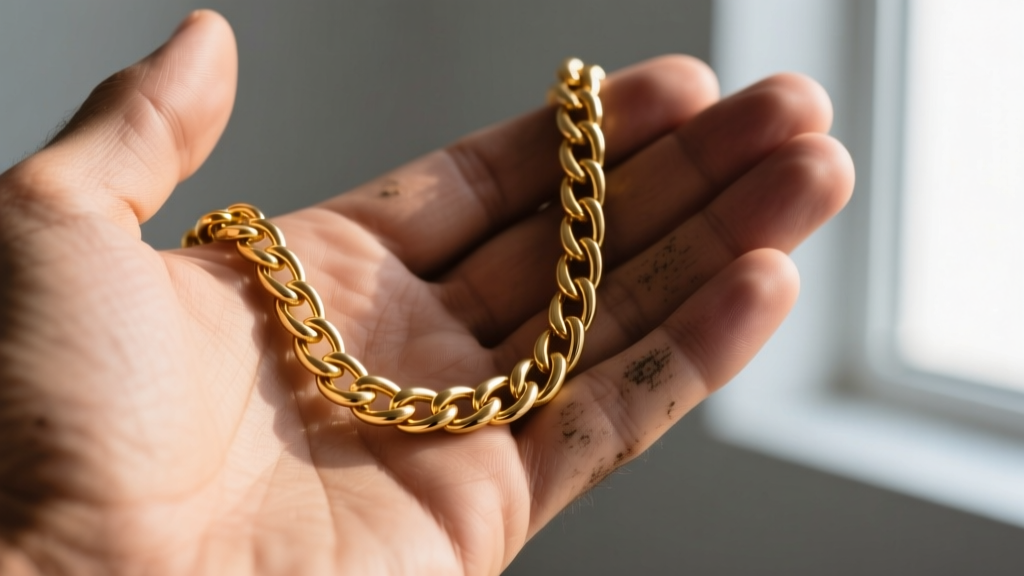
The question "can men wear necklaces" is no longer a matter of cultural permission; it is a question of structural engineering, metallurgical compatibility, and anatomical proportion. In 2026, the men's fine jewelry market has evolved far beyond generic fashion accessories. Today, selecting a chain or pendant requires an understanding of tensile strength, alloy corrosion rates, and biomechanical fit. This expert deep dive bypasses superficial style advice to examine the technical specifications that dictate whether a necklace will survive daily male wear or fail catastrophically.
The Biomechanics of Male Proportions
Male anatomy presents unique mechanical stresses for necklaces. The average male neck circumference ranges from 15 to 17 inches, but the trapezius muscle development and sternal drop significantly alter how a chain drapes and bears weight. Unlike the female clavicle, which often provides a natural shelf for lighter chains, the male chest typically requires a longer drop (20 to 24 inches) to sit properly below the collarbone. When a chain is too short on a muscular neck, it creates constant lateral tension on the links, accelerating metal fatigue at the solder points.
Metallurgy and Skin Chemistry
Men generally have higher sebum production and a slightly lower skin pH (more acidic) than women, which drastically impacts how certain metals react over time. When asking if men can wear necklaces daily, the answer depends entirely on the alloy grade.
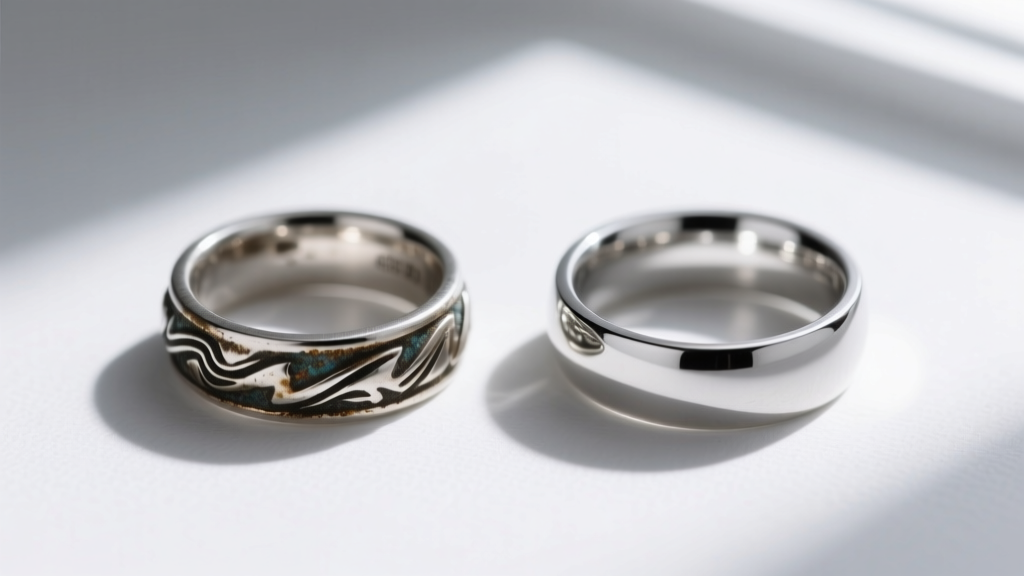
Alloy Corrosion and Hardness Matrix
| Metal Grade | Composition | Vickers Hardness (HV) | Sweat/Sebum Resistance | Best Use Case |
|---|---|---|---|---|
| 14k Yellow Gold | 58.5% Gold, Copper/Zinc | 135 HV | High (Copper may oxidize) | Daily wear chains, heavy pendants |
| 18k Yellow Gold | 75% Gold, Copper/Silver | 110 HV | Medium (Prone to micro-scratches) | Occasional wear, lightweight pendants |
| 316L Stainless Steel | Iron, Chromium, Molybdenum | 150-190 HV | Exceptional (Medical grade) | Active lifestyles, gym wear, beach |
| Grade 5 Titanium | Ti-6Al-4V | 340 HV | Exceptional (Hypoallergenic) | Minimalist bands, ultra-durable chains |
| 925 Sterling Silver | 92.5% Silver, 7.5% Copper | 60-70 HV | Poor (Tarnishes rapidly with sulfur) | Evening wear, requires frequent polishing |
According to the Gemological Institute of America (GIA), 14k gold is often preferred for men's daily-wear chains because the higher copper and zinc content increases the Vickers hardness, making it highly resistant to the deformation caused by heavy pendants. Conversely, 18k gold, while richer in color, is too soft for heavy Cuban or Figaro links that experience high friction.
Chain Link Structural Integrity
Not all chain links are engineered equally. The structural integrity of a necklace is determined by its link geometry and solder distribution.
- Cuban Link: The gold standard for men. The interlocking, flat-surfaced links distribute weight evenly. A 5mm solid 14k Cuban chain boasts immense tensile strength and resists kinking, making it ideal for heavy medallions.
- Figaro Link: Characterized by a pattern of three short links and one long link. The long links are structural weak points. Under sudden kinetic stress (e.g., the chain getting caught on clothing), the long links are the first to stretch and snap.
- Rope Chain: Highly reflective due to its twisted geometry, but technically problematic for daily male wear. The tight spirals trap sebum, dead skin cells, and environmental dust. Without weekly ultrasonic cleaning, the trapped debris acts as an abrasive paste, wearing down the internal solder joints from the inside out.
- Mariner (Anchor) Link: Features a reinforcing bar in the center of each oval link. This prevents the link from collapsing under lateral pressure, offering excellent durability for medium-weight pendants.
Clasp Mechanics and Failure Modes
The clasp is the most critical failure point on any necklace. Men's chains are heavier, requiring robust closure mechanisms.
Evaluating Clasp Types
Spring Ring Clasps: Rely on a tiny internal steel spring. These are entirely unsuitable for men's chains over 3mm in thickness. The spring mechanism routinely fails due to sweat corrosion and mechanical fatigue.
Lobster Claw Clasps: A significant upgrade, utilizing a stronger spring and a larger surface area. However, standard lobster clasps can still snap at the swivel joint if subjected to a sudden downward yank.
Box Clasps with Figure-8 Safeties: The only acceptable choice for chains weighing over 50 grams. The male tongue compresses and locks securely into the female box housing. The secondary figure-8 wire safety ensures that even if the primary latch is depressed accidentally, the chain remains tethered to the neck. Suppliers like Rio Grande emphasize that integrating safety catches is mandatory for heavy precious metal chains to prevent catastrophic loss.

Sizing Matrix: The Chest Drop Framework
To answer "can men wear necklaces" with precision, one must map the chain length to the male sternum. Use this sizing matrix to determine the exact drop based on a standard 16-inch neck circumference:
- 18 Inches (Choker/Collar): Sits tightly at the base of the neck. Only recommended for thin (1-2mm) flexible chains like box or snake chains. Unsuitable for men with thick trapezius muscles.
- 20 Inches (Collarbone): Rests exactly on the clavicle. The most versatile length for t-shirts and casual button-downs. Ideal for 3mm to 5mm Cuban or Mariner chains.
- 22 Inches (Upper Sternum): Drops just below the collarbone. Perfect for showcasing a medium-sized pendant (e.g., a 20mm signet or cross) over crewneck sweaters or hoodies.
- 24 to 30 Inches (Mid-Chest): Rests on the pectoral muscles. Reserved exclusively for large, heavy statement pieces or religious medallions worn over outerwear.
Maintenance and Ultrasonic Protocols
Men's necklaces require rigorous maintenance protocols due to higher exposure to sweat, gym environments, and outdoor elements. Sterling silver and lower-karat gold alloys will develop a sulfide or oxide patina. To maintain structural integrity and optical brilliance, chains should be submerged in an ultrasonic cleaner (operating at 40 kHz) with a mild, non-ammoniated jewelry solution for exactly 3 minutes every two weeks. This cavitation process dislodges microscopic debris trapped in link crevices that manual brushing cannot reach, preventing long-term abrasive degradation of the metal.
"The transition of men's necklaces from mere fashion statements to engineered accessories requires a shift in how we evaluate them. It is no longer just about how a chain looks, but how its metallurgy and link geometry withstand the rigors of male biomechanics."
Ultimately, men can and should wear necklaces, provided the selection is driven by technical specifications rather than fleeting trends. By prioritizing 14k gold or 316L steel, selecting high-tensile links like the Cuban, and mandating box clasps with safety catches, a man's necklace becomes a durable, lifelong asset rather than a fragile accessory.


