Candy Necklaces: Material Comparison & Jewelry Guide
Discover the material science behind candy necklaces. Compare acrylic, glass, resin, and polymer clay to choose the best sweet-inspired jewelry.

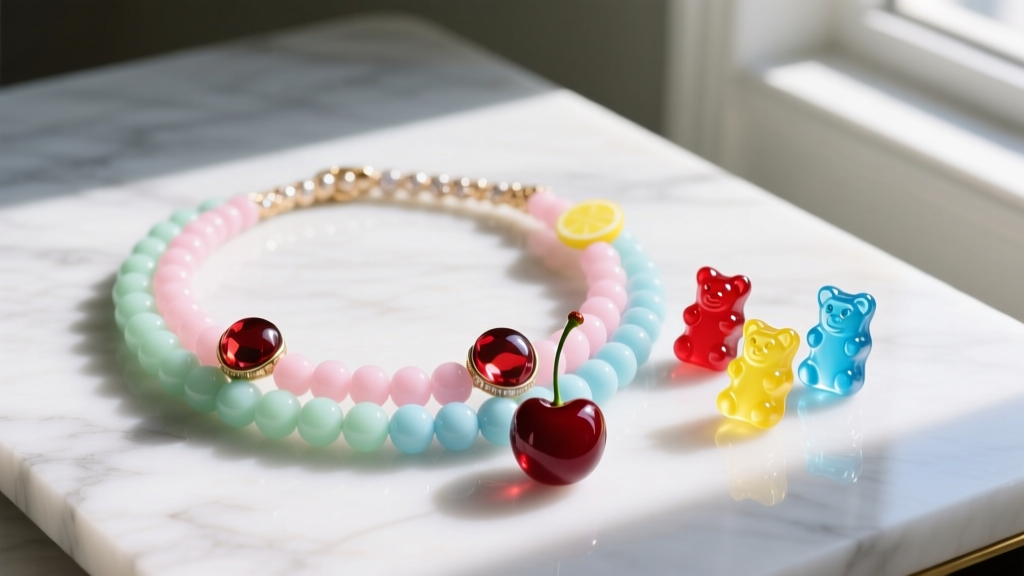
The Evolution of Candy Necklaces in Modern Jewelry
When you hear the term "candy necklaces," your mind might jump to elastic strings of hard, chalky sweets from childhood birthday parties. However, in the contemporary jewelry landscape of 2026, candy necklaces represent a highly sought-after aesthetic that blends Y2K nostalgia, kawaii culture, and high-end material science. Today's sweet-inspired jewelry utilizes advanced polymers, artisan glasswork, and specialized resins to mimic the vibrant colors, playful shapes, and glossy finishes of actual confections. For jewelry designers and collectors, understanding the physical properties of these materials is critical. A necklace that looks like a string of gummy bears or hard candies will perform vastly differently depending on whether it is crafted from PMMA acrylic, lampwork glass, or UV-cured resin. This guide breaks down the material properties, durability metrics, and hardware requirements for building and wearing premium candy necklaces.
Material Breakdown: What Makes a Candy Necklace?
The illusion of "candy" in jewelry relies heavily on translucency, high-gloss finishes, and saturated pastel or neon pigments. Achieving this look requires specific materials, each with distinct physical properties that dictate the necklace's weight, drape, and longevity.
Acrylic and Lucite: The Lightweight Champion
Acrylic, scientifically known as Polymethyl Methacrylate (PMMA), is the most common material used for mass-market and indie candy necklaces. It is injection-molded or laser-cut into shapes resembling hard candies, jelly beans, and lollipops. Acrylic boasts a Shore D hardness of 80-85, making it relatively durable against shattering, but it is highly susceptible to micro-scratches. Its specific gravity is approximately 1.18, meaning it is incredibly lightweight. This allows designers to create massive, chunky candy bead necklaces that do not cause neck strain. However, acrylic has a low melting point and can warp if left in a hot car. Furthermore, it is a static magnet, meaning dust and lint will cling to the beads, requiring frequent polishing with a microfiber cloth.
Lampwork Glass: The Premium Confection
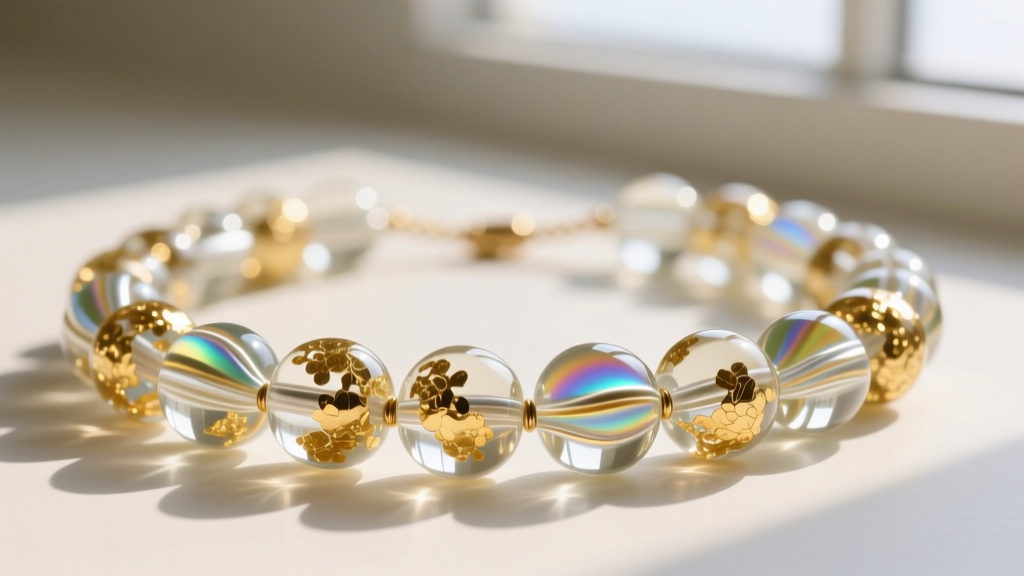
For luxury candy necklaces, artisan lampwork glass is the gold standard. Crafted by melting silica-based glass rods over a high-temperature torch, these beads can feature intricate internal designs, such as gold foil inclusions or suspended bubbles, mimicking high-end artisanal truffles or blown-sugar confections. According to the Gemological Institute of America (GIA), standard jewelry glass has a Mohs hardness of 5.5 to 6.5 and a refractive index of around 1.52, giving it a brilliant, candy-like sparkle that plastics cannot replicate. The trade-off is weight and fragility. Glass has a specific gravity of 2.5, making it more than twice as heavy as acrylic. A thick glass candy necklace requires robust stringing materials and heavy-duty clasps to support the load without snapping.
Epoxy and UV Resin: The Customizable Sweet
Resin is favored by independent jewelers for creating hyper-realistic "gummy" or "jelly" textures. Epoxy resin cures slowly, allowing artists to pour it into complex silicone molds and embed real dried flowers or glitter. UV resin, which cures in minutes under ultraviolet light, is often used for smaller, layered candy charms. The primary vulnerability of resin is UV degradation. Without the addition of HALS (Hindered Amine Light Stabilizers), clear resin beads will yellow and become brittle after prolonged exposure to sunlight. High-quality candy necklaces will explicitly state the use of UV-resistant, non-yellowing epoxy formulations, which maintain their water-clear transparency for years.
Polymer Clay: The Matte Alternative
While not glossy by nature, polymer clay (a PVC-based modeling compound) is heavily used in the candy necklace trend to create frosted mints, macarons, and cake slices. Baked at low temperatures (around 275°F), it cures to a hard but slightly flexible state. To achieve a candy-like glaze, artisans must seal the clay with a specialized polyurethane or UV-resin topcoat. Unsealed polymer clay is porous and will absorb skin oils and cosmetics, leading to permanent discoloration.
Comparative Data: Weight, Durability, and Pricing
Choosing the right material depends on the intended use case. A delicate, everyday candy pendant requires different physical properties than a bold, layered festival piece. The table below synthesizes the core material metrics for jewelry designers and buyers.
| Material | Mohs Hardness | Specific Gravity (Weight) | UV Resistance | Impact Resistance | Avg. Price (18" Strand) |
|---|---|---|---|---|---|
| PMMA Acrylic | 3.0 - 4.0 | 1.18 (Very Light) | Moderate (Can fade) | High (Shatterproof) | $8 - $15 |
| Lampwork Glass | 5.5 - 6.5 | 2.50 (Heavy) | Excellent (Colorfast) | Low (Shatters) | $45 - $120+ |
| Epoxy Resin | 2.5 - 3.0 | 1.10 - 1.20 (Light) | Low (Yellows w/o HALS) | Moderate (Can chip) | $25 - $60 |
| Polymer Clay | 2.0 - 3.0 | 1.30 (Medium-Light) | Excellent (Pigment stable) | Low (Snaps if thin) | $20 - $50 |
Hardware and Findings: Matching the Clasp to the Bead
The structural integrity of a candy necklace relies entirely on the findings. Because candy beads often feature large, irregular shapes with wide drill holes, standard jewelry wire is often insufficient. According to Fire Mountain Gems, a leading authority on jewelry-making supplies, the stringing material must be matched to the bead's weight and the hole's abrasiveness.
- For Glass Candy Beads: Always use a 49-strand stainless steel micro-wire with a diameter of 0.018" or 0.024". The high strand count ensures flexibility and drape, while the thickness prevents the heavy glass from snapping the wire under tension. Finish with a sterling silver or gold-filled toggle clasp, which provides a secure, counter-weighted closure that won't slip open under the necklace's heavy drape.
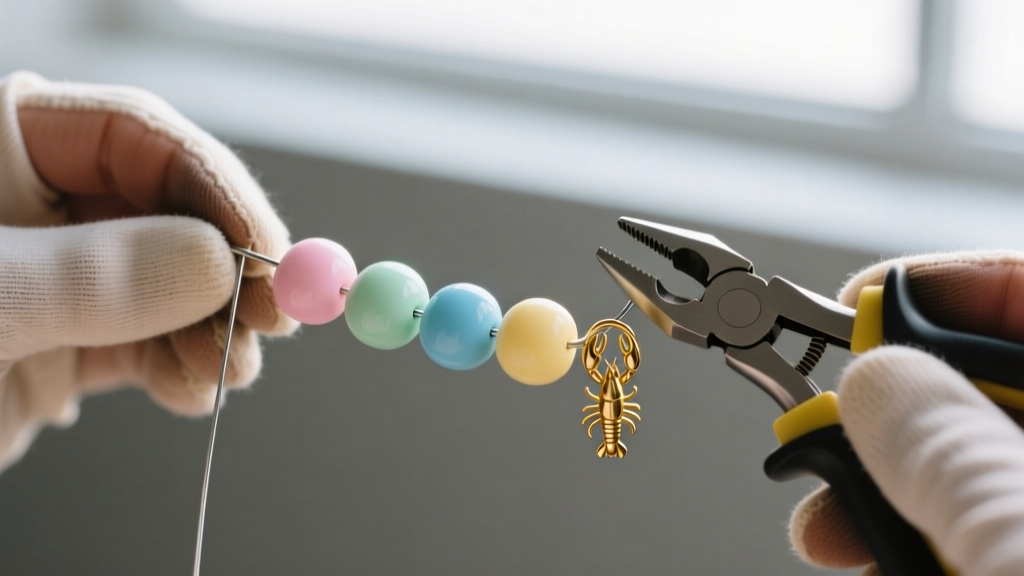
- For Acrylic and Resin: A 0.012" to 0.015" nylon-coated beading wire is sufficient. Because these materials are lightweight, a standard 10mm gold-plated lobster clasp paired with a 3mm jump ring will function perfectly without adding unnecessary bulk to the nape of the neck.
- Crimp Bead Sizing: When finishing wire-strung candy necklaces, use 2x2mm sterling silver crimp beads. Avoid base-metal crimps, which can oxidize and leave dark marks on porous resin or polymer clay beads over time.
Skin Sensitivities and Hypoallergenic Considerations
While the "candy" beads themselves (acrylic, glass, resin) are inherently hypoallergenic and inert, the metal findings used to connect them are a frequent source of contact dermatitis. In 2026, consumer demand for nickel-free jewelry is at an all-time high. When sourcing or designing candy necklaces, ensure that all spacer beads, clasps, and crimp covers are made from surgical-grade stainless steel (316L), solid 14k gold, or pure titanium. Avoid "Tibetan silver" or mystery alloy spacers, which are often used in cheap, mass-produced novelty necklaces and contain high levels of nickel and lead. If a candy necklace features painted metal accents (like a metallic wrapper on a resin chocolate charm), verify that the paint is sealed and certified lead-free.
Care and Maintenance: Preventing Yellowing and Scratches
Maintaining the vibrant, appetizing look of a candy necklace requires specific cleaning protocols. Never place acrylic or resin jewelry in an ultrasonic cleaner; the high-frequency vibrations and heat can cause micro-fractures in resin and melt the surface gloss off acrylic. Instead, wash plastic and resin candy beads with a mild, phosphate-free dish soap and lukewarm water, drying them immediately with a lint-free cloth to prevent water spots. Glass candy necklaces can withstand ultrasonic cleaning and even a quick dip in a commercial jewelry dip, provided there are no painted surface details or glued-in foil inclusions. Store all candy necklaces flat in a lined jewelry box, separated from harder gemstones like quartz or topaz, which will easily scratch the softer polymer and acrylic surfaces.
Conclusion
The candy necklace trend has evolved far beyond novelty status into a legitimate avenue for material exploration and artistic expression. Whether you prefer the lightweight, chunky appeal of injection-molded acrylic, the luxurious, heavy drape of artisan lampwork glass, or the custom translucency of UV-stabilized resin, understanding the physical properties of these materials ensures your jewelry will last. By pairing the correct stringing wire, choosing hypoallergenic findings, and adhering to material-specific cleaning protocols, you can enjoy the sweet aesthetic of candy necklaces without compromising on quality or durability.


