New Zealand Necklace Guide: 2026 Pounamu & Taonga Trends
Explore 2026 New Zealand necklace trends. Discover authentic Pounamu grades, traditional Taonga motifs, and modern styling tips for jade and bone.

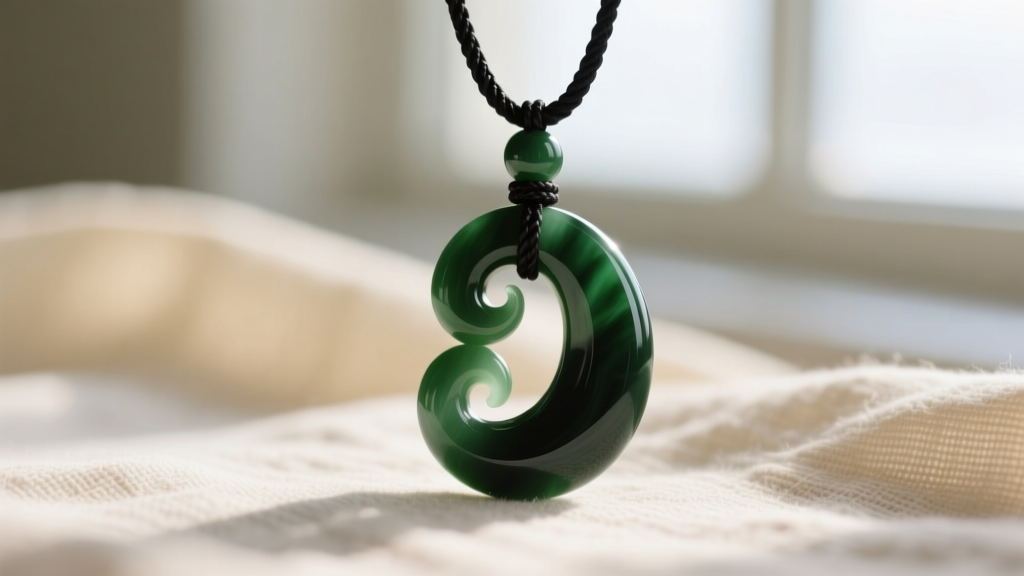
The Renaissance of the New Zealand Necklace in 2026
The New Zealand necklace has evolved far beyond the realm of airport souvenir shops. In 2026, authentic Taonga (treasures) crafted from Pounamu (greenstone) and carved bone are experiencing a massive renaissance in global contemporary jewelry markets. Driven by a demand for traceable, culturally significant, and geologically rare materials, collectors and style enthusiasts are turning to Aotearoa’s indigenous art forms. But navigating the market requires a deep understanding of material grades, cultural protocols (Tikanga), and modern design shifts. Whether you are investing in a master-carved Hei Tiki or a minimalist geometric jade drop, this guide provides the definitive E-E-A-T framework for understanding, sourcing, and styling the modern New Zealand necklace.
Decoding Pounamu: Geology, Grades, and Value
Pounamu is a highly prized nephrite jade found exclusively in the rivers and tectonic fault lines of New Zealand’s South Island. Formed under intense heat and pressure over millions of years, true nephrite possesses a Mohs hardness of 6.0 to 6.5, making it incredibly durable and capable of taking a mirror-like polish. According to the Te Papa Tongarewa national museum, Pounamu is classified not just by its mineral composition, but by its color, translucency, and the specific riverbeds from which it is extracted.
| Pounamu Grade | Visual Characteristics | Relative Rarity | 2026 Price Range (NZD) |
|---|---|---|---|
| Kawakawa | Rich, dark forest green with small black inclusions (chromite spots). | Common / Accessible | $150 - $450 |
| Inanga | Pale, translucent grey-green, resembling whitebait flesh. Highly prized. | Rare | $600 - $2,500+ |
| Kahotea | Vivid, bright emerald green with striking black streaks or clouds. | Uncommon | $400 - $1,800 |
| Totara | Opaque, mottled green with brown or yellowish hues and heavy veining. | Less Common | $120 - $350 |
When evaluating a New Zealand necklace, always look for natural inclusions. Flawless, perfectly uniform bright green stones priced under $100 are almost certainly dyed serpentine or glass imitations imported from overseas.
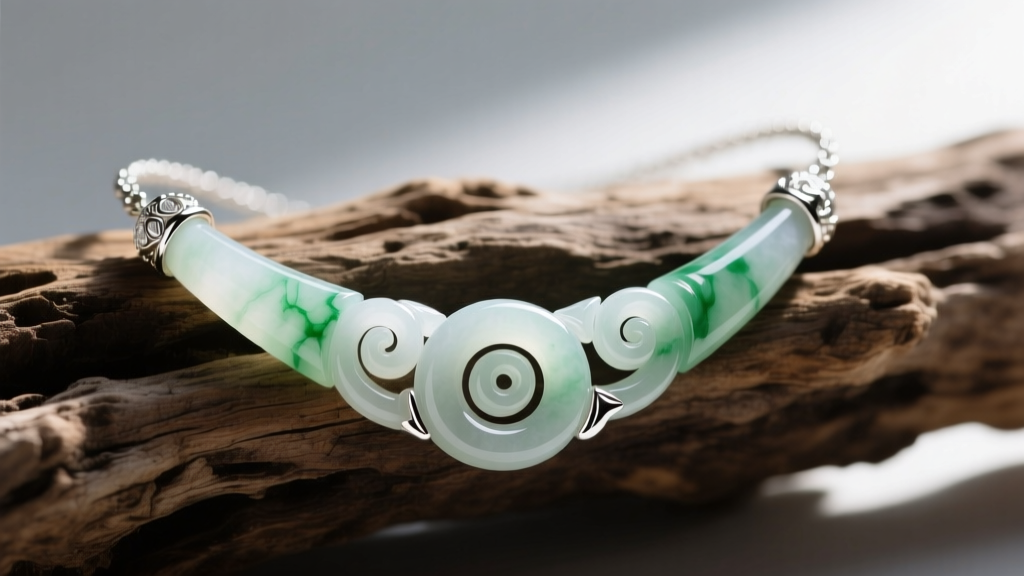
Traditional vs. Contemporary Carving Motifs
The power of a Taonga necklace lies in its shape. Traditional Māori carvings are deeply spiritual, with each motif carrying specific mana (prestige and spiritual power).
The Core Taonga Shapes
- Koru (Unfurling Fern): Symbolizes new life, growth, and peace. The spiral design is the most globally recognized and versatile for everyday layering.
- Hei Matau (Fish Hook): Represents prosperity, safe travel over water, and a deep respect for the ocean. Highly popular among surfers and travelers.
- Roimata (Tear Drop): A long, teardrop-shaped pendant symbolizing healing, comfort, and empathy. Often gifted during times of transition or grief.
- Pikorua (Twist): The figure-eight shape represents the eternal bond between two people, making it a profound alternative to traditional Western promise rings or anniversary pendants.
2026 Trend: Geometric Minimalism and Mixed Metals
While traditional hand-carved motifs remain the gold standard for cultural significance, the 2026 trend landscape is dominated by geometric Pounamu. Master carvers are now utilizing diamond-tipped lapidary saws to create sharp, architectural hexagons, raw-edge slices, and perfectly spherical beads. Furthermore, the integration of mixed metals—specifically 14k recycled gold bezels and oxidized sterling silver capping—has elevated the New Zealand necklace into the luxury fine jewelry space. This fusion allows the deep greens of the Kawakawa jade to pop against warm gold tones, bridging the gap between indigenous craft and high-end metropolitan fashion.
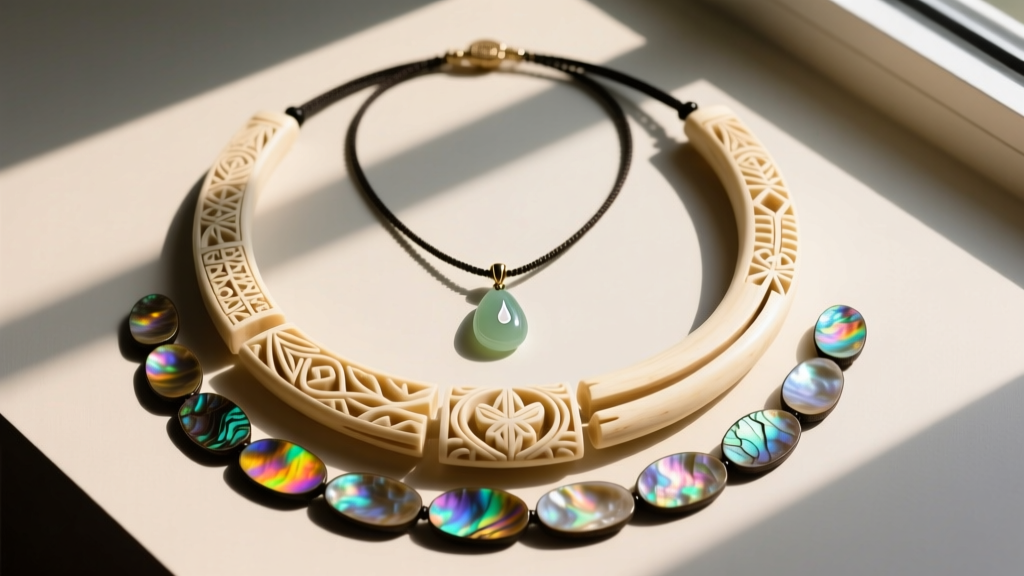
Cords, Chains, and the Protocol of Gifting (Tikanga)
How you wear and acquire your necklace is just as important as the stone itself. Traditionally, Pounamu is bound to adjustable cords rather than metal chains. The preferred material in 2026 is 1.5mm to 2mm waxed cotton or traditionally plaited Harakeke (native flax). Waxed cotton provides the necessary tensile strength to hold heavy jade drops (which can weigh upwards of 40 grams) without fraying against the stone's drill hole.
"Under traditional Tikanga (Māori protocol), Pounamu should ideally be received as a gift rather than purchased for oneself. The act of gifting transfers a piece of the giver's wairua (spirit) into the stone, increasing its mana over generations."
If you are buying for yourself, contemporary carvers often suggest having a loved one formally 'gift' it to you after purchase to honor the spirit of the tradition. For metal chain pairings, avoid thin, delicate cables (under 1.2mm) as the weight and hardness of the nephrite will eventually cause metal fatigue and chain breakage. Opt for 2mm to 3mm sterling silver rope chains or solid 14k gold Figaro links with secure lobster clasps.
Sourcing Authentic Pieces: Avoiding the Fakes
The global market is flooded with 'New Jade' (Bowenite/Serpentine) and dyed quartz masquerading as authentic New Zealand necklaces. To ensure authenticity, rely on the Ngāi Tahu authentication framework. The Ngāi Tahu iwi (tribe) are the legal guardians (kaitiaki) of Pounamu, and ethically sourced stones will often come with a certificate of origin detailing the specific South Island riverbed where the boulder was sustainably extracted.
The Scratch and Temperature Tests
If you are evaluating a vintage or unverified piece, use the temperature test: true nephrite is incredibly dense and will feel distinctly cold to the touch, taking several seconds to warm up against your skin, whereas glass or resin will warm instantly. Additionally, because Pounamu sits at a 6.5 on the Mohs scale, it cannot be scratched by a standard steel knife (Mohs 5.5). If a seller allows it, a gentle scratch test on the back of the pendant will immediately expose softer, fake serpentine (Mohs 3.5-4.0).
Styling Your Taonga for Modern Wardrobes
The versatility of the New Zealand necklace makes it a staple for 2026 capsule wardrobes. Here is how to style your Taonga based on neckline and occasion:
- The Crew Neck Baseline: Pair a 45mm Kawakawa Koru on a black waxed cord over a crisp white linen shirt or a heavyweight cotton crewneck sweater. The dark green provides a striking, earthy contrast to monochromatic basics.
- The V-Neck Layer: For a V-neck or scoop neck, utilize a 20-inch 14k gold chain featuring a small, geometric Inanga jade slice. Layer it with a 22-inch delicate gold pendant to create a staggered, curated aesthetic that draws the eye downward.
- Evening & Formal Wear: Reserve the intricate, master-carved Hei Tiki or large Roimata drops for high-necked silk blouses or open-collar blazers. The polished surface of high-grade Pounamu catches ambient light similarly to a cabochon emerald, offering a sophisticated, conversation-starting focal point without the flashiness of faceted gemstones.
By understanding the geology, respecting the cultural weight, and embracing the contemporary design shifts of 2026, your New Zealand necklace becomes more than an accessory—it becomes a wearable piece of Earth's history and indigenous artistry.


