How to Fix & Restore a Tarnished Fishing Lure Necklace
Learn how to troubleshoot your fishing lure necklace. Expert tips on sealing lead, preventing skin stains, blunting hooks, and choosing heavy chains.

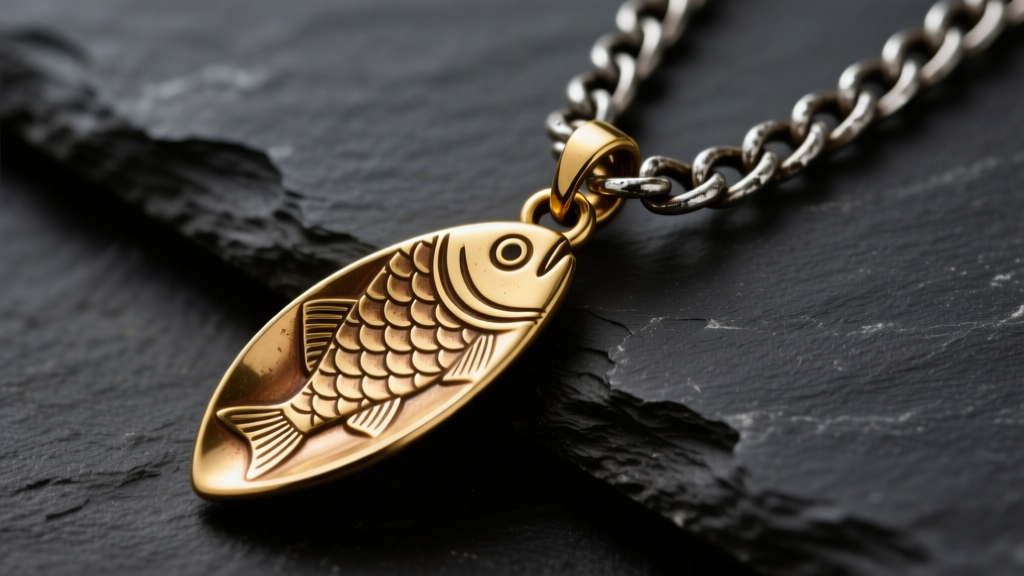
The rugged, outdoorsy appeal of a fishing lure necklace has made it a staple in rustic, coastal, and streetwear jewelry trends. However, repurposing actual tackle—or even wearing mass-produced novelty pendants—introduces a unique set of metallurgical and mechanical problems. Fishing lures are engineered to withstand harsh saltwater and attract aggressive predators, not to rest safely and comfortably against human skin. If your pendant is leaving green stains on your chest, snagging your favorite sweaters, or repeatedly breaking chains, you are dealing with fundamental design mismatches.
In this comprehensive troubleshooting guide, we break down the exact material science, chemical sealants, and hardware fixes required to transform a hazardous piece of tackle into a safe, durable, and comfortable daily-wear accessory.
The Toxicity Trap: Identifying and Sealing Lead
The most critical issue with wearing vintage or authentic fishing tackle is the potential for heavy metal exposure. Historically, jigs, sinkers, and the bodies of many spoons were cast from lead due to its high density and low melting point. While modern sporting goods brands have largely transitioned to bismuth, zinc, or tungsten, vintage lures sourced from flea markets or old tackle boxes remain highly toxic.
Before wearing any authentic lure, you must test it. Purchase a pack of 3M LeadCheck swabs from a hardware store. Crush the swab to mix the internal chemicals and rub it against an inconspicuous part of the lure. If the swab turns pink or red, lead is present. According to the CDC guidelines on lead exposure, prolonged skin contact and the risk of hand-to-mouth transfer make wearing unsealed lead jewelry highly dangerous.
Encapsulation Solutions
If you are committed to wearing a lead-based heirloom piece, you must fully encapsulate it. Standard clear nail polish will chip within days. Instead, use a professional-grade jewelry coating like Rio Grande's ProtectaClear coating. This is a tough, durable, skin-safe polyurethane designed specifically to seal copper, brass, and hazardous metals. Apply two thin coats, allowing 24 hours of curing time between layers in a dust-free environment. This creates an impermeable barrier that prevents lead dust from shedding onto your skin or clothing.
Hook Snags and Skin Lacerations: Safety Modifications
Fishing lures are armed with treble hooks and razor-sharp barbs designed to tear through the jaws of predatory fish. When worn as a necklace, these hooks act as miniature grappling hooks that will destroy knitwear and lacerate your skin during sudden movements.
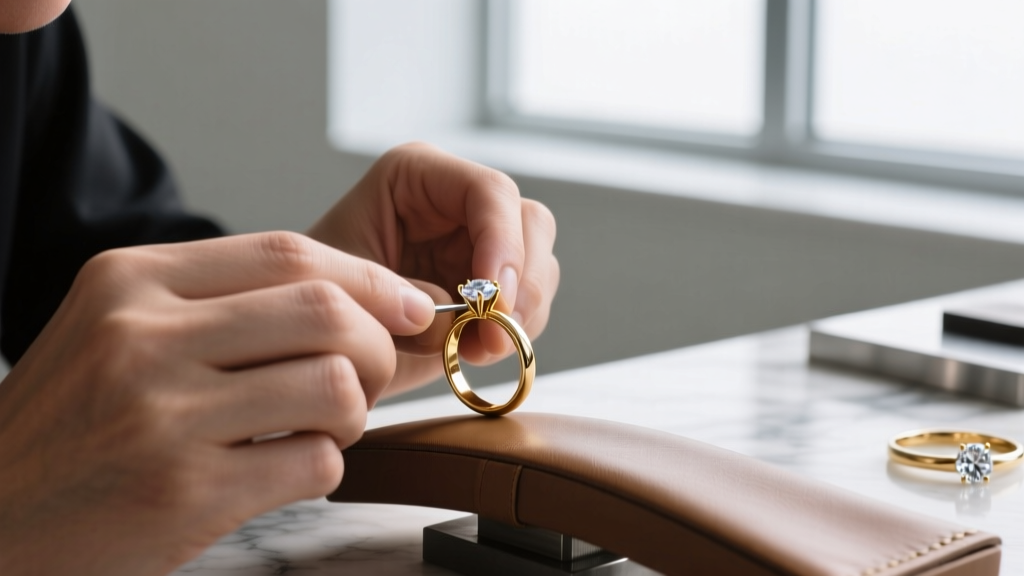
You must modify the hardware before the lure ever touches your neckline. Below is a troubleshooting matrix for neutralizing hook hazards without destroying the aesthetic of the lure.
| Modification Method | Tools Required | Durability | Best For |
|---|---|---|---|
| Barb Crushing | Chain-nose pliers | High | Retaining authentic lure shape safely |
| Flush Cutting | Micro flush cutters | Medium | Removing secondary treble hooks entirely |
| Silicone Capping | Heat-shrink tubing | Low | Temporary display-only wear |
| Hook Replacement | Split ring pliers | Very High | Swapping treble hooks for dull safety snaps |
Expert Recommendation: Use a pair of heavy-duty micro flush cutters to snip off the barbs entirely, then file the remaining tips smooth with a 400-grit diamond needle file. This preserves the aggressive silhouette of the hook while rendering it completely safe for skin contact.
The Green Skin Problem: Combating Brass and Nickel Oxidation
A common complaint among anglers-turned-jewelry-wearers is waking up with a vivid green or black smudge on their sternum. This is not a sign of cheap jewelry; it is a basic chemical reaction. Most classic fishing spoons are stamped from brass (an alloy of copper and zinc) or nickel silver (a copper-nickel-zinc alloy that contains zero actual silver).
When these copper-heavy alloys come into contact with the chloride, lactic acid, and moisture found in human sweat, they undergo rapid oxidation, forming copper chloride. This compound transfers directly to the skin. Furthermore, the nickel content in German silver lures can trigger severe contact dermatitis in sensitive individuals.
Sealing the Alloy
To stop the oxidation cycle, you must separate the metal from your skin's microclimate. Avoid aerosol clear coats, which yellow and peel when exposed to UV light and body heat. Instead, apply a microcrystalline wax like Renaissance Wax. Originally developed by the British Museum to protect antique metals, this wax is acid-free and highly moisture-resistant. Rub a thin layer onto the back of the lure, let it dry for 10 minutes, and buff it with a microfiber cloth. Reapply every three to four weeks depending on wear frequency. For a permanent fix on the back of the pendant, apply a layer of UV-curing jewelry resin, which will cure into a hard, skin-safe plastic shield.
Hardware Failure: Matching Chain Gauges to Heavy Lures
Standard jewelry chains are designed to hold lightweight pendants, typically weighing between 2 and 5 grams. A standard fishing spoon or plug weighs anywhere from 15 to 45 grams. When you hang a 30-gram piece of metal on a delicate 18-gauge or 20-gauge chain, the kinetic force of the pendant swinging against your chest will cause rapid metal fatigue, resulting in a snapped chain and a lost lure.
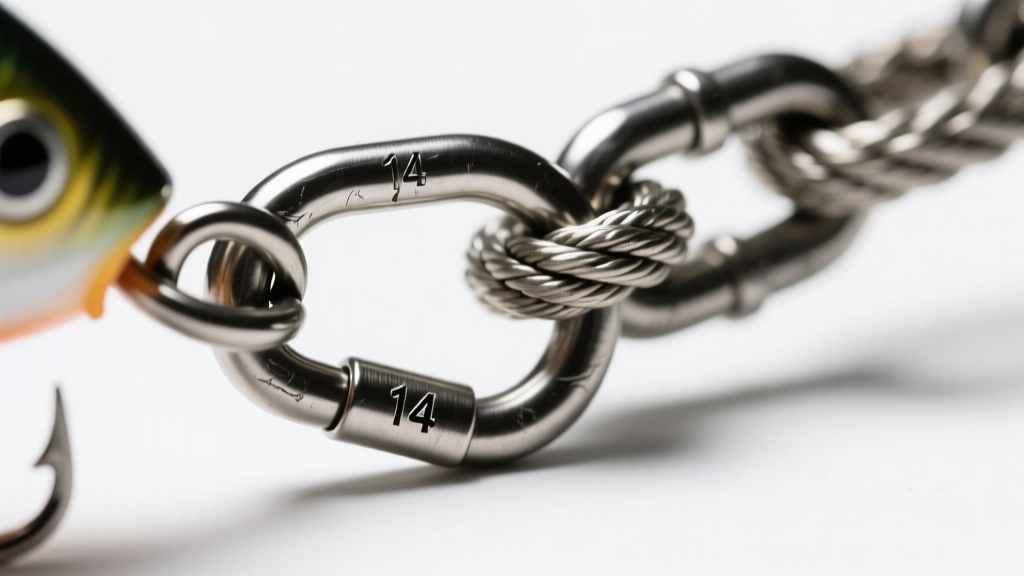
To troubleshoot chain breakage, you must upgrade your hardware to match the industrial nature of the pendant.
- The Chain: Upgrade to a 3mm to 5mm curb chain or rope chain made from marine-grade 316L stainless steel or solid 14k yellow gold. These styles feature interlocking links that distribute weight laterally, preventing kinking and snapping.
- The Jump Ring: Never use the flimsy split rings that come attached to fishing lures. Replace them with a 14-gauge (1.6mm) or 12-gauge (2.0mm) heavy-duty jump ring. Ensure the jump ring is soldered shut or features a locking mechanism to prevent the lure from sliding out during wear.
- The Clasp: Standard lobster clasps will fail under the weight and pull of a heavy lure. Swap the clasp for a heavy-duty toggle clasp or a magnetic neodymium safety clasp rated for at least 50 grams of tensile pull.
Upgrading the Bail: Drilling vs. Wire Wrapping
Finally, consider how the lure attaches to the chain. Many DIY enthusiasts make the mistake of taking a power drill to a hardened steel or brass lure to create a custom top-drilled hole. This introduces severe structural weaknesses. Drilling through thin-gauge stamped brass can cause micro-fractures radiating outward from the hole, leading to the pendant snapping in half under its own weight.
Instead of drilling, utilize the existing line-tie eyelet at the top of the lure. If the eyelet is too small for your heavy-duty jump ring, use a mandrel and wire-wrapping technique. Wrap a 16-gauge sterling silver or copper wire tightly around the eyelet, creating a custom, oversized bail loop that rests securely above the lure without compromising the integrity of the base metal. This preserves the structural soundness of the tackle while providing a safe, oversized gateway for your heavy-duty chain.


