14k Gold Disc Necklace Gift Guide: Match Any Occasion
Discover how to choose, style, and gift a 14k gold disc necklace for any occasion. Expert tips on chain types, weights, and personalized engraving.

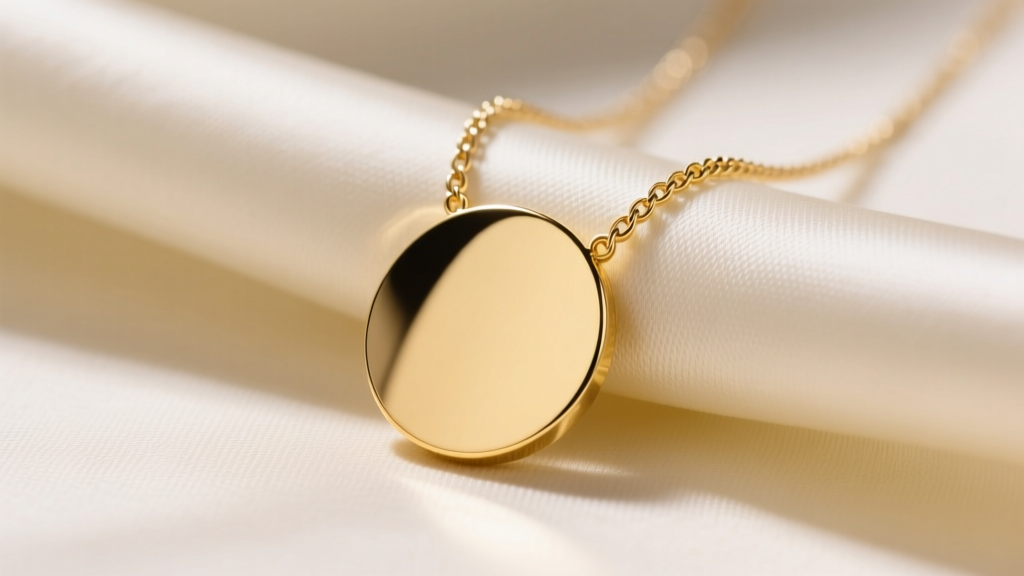
Few pieces of jewelry bridge the gap between everyday minimalism and profound sentimental value quite like the 14k gold disc necklace. As we navigate the gifting landscape in 2026, the disc pendant remains a dominant force in fine jewelry, favored for its clean geometry and unmatched versatility. However, not all disc necklaces are created equal. The difference between a flimsy, easily bent trinket and a lifelong heirloom lies in the metallurgy, the gauge thickness, and the chain mechanics.
Whether you are shopping for a milestone anniversary, a graduation, or a 'just because' gesture, this comprehensive guide will help you select the perfect 14k gold disc necklace, ensuring your gift is both structurally sound and emotionally resonant.
The Anatomy of a Quality 14k Gold Disc Necklace
To make an informed purchase, you must first understand why 14k gold is the superior choice for flat, high-polish pendants. Pure 24k gold is far too soft for daily wear. According to the Gemological Institute of America (GIA), 14k gold consists of 58.5% pure gold, with the remaining 41.5% composed of strengthening alloys like copper, silver, and zinc.
This specific alloy ratio is critical for disc necklaces. A flat, mirror-polished surface acts as a magnet for micro-scratches. While 18k gold (75% pure) offers a richer yellow hue, its softer nature makes it highly susceptible to denting and warping if the disc is snagged. 14k gold provides the ideal balance of rich color and tensile strength, ensuring the disc maintains its structural integrity over decades of wear.
Gauge Thickness and Weight
The thickness of the disc, measured in gauges, dictates its durability and drape:
- 22-Gauge (0.64mm): Lightweight and delicate. Best for smaller discs (8mm-10mm) meant for layering. Prone to bending if subjected to pressure.
- 20-Gauge (0.81mm): The industry standard for mid-range jewelry. Offers a good balance of weight and durability for 10mm-12mm discs.
- 18-Gauge (1.02mm) to 16-Gauge (1.29mm): Premium, heirloom-quality thickness. Essential for larger discs (15mm+) to prevent warping. Provides a satisfying, substantial weight against the collarbone.
Occasion Matching: When to Gift a Disc Necklace
The beauty of the 14k gold disc necklace lies in its adaptability. By adjusting the disc diameter, chain length, and finish, you can tailor the piece to perfectly suit the recipient and the occasion. Below is a strategic framework for matching the necklace specifications to the event.
| Occasion | Ideal Disc Size & Gauge | Chain Style & Length | Customization / Engraving Idea |
|---|---|---|---|
| Push Present / New Mother | 12mm - 15mm (18-Gauge) | 1.2mm Box Chain, 16-18 inches | Child's birthdate in Roman numerals or a tiny fingerprint laser engraving. |
| Graduation | 10mm (20-Gauge) | 0.9mm Cable Chain, 16 inches | Minimalist coordinates of the university campus on the reverse side. |
| Milestone Anniversary | 15mm - 20mm (16-Gauge) | 1.5mm Rope Chain, 18 inches | Hand-engraved monogram or a significant milestone date. |
| Everyday 'Just Because' | 8mm - 10mm (22-Gauge) | 0.8mm Satellite Chain, 14-15 inches | High-polish blank (no engraving) for a clean, modern aesthetic. |
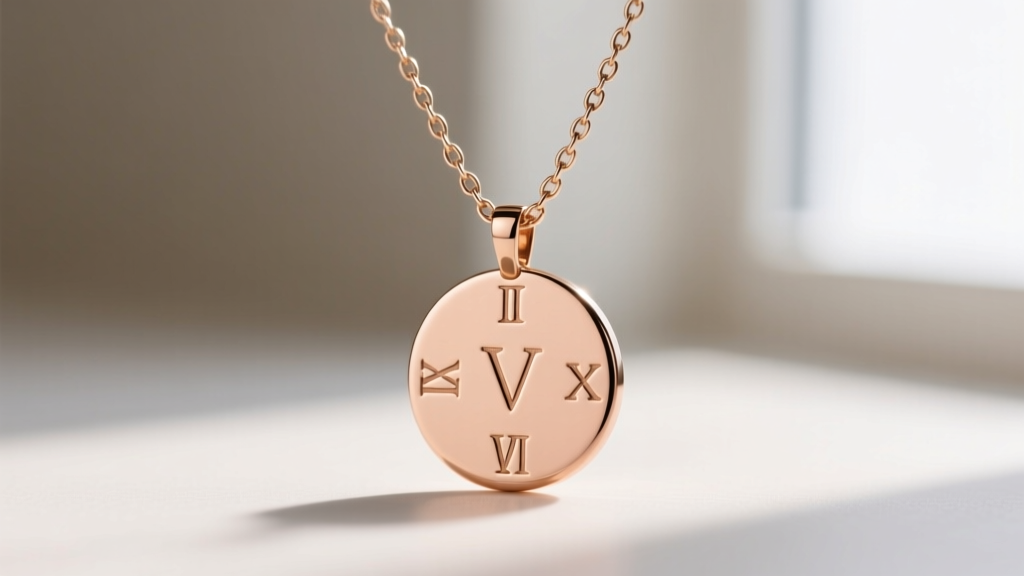
Chain Selection: The Unsung Hero of the Pendant
A common mistake when gifting a 14k gold disc necklace is overlooking the chain. The chain must support the weight of the disc without kinking or breaking. In 2026, jewelry designers are moving away from ultra-fine, fragile chains in favor of slightly more robust, textured options that offer better longevity.
Top Chain Styles for Disc Pendants
- The Box Chain: Composed of square, interlocking links, the box chain is incredibly strong and lays perfectly flat against the skin. It is the best choice for heavier 18-gauge discs because it resists kinking and won't pull chest hair.
- The Rope Chain: Twisted links create a spiral effect that catches the light beautifully. More importantly, the textured surface naturally hides the micro-scratches that inevitably occur with daily wear. A 1.2mm to 1.5mm rope chain is virtually indestructible for everyday use.
- The Cable Chain: The classic oval-link chain. While traditional, cable chains under 1.0mm are prone to kinking if the disc pendant is heavy or if the wearer sleeps in it. If choosing a cable chain, opt for a 'satellite' variation (links interspersed with small beads) to add visual interest without sacrificing too much strength.
Expert Tip: Always check the clasp. For chains thicker than 1.0mm, a lobster clasp is mandatory for security. Spring-ring clasps should only be used on ultra-fine (under 0.9mm) chains, as they lack the internal spring tension to hold heavier pendants securely.
Engraving & Customization: Adding Sentimental Value
Transforming a standard 14k gold disc necklace into a deeply personal gift requires expert engraving. The technique you choose depends entirely on the size of the disc and the complexity of the design.
"When engraving a flat gold disc, the metal's hardness is your friend. 14k gold holds a laser engraving with razor-sharp precision, allowing us to etch actual fingerprints or 4-point font text onto a 10mm disc without the lines bleeding together." — Master Bench Jeweler
Laser vs. Hand Engraving
Laser Engraving uses a focused beam of light to vaporize the metal's surface. It is ideal for intricate designs, barcodes, soundwaves, fingerprints, and tiny text. It works exceptionally well on smaller discs (8mm-12mm) and can easily be applied to the reverse side of the pendant without compromising the front's high-polish finish.
Hand Engraving involves a master artisan using a pneumatic graver to carve ribbons of metal away from the surface. This creates deep, tactile grooves that catch the light and shadow, offering a romantic, old-world charm. Hand engraving requires more surface area; it is highly recommended to use a disc no smaller than 14mm to allow the artisan's tools to maneuver gracefully.

2026 Pricing Breakdown: What to Expect
Understanding the pricing tiers of a 14k gold disc necklace protects you from overpaying for mass-market items or underestimating the cost of true artisan craftsmanship. Based on current 2026 precious metal markets and retail markups, here is a realistic pricing framework:
- $120 - $250 (The Entry Tier): Typically features a 22-gauge or 20-gauge disc (8mm-10mm) on a lightweight, hollow-cable chain. Often mass-produced and stamped. Excellent for trendy, fast-fashion gifting, but not recommended as a lifelong heirloom.
- $300 - $550 (The Sweet Spot): The ideal range for a quality gift. Expect a solid 18-gauge or 20-gauge disc (12mm-15mm) paired with a durable 1.0mm-1.2mm box or rope chain. This tier usually includes basic laser engraving and is sourced from reputable independent jewelers or established online fine jewelry brands.
- $650 - $1,200+ (The Artisan / Designer Tier): Features heavy 16-gauge discs (15mm-20mm), premium hand-engraving, and substantial, solid-link chains. You are paying for the weight of the gold, the bench-jeweler's labor, and brand prestige.
Care and Maintenance for the Mirror Finish
The defining characteristic of a classic disc necklace is its mirror-like, high-polish finish. However, this flat, reflective surface will inevitably accumulate micro-scratches from contact with clothing, skin oils, and environmental dust. According to jewelry care guidelines highlighted by Forbes Vetted, proper maintenance is key to preserving the piece's luster.
To clean a 14k gold disc necklace, avoid harsh chemical dips or ultrasonic cleaners, especially if the piece features any enamel accents or delicate laser-etched oxidization. Instead, use a few drops of mild dish soap in warm water and a soft-bristled baby toothbrush to gently clean around the bail (the loop connecting the disc to the chain).
To restore the mirror finish, use a treated jeweler's polishing cloth (such as a Cape Cod cloth) once every six months. Rub the cloth gently in a circular motion over the face of the disc. Store the necklace flat or hung vertically in a soft pouch to prevent the chain from tangling and scratching the gold surface.
Final Thoughts on Gifting the Perfect Disc
A 14k gold disc necklace is more than just a trend; it is a blank canvas for personal expression. By paying close attention to the gauge thickness, selecting a chain that offers structural integrity, and choosing an engraving method that suits the disc's dimensions, you elevate a simple piece of metal into a profound, wearable memory. Whether marking a new chapter in life or celebrating a quiet, everyday moment, the right disc necklace will remain a staple in the recipient's jewelry box for decades to come.


