The Ultimate Guide Choosing Necklaces for Necklines on a Budget
Master your wardrobe with our budget guide choosing necklaces for necklines. Discover cost-per-wear metrics, material grades, and styling tips.

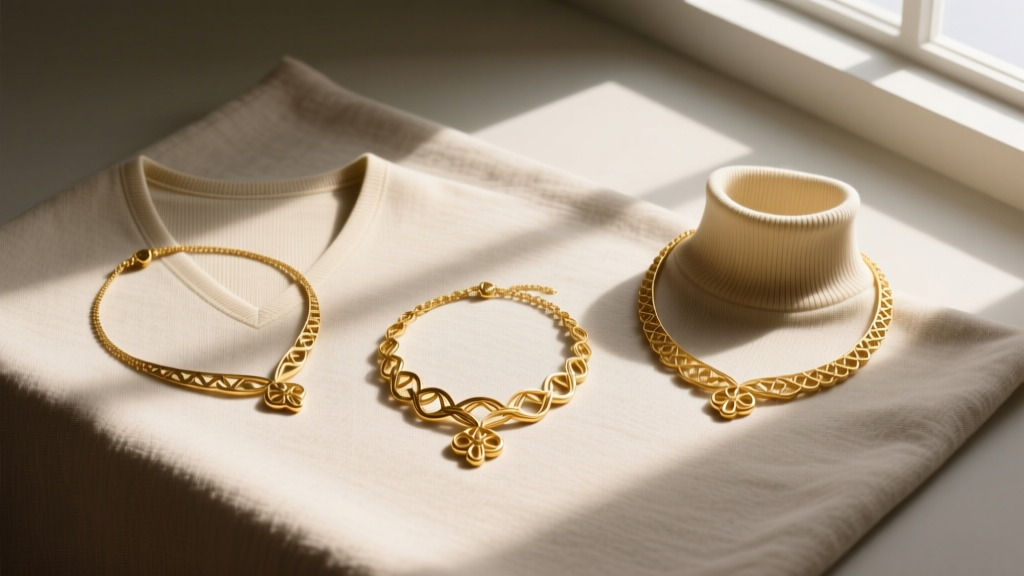
Building a versatile jewelry collection requires more than just an eye for aesthetics; it demands a strategic approach to budget and material longevity. When mapping out your accessories, the intersection of neckline compatibility and cost-per-wear is where true value lies. A cheap necklace that tarnishes after three wears is a poor investment, while a moderately priced piece that perfectly complements five different necklines becomes a wardrobe workhorse. In this comprehensive guide choosing necklaces for necklines, we break down the exact measurements, material grades, and pricing tiers you need to maximize your jewelry budget in 2026.
The Cost-Per-Wear Matrix: Necklaces by Neckline
Before diving into specific styles, it is crucial to understand how necklace length dictates its versatility across your wardrobe. The standard jewelry industry categorizes lengths into specific tiers, each serving a distinct structural purpose against the collarbone and chest. Below is a value-assessment matrix to help you allocate your budget based on your most-worn garments.
| Neckline Type | Ideal Length | Chain Style & Width | Budget Allocation | Estimated Cost-Per-Wear |
|---|---|---|---|---|
| Crew & Scoop | 16" - 18" (Princess) | 1.2mm - 1.5mm Cable or Rope | 30% of Budget | Low (High Rotation) |
| V-Neck & Sweetheart | 20" - 24" (Matinee) | 1.5mm - 2.0mm Box or Figaro | 40% of Budget | Medium (Statement Focus) |
| Turtleneck & Collared | 28" - 36" (Opera/Rope) | 2.5mm+ Curb or Paperclip | 30% of Budget | High (Seasonal Rotation) |
Crew Necks and Scoops: Investing in the 18-Inch Princess Length
The 18-inch princess length is the undisputed workhorse of any jewelry box. It sits perfectly at the collarbone, filling the negative space of a crew neck t-shirt or a modest scoop neck sweater without competing with the garment's hem. From a budget perspective, this is where you should invest in durability over sheer visual weight.
For daily wear against cotton and denim, friction is the primary enemy of gold plating. If your budget is under $100, avoid traditional electroplated brass chains. Instead, look for PVD (Physical Vapor Deposition) coated stainless steel. PVD coating bonds gold to the stainless steel base at a molecular level in a vacuum chamber, making it highly resistant to the friction caused by crew neck collars. Expect to pay between $45 and $85 for a high-quality 1.5mm PVD stainless steel rope chain. If your budget allows for $250+, solid 14k gold is the ultimate lifetime investment, completely eliminating the risk of the base metal oxidizing and staining your skin or clothing.
V-Necks and Sweetheart Cuts: Maximizing Y-Chains and Lariat Value
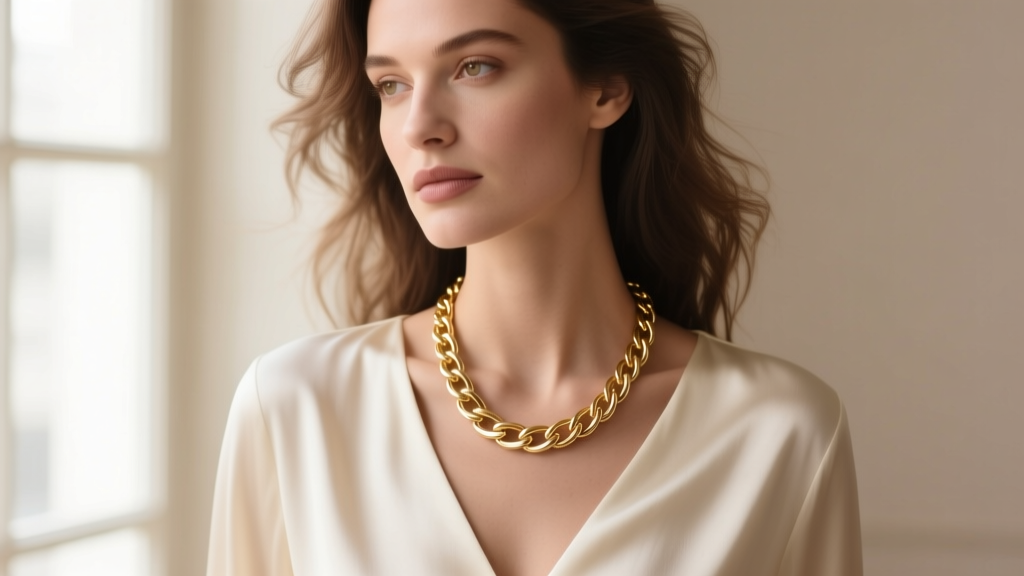
V-necks and sweetheart necklines create a natural geometric frame pointing toward the sternum. To complement this, you need necklaces that mimic or enhance that vertical drop. The 22-inch to 24-inch matinee length, specifically in lariat or Y-chain configurations, provides the highest aesthetic return on investment for these necklines.
When assessing the value of lariat necklaces, pay strict attention to the hardware. The sliding mechanism or the secondary clasp that secures the 'Y' drop is a common failure point in budget jewelry. Cheap spring-ring clasps on the drop portion often fail within six months due to the constant kinetic pulling. Always allocate your budget toward pieces that utilize a secure lobster clasp or a friction-fit silicone-lined slider for the Y-drop. According to the Federal Trade Commission Jewelry Guides, if you are purchasing gold vermeil for these statement pieces, ensure the description explicitly states a minimum of 2.5 microns of gold over a sterling silver base. Anything less is legally considered standard gold plate and will wear through rapidly at the friction points of a lariat slider.
Turtlenecks and High Collars: The Long Chain ROI
Styling 30-inch opera or 36-inch rope lengths over turtlenecks and heavy winter knits requires a completely different material assessment. Heavy fabrics create immense static and friction, which can easily strip thin gold plating. Furthermore, long, delicate chains are prone to snagging on wool and cashmere fibers, leading to structural deformation of the links.
To maximize value here, prioritize structural integrity over delicate craftsmanship. A 3.0mm stainless steel paperclip or curb chain in the $60 to $120 range offers exceptional value. The thicker links resist snagging on knitwear, and the inherent strength of the steel prevents the chain from stretching under its own weight when layered over heavy garments. Avoid wearing long, delicate 14k solid gold chains over rough wools; the micro-abrasions will dull the high-polish finish over time, requiring expensive professional buffing to restore.
Material Value Breakdown: Where to Spend and Save
Understanding the metallurgy of budget jewelry is the cornerstone of smart accessorizing. Here is a definitive breakdown of material grades to help you decide where to stretch your dollar and where to cut costs.
Gold Plated Brass ($15 - $40)
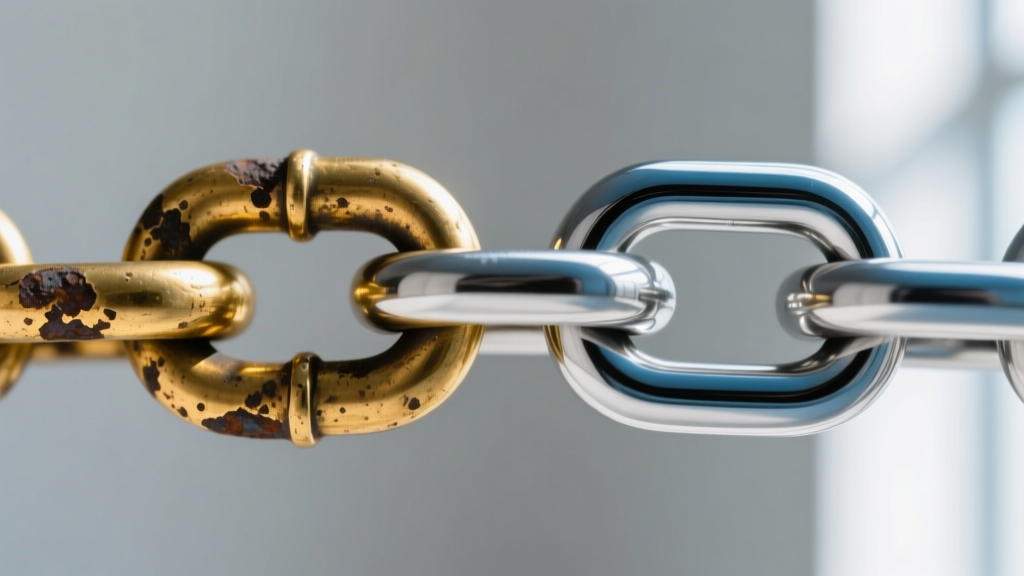
Usually featuring less than 0.5 microns of gold over a brass or copper base. Value Verdict: Poor long-term value. The brass reacts with skin acidity, turning green within weeks. Only purchase for highly specific, trend-driven statement pieces that you plan to wear fewer than five times.
Gold Vermeil ($80 - $180)
Regulated by the Gemological Institute of America (GIA) and the FTC, true vermeil requires a sterling silver base with at least 2.5 microns of gold. Value Verdict: Excellent for medium-rotation pieces. The silver base means that even when the gold eventually wears away, the underlying metal will not turn your skin green, making it a safe mid-tier investment.
PVD Coated Stainless Steel ($40 - $100)
The reigning champion of budget durability in 2026. The gold color is achieved through vaporized titanium nitride bonding. Value Verdict: Unbeatable cost-per-wear for daily, waterproof, friction-heavy pieces. It lacks the intrinsic resale value of precious metals but outlasts vermeil by years in harsh conditions.
Solid 10k or 14k Gold ($250 - $800+)
Alloyed gold that will never tarnish or flake. Value Verdict: The highest upfront cost but the lowest cost-per-wear over a decade. Reserve this budget for your foundational 18-inch chains and heirloom-quality pendants that will anchor your entire wardrobe.
Smart Budgeting Strategies for a Versatile Capsule
If you have a strict $300 budget to build a neckline-versatile capsule collection from scratch, do not spread it evenly across five cheap necklaces. Instead, use the 50/30/20 jewelry allocation rule:
- 50% ($150): Invest in one high-quality 18-inch solid 10k or heavy 14k gold-filled rope chain (1.5mm). This will serve your crew necks and daily scoops flawlessly for years.
- 30% ($90): Purchase a 24-inch PVD stainless steel box chain with a secure lobster clasp and a versatile geometric slide pendant. This covers your v-necks and button-down shirts with zero maintenance anxiety.
- 20% ($60): Buy a trendy, seasonal 30-inch layered paperclip chain in gold vermeil or heavy plate for winter turtleneck styling, accepting that it may need replacement in two to three years.
By aligning your financial investment with the structural demands of your most-worn necklines, you transition from buying disposable accessories to curating a reliable, high-value wardrobe toolkit.


