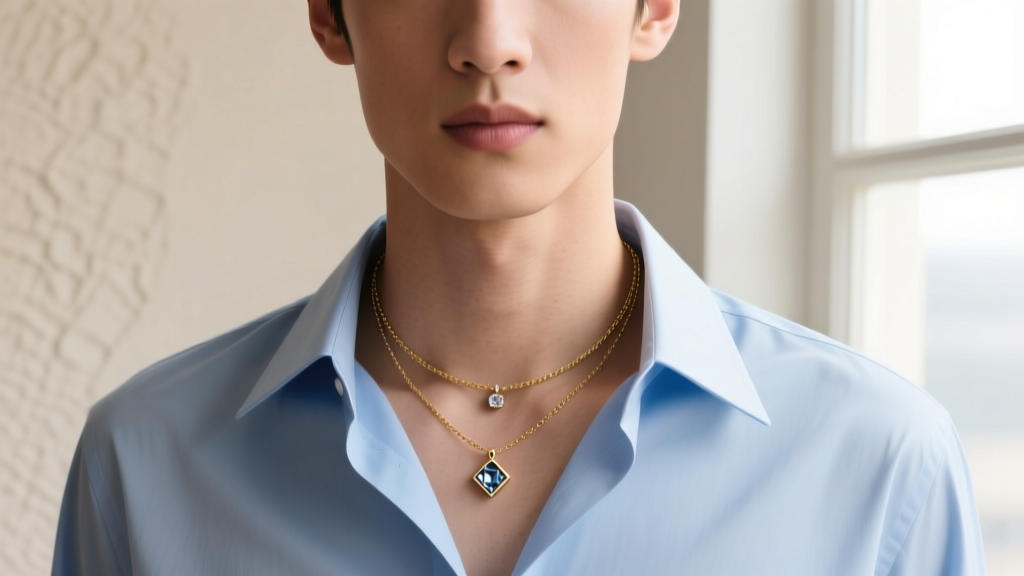
How Average Necklace Length Dictates Your Cleaning Routine
Discover how your average necklace length impacts wear and tear. Learn expert cleaning, maintenance, and care routines for every chain size.

The Hidden Physics of Necklace Length and Wear
When jewelers and stylists discuss the average necklace length, the conversation almost exclusively revolves around aesthetics, neckline pairing, and face shape. Typically falling between 16 and 18 inches for women (the Princess length) and 18 to 20 inches for men, this standard sizing is the backbone of the jewelry industry. However, from a metallurgical and gemological perspective, the length of a necklace fundamentally alters its physics of wear, dictating its exposure to environmental hazards, mechanical stress, and cosmetic buildup.
Understanding how your specific necklace length interacts with your body and clothing is the first step toward establishing a proper maintenance routine. A 16-inch choker sits firmly in the "cosmetic splash zone," enduring constant exposure to sebum, perfumes, and lotions. Conversely, a 24-inch Matinee or 30-inch Opera length acts as a pendulum, subjecting the chain links and clasp to dynamic tensile stress and friction against fabrics. By tailoring your care regimen to the physical realities of your necklace's length, you can drastically extend its lifespan and maintain its original luster.
Maintenance Protocols by Average Necklace Length
14 to 18 Inches: Collar, Choker, and Princess Lengths
Necklaces in the 14 to 18-inch range rest directly against the skin of the neck and upper chest. This area is highly active with sebaceous glands and is the primary target for daily fragrance application. The most common failure mode for these lengths is not mechanical breakage, but rather the accumulation of a hardened matrix of dead skin cells, lotion, and perfume oils within the chain links and clasp mechanisms.
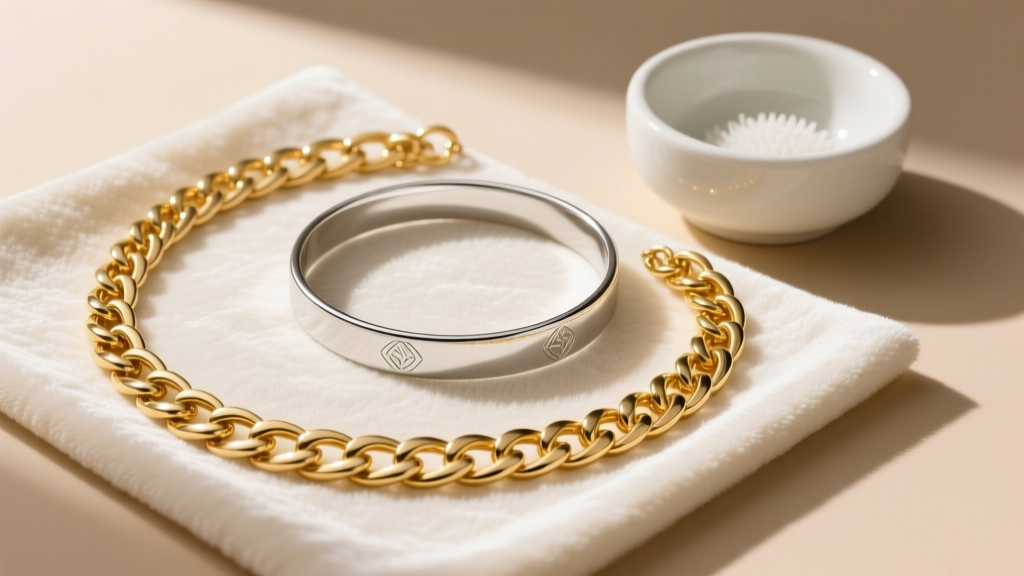
Care Protocol: These lengths require frequent degreasing. For solid gold, platinum, or sterling silver chains without porous gemstones, a weekly soak in a solution of warm water and a few drops of degreasing dish soap (like Dawn) is essential. Use an extra-soft goat-hair brush to gently agitate the clasp area. If utilizing an ultrasonic cleaner, ensure it operates at a gentle 40kHz to 45kHz frequency for no more than three minutes; higher frequencies or prolonged exposure can weaken the solder points on delicate 0.8mm to 1.0mm chains typical of this length.
20 to 24 Inches: Matinee Lengths
As we move past the 18-inch mark, the necklace begins to rest on the clothing rather than bare skin. While this reduces cosmetic buildup, it introduces a new threat: friction and snagging. A 22-inch necklace swings against zippers, buttons, and rough textiles like wool or tweed. This constant micro-abrasion can slowly wear down the metal at the link junctions, particularly in softer metals like high-karat gold or pure silver.
Care Protocol: Maintenance for Matinee lengths shifts from degreasing to structural inspection. Once a month, lay the necklace flat on a dark velvet pad and use a 10x jeweler's loupe to inspect the links for thinning or distortion. Box chains and rope chains in this length range should ideally be at least 1.2mm in gauge width to resist the tensile stress of pendulum movement. If you notice surface scratches from clothing friction, a professional polish with a rouge cloth will restore the finish, but avoid over-polishing, which removes metal and weakens the chain.
28 to 36 Inches: Opera and Rope Lengths
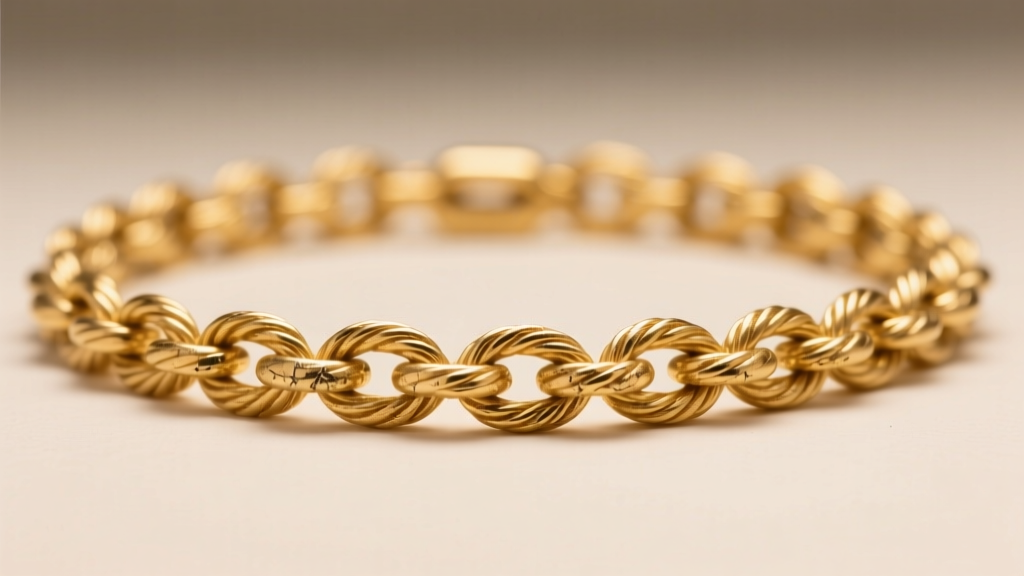
Opera and Rope lengths experience the lowest amount of skin contact but the highest amount of mechanical stress. The sheer weight of a 30-inch chain, combined with the leverage applied when it catches on a doorknob or chair arm, places immense strain on the clasp and the immediate jump rings. Furthermore, if these lengths feature strung pearls or beads, the silk or nylon thread is highly susceptible to stretching under the dynamic load.
Care Protocol: Never store Opera-length necklaces hanging on a jewelry tree; gravity will permanently stretch the chain links or the stringing material over time. Always store them coiled loosely in a lined drawer. For strung beads in this length, annual re-stringing by a professional is non-negotiable. Ensure the jeweler uses French wire (gimp) at the clasp to protect the thread from fraying against the metal jump ring.
Length vs. Risk: A Data-Driven Care Matrix
To streamline your jewelry maintenance, refer to the table below. This matrix correlates the average necklace length with its primary environmental risk and the recommended professional servicing interval.
| Necklace Length Category | Typical Measurement | Primary Wear Risk | Home Cleaning Frequency | Professional Servicing |
|---|---|---|---|---|
| Collar / Choker | 14 - 16 Inches | Cosmetic & Sebum Buildup | Weekly (Degreasing) | Every 18 Months |
| Princess (Standard Average) | 17 - 19 Inches | Clasp Mechanism Clogging | Bi-Weekly (Mild Soap) | Annually |
| Matinee | 20 - 24 Inches | Link Friction & Snagging | Monthly (Visual Check) | Annually (Loupe Inspection) |
| Opera | 28 - 32 Inches | Tensile Stress on Clasp | Quarterly (Spot Clean) | Annually (Clasp Solder Check) |
| Rope | 33 - 36+ Inches | String Stretching / Warping | Bi-Annually (Wipe Down) | Annually (Re-stringing) |
The Clasp and Gauge Factor in Average Lengths
The structural integrity of any necklace is only as strong as its weakest point, which is almost always the clasp assembly. Because the average necklace length (16-18 inches) forms a relatively small circle around the neck, it requires less metal to support its own weight compared to longer lengths. Consequently, manufacturers often pair these lengths with delicate 0.8mm or 1.0mm chains and correspondingly tiny lobster or spring-ring clasps.
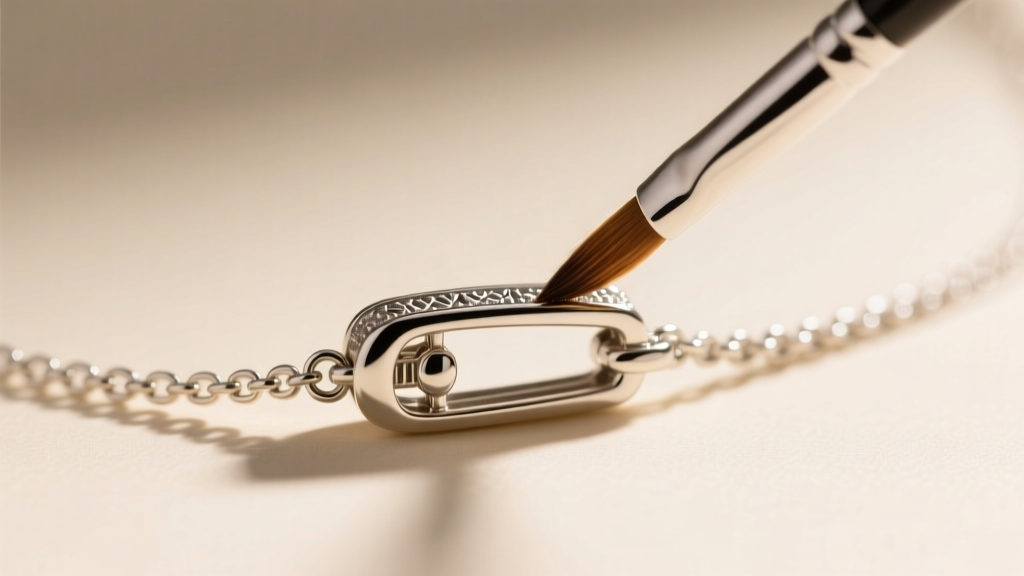
These miniature clasps are notorious for trapping lotion and skin cells, which eventually dries out the internal spring mechanism, causing the clasp to stick open or fail to snap shut. When cleaning an average-length necklace, pay special attention to the clasp. Use a wooden toothpick or a specialized jewelry crevice tool to gently dislodge hardened debris from the lever hinge. According to the Jewelers of America, applying a microscopic drop of synthetic watch oil to the clasp hinge after a thorough cleaning and drying can restore its tension and prevent premature mechanical failure.
Chemical Compatibility and Gemstone Safety
The length of your necklace often dictates the style of pendant or gemstones attached to it, which in turn determines which cleaning chemicals are safe to use. Shorter, average-length necklaces frequently feature solitaire diamonds or durable sapphires, which can withstand commercial jewelry dips and ultrasonic vibrations. Longer lengths, however, often feature bohemian or organic materials like turquoise, lapis lazuli, pearls, or opals.
The Gemological Institute of America (GIA) strictly warns against using ultrasonic cleaners or ammonia-based solutions on porous or hydrated gemstones. If your 16-inch average necklace features a diamond pendant, a 3-minute ultrasonic bath is highly effective. If your 24-inch Matinee necklace features a strand of turquoise beads, you must rely solely on a damp, lint-free microfiber cloth. Never submerge strung jewelry in liquid, as the water will degrade the silk or nylon thread, leading to catastrophic breakage.
Establishing a Sustainable Care Routine
Ultimately, recognizing that the average necklace length is not just a stylistic choice, but a functional parameter, will transform how you care for your collection. By matching your cleaning agents, tools, and inspection schedules to the specific physical demands placed on 16-inch chokers versus 24-inch matinees, you preserve both the metallurgical integrity and the aesthetic brilliance of your jewelry. Implement these targeted protocols, and your necklaces will remain as secure and radiant as the day they were crafted.