Melinda Maria Tennis Necklace Care & Cleaning Guide
Learn how to clean, store, and maintain your Melinda Maria tennis necklace. Expert tips for gold vermeil and cubic zirconia longevity.

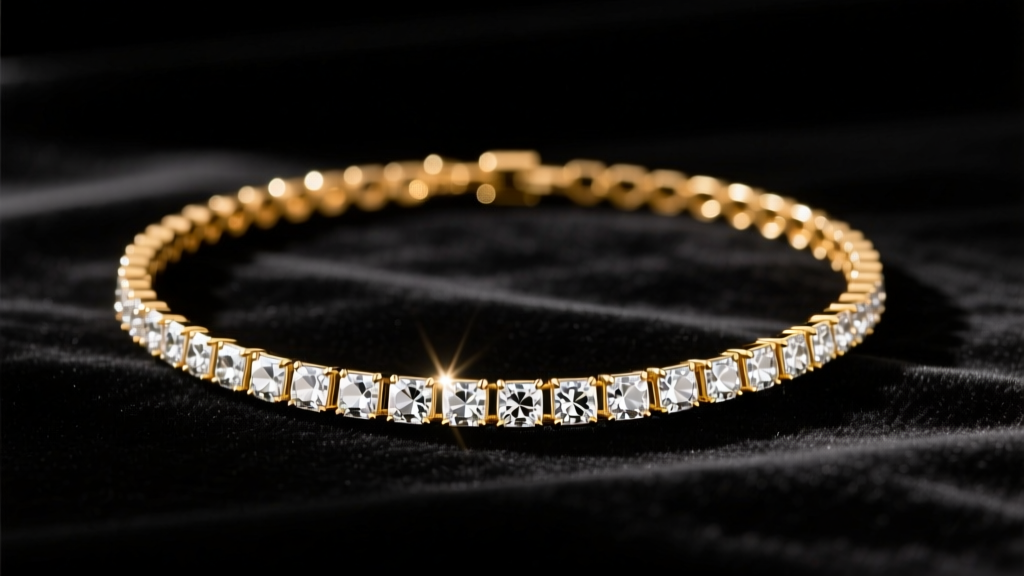
The Melinda Maria tennis necklace has become a staple in modern jewelry wardrobes, celebrated for its accessible luxury, brilliant sparkle, and versatile layering potential. However, maintaining the fiery brilliance of its cubic zirconia (CZ) stones and the rich luster of its gold vermeil finish requires a specific, scientifically grounded approach to care. Unlike solid 14k gold and natural diamonds, gold vermeil and CZ have unique physical and chemical properties that dictate how they react to environmental factors, cosmetics, and cleaning agents.
In this comprehensive 2026 care guide, we break down the exact material science behind your necklace and provide a meticulous, step-by-step maintenance protocol to ensure it remains a radiant staple in your collection for years to come.
Understanding the Materials: Gold Vermeil and Cubic Zirconia
To properly care for your tennis necklace, you must first understand its anatomy. Melinda Maria typically crafts their gold-tone pieces using gold vermeil rather than standard gold plating. According to the Federal Trade Commission (FTC), for a piece to be legally classified as vermeil, it must feature a sterling silver base coated with a minimum of 2.5 microns of 10k, 14k, or 18k gold. This is significantly thicker than flash-plated jewelry (which often measures less than 0.5 microns), offering superior durability. However, the sterling silver base contains copper, which is highly reactive to sulfur and moisture, meaning tarnish is always a risk if the gold layer is compromised.
The stones themselves are typically high-grade Cubic Zirconia (CZ). While CZ ranks at an impressive 8 to 8.5 on the Mohs scale of hardness—making it highly resistant to scratching—it is fundamentally different from a diamond in how it interacts with light and oils. CZ is highly susceptible to oil and soap scum buildup, which quickly dulls its refractive index, causing the once-fiery stones to appear flat, cloudy, or milky. According to the Gemological Institute of America (GIA), regular removal of these surface films is critical to maintaining the stone's optical performance.
The Daily Wear Protocol: Prevention Over Correction
The most effective cleaning method is preventing the need for deep cleaning in the first place. Adopting a strict daily wear protocol will exponentially extend the life of the gold vermeil layer.
- The 'Last On, First Off' Rule: Your tennis necklace should be the very last item you put on after applying lotions, perfumes, hairsprays, and cosmetics, and the first item you take off when you return home. The alcohols and emollients in cosmetics can create a stubborn, cloudy film over CZ stones and slowly degrade the gold vermeil finish.
- Sweat and pH Levels: Human sweat is mildly acidic and contains salts and urea. Prolonged exposure during workouts or hot summer days will accelerate the tarnishing of the sterling silver base if it seeps through micro-abrasions in the gold layer.
- Chlorine and Sulfur Exposure: Never wear your necklace in swimming pools (chlorine reacts aggressively with the copper in sterling silver, causing irreversible blackening) or hot springs (sulfur causes immediate, severe tarnishing).
The Step-by-Step Safe Cleaning Routine
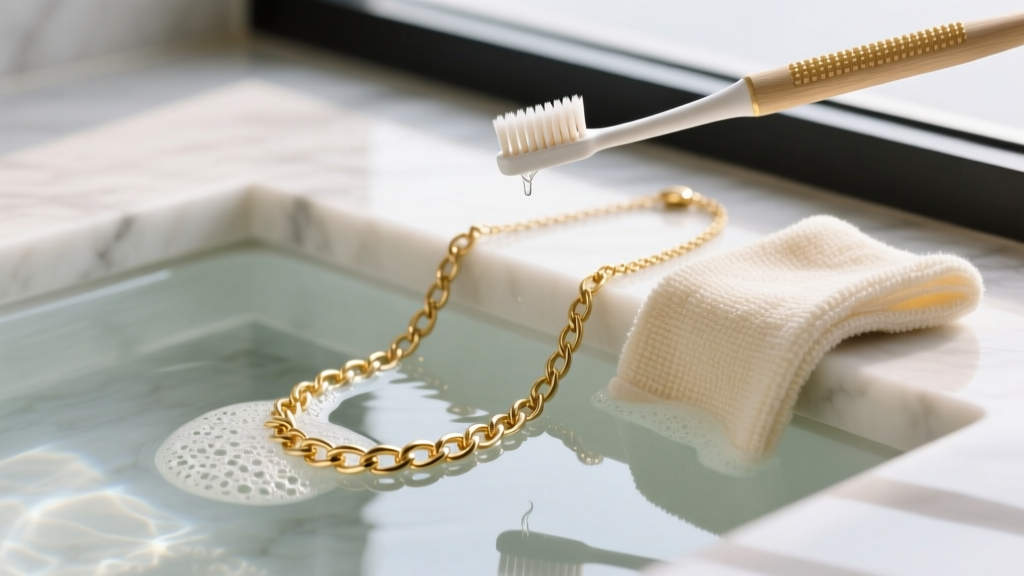
When your necklace begins to look dull or the stones lose their fire, it is time for a gentle, manual cleaning. Avoid harsh chemicals and follow this precise routine:
- Prepare the Solution: Fill a small glass bowl with lukewarm (never hot) water. Add two to three drops of a mild, phosphate-free dish soap, such as original Dawn. Avoid soaps with added moisturizers or heavy fragrances, as these leave a residue.
- The Brief Soak: Submerge the tennis necklace in the solution for exactly 3 to 5 minutes. This is enough time to loosen body oils and dust without allowing water to sit excessively against the metal prongs.
- Gentle Agitation: Using a brand-new, extra-soft baby toothbrush, gently brush the stones. Focus on the pavilion (the underside of the stones where dirt and oils accumulate most heavily). Brush in a circular motion, applying zero downward pressure to avoid bending the delicate prongs.
- The Distilled Rinse: Rinse the necklace under a gentle stream of distilled water. Tap water contains minerals like calcium and magnesium that will leave hard water spots on the CZ, instantly making them look cloudy.
- Drying and Polishing: Pat the necklace dry with a clean, lint-free microfiber cloth. Do not use paper towels or tissues, as their wood-pulp fibers can cause micro-scratches on the gold vermeil. Use a dry, soft-bristled makeup brush to wick away any remaining moisture from beneath the stone settings.
Cleaning Agents and Methods to Absolutely Avoid
Never subject gold vermeil or cubic zirconia to ultrasonic cleaners, steam cleaners, or chemical silver dips. The high-frequency vibrations of ultrasonic machines can easily loosen the adhesive or prongs holding CZ stones, while the heat and chemicals will strip the 2.5-micron gold layer entirely.
- Baking Soda Paste: Highly abrasive. It will scratch the gold finish and create micro-fissures where tarnish will rapidly accumulate.
- Silver Dip (Thiourea-based): Designed for solid sterling silver, these acidic dips will instantly dissolve the gold vermeil coating, leaving you with a raw, silver-colored chain.
- Toothpaste: Contains silica abrasives that will permanently dull both the metal and the surface of the CZ stones.
Strategic Storage to Prevent Tarnish and Scratching
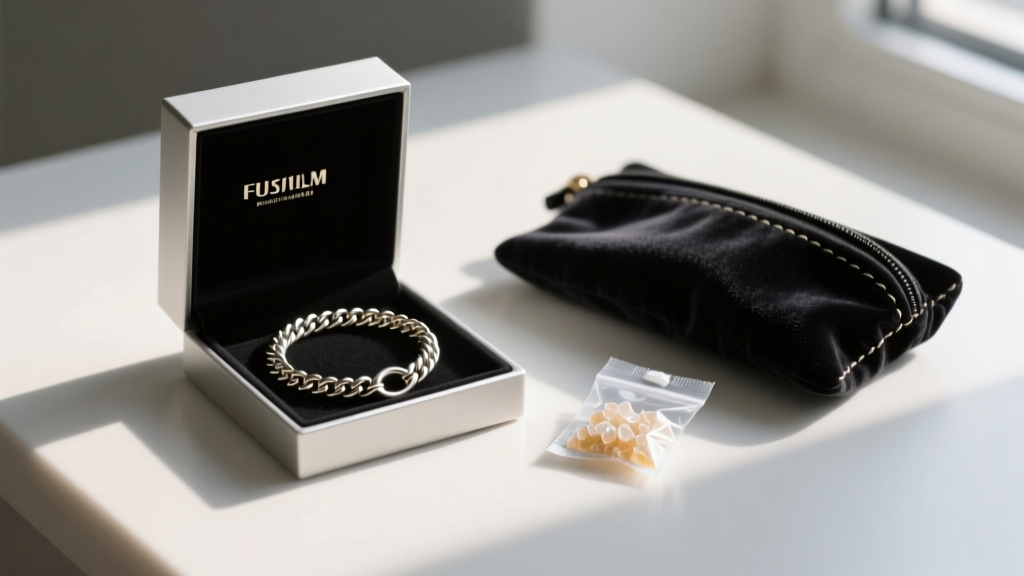
How you store your Melinda Maria tennis necklace is just as critical as how you clean it. The sterling silver core is in a constant battle with atmospheric humidity and sulfur compounds.
1. Climate Control: Store your necklace in a cool, dry environment. Bathrooms are the worst possible storage location due to extreme fluctuations in humidity from showers. Keep a few silica gel desiccant packets in your jewelry drawer to absorb ambient moisture.
2. Anti-Tarnish Technology: Invest in 3M anti-tarnish strips. These strips absorb airborne sulfur compounds before they can reach your jewelry. Place one strip in your jewelry box or storage pouch and replace it every six months.
3. Isolation: Because CZ is harder than gold vermeil, tossing your tennis necklace into a communal jewelry box will result in the stones scratching the gold finish of adjacent pieces—or even its own chain if tangled. Always store it flat in an individual, treated flannel jewelry pouch.
Troubleshooting Common Tennis Necklace Issues
Even with meticulous care, you may encounter specific issues. Use this diagnostic chart to address them safely:
| Issue | Probable Cause | Actionable Solution |
|---|---|---|
| Stones look milky or cloudy | Buildup of lotion, sebum, or hard water minerals on the pavilion (underside) of the CZ. | Perform the soapy water soak and gently brush the underside of the stones with a baby toothbrush. Rinse with distilled water. |
| Gold finish is fading or turning brassy | Natural wear of the 2.5-micron vermeil layer due to friction, sweat, or chemical exposure. | Stop wearing the piece to prevent skin irritation from exposed copper. Take it to a local jeweler for professional gold re-plating. |
| Chain is kinking or tangling | Improper storage or the natural twisting of delicate box or cable chains. | Lay the chain flat on a glass surface, apply a single drop of baby oil to the kink, and use two fine sewing needles to gently tease the link open. Wipe clean afterward. |
| Black spots on the metal | Sulfur or chlorine exposure has tarnished the sterling silver base through a micro-abrasion. | Use a specialized, non-abrasive gold polishing cloth (impregnated with mild jeweler's rouge) to gently buff the area. Do not use liquid silver polish. |
When to Consider Professional Re-Plating
Gold vermeil is incredibly durable, but it is not immortal. Depending on your body chemistry, climate, and wear frequency, the gold layer on a frequently worn tennis necklace may begin to show wear at high-friction points (like the clasp or the center drape) after 2 to 4 years. When the sterling silver or copper base becomes visibly exposed, the piece is a prime candidate for professional electroplating. Many local bench jewelers offer re-plating services, allowing you to restore your Melinda Maria tennis necklace to its original, factory-fresh brilliance without having to replace the entire piece. Always consult the GIA's gold care guidelines or a certified gemologist before entrusting your piece to a third-party plating service to ensure they use the correct micron thickness and karat weight for a seamless restoration.


