Trio Diamond Necklace Buying Guide: 2026 Value & Pricing
Discover how to evaluate a trio diamond necklace in 2026. Compare lab-grown vs. natural pricing, optimal 4Cs, and chain choices for maximum value.

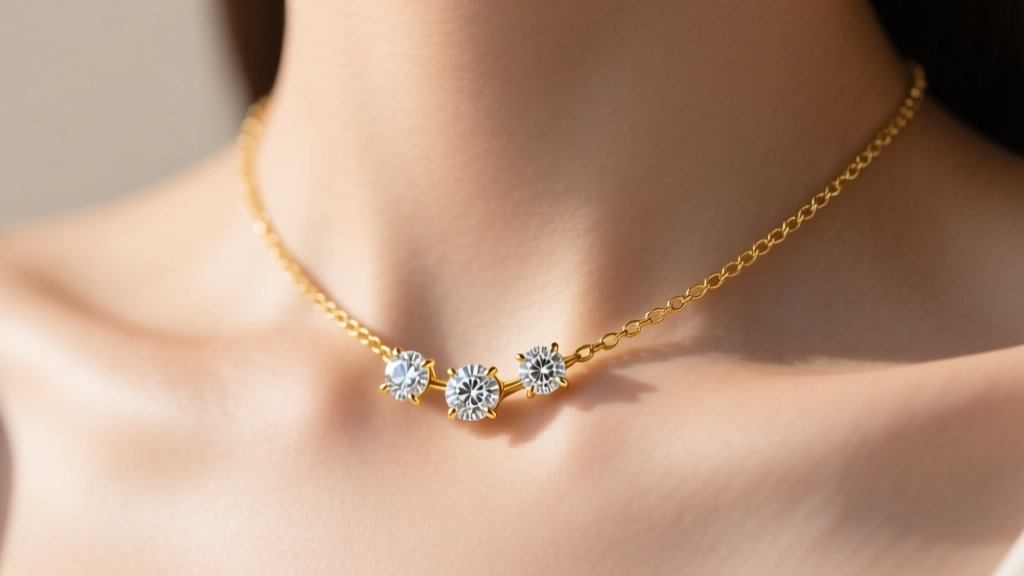
The trio diamond necklace—often featuring three distinct stones symbolizing the past, present, and future—remains one of the most emotionally resonant and visually striking pendant styles on the market. However, as we navigate the jewelry landscape in 2026, the pricing dynamics and value propositions for three-stone pendants have shifted dramatically. The proliferation of high-quality lab-grown diamonds, combined with fluctuating natural diamond markets, means that buyers must be more strategic than ever to avoid overpaying.
This comprehensive budget and value assessment will dissect the anatomy of a trio diamond necklace, break down current pricing tiers, and provide actionable frameworks for maximizing your investment without sacrificing visual brilliance.
The Anatomy of a Trio Diamond Pendant
When evaluating a three-stone diamond necklace, the total carat weight (TCW) is only the starting point. The true value lies in the proportional distribution of the stones and the precision of the setting. A common pitfall for budget-conscious buyers is assuming that a '0.50ct TCW' pendant offers uniform value across the board.
Stone Ratios and Weight Distribution
In a well-proportioned trio diamond necklace, the center stone typically accounts for 50% to 60% of the total carat weight, while the two side stones share the remainder. For example, a premium 0.50ct TCW pendant will feature a 0.25ct center stone flanked by two 0.12ct side stones. Budget manufacturers often skew these ratios, using a 0.30ct center and two 0.10ct sides, which can make the pendant look bottom-heavy and unbalanced. Always request the exact individual carat weights before purchasing.
Shared Prong vs. Bezel Settings
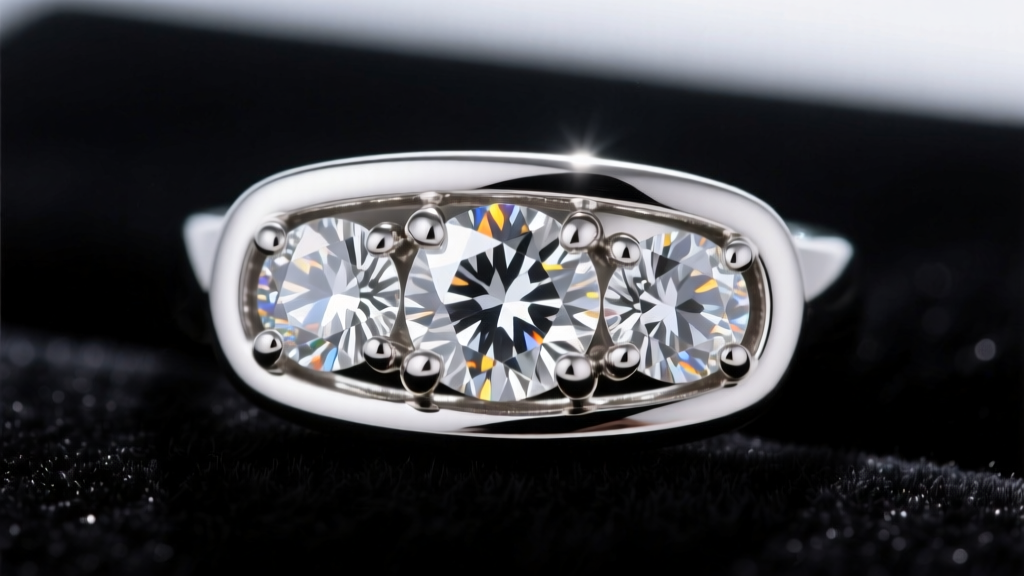
The setting style directly impacts both the security of your stones and the amount of light that enters the diamond. Shared prong settings (where adjacent diamonds share a single metal prong) maximize light exposure, enhancing the 'fire' and 'scintillation' of the stones. However, they require more frequent maintenance. Bezel settings, where a thin rim of metal encircles each stone, offer superior protection and a modern aesthetic, but they reduce the diamond's visible surface area by roughly 10%, requiring you to buy slightly larger stones to achieve the same visual footprint.
2026 Pricing Tiers: Where Does Your Budget Fit?
To accurately assess value, we must segment the market into distinct pricing tiers. The table below outlines what you can expect to pay in 2026 for a 14k gold trio diamond necklace across different quality brackets, factoring in both natural and lab-grown options.
| Tier | Total Carat Weight (TCW) | Diamond Origin | Clarity / Color | Estimated 2026 Price Range |
|---|---|---|---|---|
| Entry-Level | 0.25ct - 0.33ct | Lab-Grown | SI1-SI2 / I-J | $250 - $450 |
| Mid-Range Value | 0.50ct - 0.75ct | Lab-Grown | VS2 / G-H | $600 - $1,100 |
| Premium Natural | 0.50ct - 0.75ct | Natural Earth-Mined | SI1 / G-H | $1,800 - $3,200 |
| Luxury Heirloom | 1.00ct - 1.50ct | Natural Earth-Mined | VS1+ / D-F | $4,500 - $8,500+ |
Note: Prices reflect the pendant and a standard 18-inch 14k gold chain. Platinum settings will add approximately 30-40% to the metal cost.
Maximizing Value: The 4Cs for Three-Stone Pendants
Applying the traditional 4Cs (Cut, Color, Clarity, Carat) to a multi-stone pendant requires a different strategy than buying a single solitaire engagement ring. Because the stones are smaller and viewed from a greater distance, you can make strategic compromises to stretch your budget.
Cut: The Non-Negotiable Metric
Never compromise on the cut grade. According to GIA grading standards, the cut is the primary driver of a diamond's brilliance. For the center stone, insist on an 'Excellent' or 'Ideal' cut. For the smaller side stones (typically under 0.20ct), individual cut grades are rarely certified, so you must rely on the jeweler's eye. Ensure the side stones are not cut too shallow, as this causes 'windowing'—a dead, glassy area in the center of the stone that leaks light.
Clarity and Color: The Sweet Spot
For side stones under 0.25ct, inclusions are virtually impossible to see with the naked eye. Paying a premium for VVS (Very Very Slightly Included) clarity in the side stones is a waste of capital. Target SI1 (Slightly Included) clarity for the side stones and VS2 (Very Slightly Included) for the center stone. Similarly, a color grade of G or H (near-colorless) will face up perfectly white when set in 14k white gold or platinum, saving you 15-20% compared to D or E color grades.
Chain Selection: The Hidden Cost and Durability Factor
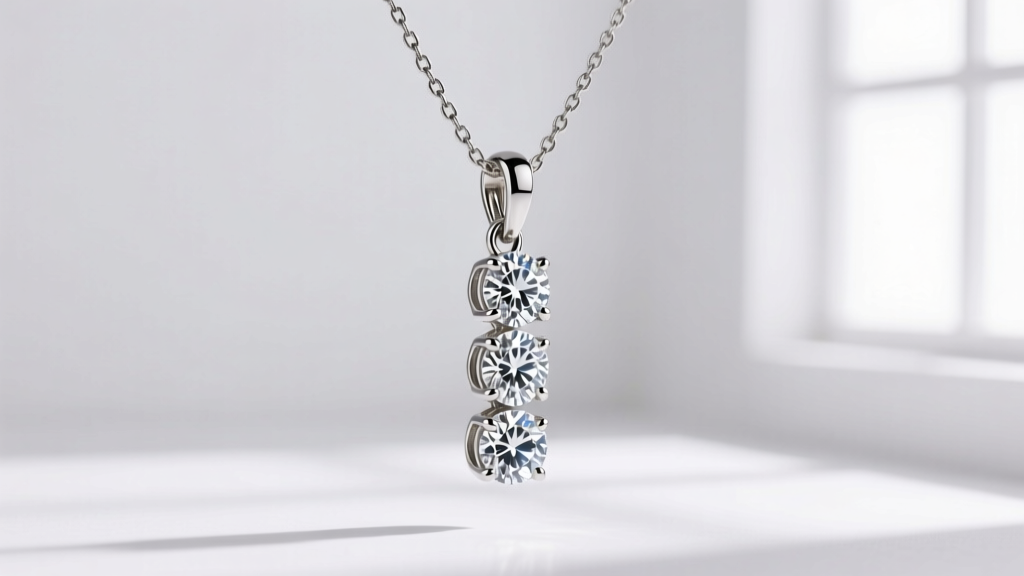
A trio diamond necklace is only as secure as the chain that holds it. Many retailers pair heavy, multi-carat pendants with flimsy 0.8mm chains to keep the advertised price low. This is a structural failure waiting to happen.
- 0.8mm - 1.0mm Cable Chains: Suitable only for micro-pavé or ultra-light pendants under 0.25ct TCW. The solder points on thin cable chains are prone to snapping under the pendulum swing of a heavier three-stone pendant.
- 1.2mm - 1.5mm Box or Wheat Chains: The optimal choice for 0.50ct to 1.00ct TCW pendants. The interlocking geometric links of a box chain, or the woven structure of a wheat chain, distribute tensile stress evenly, preventing kinks and breaks.
- The Clasp: Always upgrade from a standard spring-ring clasp to a lobster clasp. The internal spring mechanism of a lobster clasp is housed in a solid metal body, making it significantly more resistant to accidental unhooking and metal fatigue.
Lab-Grown vs. Natural: The Ultimate Value Decision
The debate between lab-grown and natural diamonds has reached a definitive tipping point in 2026. Lab-grown diamonds possess the exact same chemical, physical, and optical properties as mined diamonds. From a purely aesthetic and budget-driven perspective, a lab-grown trio diamond necklace offers unparalleled value, allowing you to double the carat weight for the same price as a natural equivalent.
However, the value assessment must also consider long-term resale dynamics. Industry data tracked by market analysts like JCK Online indicates that lab-grown diamonds have experienced significant wholesale price deflation over the past few years, meaning their secondary market resale value is currently negligible. Natural diamonds, while costing significantly more upfront, retain a measurable percentage of their intrinsic value. If your primary goal is maximum visual impact and everyday wear, lab-grown is the undisputed champion of value. If you view the necklace as a financial asset or an heirloom with traditional resale liquidity, natural earth-mined stones remain the requisite choice.
Final Purchasing Checklist
Before finalizing your purchase, run your selection through this rapid value-assessment checklist:
- Verify the exact individual carat weights of all three stones, not just the TCW.
- Confirm that the center stone holds an independent grading report from a reputable lab (GIA, AGS, or IGI for lab-grown).
- Ensure the chain thickness is at least 1.2mm if the pendant exceeds 0.50ct TCW.
- Check that the setting allows light to enter the pavilion (bottom) of the diamonds; avoid completely closed-back settings which trap dirt and kill brilliance.
By focusing on structural integrity, strategic 4C compromises, and a clear understanding of origin-based pricing, you can secure a trio diamond necklace that delivers lifelong brilliance without exceeding your financial boundaries.


