Memorial Necklace With Picture: The Ultimate Buying Guide
Discover how to choose the perfect memorial necklace with picture. Compare projection, laser engraving, metals, and image prep tips for lasting quality.

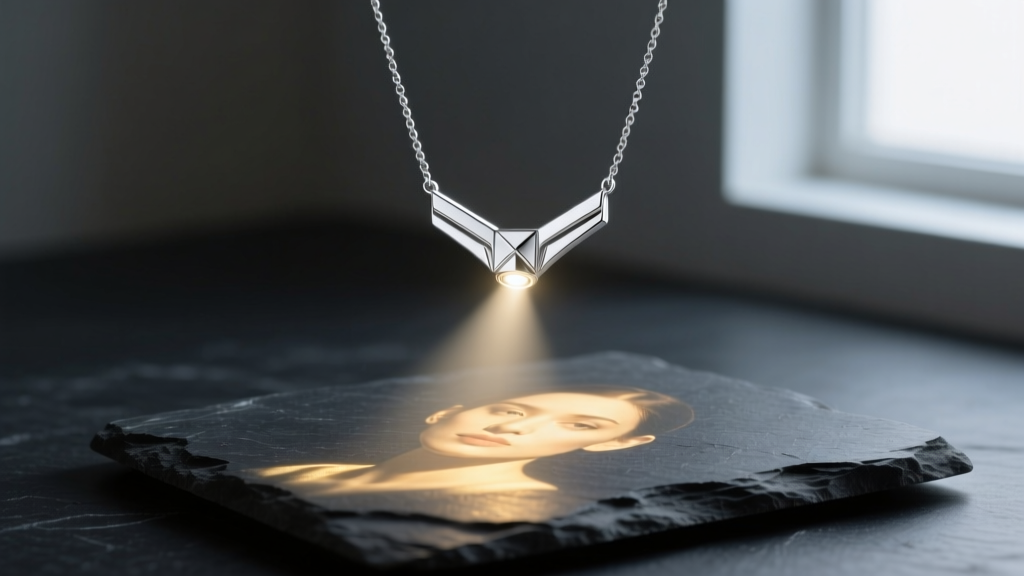
Losing a loved one is an profoundly difficult experience, and finding a meaningful way to keep their memory close to your heart is a deeply personal journey. A memorial necklace with picture offers a tangible, beautiful connection to the person you miss. However, the market is currently flooded with low-quality trinkets that fade, tarnish, or break within months. As we move through 2026, manufacturing technologies for photo jewelry have advanced significantly, but understanding the difference between a genuine heirloom piece and a cheap novelty item requires a keen eye for metallurgy, laser technology, and structural mechanics.
This comprehensive buying guide will walk you through the exact specifications, material grades, and image preparation techniques you need to know before investing in a photo memorial pendant.
The Three Main Technologies Behind Photo Memorial Necklaces
Not all photo jewelry is created equal. The method used to transfer the image dictates the necklace's longevity, visibility, and price point. Here are the three primary technologies used by reputable jewelers today:
1. Photo Projection (Micro-Etching)
Projection necklaces feature a tiny, flat-cut glass or quartz bead (typically 8mm to 10mm in diameter) set into the center of the pendant. Using a specialized photolithography process, the image is micro-etched onto the flat back of the stone and sealed with an opaque resin backing. When you shine a light (like your smartphone's flashlight) through the front of the bead, the image projects onto a wall. While magical in dim lighting, the image is invisible to the naked eye when simply wearing the necklace.
2. Fiber Laser Surface Engraving
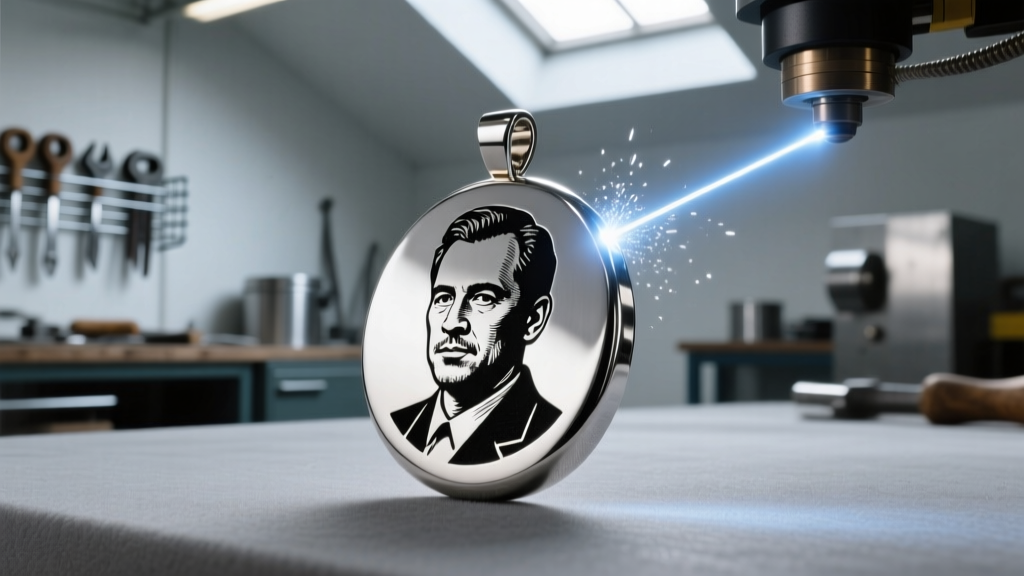
For a visible, everyday tribute, fiber laser engraving is the gold standard. Unlike older rotary engraving tools that physically carve into the metal (creating grooves that trap dirt and skin oils), modern 1064nm fiber lasers use a process called annealing. The laser heats the surface of the metal just enough to oxidize it, creating a permanent, high-contrast black mark without breaking the surface tension. This ensures the pendant remains completely smooth and waterproof.
3. Custom Locket Inserts with UV Printing
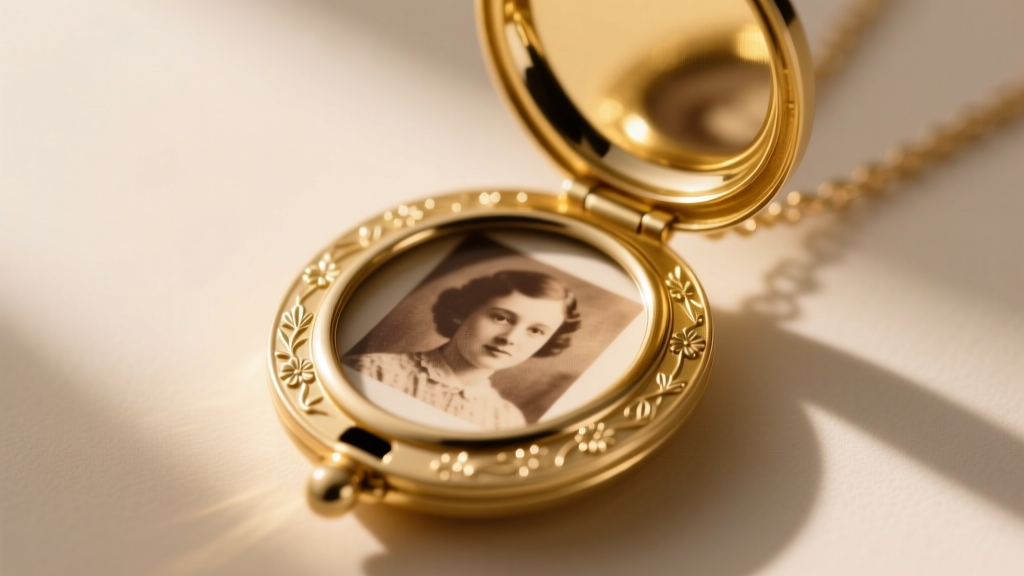
Traditional lockets have evolved. Instead of struggling to cut tiny photos to fit behind cloudy plastic windows, modern jewelers use UV-cured archival inks printed directly onto waterproof vinyl or ultra-thin aluminum sheets. These are then sealed inside the locket bezel beneath a domed sapphire or quartz crystal, providing a vibrant, full-color, and scratch-resistant image.
Material Grades: What Will Actually Last a Lifetime?
The base metal of your pendant dictates how it will react to your skin's pH levels, sweat, and environmental humidity. According to the FTC Jewelry Guides, proper metal stamping and disclosure are critical for consumer protection. Here is how the top three metals compare for photo engraving and projection settings:
| Metal Grade | Best For | Durability & Tarnish | Estimated Price Range |
|---|---|---|---|
| 316L Surgical Steel | Projection beads, daily wear, sensitive skin | Highly durable, zero tarnish, hypoallergenic | $35 - $75 |
| 925 Sterling Silver | Laser engraving, traditional lockets | Prone to tarnish; requires rhodium plating for photo contrast | $80 - $160 |
| 14k Solid Gold | Heirloom lockets, premium UV inserts | Soft metal (deep engraving not recommended), excellent longevity | $350 - $800+ |
Expert Tip: If you choose 925 Sterling Silver for a laser-engraved photo, ensure the jeweler applies a rhodium flash plating over the silver. Silver naturally oxidizes and turns yellowish-brown over time, which will completely destroy the contrast of a black-and-white laser engraving. Rhodium keeps the metal bright white, preserving the image clarity. For more on metal care, refer to resources from Jewelers of America.
How to Prepare Your Photo for Perfect Engraving
The most common reason for disappointment with a memorial necklace with picture is poor source image quality. A laser or micro-etching machine cannot magically fix a blurry, low-light smartphone photo. Follow these strict parameters to ensure your image translates perfectly to metal or glass:
- Resolution: The image must be at least 300 DPI (dots per inch) at the physical size of the pendant. Since most pendants are 20mm x 25mm, your source file should be a minimum of 1000x1000 pixels.
- Contrast is King: Lasers and projection beads only read light and dark values; they do not read color. Convert your photo to black and white before submitting it. Increase the contrast by 20% to 30% so the facial features pop against the background.
- The Squint Test: Hold your phone at arm's length and squint at the photo. If you cannot clearly distinguish the eyes, nose, and mouth, the machine will not be able to engrave them legibly at a 20mm scale.
- Background Removal: Busy backgrounds (trees, crowds, patterned wallpaper) turn into visual static when shrunk down. Use a free tool to remove the background entirely, replacing it with a solid white or light gray canvas.
For a deeper dive into digital file preparation, B&H Photo Video's image preparation guides offer excellent foundational rules for high-contrast printing that apply directly to jewelry etching.
Sizing, Chains, and Bail Mechanics
A beautiful pendant is useless if the chain snaps or the bail (the loop that connects the pendant to the chain) is improperly sized. Memorial pendants, especially those housing heavy glass projection beads or solid silver lockets, carry significant weight—often between 12 and 22 grams.
Chain Thickness and Style
Do not pair a 20-gram memorial pendant with a delicate 0.9mm cable chain; it will stretch and eventually snap at the clasp. Opt for a 2.0mm to 2.5mm Box Chain or a 2.0mm Rope Chain. These styles distribute weight evenly and resist kinking when tangled.
Clasp Security
Reject any memorial necklace that comes with a standard "spring ring" clasp. The tiny internal spring in these clasps frequently fails under the pendulum motion of a heavy pendant. Always upgrade to a Lobster Claw clasp or a Magnetic Safety Clasp for secure, daily wear.
Pricing Tiers and What to Expect in 2026
When shopping for a memorial necklace with picture, pricing is a strong indicator of the manufacturing process and material integrity. Here is a realistic breakdown of what your budget should secure:
- Budget Tier ($25 - $45): Expect 316L stainless steel with photo projection beads. The chains will likely be basic 1.5mm cable chains with spring ring clasps. Good for occasional wear, but the glass beads can scratch if not stored properly.
- Mid-Tier ($60 - $140): The sweet spot for quality. This tier includes rhodium-plated 925 sterling silver with high-definition fiber laser engraving. You should expect a sturdy box chain, a lobster clasp, and a jeweler who manually edits your photo for optimal contrast before engraving.
- Premium Tier ($250 - $600+): Solid 14k gold lockets or heavy-gauge silver pieces featuring custom UV-printed inserts sealed under sapphire crystal. These are true heirloom pieces designed to be passed down through generations without degrading.
Final Checklist Before You Order
Before you click "checkout" on any custom photo jewelry site, verify the following:
- Does the jeweler offer a digital proof of the engraving or insert before they manufacture it?
- Is the metal clearly stamped (e.g., 925, 14k, 316L) and guaranteed hypoallergenic?
- Is the chain thickness rated to hold the specific gram-weight of the pendant?
- Does the company use fiber laser annealing (for metal) rather than physical rotary carving?
Choosing a memorial necklace with picture is an investment in memory preservation. By prioritizing optical clarity, proper metal grades, and structural integrity over bargain-bin pricing, you ensure that your loved one's image remains as vivid and enduring as the impact they had on your life.


