Buying Guide: Finding the Best Memory Necklace with Photo
Discover what to look for in a memory necklace with photo. Compare projection tech, metal grades, and chain styles in our expert buying guide.

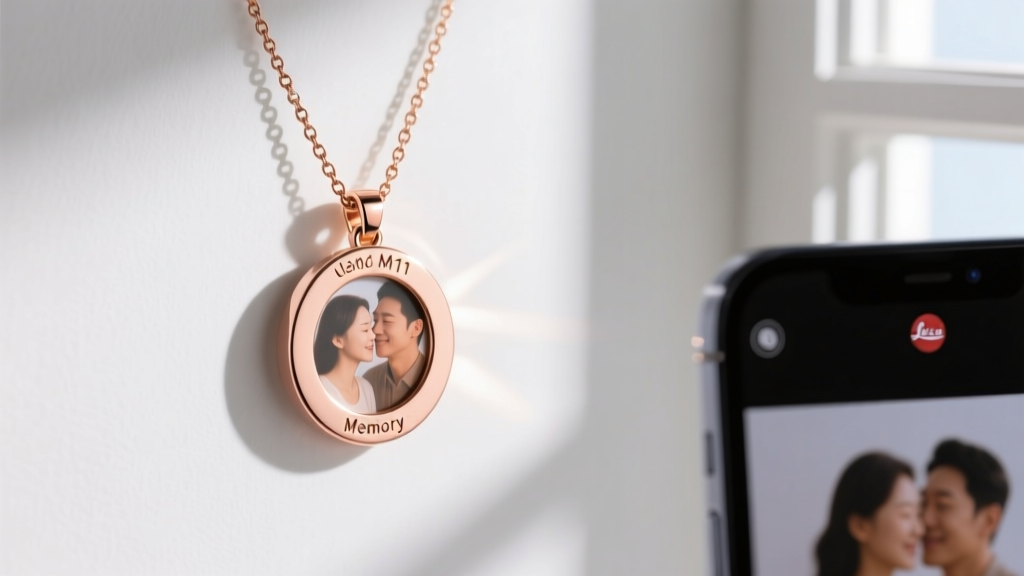
The Evolution of Photo Jewelry: From Lockets to Projection
The concept of keeping a loved one close to your heart has driven jewelry design for centuries, but the modern memory necklace with photo represents a massive leap in wearable technology and personalization. While Victorian-era mourning lockets relied on tiny, hand-painted portraits or tightly folded paper prints, today's market is dominated by nano-projection lenses, UV-resin encapsulation, and sub-surface laser engraving. As of 2026, advancements in micro-etching and optical glass clarity mean that a pendant no larger than a dime can project a high-definition, full-color image onto any flat surface. However, the influx of dropshipped, low-quality photo jewelry has made it increasingly difficult for consumers to distinguish between a lasting heirloom and a novelty item that will degrade within months. This buying guide breaks down the exact specifications, material grades, and optical standards you need to evaluate before purchasing a photo necklace.
Core Technologies: How Your Photo is Preserved
When shopping for a memory necklace with photo, you will encounter three primary manufacturing methods. Understanding the physical limitations and benefits of each is critical for matching the jewelry to your lifestyle and expectations.
| Technology Type | How It Works | Pros | Cons | Average Price Range |
|---|---|---|---|---|
| Nano-Projection Lens | A micro-etched glass bead set inside a metal bezel that projects an image when backlit by a smartphone flashlight. | Hidden image; high novelty; protects photo from surface scratches. | Requires a light source to view; lens can fog if submerged in water. | $45 - $120 |
| UV Resin Encapsulation | A high-resolution micro-print is sealed beneath a domed layer of optically clear, UV-cured jewelry resin. | Always visible; vibrant color; highly waterproof (IP67+). | Resin can yellow over 5-10 years if exposed to heavy UV sunlight; prone to micro-scratches. | $30 - $85 |
| Sub-Surface Laser Engraving | A laser etches a 3D point-cloud of the photo inside a synthetic crystal or glass pendant. | Permanent; scratch-proof; no chemical degradation. | Black and white/grayscale only; lacks the emotional warmth of color photography. | $60 - $150 |
If you opt for a nano-projection necklace, look for brands that specify their lens magnification. Standard lenses offer 1000x magnification, but premium 2026 models utilize multi-coated optical glass that reduces light scattering, allowing for a crisp projection even in dimly lit rooms. Always test the projection focal length upon arrival; it should be sharpest at exactly 2 to 4 inches from the light source.
Metal Grades and Base Materials: What Actually Lasts
The most common point of failure in custom photo jewelry is not the image itself, but the metal housing that holds it. Because a memory necklace with photo is often worn daily and exposed to sweat, perfumes, and shower water, the base metal must be carefully selected. According to the Federal Trade Commission's Jewelry Guides, terms like "gold plated" and "vermeil" have strict legal definitions regarding thickness and base metals, yet many overseas manufacturers ignore these standards.
The Best Metals for Photo Pendants
- 316L Surgical Stainless Steel: The undisputed champion for everyday wear. It is highly resistant to tarnish, hypoallergenic, and will not react with the adhesives used to seal projection lenses or resin domes. It is the safest choice for waterproof photo necklaces.
- 925 Sterling Silver: A beautiful, precious metal that requires maintenance. If the pendant is not rhodium-plated, the silver will oxidize. This oxidation can creep under the bezel and stain the micro-print inside a projection lens or cause a resin seal to lift.
- 14k Gold Vermeil: If you want the look of gold without the solid gold price tag, vermeil is the only acceptable alternative. By FTC standards, vermeil must be a sterling silver base plated with at least 2.5 microns of 10k, 14k, or 18k gold. Avoid "gold plated brass" at all costs; as the Gemological Institute of America (GIA) notes, brass and nickel alloys are primary culprits for contact dermatitis, and the thin gold flash will wear off in weeks, exposing the reactive base metal.
Chain Gauge and Clasp Mechanics
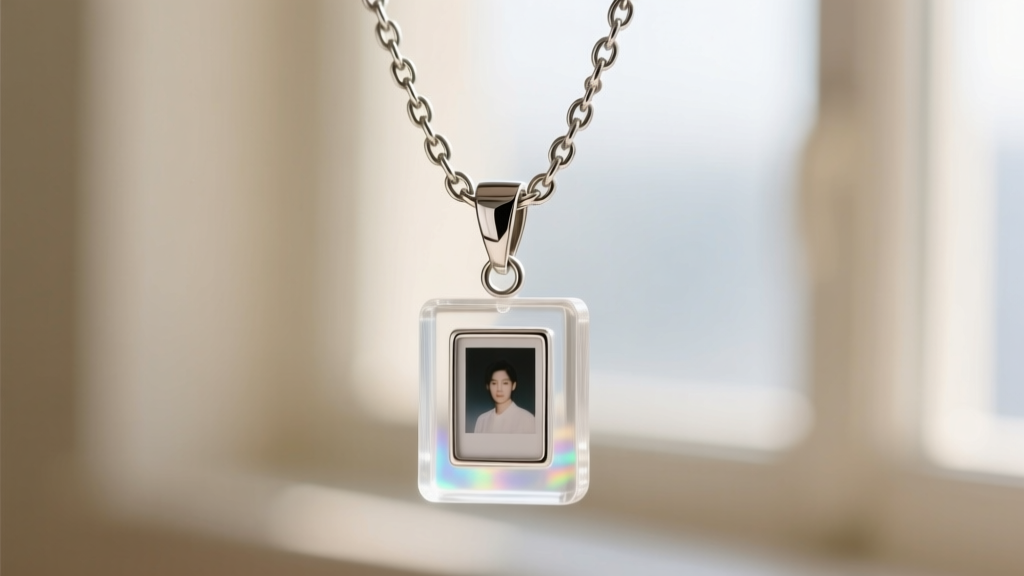
A frequent oversight when buying a memory necklace with photo is ignoring the chain. Photo pendants—especially those featuring glass projection lenses or thick resin domes—are surprisingly heavy, often weighing between 6 and 12 grams. A delicate 0.8mm chain will inevitably stretch, kink, or snap under this weight.
For pendants weighing 5 grams or more, you must insist on a chain gauge of 1.2mm to 1.5mm. Rolo chains and cable chains offer the best structural integrity because their uniform, interlocking links distribute the pendant's weight evenly. Furthermore, inspect the clasp. A standard spring-ring clasp is notoriously difficult to operate with one hand and prone to catching on hair. Always upgrade to or verify that the necklace includes a lobster claw clasp with a soldered jump ring (meaning the ring connecting the clasp to the chain is welded shut, not just bent closed).
Image Resolution and Preparation Standards
The final output of your necklace is only as good as the digital file you submit. Many buyers are disappointed by blurry projection lenses or pixelated resin prints, blaming the manufacturer when the issue stems from poor source imagery. To ensure a crisp, professional-grade memory necklace with photo, adhere to these strict file preparation rules:
- Resolution: Submit an image with a minimum resolution of 300 DPI at a 2x2 inch print size. In pixel dimensions, this means your file should be at least 1000 x 1000 pixels.
- Lighting and Contrast: Projection lenses struggle with deep shadows and pure black backgrounds. Choose a photo with even, front-facing lighting. High contrast images translate much better to micro-etching than soft, low-contrast portraits.
- Cropping: Because the viewing area of a projection bead or resin dome is perfectly circular (usually 8mm to 12mm in diameter), manually crop your image to a 1:1 square, ensuring the subject's face is centered and not touching the edges of the frame.
Care, Maintenance, and Waterproofing Myths
Manufacturers frequently market photo necklaces as "100% Waterproof," but this requires nuance. A UV-resin encapsulated pendant is indeed waterproof and can survive a trip through the washing machine. However, a nano-projection lens is a multi-part assembly. The glass bead is held in place by a microscopic ring of optical adhesive. While it can withstand rain and sweat, submerging a projection pendant in hot water (like a shower or bath) will cause thermal expansion, eventually breaking the adhesive seal and allowing moisture to fog the inside of the lens. Once a projection lens fogs internally, it cannot be repaired.
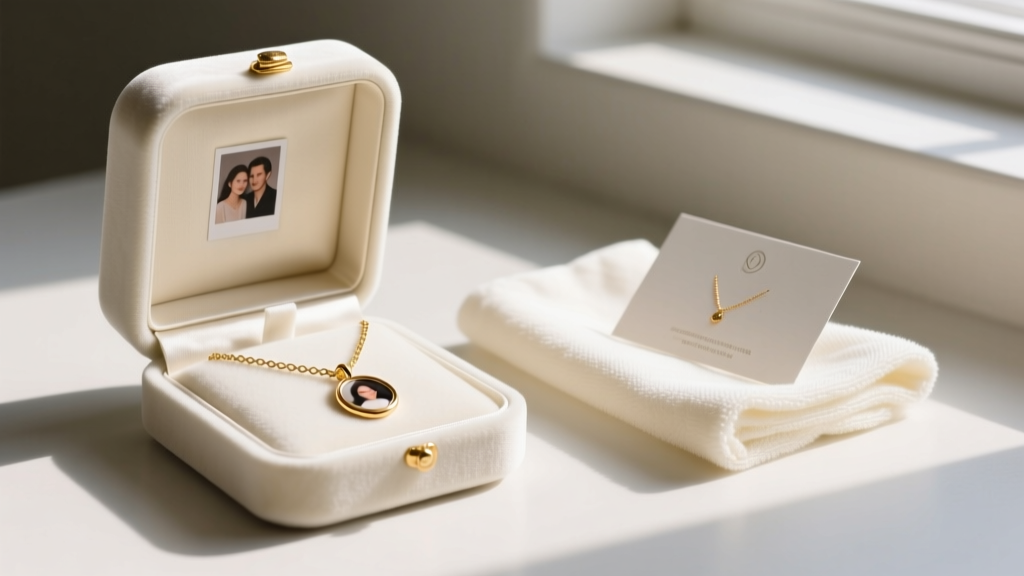
To clean your necklace, never use ultrasonic cleaners, alcohol, or harsh jewelry dips. These chemicals will strip gold vermeil plating and cloud optical glass. Instead, use a dry, lint-free microfiber cloth to gently wipe the surface of the lens or resin dome, and use a soft-bristled baby toothbrush to clean the metal bezel.
Final Verdict: Matching the Necklace to the Memory
Choosing the right memory necklace with photo ultimately depends on how you intend to interact with the memory. If you want a private, intimate connection that you can reveal on demand, a 316L stainless steel nano-projection necklace is the superior choice. If you are buying for a child or an active adult who wants the image visible at all times without worrying about water damage, a sterling silver UV-resin dome is your best bet. By prioritizing optical clarity, proper metal grades, and structural chain integrity over cheap novelty pricing, you can secure a piece of personalized jewelry that will honor your memories for decades to come.


