Budget Guide: Choosing the Right Mens Leather Necklace Cord
Discover how to assess the true value of a mens leather necklace cord. We compare materials, hardware, and pricing to help you buy smart.

The True Cost of Leather: Why Prices Vary So Wildly
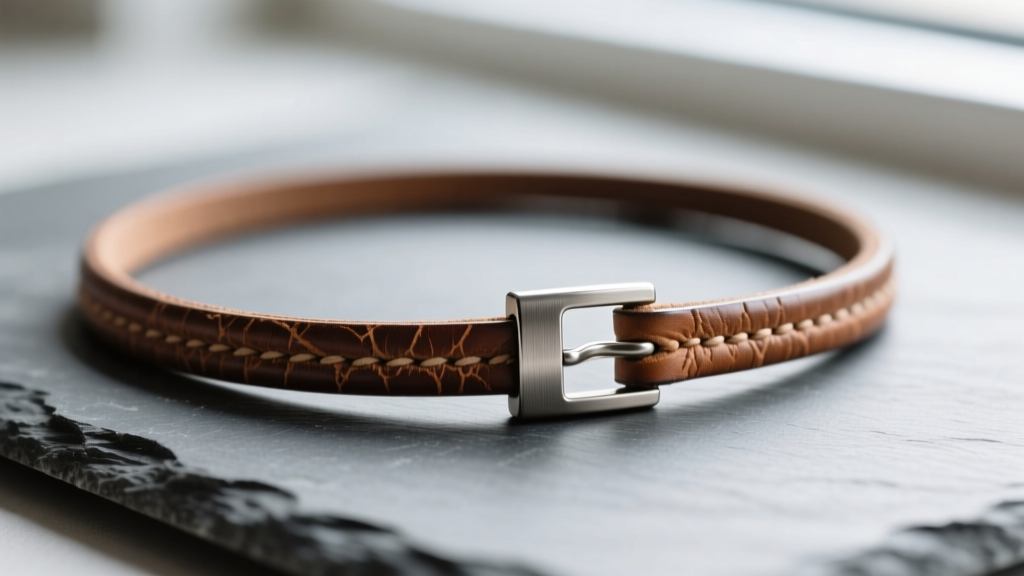
The mens leather necklace cord is a staple of modern masculine jewelry, offering a rugged, versatile, and timeless aesthetic. However, a quick search online reveals a baffling price discrepancy. You can find a cord for $12, or you can spend $120 on what appears to be the exact same product. As a buyer, how do you separate genuine craftsmanship from overpriced marketing? More importantly, how do you avoid wasting money on budget cords that will inevitably snap and lose your favorite pendant?
Assessing the value of a leather cord requires looking past the surface finish and examining the core material, the tanning process, and the structural integrity of the hardware. In this comprehensive budget and value assessment, we break down exactly what you are paying for at every price tier, helping you make an informed investment that matches your lifestyle and wardrobe.
The Leather Hierarchy: What You Are Actually Buying
The term 'leather' is heavily abused in the jewelry industry. To accurately assess value, you must understand the grading system and how it dictates the lifespan of your necklace.
Bonded and PU Leather ($5 - $15)
Budget cords in this range are rarely solid leather. Bonded leather is made from pulverized leather scraps mixed with polyurethane (PU) binders and extruded into a cord shape. While it looks acceptable on day one, the neck is a high-sweat, high-friction environment. The acidic nature of human sweat breaks down PU binders rapidly. Expect a bonded leather cord to begin flaking, peeling, and ultimately snapping within three to six months of daily wear. Value Verdict: Poor. You will end up replacing it multiple times a year, costing you more in the long run.
Genuine Leather / Split Leather ($15 - $35)
'Genuine leather' is not a mark of quality; it is a specific, low-grade classification. It refers to split leather—the bottom layers of the hide that remain after the premium top layers are removed. To make it look premium, manufacturers paint or coat it heavily. While stronger than bonded leather, the painted surface will eventually crack at the stress points, particularly where the cord bends near the clasp. Value Verdict: Fair for occasional wear, but lacks longevity for daily use.
Top-Grain and Full-Grain Leather ($45 - $120+)
This is where true value resides. Full-grain leather retains the entire thickness of the hide's outer layer, including the natural grain and imperfections. It is incredibly strong and, if vegetable-tanned, will develop a rich, personalized patina over time. According to the Leather Working Group (LWG), premium tanneries also adhere to strict environmental and chemical protocols, ensuring the leather is free from harsh, skin-irritating azo dyes. Value Verdict: Excellent. A full-grain cord can easily last a decade or more with basic care.
The Hardware Trap: Where Budget Cords Actually Fail
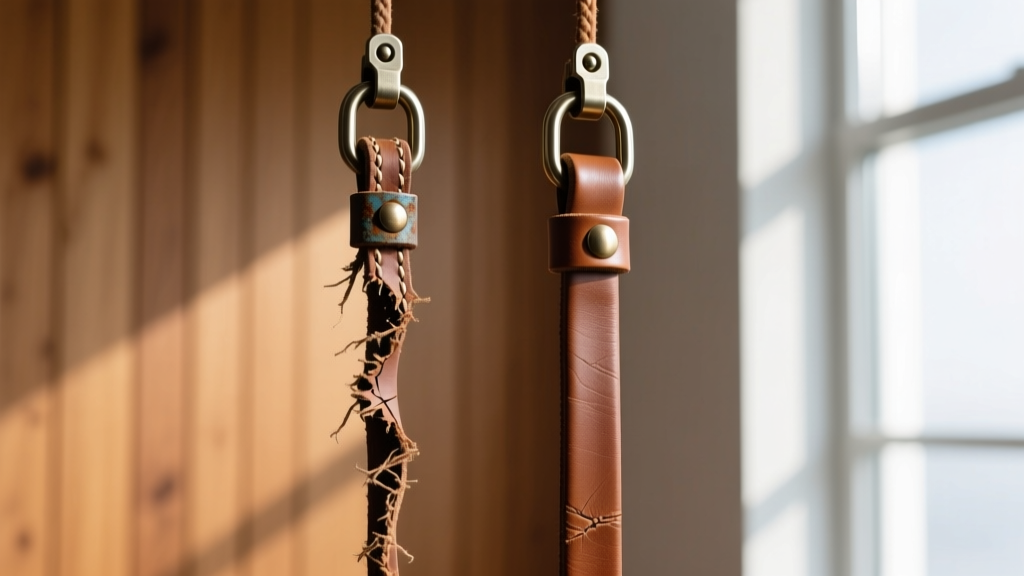
When a mens leather necklace cord breaks, it almost never snaps in the middle. The failure point is nearly always the end-cap where the leather meets the metal clasp. This is the most critical area for value assessment.
Manufacturers of budget cords typically use cheap zinc-alloy clasps and secure the leather into the metal end-caps using cyanoacrylate (standard super glue). Cyanoacrylate becomes brittle when dry and degrades rapidly when exposed to moisture and body heat. Within months, the glue fails, the leather slips out, and your pendant is lost.
Premium cords utilize 316L surgical stainless steel or solid 925 sterling silver hardware. More importantly, high-end jewelers use a two-part jeweler's epoxy combined with a mechanical crimp to secure the leather. As noted by jewelry manufacturing experts at Tandy Leather, combining mechanical pressure with flexible, moisture-resistant adhesives is the only reliable way to secure heavy leather cords to metal findings. When evaluating a $60+ cord, always inspect the end-caps. If you see visible, messy glue residue, walk away. Look for clean, tightly crimped metal collars.
Clasp Mechanics: Lobster vs. Barrel
- Lobster Claw: Standard on budget cords. The tiny internal spring is a frequent point of mechanical failure and can snag on shirt collars.
- Barrel / Bayonet Clasp: Common on premium cords. These screw or click together seamlessly, creating a continuous line of leather that is highly secure and visually elegant.
- Magnetic Neodymium: Excellent for ease of use, but ensure the magnet is housed in solid steel and glued with industrial epoxy, not cheap adhesives.
Thickness, Gauge, and Weight Limits
Value is also about proportion and utility. Buying a cord that is too thin for your pendant will result in premature stretching and breakage, while a cord that is too thick will look clumsy and fail to drape correctly. Below is a structural guide to help you match the cord thickness to your specific jewelry needs.
| Cord Thickness | Max Pendant Weight | Best For | Avg. Premium Price |
|---|---|---|---|
| 2mm | 10g - 15g | Minimalist pendants, lightweight dog tags, small gemstones | $45 - $65 |
| 3mm - 4mm | 20g - 40g | Standard silver charms, medium carved stones, metal crosses | $55 - $85 |
| 5mm - 6mm | 50g+ | Heavy statement pieces, large talismans, thick metal pendants | $75 - $120 |
Note: If you are purchasing a 5mm cord, ensure it is made of braided or solid full-grain leather. A 5mm bonded leather cord is essentially a thick tube of glue and will collapse under the weight of a heavy pendant.
The $15 vs. $85 Showdown: Where Should You Spend?
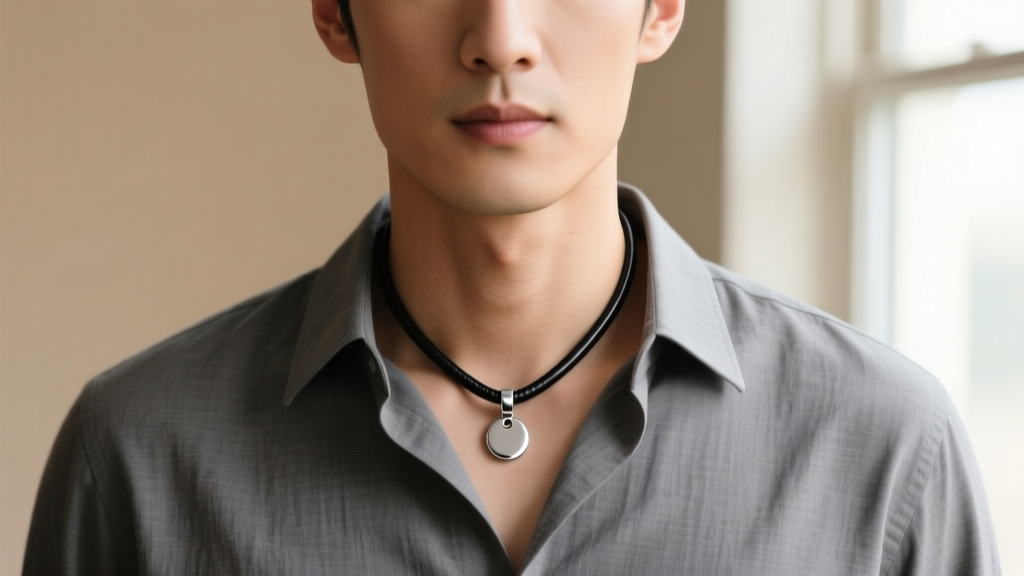
Does every man need to spend $85 on a leather cord? No. The right budget allocation depends entirely on your wearing habits and the value of the pendant you are suspending.
When to Buy Budget ($10 - $25)
If you are buying a cord for a lightweight, inexpensive pendant that you plan to wear occasionally (e.g., a weekend festival, a specific outfit, or a beach vacation where the cord might get ruined by saltwater anyway), a genuine leather or high-grade PU cord is acceptable. Just be aware of its limited lifespan and never trust it to hold an heirloom or expensive gemstone.
When to Invest in Premium ($50 - $120)
If you plan to wear the necklace daily, if you live in a hot climate where you sweat frequently, or if you are attaching a heavy, expensive, or sentimental pendant, a premium full-grain leather cord is mandatory. The $70 you spend on a vegetable-tanned, stainless-steel-clasped cord is an insurance policy for the $500 silver pendant hanging from it. Furthermore, premium leather molds to your neck over time, becoming significantly more comfortable than stiff, heavily painted budget alternatives.
Maintenance ROI: Extending the Life of Your Cord
Even the most expensive mens leather necklace cord will degrade if neglected. Leather is skin; it requires moisture to remain supple. When leather dries out, it becomes brittle and cracks under the tension of a heavy pendant.
Expert Maintenance Protocol: Every three to four months, wipe the cord with a slightly damp cloth to remove sweat and dead skin cells. Once dry, apply a tiny amount of beeswax-based leather conditioner or pure mink oil using your fingers. Work it into the leather, let it absorb for two hours, and buff off the excess with a microfiber cloth. This simple five-minute routine can double the lifespan of your cord.
A Warning on Water: Never wear your leather cord in the shower, swimming pool, or ocean. Water strips the natural oils from the leather, and pool chlorine will actively corrode both the leather fibers and the metal end-caps. If your cord gets soaked, let it air dry at room temperature—never use a hair dryer or place it on a radiator, as rapid heat exposure will cause the leather to shrink and crack instantly.
Final Verdict on Value
The market for men's leather jewelry is saturated with deceptive marketing terms. By ignoring the 'genuine leather' label and instead focusing on full-grain materials, mechanical hardware crimps, and appropriate thickness for your pendant weight, you can easily identify true value. Spend your money on structural integrity, not brand names, and your necklace will serve you reliably for years to come.