Men's Necklace mm Width Guide: Sizing, Fit, and Chain Styles
Master the perfect men's necklace mm width for your build. Our expert buying guide covers chain thickness, lengths, materials, and styling rules.

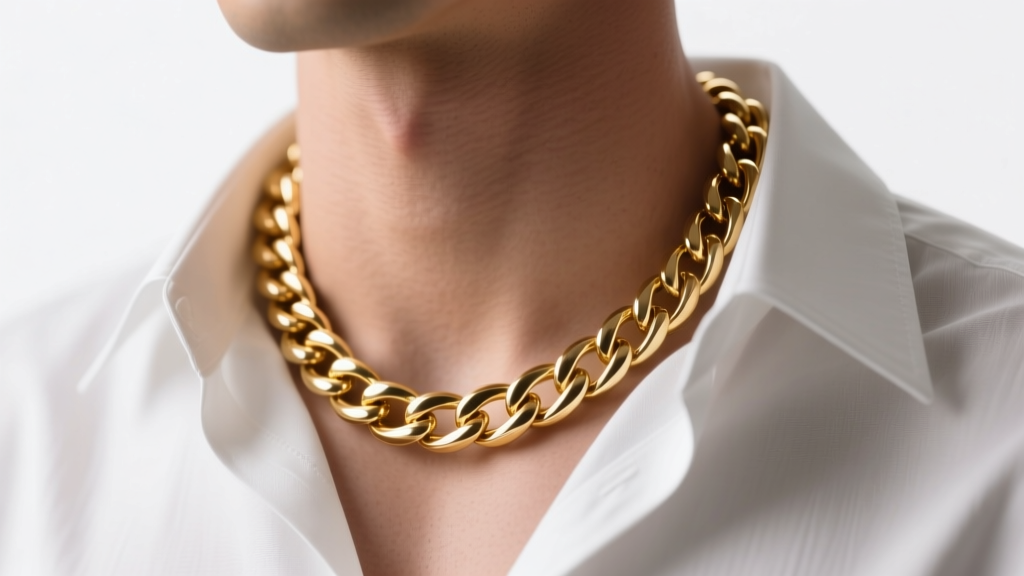
Selecting the right jewelry is no longer just about picking a metal; it is an exercise in proportion, engineering, and personal style. As we navigate the men's jewelry landscape in 2026, the shift towards intentional, proportionate styling has made understanding chain dimensions more critical than ever. Guessing your size based on a thumbnail image online is the fastest route to buyer's remorse. A chain that looks substantial on a digital screen can feel like a heavy burden or a flimsy afterthought in person. This comprehensive guide breaks down the exact metrics you need to evaluate a men's necklace mm width, ensuring your next purchase aligns perfectly with your anatomy, wardrobe, and lifestyle.
The Anatomy of Chain Thickness: Why mm Width Matters
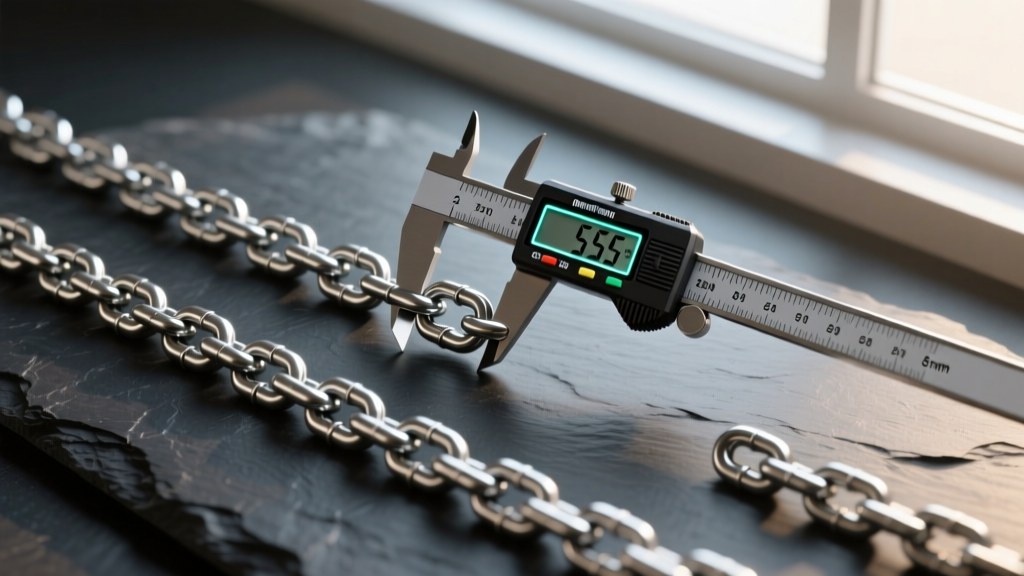
When jewelers reference chain thickness, they are measuring the widest point of the link structure in millimeters (mm). However, not all millimeters are created equal visually. A 5mm rope chain, with its intricate 3D twisted geometry, will cast a wider shadow and appear significantly bulkier than a 5mm curb chain, which lays flat against the clavicle. Understanding this optical illusion is vital when shopping. Furthermore, the structural integrity of the chain scales exponentially with its width. A 2mm chain relies on delicate soldering points, while a 6mm chain utilizes interlocking mass and friction, making it vastly more resistant to tensile stress and daily wear-and-tear.
The Definitive Men's Necklace mm Width Chart
To eliminate the guesswork, we have categorized standard chain widths into distinct style tiers. Use this framework to match your aesthetic goals with the correct dimensions.
| mm Width | Style Category | Pendant Compatibility | Best Use Case |
|---|---|---|---|
| 1mm - 2mm | Delicate / Minimalist | Small dog tags, lightweight gemstones | Layering, subtle everyday wear under unbuttoned shirts |
| 3mm - 4mm | Standard / Versatile | Medium crucifixes, signets, standard bails | The ultimate daily driver; visible but not overpowering |
| 5mm - 6mm | Statement / Bold | Heavy medallions, large gemstone pendants | Standalone pieces; streetwear and smart-casual styling |
| 7mm - 10mm+ | Heavyweight / Hip-Hop | Rarely worn with pendants; standalone focus | High-impact fashion, luxury display, outerwear layering |
Matching Chain Width to Neck Size and Body Proportion
The most common mistake men make is ignoring their own physical proportions. A 6mm Cuban link might look perfectly balanced on a linebacker with an 18-inch neck circumference, but it will look like a restrictive collar on a runner with a 14.5-inch neck. According to style analysts at GQ's Men's Style Guide, the golden rule of proportion dictates that your chain's visual weight should complement your frame, not compete with it.
The Proportion Framework
- Neck Size 14" - 15.5" (Slim Build): Stick to the 2mm to 4mm range. A 4mm Figaro or box chain provides excellent visibility without overwhelming your collarbone structure.
- Neck Size 16" - 17.5" (Average Build): You have the most versatility. A 4mm to 5mm chain is your sweet spot, offering enough presence to be noticed over a t-shirt while remaining comfortable for 24/7 wear.
- Neck Size 18" - 20"+ (Athletic/Heavy Build): You need mass to maintain visual balance. Chains in the 5mm to 8mm range are necessary. Anything under 4mm will visually disappear against a broader chest and thicker neck.
Material Density: How Metal Type Affects Weight at Different Widths
A crucial, often overlooked aspect of evaluating a men's necklace mm width is material density. A 6mm chain in solid gold will feel entirely different on your neck than the exact same 6mm chain in stainless steel or titanium. When you scale up in width, the volume of metal increases cubically, meaning weight compounds rapidly. According to metallurgical data from the Gemological Institute of America (GIA), understanding alloy density is key to predicting comfort.
Weight Comparison: The 24-Inch, 6mm Cuban Link
- Solid 14k Gold (Density ~12.9 g/cm³): Weighs approximately 85 grams. It offers a luxurious, heavy drape but can cause neck fatigue if worn during physical activity.
- 316L Stainless Steel (Density ~8.0 g/cm³): Weighs approximately 55 grams. Steel is highly durable and hypoallergenic, offering a substantial feel without the extreme weight of gold.
- Grade 5 Titanium (Density ~4.43 g/cm³): Weighs approximately 30 grams. Titanium is the ultimate choice for men who want the imposing visual width of an 8mm or 10mm chain without the physical burden. It is remarkably strong and entirely immune to tarnish.
Clasp Mechanics: Supporting Heavier Chains
A chain is only as secure as its weakest link, which is almost always the clasp. As your men's necklace mm width increases, the tensile load on the clasp mechanism multiplies. You must match the clasp engineering to the chain's mass.
- Spring Ring Clasps (1mm - 2mm): Rely on a tiny internal spring. They are prone to failure under heavy loads and should only be used on delicate, lightweight chains.
- Lobster Claw Clasps (3mm - 5mm): The industry standard for mid-weight chains. They feature a robust lever mechanism and a thicker structural body. Ensure the swivel joint at the base rotates freely to prevent chain twisting.
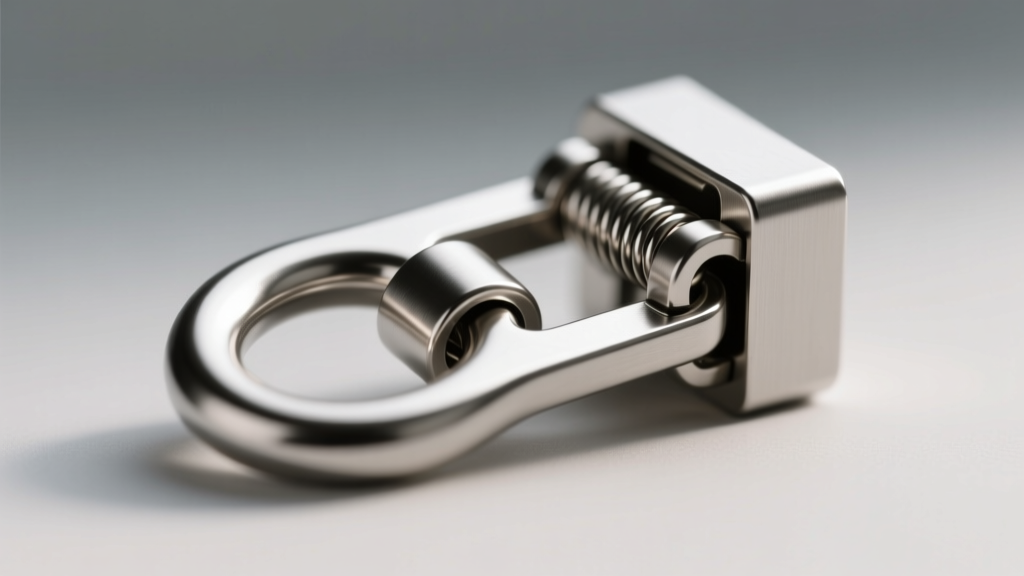
- Box Clasps with Safety Latches (6mm+): Mandatory for heavy chains. A box clasp utilizes a friction-fit tongue that locks into a reinforced housing. The accompanying figure-eight safety wire provides a secondary fail-safe, ensuring that even if the primary tongue compresses over time, the necklace remains securely around your neck.
5 Critical Buying Mistakes to Avoid
Even seasoned collectors fall victim to structural oversights. Avoid these common pitfalls to ensure your investment lasts a lifetime.
- Ignoring Pendant Bail Sizing: If you plan to hang a pendant on a 4mm chain, the pendant's bail (the loop it hangs from) must have an inner diameter of at least 5.5mm. A tight bail will grind against the chain links, causing premature wear to both pieces.
- Buying Hollow Wide Chains: Manufacturers often create 8mm to 12mm chains using hollow tubular links to save on gold costs. These are incredibly fragile; a single drop onto a hard surface can dent the links permanently, and they are nearly impossible to repair.
- Mismatching Metal Hardness: Never hang a hard steel or tungsten pendant on a soft, high-karat gold chain (like 22k or 24k). The harder metal will act like a saw blade, slowly cutting through the softer gold links over time.
- Overlooking the Clasp Swivel: Chains naturally twist during wear. If the clasp does not feature a 360-degree swivel jump ring, the twisting force will transfer to the link soldering points, eventually snapping the chain near the neck.
- Choosing Plated Widths for Daily Wear: Gold-plated or PVD-coated chains wider than 4mm experience high friction against the skin and clothing. The plating will inevitably wear off on the high-contact points of the links, revealing the base metal beneath.
Conclusion
Mastering the nuances of chain dimensions transforms jewelry from a mere accessory into a calculated extension of your personal architecture. By prioritizing proportion, respecting material density, and demanding proper clasp engineering, you ensure that your jewelry performs as flawlessly as it looks. Whether you are stepping out in a 2mm minimalist rope chain or commanding the room in a solid 8mm titanium Cuban link, precision in your buying process guarantees confidence in your daily wear. For deeper insights into market trends and manufacturing standards, industry publications like JCK Online offer excellent ongoing analysis of the evolving men's jewelry sector.


