The Mercury Dime Necklace: 2026 Value & Pricing Guide
Discover the true value of a Mercury dime necklace in 2026. Learn how coin grades, silver melt, and bezel types impact your budget and investment.

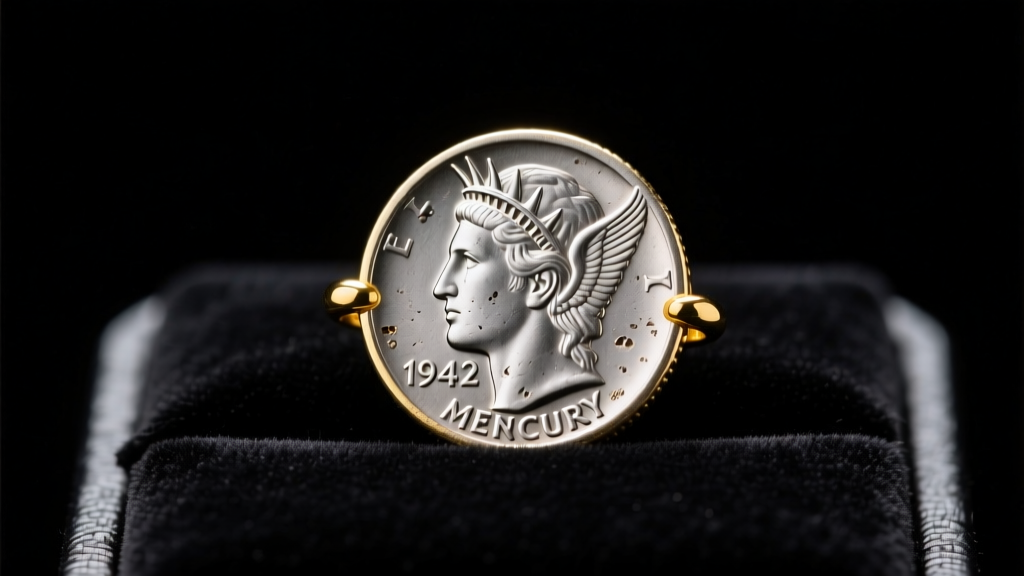
The Anatomy of a Mercury Dime Pendant
The Mercury dime, officially known as the Winged Liberty Head dime, remains one of the most iconic coins in American numismatic history. Designed by Adolph A. Weinman and minted from 1916 to 1945, its Art Deco aesthetic translates beautifully into custom jewelry. However, transforming a historical artifact into a wearable necklace requires a strict understanding of its physical properties and market value. Before assessing your budget, you must understand the exact specifications of the planchet you are working with.
Every authentic Mercury dime shares the same foundational metrics: a diameter of 17.91 millimeters, a thickness of 1.35 millimeters, and a total weight of 2.50 grams. The composition is strictly 90% silver and 10% copper, yielding an Actual Silver Weight (ASW) of 0.07234 troy ounces. These precise dimensions dictate the exact jewelry findings you will need, while the 90/10 alloy ratio directly influences both the melt value and the tarnish rate when worn against the skin.
Silver Melt vs. Numismatic Premium: Where Your Money Goes
When budgeting for a Mercury dime necklace in 2026, you are paying for two distinct value metrics: the intrinsic silver melt value and the numismatic collector premium. Understanding the intersection of these two values is the key to making a financially sound jewelry purchase.
To calculate the baseline melt value, multiply the ASW (0.07234 oz) by the current spot price of silver. If silver is trading at $28.00 per troy ounce, the raw melt value of the coin is approximately $2.02. However, no reputable dealer will sell a Mercury dime for pure melt. Even the most worn, damaged, and unrecognizable "cull" common-date coins (such as a 1941 or 1943) carry a minimum numismatic premium of $1.50 to $3.00 above melt due to their historical significance and 90% silver classification.
For jewelry purposes, your goal is to minimize the numismatic premium while maximizing the visual appeal of the coin's design. According to the Professional Coin Grading Service (PCGS), a coin graded Good (G-4) will have a heavily worn Liberty cap but still retain the essential outline of the wings and the fasces on the reverse. This lower-grade tier is the sweet spot for budget-conscious necklace buyers.
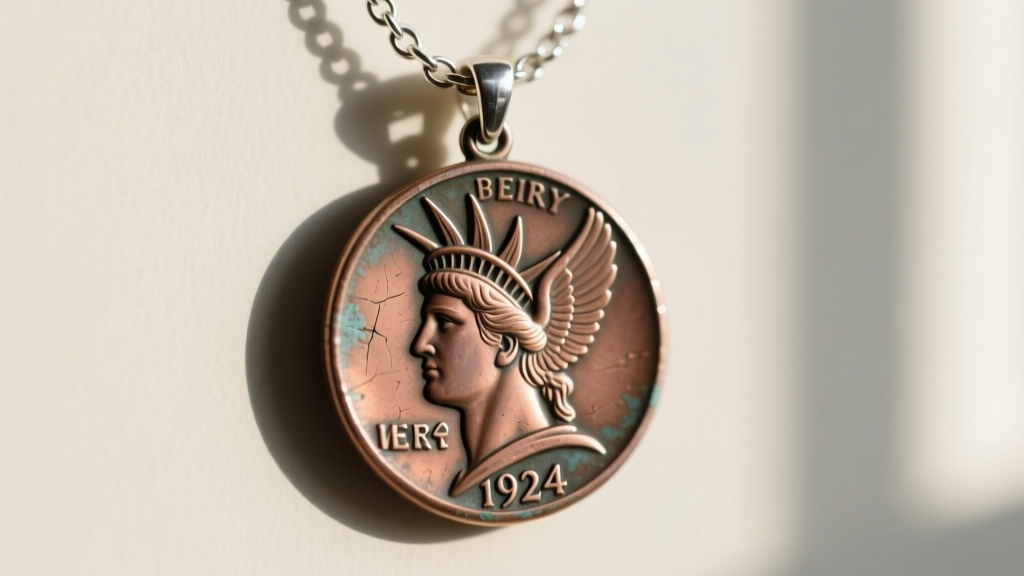
2026 Pricing Tiers: Budget, Mid-Range, and Collector
Building a Mercury dime necklace involves three separate costs: the raw coin, the bezel or coin mount, and the chain. Below is a comprehensive breakdown of what you can expect to spend across different quality tiers in the current market.
| Tier | Coin Grade & Date | Est. Coin Cost | Setting & Chain | Total Budget |
|---|---|---|---|---|
| Budget | Cull / Poor (Common Date) | $3.50 - $5.00 | $35 (Sterling Silver) | $38 - $40 |
| Mid-Range | Fine (F-12) to Very Fine (VF-20) | $8.00 - $18.00 | $85 (14k Gold Filled) | $93 - $103 |
| Premium | Extremely Fine (EF-40) 1930s Dates | $25.00 - $45.00 | $250 (Solid 14k Gold) | $275 - $295 |
| Collector | Key Date (e.g., 1921) AU-50+ | $300 - $800+ | $400+ (Custom 18k Gold) | $700 - $1,200+ |
The Key Date Trap: Never use a key-date Mercury dime (such as the 1916-D, 1921, or 1921-D) for a necklace. The friction from daily wear will rapidly degrade the coin's grade, destroying hundreds or thousands of dollars in numismatic value. Always stick to common dates from the late 1930s and early 1940s for wearable jewelry.
The Bezel Dilemma: Protecting Value vs. Wearing It
The most critical decision in your budget assessment is how the coin is mounted. The method of setting directly impacts both the security of the pendant and the residual value of the coin.
Drill-Hole vs. Bezel Mount
Some budget jewelers will drill a hole through the top of the dime to thread a chain or jump ring through it. Never allow a jeweler to drill a hole in a Mercury dime. This instantly reduces the coin to pure melt value and ruins its historical integrity. Even a $4 cull coin deserves better than structural mutilation.
Prong Bezels and Coin Mounts
The correct approach is to use a specialized coin mount or a prong bezel designed specifically for a 17.9mm diameter. These settings feature four to six small prongs that fold over the edge of the coin's rim, securing it firmly without the use of adhesives or heat. Because the dime is 1.35mm thick, you must ensure the bezel's "step" (the ledge the coin rests on) is deep enough to accommodate the planchet without bending the prongs outward, which would leave the coin loose and prone to falling out.
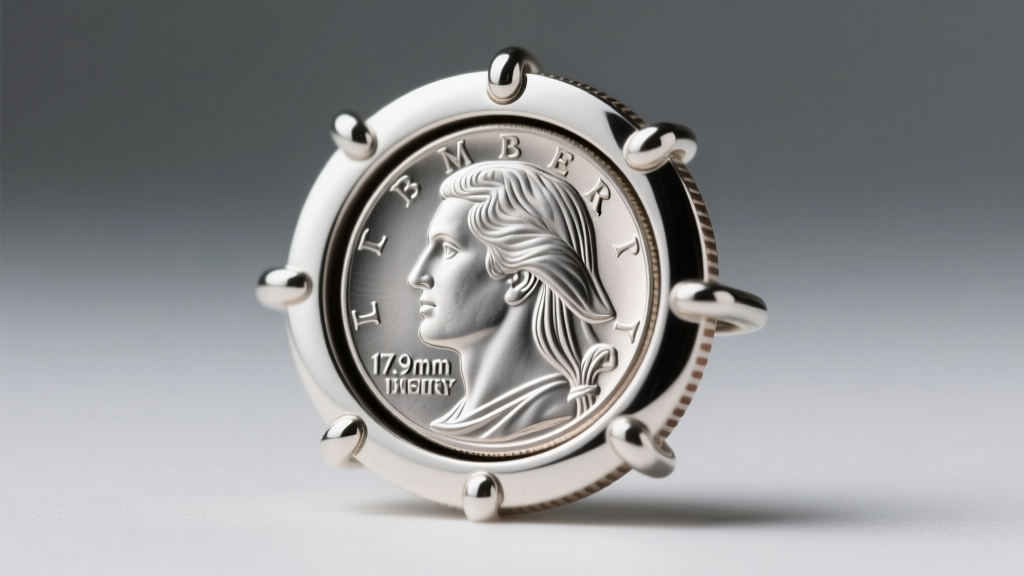
Chain Pairings for 90% Silver Pendants
A Mercury dime weighs 2.5 grams. Add a sterling silver or gold-filled bezel, and the total pendant weight ranges from 5 to 9 grams. This weight dictates the gauge and style of the chain you must purchase to ensure structural integrity.
- Avoid Delicate Cable Chains (0.8mm - 1.0mm): These chains typically have a break strength of under 2 pounds. The 9-gram pendant, combined with the kinetic force of a snag, will easily snap the soldered links.
- Optimal Gauge (1.5mm - 2.0mm): A 1.5mm to 2.0mm chain provides the necessary tensile strength while maintaining a proportional aesthetic relative to the 17.9mm coin.
- Best Chain Styles: Wheat chains, box chains, and rope chains are highly recommended. Their interlocking link structures distribute the weight of the pendant evenly across the collarbone, preventing the pendant from constantly flipping backward.
Sourcing Authentic Mercury Dimes for Jewelry
The secondary market is flooded with counterfeit Mercury dimes, particularly those originating from overseas marketplaces. These fakes are often cast in base metals and plated with a thin layer of silver. To protect your budget, you must source your coins from verifiable channels.
Consult the NGC Coin Explorer to familiarize yourself with the exact placement of the mint mark (located on the reverse, bottom left near the fasces). When purchasing raw coins for jewelry, buy from established precious metals dealers like JM Bullion or APMEX, or visit a local coin shop (LCS) and ask for "cull" or "good" grade common-date Mercury dimes. These dealers guarantee the 90% silver authenticity, ensuring your necklace is a genuine piece of American history rather than a worthless replica.
Expert Maintenance Tip: The 10% copper content in a Mercury dime makes it highly susceptible to oxidation and tarnish, especially when exposed to the acids in human sweat and environmental sulfur. Do not use harsh chemical silver dips, as they will strip the coin's natural patina and leave it with an unnatural, blinding white luster. Instead, clean your pendant monthly with warm water, a drop of mild dish soap, and a microfiber cloth, gently wiping the high-relief areas of the fasces and Liberty cap.


