Merida Necklace Value Guide: Is It Worth the Price in 2026?
Assess the true value of a Merida necklace in 2026. We break down silver grades, Cairngorm quartz authenticity, and pricing tiers to help you buy smart.

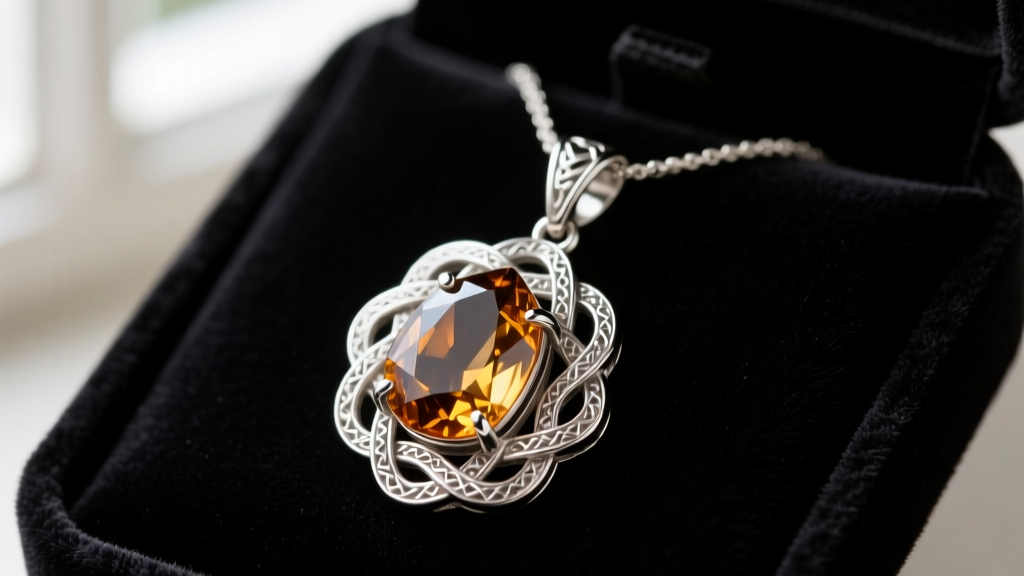
What Defines a True Merida Necklace?
The term Merida necklace has become a highly searched descriptor in the heritage jewelry market, typically referring to Celtic-inspired pendant necklaces that feature intricate Scottish knotwork paired with regional Highland gemstones. Unlike generic Celtic pendants, a true Merida-style piece is defined by its specific marriage of heavy-gauge sterling silver casting and the use of Cairngorm quartz or Scottish agate. As silver spot prices continue to fluctuate in 2026 and the market floods with overseas mass-produced replicas, assessing the actual budget and long-term value of these necklaces requires a deep dive into metallurgy and gemology.
Whether you are purchasing a Merida necklace as a nod to Scottish heritage, a statement piece for historical reenactment, or an everyday bohemian-chic accessory, understanding the divide between artisan-crafted originals and factory-stamped fakes is critical to protecting your wallet.
Material Breakdown: Silver Grades and Gemstone Authenticity
The value of a Merida necklace is entirely anchored in its raw materials. A piece that looks identical to the naked eye can vary in wholesale cost by over 400% based on what is happening at the microscopic level.
The Silver Standard: 925 vs. Plated and 'Tibetan' Alloys
Authentic heritage pieces are cast in 925 Sterling Silver (92.5% pure silver, 7.5% copper for durability). In the UK, the Edinburgh Assay Office strictly regulates these claims. Under the UK Hallmarking Act 1973, any silver item weighing more than 7.78 grams must carry a full hallmark, which includes the maker's mark, the 925 fineness stamp, and the Assay Office mark (a castle for Edinburgh).
Budget replicas often bypass this by using 'Tibetan Silver' or 'Alpaca'. These are nickel-copper-zinc alloys that contain zero actual silver. Not only do they lack intrinsic melt value, but they also frequently cause contact dermatitis. Furthermore, some mid-tier brands use brass cores with a microscopic 0.5-micron silver plating. While stamped '925' illegally, these will oxidize and flake within six months of daily wear, rendering the necklace worthless.
Cairngorm Quartz vs. Glass and Heat-Treated Amethyst
The centerpiece of a traditional Merida pendant is the Cairngorm quartz—a rare, naturally smoky quartz found exclusively in the Cairngorm Mountains of Scotland. According to the Gemological Institute of America (GIA), natural smoky quartz gets its brown, translucent hue from natural irradiation interacting with aluminum impurities in the crystal lattice.
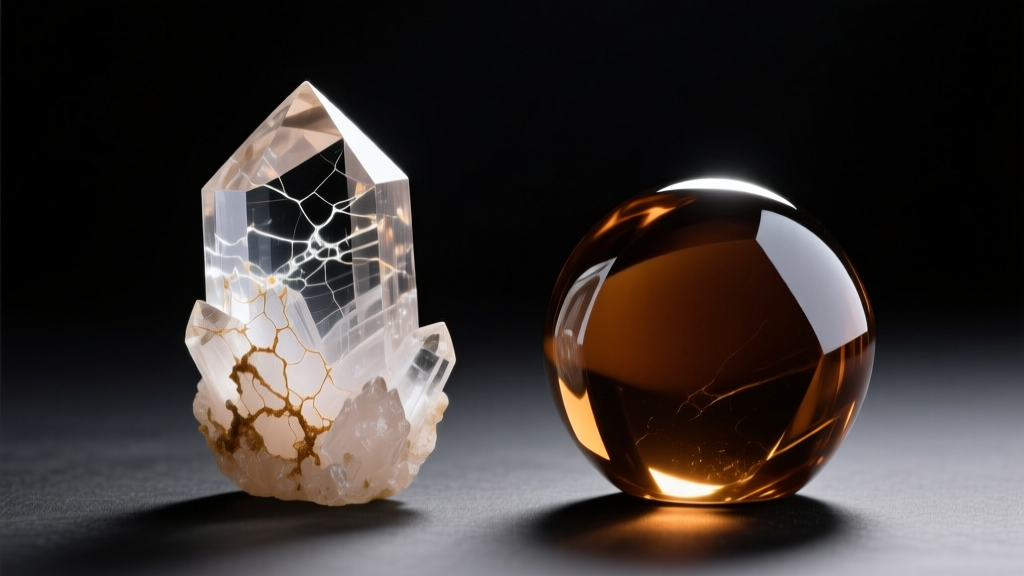
Because true Cairngorm quartz is scarce and expensive, the 2026 market is saturated with two common imposters:
- Heat-Treated Amethyst: Low-grade amethyst is baked at 400°C to turn it brown. While still a real gemstone, it lacks the specific geological heritage and commands a fraction of the price.
- Smoked Glass: Mass-market pendants use molded glass. Glass has a Mohs hardness of 5.5, meaning it will scratch easily against everyday dust (which contains quartz particles, hardness 7). Genuine Cairngorm quartz sits at a 7 on the Mohs scale and will remain pristine for decades.
2026 Pricing Tiers: What Should You Actually Pay?
To help you benchmark your budget, we have categorized the current market pricing for Merida necklaces based on manufacturing origin, material integrity, and hallmarking. Use this table to ensure you are not overpaying for a lower-tier product.
| Tier | Silver Type & Weight | Gemstone | 2026 Price Range | Value Assessment |
|---|---|---|---|---|
| Mass Market | Brass core, silver-plated (15-20g) | Brown molded glass | $25 - $55 | Poor. High risk of skin irritation and rapid tarnishing. |
| Mid-Tier Commercial | Solid 925 Sterling, lightweight cast (8-12g) | Heat-treated Amethyst | $80 - $160 | Fair. Good for fashion, but lacks heritage investment value. |
| Artisan Heritage | Solid 925 Sterling, heavy hand-finished (20g+) | Authentic Cairngorm Quartz | $220 - $450 | Excellent. Fully hallmarked, heirloom quality, retains intrinsic value. |
| Master Silversmith | 950 Britannia Silver, custom forged (30g+) | Museum-grade Cairngorm or Scottish Agate | $600 - $1,200+ | Premium. Collectible art piece, appreciates over time. |
Red Flags: How to Spot Overpriced Fakes
When shopping online or at tourist boutiques, unscrupulous sellers will often price mass-market items at artisan levels. Protect your budget by looking out for these specific warning signs:
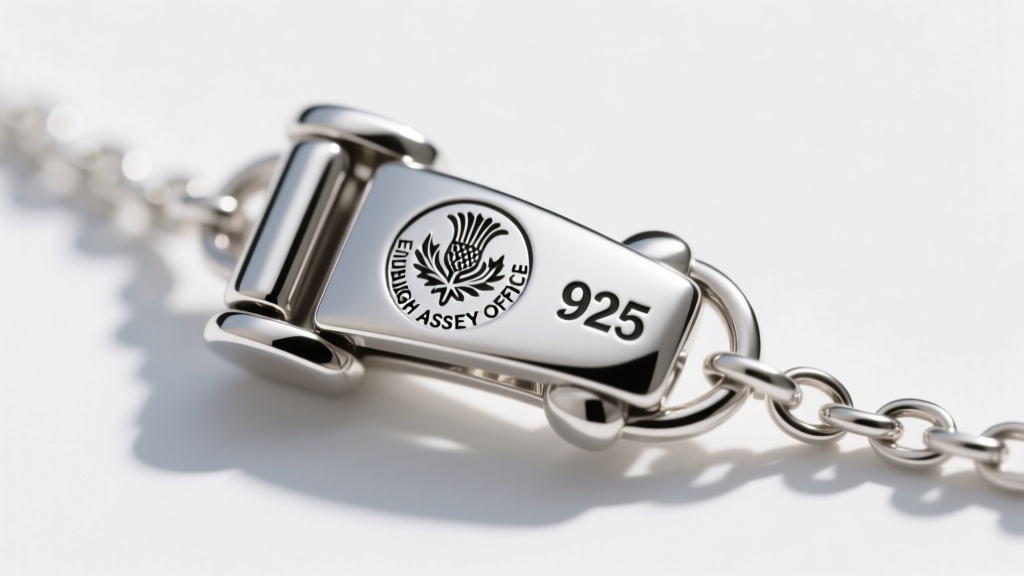
- The '925' Stamp Without an Assay Mark: A simple '925' stamp can be applied by anyone with a $10 metal punch. If the pendant weighs over 7.78 grams and lacks the accompanying Assay Office symbol (like the Edinburgh Castle or a Thistle), it is legally suspect in the UK market and likely imported white metal.
- Flawless 'Smoky' Stones: Natural Cairngorm quartz will almost always feature slight color zoning, microscopic liquid inclusions, or crystalline fractures. If the brown stone is perfectly uniform in color and entirely devoid of inclusions under a 10x jeweler's loupe, you are looking at glass.
- Suspiciously Light Weight: Celtic knotwork requires structural volume. A genuine heavy-cast sterling silver Merida pendant should feel substantial in the hand, typically weighing between 15 and 25 grams. If it feels as light as a coin, it is likely hollow-cast base metal.
- Magnetic Clasp or Chain: Bring a small neodymium magnet when shopping in person. Silver is diamagnetic (non-magnetic). If the chain or the clasp spring mechanism exhibits a strong magnetic pull, the piece contains high amounts of iron or steel.
Care, Maintenance, and Longevity
An artisan-tier Merida necklace is a generational investment, but it requires specific care to maintain its value. The intricate crevices of Celtic knotwork are notorious for trapping skin oils, lotions, and environmental sulfur, which accelerates tarnishing.
Never use harsh chemical silver dips on a necklace set with Cairngorm quartz or agate. These chemicals can strip the natural polish of the stone and degrade the epoxy or bezel settings over time. Instead, use a mild dish soap and a soft-bristled baby toothbrush to clean the silver crevices, followed by a dedicated anti-tarnish microfiber polishing cloth. Store the piece in an airtight anti-tarnish bag with a silica gel packet to prevent moisture-induced oxidation.
Final Verdict: Is the Investment Worth It?
If you are strictly looking for a temporary fashion accessory, a $40 mass-market Merida necklace will suffice, provided you are aware of the plated base metals and glass stones. However, from a true budget and value assessment perspective, the Artisan Heritage tier ($220 - $450) offers the highest return on investment. By paying for solid, hallmarked 925 sterling silver and authentic regional gemstones, you are purchasing an heirloom piece that holds intrinsic melt value and historical integrity, ensuring your money is spent on enduring craftsmanship rather than fleeting trends.


