Expert Care Guide for Your Favorite Boho Necklace for Women
Learn expert cleaning and maintenance tips for your boho necklace for women. Protect turquoise, leather, and brass with our material-specific guide.

The Mixed-Media Challenge of Bohemian Jewelry
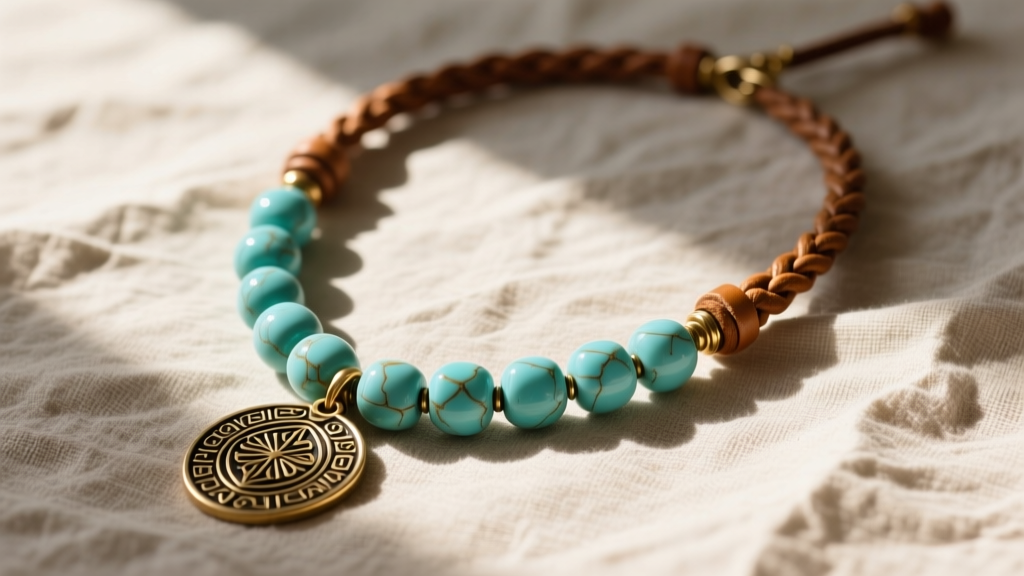
A true boho necklace for women is rarely made from a single, uniform material. The hallmark of bohemian jewelry design is its eclectic, layered aesthetic, combining porous gemstones, reactive base metals, and organic textiles. While this mixed-media approach creates stunning, free-spirited statement pieces, it creates a nightmare for traditional jewelry cleaning. Submerging a multi-strand boho piece in a commercial silver dip or an ultrasonic cleaner will instantly destroy leather cords, melt textile adhesives, and fracture delicate stones. To preserve the structural integrity and visual warmth of your favorite pieces, you must adopt a segmented, material-specific care regimen. This guide breaks down the exact chemical and physical vulnerabilities of common boho materials and provides actionable, professional-grade maintenance protocols.
Material Vulnerability Matrix
Before applying any cleaning agent, you must identify every component of your necklace. Use the matrix below to determine the correct cleaning pathway and identify catastrophic failure points.
| Material Category | Common Boho Elements | Primary Vulnerability | Safe Cleaning Agent | Strictly Avoid |
|---|---|---|---|---|
| Porous Gemstones | Turquoise, Lapis Lazuli, Malachite, Coral | Chemical absorption, dehydration, scratching (Mohs 3-6) | Damp microfiber cloth, mild Castile soap | Ultrasonic cleaners, ammonia, steam |
| Reactive Metals | Raw Brass, Copper, Unplated Silver, Bronze | Rapid oxidation, skin-acid reactions (green staining) | Lemon juice/baking soda paste, brass polish | Bleach, harsh silver dips |
| Organic Textiles | Macrame, Cotton Thread, Suede, Leather, Feathers | Water warping, pH imbalance, UV fading, mold | Saddle soap, suede eraser, spot-cleaning | Submersion, washing machines, alcohol |
Step-by-Step Cleaning Protocols by Material
1. Porous Gemstones: Turquoise, Lapis, and Malachite
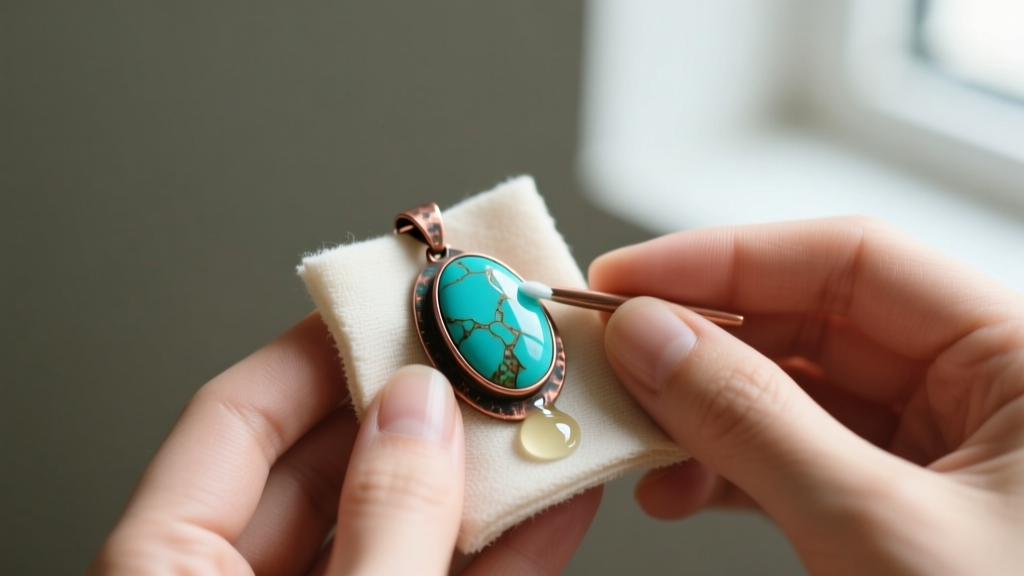
Turquoise is a hydrated copper aluminum phosphate with a Mohs hardness of just 5 to 6. It is inherently porous and highly susceptible to chemical absorption. According to the Gemological Institute of America (GIA), exposure to cosmetics, perfumes, and harsh chemicals can permanently alter the color of natural turquoise, turning vibrant blues into dull greens. Never use ultrasonic cleaners, as the high-frequency vibrations can shatter the stone along its natural matrix lines. Instead, use a barely damp microfiber cloth to gently wipe away surface oils. If the stone is heavily soiled, use a soft-bristled baby toothbrush dipped in a solution of warm water and a single drop of pH-neutral Castile soap. Dry immediately with a lint-free cloth. Never let water pool around the bezel setting, as trapped moisture will oxidize the underlying metal and cause the stone to pop out of its setting.
2. Reactive Base Metals: Brass, Copper, and Bronze
Boho designs heavily feature unsealed brass and copper for their warm, earthy tones. However, these metals react rapidly with oxygen and the sulfur in human sweat, creating a dark patina or transferring copper chloride (the dreaded "green neck" effect) onto the skin. To restore the original luster of brass pendants without damaging adjacent leather cords, create a targeted paste using equal parts lemon juice and baking soda. Apply the paste strictly to the metal using a cotton swab, let it sit for no more than three minutes, and buff away with a polishing cloth. To prevent future oxidation and skin staining, apply a microscopically thin layer of Renaissance Wax or a specialized jewelry shield spray to the back of the pendant where it rests against the collarbone.
3. Organic Textiles: Leather, Suede, and Macrame
Leather and suede cords are the structural backbone of many boho necklaces for women, but they are highly vulnerable to water damage and pH imbalances. Submerging leather will strip its natural tanning oils, leading to stiffening, cracking, and eventual snapping. For finished leather, use a high-quality, pH-balanced saddle soap applied with a soft horsehair brush, followed by a light conditioning with mink oil. For suede, avoid liquids entirely; use a dedicated suede eraser and a crepe brush to lift dirt and restore the nap. Macrame and cotton threads can be spot-cleaned using a mild detergent, but they must be laid flat to dry in the shade. Direct sunlight and UV exposure will rapidly degrade cotton fibers and cause vibrant dyed threads to fade.
Environmental Damage and Storage Strategies
How you store your boho jewelry is just as critical as how you clean it. Mixed-media necklaces should never be tossed into a communal jewelry box where heavy metal clasps can crush delicate beads or fray cotton threads. Furthermore, the GIA Gem Care Guidelines emphasize that extreme fluctuations in humidity and temperature can cause organic gems and porous stones to crack. Store your boho necklaces flat or hanging individually in a dark, climate-controlled environment. Place 3M anti-tarnish strips inside the storage drawer or box to neutralize airborne sulfur compounds that accelerate brass and copper oxidation. If you live in a high-humidity climate, include silica gel desiccant packets in your storage area to prevent mold growth on leather and cotton elements.
Troubleshooting Common Boho Jewelry Failures
Problem: Fraying Cotton Threads at the Clasp
The friction from metal jump rings and clasps often causes the cotton or silk threads of beaded boho necklaces to fray and eventually snap. The Fix: Do not use rigid super glues (cyanoacrylate), which will crystallize and cut the fibers. Instead, apply a micro-drop of flexible jewelry adhesive, such as GS Hypo Cement or E6000 Jewelry & Bead, directly to the frayed area. Allow it to cure for 24 hours before wearing.
Problem: Turquoise Beads Turning Dark or Green
If your natural, unstabilized turquoise beads are darkening, they are absorbing your skin's natural sebum and oils. The Fix: Unfortunately, once natural turquoise absorbs oil, the color change is largely permanent. However, you can stabilize the surface and prevent further darkening by gently buffing the beads with a soft cloth coated in a tiny amount of microcrystalline museum wax. This fills the microscopic pores without altering the stone's chemical structure.
Problem: Stiff, Cracked Leather Cords
Leather cords that have been exposed to sweat and salt will dry out and become brittle. The Fix: Gently wipe the cord with a damp cloth to remove salt buildup. Once completely dry, massage a small amount of pure neatsfoot oil or a dedicated leather conditioner into the cord using your fingertips. Bend the leather gently back and forth to work the oils deep into the fibers, restoring its flexibility and tensile strength.
When to Seek Professional Restoration
While routine maintenance can be handled at home, certain structural failures require a professional bench jeweler. If the bezel wire holding a large turquoise slab becomes bent or lifted, do not attempt to push it back down with household pliers, as you risk cracking the stone. Similarly, if a multi-strand leather necklace suffers a broken crimp bead or a severed core wire, a professional must re-string the piece using specialized beading wire and hydraulic crimping tools. Investing in professional restoration every few years ensures that your favorite boho necklace for women remains a durable, wearable piece of art for decades to come.


