What Do the Colors Mean for a Mood Necklace? Value & Science Guide
Discover what do the colors mean for a mood necklace, the science of thermochromism, and our expert budget assessment to ensure you get real value.

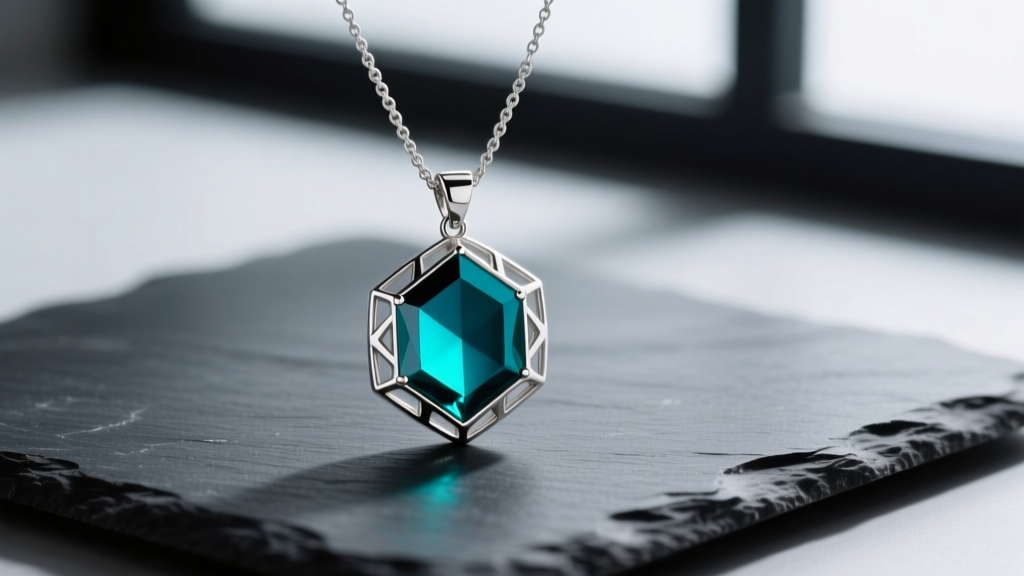
If you have ever found yourself staring at a shifting, iridescent pendant and wondering what do the colors mean for a mood necklace, you are participating in a jewelry phenomenon that has captivated consumers since the 1970s. While often dismissed as mere novelty or children's accessories, mood necklaces are actually fascinating applications of material science. More importantly, as the jewelry market has evolved into 2026, the gap between cheap novelty items and genuinely valuable thermochromic jewelry has widened significantly.
In this comprehensive budget and value assessment, we will decode the science behind the color shifts, break down the actual manufacturing costs versus retail markups, and provide you with an expert framework to determine if a mood necklace is a worthwhile investment or an overpriced trinket.
The Science of the Shift: What Do the Colors Mean for a Mood Necklace?
To accurately assess the value of these pieces, you must first understand what you are actually paying for. Mood jewelry does not read your mind or measure your emotional state. Instead, it relies on thermochromic principles. The core of the pendant contains a layer of cholesteric liquid crystals—specifically, a mixture of compounds like cholesteryl nonanoate and cholesteryl chloride.
These liquid crystals are highly sensitive to temperature variations. As your skin temperature fluctuates based on blood flow (which is indirectly influenced by stress, excitement, or environmental cold), the molecular structure of the crystals twists. This twisting alters the wavelengths of light they reflect, resulting in a visible color change. According to the history of mood jewelry, the original color charts were largely marketing inventions, but modern 2026 thermochromic pigments follow a more standardized thermal spectrum.
The Standard Thermochromic Color Chart
| Color Displayed | Approximate Skin Temperature | Associated Emotional Marketing | Actual Physiological State |
|---|---|---|---|
| Deep Violet / Purple | 95°F - 97°F (35°C - 36.1°C) | Romantic, Passionate | Warm extremities, relaxed vasodilation |
| Blue / Teal | 90°F - 94°F (32.2°C - 34.4°C) | Calm, Peaceful | Normal resting baseline temperature |
| Green | 82°F - 89°F (27.7°C - 31.6°C) | Normal, Average | Slight peripheral cooling, ambient room temp |
| Yellow / Amber | 75°F - 81°F (23.8°C - 27.2°C) | Anxious, Excited | Vasoconstriction due to stress or cold air |
| Black / Clear | Below 75°F (Below 23.8°C) | Stressed, Depressed | Severe cold exposure or poor circulation |
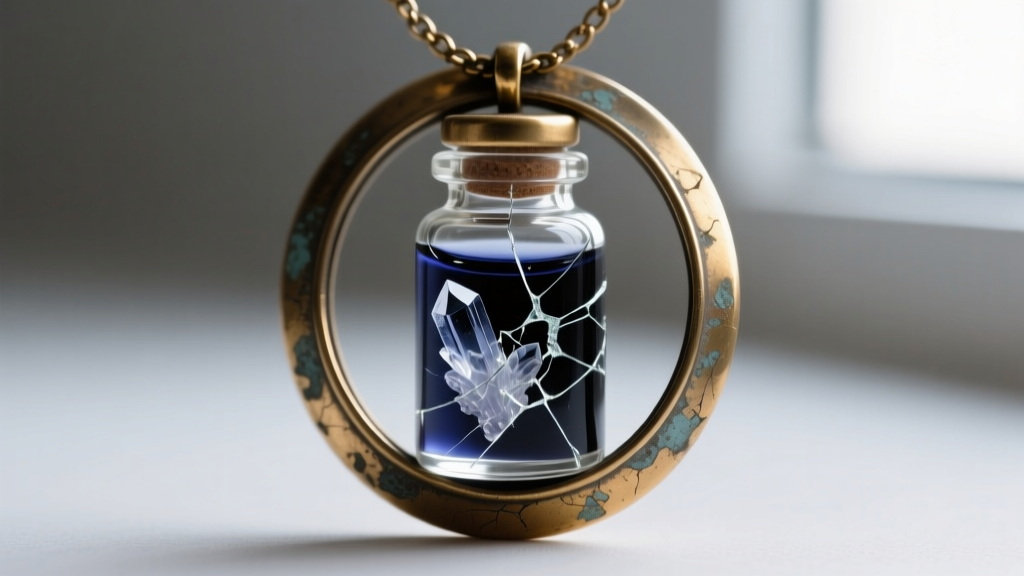
Budget Breakdown: Are Mood Necklaces Worth the Retail Price?
When evaluating liquid crystal technology in jewelry, the value proposition depends entirely on the housing materials and the sealing technique. The thermochromic element itself costs mere pennies to manufacture. Therefore, your budget should be dictated by the metalwork, the chain quality, and the protective bezel.
Tier 1: The Mall Kiosk Novelty ($5 - $15)
At this price point, you are purchasing a base metal (usually zinc alloy or brass) stamped bezel holding a thin, poorly sealed glass or plastic vial. The chains are typically thin cable chains made of nickel-plated iron. Value Assessment: Poor. These pieces are highly prone to causing contact dermatitis due to nickel content. Furthermore, the weak adhesive seals fail within weeks, allowing moisture to destroy the liquid crystals, permanently turning the pendant black.
Tier 2: The Sterling Silver Standard ($30 - $60)
This is the sweet spot for value. A genuine 925 sterling silver bezel provides hypoallergenic wear and structural integrity. More importantly, mid-tier manufacturers use quartz glass faces and UV-cured resin seals to protect the thermochromic layer from moisture and oxygen. The chains are usually sturdy box or rope chains that will not easily snap. Value Assessment: Excellent. You are paying for durable jewelry that happens to feature a thermochromic element, rather than just paying for the novelty.
Tier 3: The Designer Markup ($85 - $150+)
Some boutique brands offer 14k gold vermeil or solid gold-plated mood necklaces. While the aesthetic is undeniably elevated, the thermochromic technology inside is identical to the $40 versions. Value Assessment: Diminishing returns. You are paying strictly for brand prestige and gold plating, which will eventually wear off, exposing the base silver underneath.
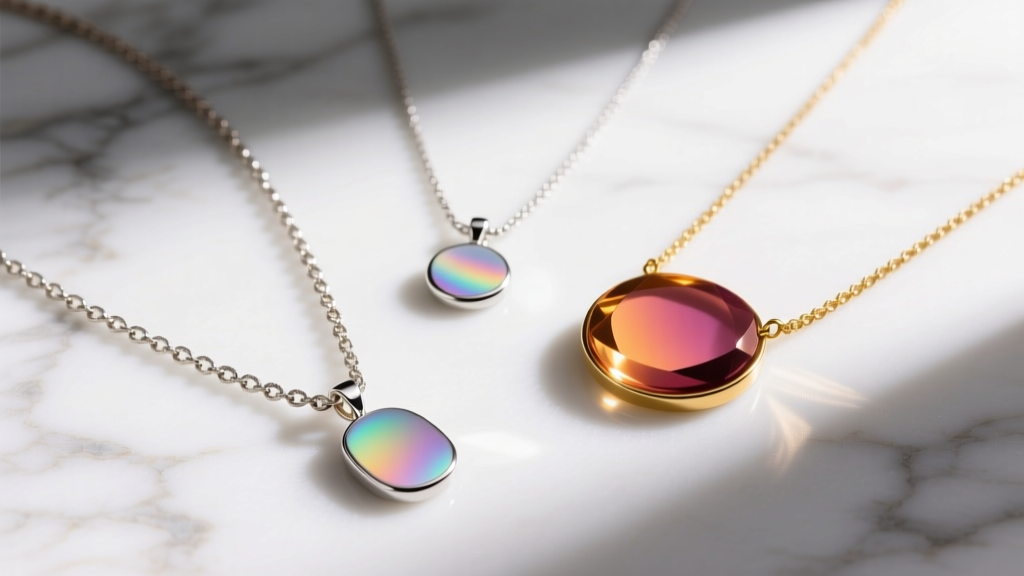
Critical Failure Modes: Why Your Necklace Turned Black Forever
The most common complaint among consumers is that their mood necklace eventually gets "stuck" on black or clear. From a materials engineering perspective, this is not a defect of the liquid crystals, but a catastrophic failure of the protective housing. Understanding these failure modes is crucial for protecting your investment.
- Hydrolysis (Water Damage): The liquid crystals are highly susceptible to water intrusion. If the microscopic seal around the quartz glass fails, sweat, shower water, or humidity enters the vial. The water disrupts the molecular alignment of the cholesteric compounds, rendering them permanently inert and black.
- UV Degradation: Prolonged exposure to direct sunlight breaks down the chemical bonds in the thermochromic pigment. A necklace left on a sunny dashboard will lose its color-shifting properties in a matter of days, fading to a permanent cloudy yellow.
- Thermal Shock: Sudden, extreme temperature changes (like stepping into a freezing winter storm or dropping the pendant into hot water) can cause the glass face to micro-fracture, instantly breaking the airtight seal and destroying the pigment.
Expert Care Protocol: Maximizing Your Jewelry Investment
If you have invested in a high-quality 925 sterling silver thermochromic necklace, implementing a strict care protocol will extend its functional lifespan from a few months to several years.
The Golden Rule of Thermochromic Jewelry: Treat it like a vintage mechanical watch. It is a sealed, sensitive instrument, not a piece of solid metal. Keep it dry, keep it shaded, and let your body heat do the work.
- The Shower Ban: Never wear your mood necklace in the shower, bath, or swimming pool. Chlorine and hot water are the fastest ways to degrade the resin seal.
- Storage Strategy: When not wearing the piece, store it in an airtight ziplock bag with a silica gel desiccant packet. This prevents ambient humidity from slowly penetrating the bezel over time.
- Polishing Precautions: When polishing the sterling silver bezel, use a dry microfiber cloth. Never use liquid silver dips or harsh chemical pastes, as these liquids can seep under the glass rim and ruin the thermochromic layer.
Final Verdict: Assessing the True Value
So, what do the colors mean for a mood necklace in the context of modern jewelry? They represent a brilliant intersection of organic chemistry and wearable art. However, as a financial investment, the value is entirely dependent on the craftsmanship of the housing.
Avoid the sub-$15 base metal traps that will inevitably rust and leak. Instead, allocate a budget of $35 to $60 for a well-crafted 925 sterling silver piece with a quartz-sealed bezel. By understanding the science of the color shift and respecting the material vulnerabilities, you can enjoy a dynamic, color-changing pendant that offers genuine aesthetic value and enduring wearability.


