Pearl Necklace Him: The Ultimate Budget & Value Guide
Discover how to evaluate a pearl necklace him. We break down pearl grades, types, stringing durability, and 2026 pricing tiers for men's jewelry.

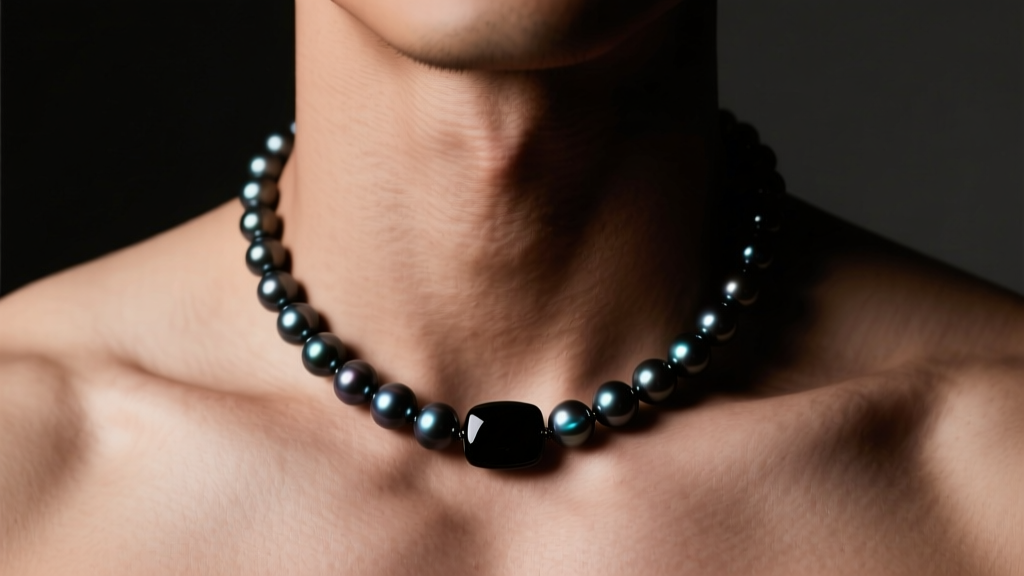
The Shift in Men's Jewelry: Valuing the Pearl
The landscape of men's jewelry has undergone a seismic shift over the last decade. What was once considered strictly feminine or relegated to vintage eccentricity is now a staple of modern menswear. When shoppers search for a pearl necklace him buyers are often navigating a complex market filled with misleading grades, synthetic imitations, and wildly varying price points. Whether you are looking for a subtle 6mm Akoya strand for the office or a bold 12mm Edison pearl piece for streetwear, understanding the intrinsic value of the materials is crucial to avoid overpaying.
Unlike gold or silver, which have standardized spot prices, pearls are organic gemstones. Their value is dictated by a nuanced matrix of luster, nacre thickness, surface cleanliness, and origin. For men, who often subject their jewelry to harsher environmental factors like sweat, friction, and active movement, the structural integrity of the necklace is just as important as the aesthetic appeal of the pearls themselves. This guide provides a rigorous, data-driven assessment of budget and value for men's pearl necklaces in 2026.
Pearl Varieties and Market Pricing
The foundation of any value assessment begins with the pearl type. The market is dominated by three primary categories, each offering distinct visual profiles and price brackets. Understanding these differences prevents the common mistake of paying Tahitian prices for dyed freshwater alternatives.
| Pearl Type | Typical Size Range | Color Profile | 2026 Price Range (18" Strand) | Best Use Case for Men |
|---|---|---|---|---|
| Freshwater (Standard) | 5mm - 9mm | White, Peach, Lavender | $50 - $250 | Entry-level, casual layering |
| Edison Freshwater | 10mm - 15mm | White, Gold, Deep Purple | $150 - $600 | Statement pieces, streetwear |
| Akoya (Saltwater) | 6mm - 9.5mm | White, Cream, Silver-Blue | $400 - $2,500 | Formal wear, high-end business |
| Tahitian (Saltwater) | 8mm - 14mm | Black, Grey, Peacock, Aubergine | $600 - $4,000+ | Edgy aesthetics, luxury gifting |
Freshwater pearls offer the best budget entry point, but they often lack the razor-sharp, mirror-like luster of saltwater varieties. For men seeking the large, bold sizes popularized by hip-hop artists and high-fashion runways without the $5,000 Tahitian price tag, Edison freshwater pearls are the ultimate value hack. They are bead-nucleated like saltwater pearls, yielding larger sizes and rounder shapes at a fraction of the cost.
Grading Metrics That Dictate Value
The pearl industry lacks a single, universally mandated grading system, which makes budget assessment tricky. However, reputable jewelers and the Gemological Institute of America (GIA) evaluate pearls based on seven key value factors. For men's necklaces, three factors heavily influence both price and longevity:
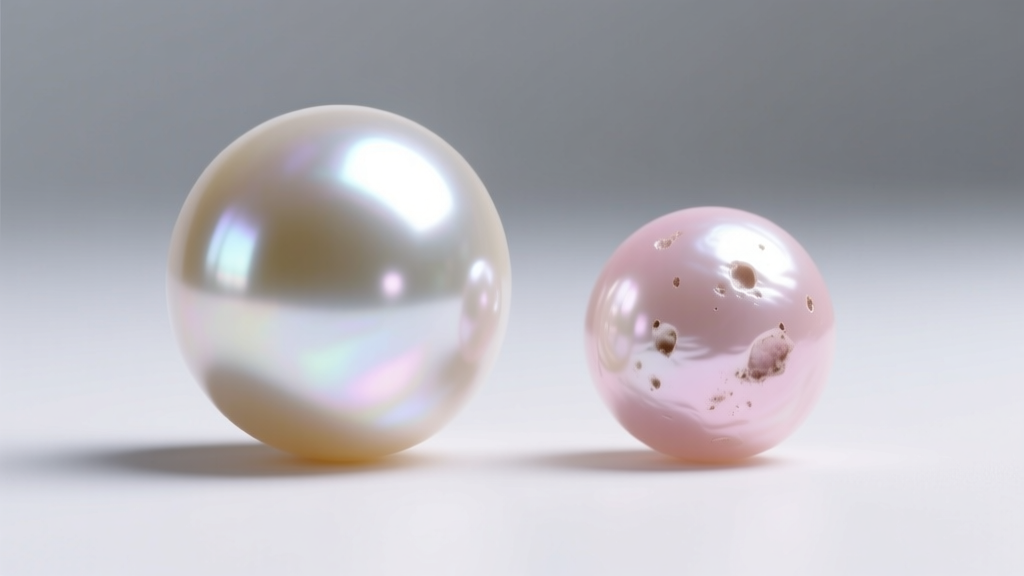
- Luster: The most critical value driver. High-luster pearls reflect light sharply, almost like a metallic surface. Low-luster pearls look chalky and dull. Never compromise on luster to get a larger size; a small, high-luster Akoya will always look more expensive than a large, chalky freshwater pearl.
- Nacre Thickness: Nacre is the crystalline substance the oyster secretes. In bead-nucleated pearls (Akoya, Tahitian, Edison), if the nacre is too thin (under 0.8mm), it can peel or flake off over time, especially when exposed to the acidic pH of human sweat. Always ask the vendor for nacre thickness specifications on saltwater pearls.
- Surface Blemishes: Pearls are organic and rarely flawless. 'AAA' grade indicates 95%+ clean surface, while 'AA+' allows for minor blemishes. For a men's necklace worn under t-shirts or layered with chains, AA+ is the sweet spot for value, as minor blemishes are invisible at conversational distance and save you 30-40% on the price.
The Hardware and Stringing: A Crucial Failure Point
When evaluating a pearl necklace, him being the intended wearer means you must heavily scrutinize the stringing material. This is the most common failure mode in men's pearl jewelry. Traditionally, high-end pearls are strung on 100% silk thread with French wire at the clasps. Silk is beautiful and drapes perfectly, but it is highly susceptible to degradation from moisture, sweat, and cologne.
"Men's jewelry endures a harsher micro-environment than women's. A silk-strung pearl necklace worn daily by an active man will stretch, weaken, and potentially snap within 12 to 18 months due to sweat acidity and mechanical stress."
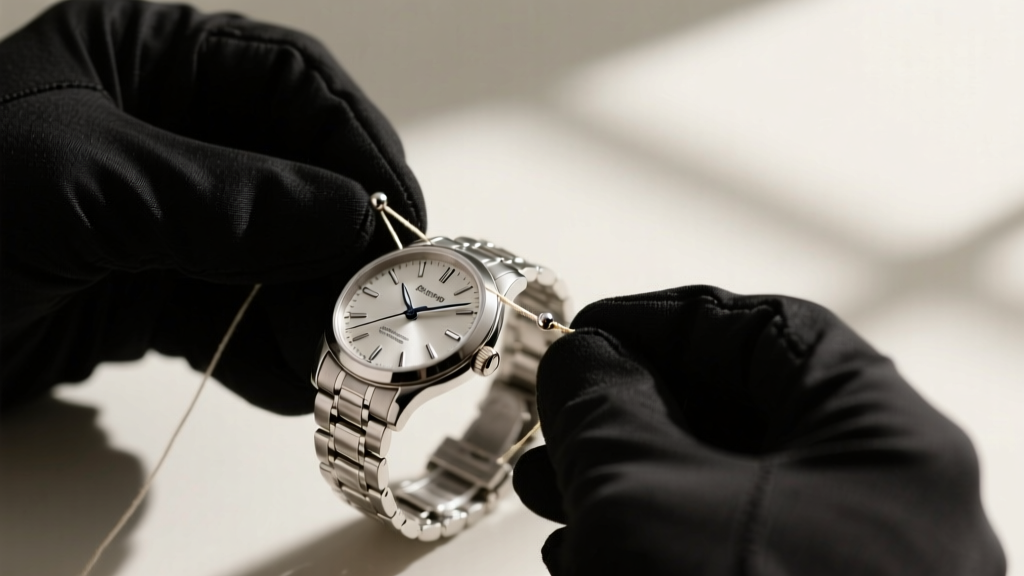
For men, we strongly recommend seeking out pearls strung on synthetic braided cords (like PowerPro) or stainless steel micro-cables. These materials are impervious to sweat and will not stretch. While traditionalists might scoff at non-silk stringing, it is a necessary adaptation for durability. If a vendor uses silk, ensure the necklace features individual knotting between every pearl. This prevents total loss if the strand breaks and stops the pearls from grinding against each other, which damages their nacre.
2026 Buying Framework: Budget vs. Investment
To make a financially sound purchase, align your budget with realistic market expectations. Here is a practical decision framework for buying a men's pearl necklace this year:
The Under $150 Tier (Fashion & Experimentation)
At this price, you are looking at standard freshwater pearls (6-8mm). Expect off-round or near-round shapes with good but not mirror-like luster. Value Verdict: Excellent for testing the trend. Avoid anything claiming to be 'Tahitian' at this price, as it is almost certainly dyed freshwater. Look for stainless steel clasps rather than base metals that will tarnish and stain the pearls.
The $300 - $800 Tier (The Value Sweet Spot)
This is where you find the best intersection of quality and price. You can acquire high-quality, round Edison freshwater pearls (10-12mm) with excellent luster, or entry-level, smaller Akoya pearls (6-7mm) with mirror luster. Value Verdict: The highest ROI for daily wear. Edison pearls in this bracket offer the bold, masculine aesthetic desired by modern trendsetters without the saltwater premium.
The $1,500+ Tier (Heirloom & Investment)
This budget unlocks premium, gem-grade Akoya (8mm+) or authentic Tahitian pearls with rare overtones (like true peacock or pistachio). Value Verdict: Buy strictly from authorized dealers who provide American Gem Society (AGS) certified documentation or GIA reports. At this level, you are paying for the top 1% of the harvest; ensure the nacre thickness is verified to be over 1.0mm to guarantee it can be passed down as an heirloom.
Maintenance and Wear-and-Tear Realities
Pearls rank at a mere 2.5 to 3.0 on the Mohs hardness scale, making them exceptionally soft compared to diamonds (10) or sapphires (9). They are highly vulnerable to the chemicals found in men's grooming routines. Cologne, hairspray, and acidic skin pH can strip the nacre, leaving the pearls dull and chalky.
To protect your investment, adopt the 'Last On, First Off' rule. The pearl necklace must be the last thing you put on after your cologne and skincare products have fully dried, and the first thing you take off when you get home. Never shower with pearls, and never store them in airtight plastic bags or safety deposit boxes for long periods; pearls require ambient moisture to prevent the nacre from cracking and crazing. Store them flat in a soft linen pouch, separate from metal chains that will easily scratch their delicate surfaces.
By understanding the intersection of pearl variety, grading metrics, and structural durability, you can confidently navigate the market. A well-chosen pearl necklace is not just a fleeting fashion statement, but a versatile, enduring asset in a modern man's jewelry wardrobe.


