Mermaid Necklace Gold: Metal Types & Water Durability
Discover which mermaid necklace gold material survives saltwater and sweat. We compare solid, vermeil, and plated options for lasting ocean-ready shine.

The Allure of Oceanic Jewelry: Why Material Matters
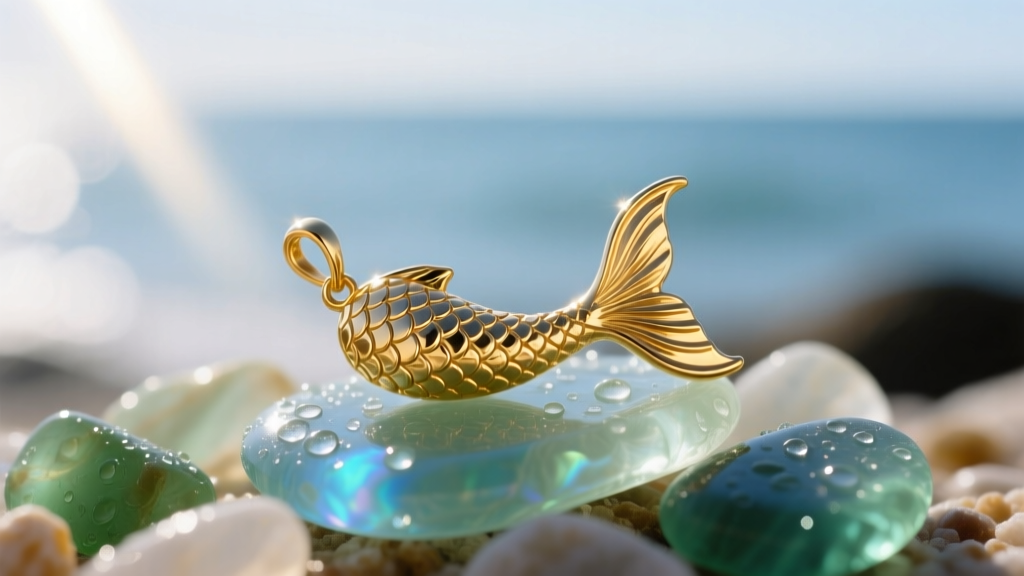
The mermaidcore aesthetic has firmly anchored itself in modern jewelry design, transforming oceanic motifs like scallop shells, undulating tails, and intricate scales into everyday staples. However, the romanticism of the sea often clashes with the harsh chemical realities of coastal environments. When shopping for a mermaid necklace gold piece, buyers are frequently blinded by the warm luster of the metal, overlooking how it will react to saltwater, chlorinated pools, and the acidic pH of human sweat. As we navigate the 2026 jewelry market, understanding the metallurgical properties behind your oceanic pendants is no longer optional—it is essential for protecting your investment.
Water is the ultimate stress test for any necklace. Salt acts as an electrolyte, accelerating galvanic corrosion in mixed-metal jewelry, while sunscreen lotions and tanning oils can degrade porous base metals and cloud gemstone accents. To ensure your mermaid jewelry survives beyond a single summer vacation, we must decode the specific gold materials used in these intricate castings.
Decoding 'Gold' in Mermaid Necklaces
The term 'gold' is heavily regulated, yet marketing language often obscures the actual composition of the metal. According to the Federal Trade Commission Jewelry Guides, specific thresholds must be met for a piece to carry certain gold designations. Here is how the primary gold categories perform in mermaid-themed jewelry.
Solid 14k & 18k Gold: The Heirloom Standard
Solid gold is an alloy, meaning pure 24k gold is mixed with harder metals like copper, silver, and zinc to increase durability. For a mermaid necklace, the Gemological Institute of America (GIA) notes that 14k gold (58.5% pure gold) is often superior to 18k gold (75% pure gold) for highly detailed pendants. The delicate fins of a mermaid tail or the thin ridges of a sand dollar require high tensile strength. 14k gold boasts a Vickers hardness (HV) of roughly 120-150, compared to the softer 90-110 HV of 18k gold. If you frequently wear your necklace at the beach, 14k solid gold will resist bending and scratching far better than its higher-karat counterparts, while remaining entirely impervious to saltwater corrosion.
Gold Vermeil vs. Standard Gold Plating
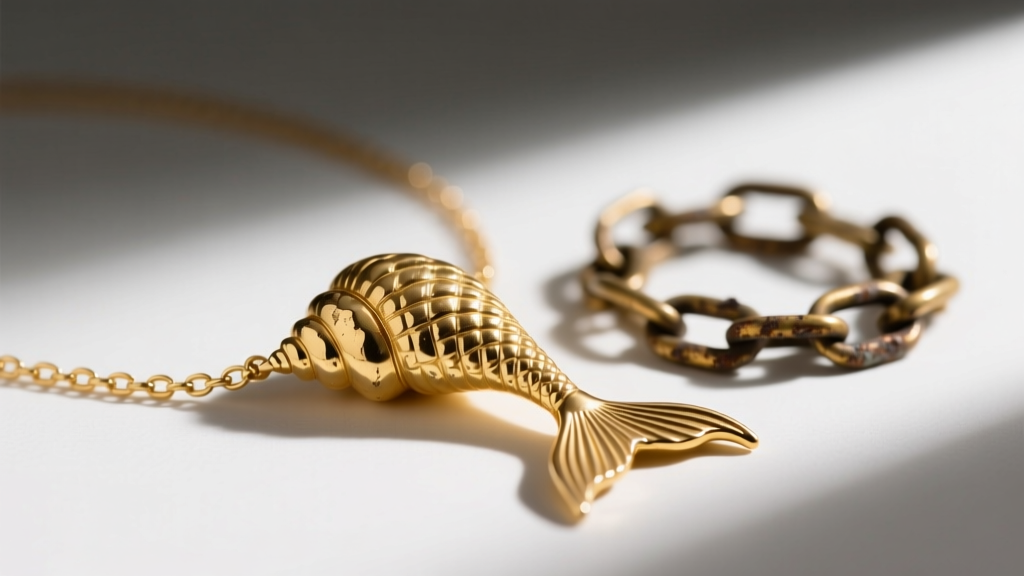
Gold vermeil (pronounced ver-may) is a premium alternative that requires a sterling silver base metal coated with a minimum of 2.5 microns of gold via electrolysis. This thickness is crucial. Standard gold-plated jewelry, often built on a brass or copper base, features a microscopic gold layer (usually under 0.5 microns). When a brass-based mermaid shell pendant is exposed to saltwater, the brass undergoes dezincification, leading to rapid tarnishing and the dreaded 'green skin' effect. Vermeil, utilizing a sterling silver core, prevents this specific reaction, though the silver can still oxidize if the gold layer wears thin on high-friction areas like the bail or the edges of the mermaid scales.
Gold-Filled: The Budget Survivor
Gold-filled material is created by mechanically bonding a thick sheet of 14k or 12k gold to a brass core using heat and pressure. By law, the gold must constitute at least 1/20th (5%) of the total weight. While gold-filled chains are incredibly durable and can survive years of ocean exposure, the material cannot be cast into complex 3D shapes. Therefore, you will rarely find a highly sculpted, 3D mermaid tail pendant in gold-filled metal; it is mostly limited to flat, stamped mermaid silhouettes or simple shell charms.
The Saltwater & Sweat Stress Test
To provide a clear decision-making framework, we have mapped the most common gold materials used in mermaid necklaces against their environmental resistance and typical market pricing. This data assumes standard exposure to beach environments (saltwater, sand abrasion, and sweat).
| Material Type | Base Metal | Gold Thickness | Saltwater Resistance | Avg. Pendant Price |
|---|---|---|---|---|
| Solid 14k Gold | None (Alloy) | N/A (Solid) | Excellent (No corrosion) | $180 - $450+ |
| Solid 18k Gold | None (Alloy) | N/A (Solid) | Excellent (Prone to scratching) | $250 - $600+ |
| Gold Vermeil | Sterling Silver | ≥ 2.5 Microns | Good (Requires rinsing) | $65 - $140 |
| Gold-Filled | Brass | ~15-25 Microns (Bonded) | Very Good (Flat charms only) | $40 - $90 |
| Standard Plated | Brass / Copper | < 0.5 Microns | Poor (Rapid degradation) | $15 - $45 |
Enamel, Pearls, and Resin: How Gold Bases Affect Accents
Mermaid necklaces rarely rely on plain gold alone; they are frequently adorned with vibrant scale detailing and oceanic gemstones. The base metal you choose directly impacts the longevity of these accents.
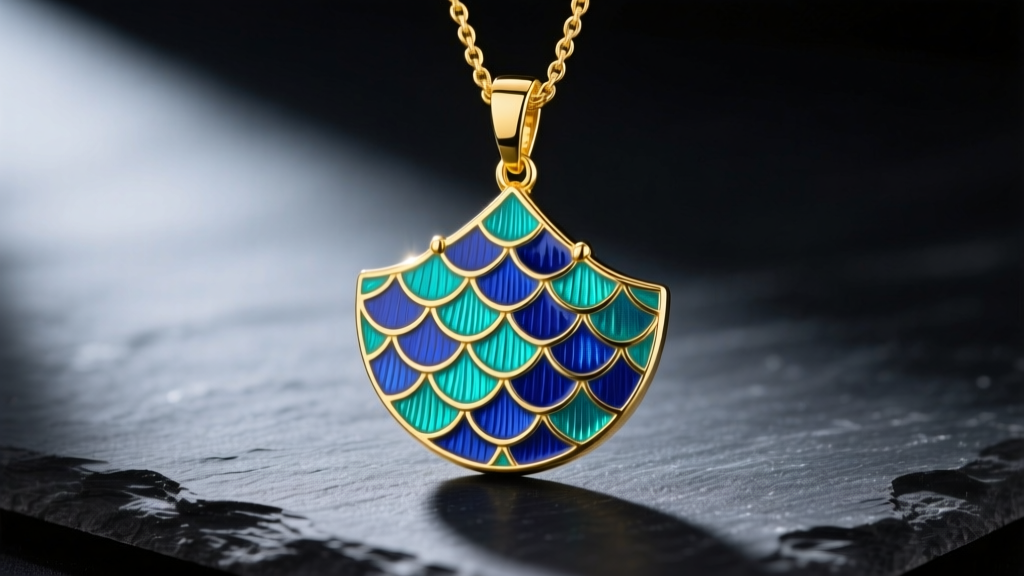
Guilloché and Cold Enamel: High-end mermaid scales are often finished with guilloché (kiln-fired glass enamel) or cold enamel (epoxy resin). Solid gold provides a stable, non-porous foundation for kiln-fired enamel, ensuring the vibrant teals and aquamarines never lift or bubble. Conversely, brass-based plated pendants expand and contract at different rates when exposed to hot sun and cold ocean water, which can cause rigid cold enamel to crack or pop out of the scale recesses over time.
Pearl Pegging: Many mermaid shell pendants feature a central freshwater or Akoya pearl. These are typically secured via a metal peg and jeweler's epoxy. In solid gold, the peg will last indefinitely. In plated brass, if moisture breaches the plating and corrodes the internal peg, the epoxy bond fails, and you will lose your pearl in the surf. Always inspect the pearl setting on vermeil or plated pieces before swimming.
Chain Styles for Mermaid Pendants: Strength vs. Aesthetics
The pendant is only half the equation; the chain must also survive the aquatic environment. Mermaid pendants, especially those cast in solid gold with intricate tails, can be surprisingly heavy due to the density of the metal.
- Cable Chains: The most common and affordable, but the thin, uniform oval links are prone to snapping if the mermaid pendant catches on a towel or seaweed. Minimum recommended thickness: 1.2mm.
- Wheat (Spiga) Chains: Featuring woven, directional links, wheat chains offer superior tensile strength and resist kinking. They mimic the fluid, overlapping texture of a mermaid's tail, making them both an aesthetic and structural match.
- Rope Chains: Highly durable and excellent at reflecting light, mimicking the sparkle of water. However, sand and salt crystals can easily become trapped in the twisted crevices, requiring meticulous cleaning.
Pro-Tip: Avoid spring-ring clasps for ocean wear. The tiny internal steel springs are highly susceptible to rust when exposed to saltwater, even if the exterior is solid gold. Always opt for a solid gold lobster clasp.
Care Protocols for Water-Exposed Gold
If you intend to wear your mermaid necklace in the water, establishing a strict post-swim care protocol is non-negotiable. Even solid 14k gold can accumulate a dulling film of salt, sebum, and sunscreen.
- The Distilled Rinse: Immediately after leaving the ocean or pool, rinse the necklace under lukewarm distilled water. Tap water contains chlorine and minerals that can leave hard water spots on the gold and cloud any enamel accents.
- Microfiber Drying: Do not air dry, as this leaves salt rings. Gently pat the piece dry with a clean, lint-free microfiber cloth, ensuring you dab inside the crevices of the mermaid scales and the bail.
- Ultrasonic Warnings: Never place a mermaid necklace with pearl accents, glued components, or cold enamel into an ultrasonic cleaner. The high-frequency vibrations will shatter the pearl's nacre and dislodge the resin. Stick to a soft baby toothbrush and a drop of mild, phosphate-free dish soap for deep cleaning.
By aligning your material choice with your lifestyle, your mermaid necklace will retain its oceanic magic, shining brilliantly whether you are diving into the surf or navigating the city streets.


