The Polished Stone Necklace Trend: 2026 Style Guide
Discover the 2026 polished stone necklace trend. Explore styling tips, material grades, and how to layer raw and tumbled gems for modern necklines.

The Resurgence of Earth-Bound Elegance
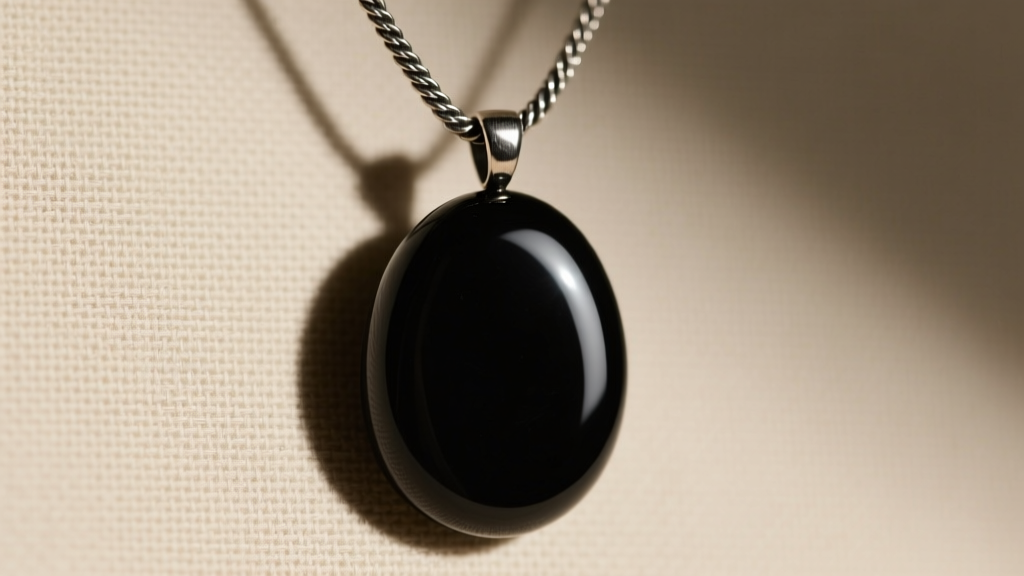
In the landscape of 2026 jewelry trends, the hyper-faceted, high-sparkle dominance of previous years has given way to a more tactile, grounded aesthetic. At the forefront of this shift is the polished stone necklace. Moving away from the sterile perfection of machine-cut diamonds and sapphires, modern collectors and stylists are gravitating toward the organic depth of semi-precious gems. Whether it is a high-gloss cabochon or a vibratory-tumbled pebble, the polished stone necklace offers a unique intersection of raw natural history and refined wearability. This guide breaks down the metallurgy, material grades, and structural considerations you need to navigate this trend with genuine expertise.
Material Grades: Tumbled vs. High-Polish Cabochon
Not all polished stones are created equal. The finish of the stone dictates not only its visual weight but also its durability and price point. Understanding the manufacturing process is critical for evaluating quality.
Vibratory Tumbled Stones
Tumbled stones are finished in rotary or vibratory barrels using progressive abrasive grits. The process begins with coarse 60/90 silicon carbide to shape the stone, moves through 120/220 and 600 grits for smoothing, and finishes with 14,000-grit aluminum oxide or cerium oxide for the final polish. The result is a smooth, organic shape with slightly undulating surfaces that catch the light in a soft, diffused manner. These are highly popular for bohemian and minimalist layering stacks.
Machine-Cut Cabochons
A cabochon is cut from a slab of rough stone, domed on a grinding wheel, and polished on a canvas or felt lap. Unlike tumbled stones, cabochons have a perfectly symmetrical, mathematically curved dome with a flat or slightly convex base. This high-gloss finish maximizes optical phenomena like the adularescence in moonstone or the chatoyancy in tiger's eye. According to the Gemological Institute of America (GIA), a well-executed cabochon cut requires precise knowledge of the stone's crystal structure to ensure the polish does not undercut softer mineral layers.
Durability and Polish Retention Framework
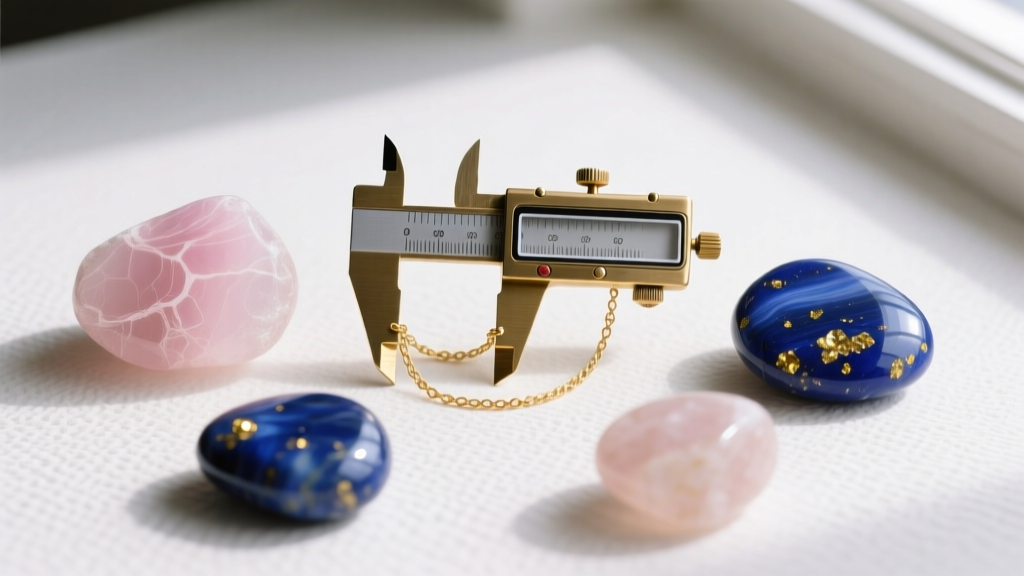
The longevity of a polished stone necklace depends heavily on the Mohs hardness scale. A high polish on a soft stone will degrade quickly with daily friction, turning glossy surfaces matte over a matter of months.
| Stone Type | Mohs Hardness | Polish Longevity | Best Setting Style | Avg. Price Range (2026) |
|---|---|---|---|---|
| Black Onyx | 7.0 | Excellent (Decades) | Bezel or Prong | $85 - $250 |
| Rose Quartz | 7.0 | Very Good | Tumbled Wire-Wrap | $45 - $120 |
| Labradorite | 6.0 - 6.5 | Good (Avoid abrasion) | Bezel Cup | $110 - $300 |
| Malachite | 3.5 - 4.0 | Poor (Scratches easily) | Protected Bezel | $150 - $400 |
| Lapis Lazuli | 5.0 - 6.0 | Moderate | Bezel with backing | $90 - $280 |
Sizing, Gauges, and Hardware Pairings
A common failure point in semi-precious jewelry is the mismatch between the stone's weight and the chain's tensile strength. A 25mm polished jasper pendant can easily weigh 15 to 20 grams. Suspending this from a delicate 0.8mm thread chain will inevitably lead to chain stretch or clasp failure.
Chain Gauge Recommendations
- Lightweight Stones (Under 5g): 1.0mm to 1.2mm box chains or delicate satellite chains. Ideal for 10mm-15mm tumbled quartz.
- Medium Stones (5g - 15g): 1.5mm rope chains or 1.8mm paperclip chains. The interlocking links of a rope chain distribute the pendulum swing stress evenly across the joints.
- Heavy Statement Stones (15g+): 2.5mm to 3.5mm Cuban or thick box chains. These require a heavy-duty lobster clasp or a mechanical toggle clasp to prevent accidental unhooking.
Hardware and Bail Metallurgy
In 2026, oxidized sterling silver and matte-finished 14k yellow gold are the dominant metal pairings for polished stones. However, the bail (the loop connecting the stone to the chain) is a critical structural element. Avoid glue-on bails entirely; the cyanoacrylate or epoxy adhesives degrade with exposure to skin oils and temperature fluctuations, leading to sudden stone loss. Opt for mechanically wrapped bails, soldered jump rings, or integrated bezel cups where the metal is physically burnished over the stone's edge.
Styling Framework: Necklines and Layering
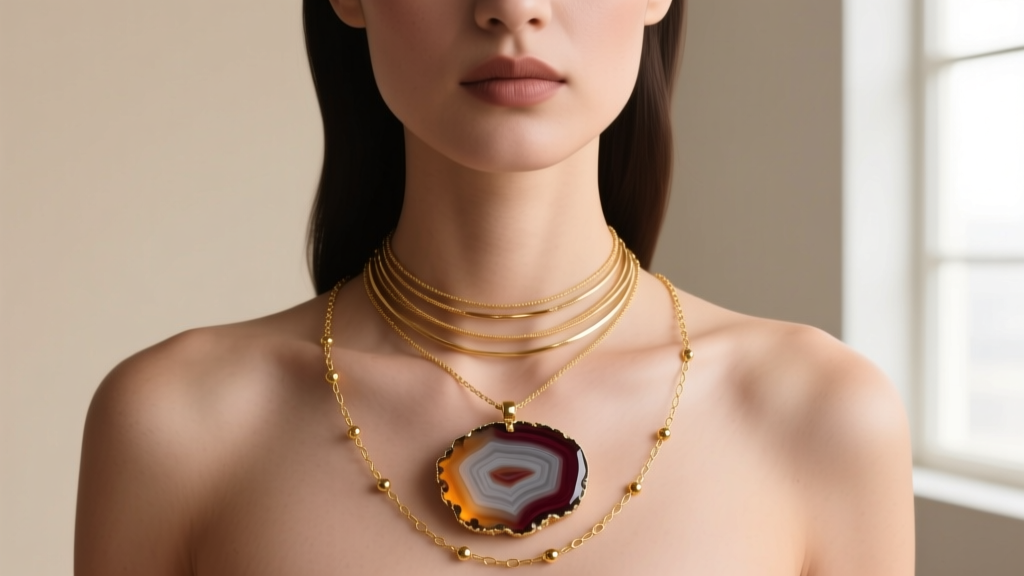
The polished stone necklace is inherently versatile, but its visual impact changes drastically based on the surrounding garments and companion jewelry. The current styling paradigm relies on the "Rule of Thirds" for layering, balancing visual weight across the decolletage.
"The modern polished stone necklace isn't meant to be worn in isolation. It acts as the organic anchor in a stack of metallic chains, providing a necessary textural contrast that grounds the overall look." — Forbes Jewelry & Watches Trend Report, 2026.
Layering Formulas
For a crew neckline or high-collared blouse, utilize a tight layering stack: a 14-inch oxidized silver choker, a 16-inch 1.5mm rope chain holding a 12mm tumbled lapis lazuli pendant, and an 18-inch heavy paperclip chain with no pendant. This creates a cascading effect that draws the eye downward without overwhelming the collarbone.
For deep V-necks or open silk blouses, opt for a singular, longer drop. A 24-inch or 28-inch chain terminating in a large, 40mm polished agate slice or teardrop cabochon acts as a striking focal point. The elongated chain mimics the geometry of the neckline, creating a cohesive, streamlined silhouette.
Authenticity Checks and Failure Modes
As the demand for polished stone necklaces has surged, so has the market for treated and simulated stones. Dyed agates (often sold as "black onyx") and glass-filled lapis lazuli are rampant in lower-tier markets.
Spotting Treatments
To identify dyed stones, examine the drill holes or the recessed crevices of a tumbled stone under a 10x jeweler's loupe. If you see concentrated, spider-web-like color banding or dark pooling in the micro-fractures, the stone has likely been chemically dyed. True black onyx is naturally gray chalcedony that has been treated with heat and carbon, which is an accepted industry practice, but brightly colored "onyx" (like deep reds or purples) is almost always surface-dyed quartz.
Common Failure Modes
- Wire-Wrap Abrasion: If a wire-wrapped bail is applied directly to a soft stone like malachite or turquoise without a protective rubber or leather lining, the friction of daily wear will literally carve a groove into the stone over time, eventually causing the wire to slice through the gem.
- Thermal Shock Cracking: Stones with high water content, such as opals or certain varieties of turquoise, can develop internal fractures if exposed to sudden temperature changes. Never wear these specific polished stones in the sauna or while taking hot showers immediately after being out in freezing weather.
- Ultrasonic Degradation: Never clean a polished stone necklace in an ultrasonic cleaner. The high-frequency vibrations can shatter stones with internal inclusions (like emerald or heavily included quartz) and will strip the polish right off softer stones like lapis lazuli. Stick to a soft microfiber cloth and mild, pH-neutral soap.
Final Verdict
The polished stone necklace is not a fleeting seasonal fad; it represents a permanent shift toward mindful, tactile luxury in the 2026 jewelry market. By prioritizing structural integrity—matching the correct chain gauge to the stone's weight, selecting appropriate Mohs-hardness levels for your lifestyle, and demanding mechanically sound bails—you can invest in pieces that will outlast the trend cycle. Whether you choose the diffused, organic glow of a tumbled rose quartz or the mirror-like depth of a labradorite cabochon, these earth-bound pendants offer a deeply personal connection to the natural world, refined for modern elegance.


