Cushion Cut Diamond Necklace: 2026 Value & Budget Guide
Discover how to budget for a cushion cut diamond necklace in 2026. Compare natural vs. lab-grown prices, clarity grades, and setting values.

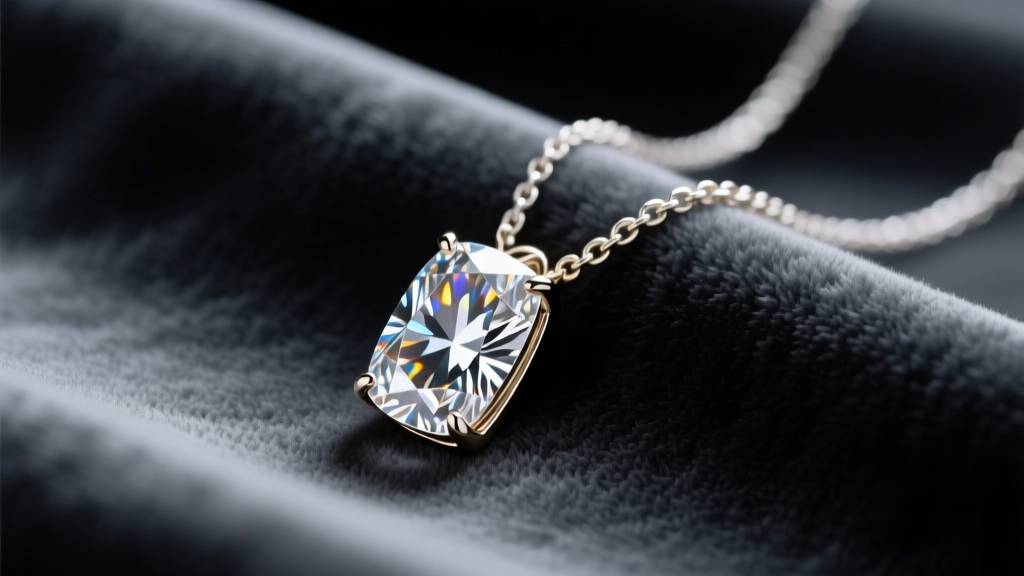
The cushion cut diamond necklace remains a cornerstone of fine jewelry, blending the romantic, soft-cornered silhouette of the antique mine cut with the fiery brilliance of modern faceting. However, navigating the pricing landscape in 2026 requires a highly strategic approach. Whether you are allocating $1,500 or $15,000, understanding where value hides—and where retail markups inflate—will dictate the ultimate caliber of your pendant. This guide breaks down the exact metrics, material grades, and market realities you need to maximize your investment.
The Anatomy of Cushion Cut Value
Not all cushions are priced equally, and the certificate alone does not tell the whole story. The market divides them into two primary faceting styles: standard 'chunky' cushions and modified 'crushed ice' cushions. Standard brilliant cushions feature wider facets that produce bold, blocky flashes of light. Because they require higher clarity and color grades to hide inclusions and tints, they command a 15% to 25% premium per carat. Modified cushions, characterized by a shattered-glass scintillation pattern, scatter light in a way that brilliantly masks SI1 or SI2 inclusions and near-colorless (J-K) tints, making them a budget buyer's best friend.
Proportions and the Length-to-Width Ratio
The length-to-width (L/W) ratio heavily influences both aesthetics and budget. A perfectly square cushion (1.00–1.05 ratio) is classic but yields less from the rough diamond crystal, making it slightly more expensive per carat. Elongated cushions (1.10–1.20 ratio) have surged in popularity; they face up larger on the neckline, offering greater perceived size for your budget. However, elongated stones are prone to the 'bow-tie effect'—a dark shadow across the center. Avoiding a severe bow-tie requires meticulous vetting of 360-degree video, not just relying on the grading report.
Natural vs. Lab-Grown: The 2026 Price Reality
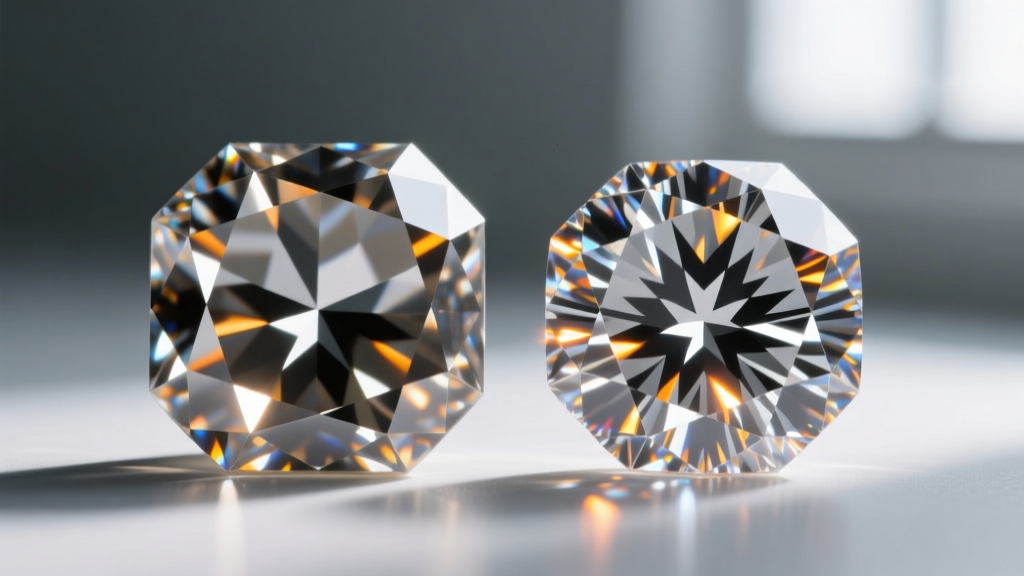
The price gap between earth-mined and lab-created diamonds has widened significantly over the last few years. According to the Federal Trade Commission's Jewelry Guides, lab-grown diamonds must be clearly disclosed, ensuring market transparency. For a cushion cut diamond necklace, opting for a lab-grown center stone allows you to triple the carat weight or upgrade the chain metal without exceeding your budget.
| Carat Weight | Natural (VS1/G) Avg. Price | Lab-Grown (VS1/G) Avg. Price | Budget Savings |
|---|---|---|---|
| 1.00 ct | $4,800 - $6,200 | $650 - $950 | ~85% |
| 1.50 ct | $9,500 - $13,000 | $1,100 - $1,600 | ~87% |
| 2.00 ct | $18,000 - $24,000 | $1,800 - $2,500 | ~89% |
Where to Compromise: Color and Clarity Grading
When building a cushion cut diamond necklace on a strict budget, knowing which of the 4Cs to downgrade without sacrificing visual beauty is essential.
The 'H' Color Sweet Spot
For white gold or platinum necklace settings, D-F (colorless) grades are often an unnecessary expense for cushion cuts. The faceting pattern of a cushion retains color slightly more than a round brilliant, but an H-grade (near-colorless) diamond faces up remarkably white to the naked eye, especially when set against the reflective backdrop of a diamond halo or bright lighting. Dropping from a G to an H color can save 12% to 18% on the center stone, freeing up capital for a heavier chain.
VS2 vs. SI1: Eye-Cleanliness in Cushions
The Gemological Institute of America (GIA) grades clarity based on 10x magnification, but your necklace will be viewed from 12 to 18 inches away. In a modified 'crushed ice' cushion, an SI1 clarity grade is almost universally eye-clean because the fractured light return obscures carbon spots and feathers. In a chunky cushion, stick to VS2 to ensure the larger, mirror-like facets do not act as windows to internal flaws.
Chain and Setting Investments
A common budgeting error is allocating 95% of the budget to the diamond and neglecting the hardware. The setting secures your investment, and the chain dictates the drape and longevity of the piece.
Setting Architecture and Corner Protection
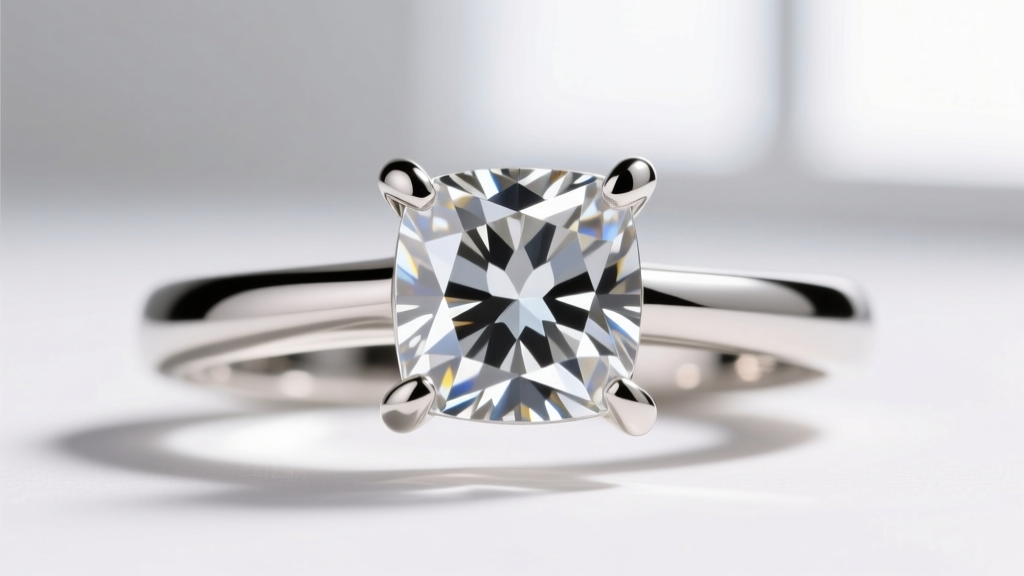
Cushion cuts have four distinct, vulnerable corners. A standard four-prong setting leaves these corners exposed to chipping if struck against a hard surface. A V-prong setting or a partial bezel adds approximately $150 to $300 to the setting cost but provides essential structural integrity.
Chain Gauge and Clasp Mechanics
For pendants weighing over 2.5 carats (including halo diamonds), a delicate 0.9mm chain is a severe liability. Upgrade to a 1.2mm or 1.5mm cable or rope chain in 14k or 18k gold. A 1.5mm 14k white gold cable chain typically costs between $220 and $350, offering the tensile strength needed to support a heavy cushion pendant. Furthermore, insist on a lobster clasp rather than a spring-ring clasp; the internal spring mechanism in cheap clasps fails frequently, risking the loss of the pendant.
Actionable Buying Framework
Use this step-by-step checklist when evaluating a cushion cut diamond necklace to ensure you are getting genuine value:
- Verify the Facet Style: Determine if you want 'chunky' (requires higher clarity/color budget) or 'crushed ice' (allows for SI1/J color budget).
- Check the L/W Ratio: Aim for 1.00-1.05 for a classic square, or 1.15-1.20 for an elongated, larger-facing look.
- Inspect for Bow-Tie: Request 360-degree video to ensure the center of an elongated cushion does not feature a dead, dark zone.
- Evaluate Corner Protection: Ensure the setting features V-prongs or a bezel rim over the four corners of the stone.
- Assess Chain Thickness: Reject any chain under 1.1mm for pendants exceeding 1.50 carats total weight.
Expert Insight on Fluorescence: In 2026, diamonds with 'Medium' to 'Strong' blue fluorescence are still priced at a 5% to 10% discount compared to non-fluorescent stones. For a cushion cut in the I-J color range, blue fluorescence can actually make the stone appear whiter in natural sunlight, turning a traditional 'flaw' into a budget-savvy advantage.
Ultimately, the perfect cushion cut diamond necklace is not about buying the highest grades on a certificate; it is about understanding how light interacts with the stone's unique geometry and allocating your funds toward the visual impact and structural security of the piece.


