Metal Cross Necklace Trends 2026: Style & Fit Guide
Discover 2026 metal cross necklace trends, from brutalist textures to technical gauge specs. Learn how to layer, size, and style this iconic pendant.

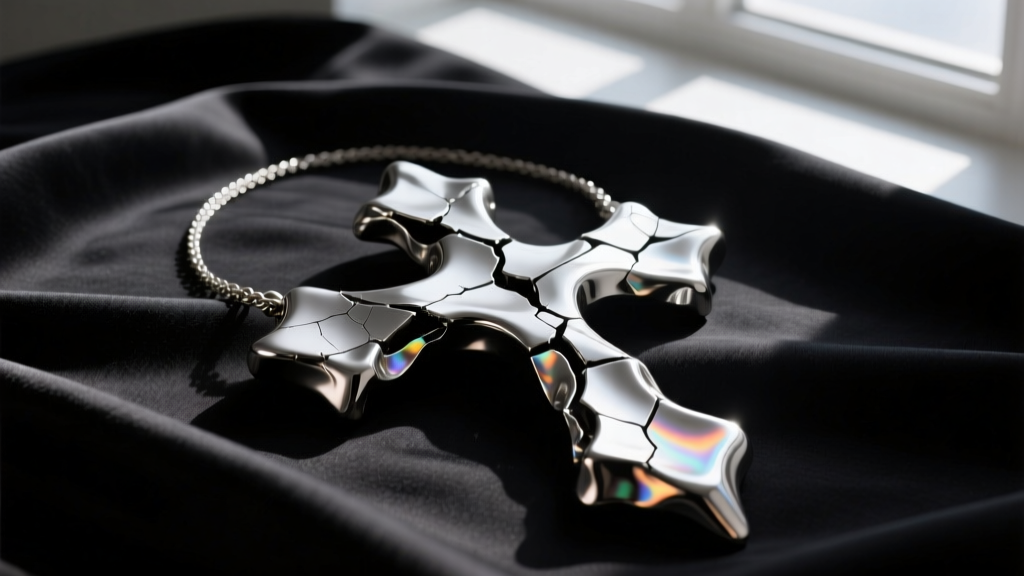
The metal cross necklace is experiencing a massive renaissance in 2026. No longer confined to traditional religious expressions or early-2000s pop-punk nostalgia, this iconic silhouette has been reclaimed by contemporary jewelry designers as a masterclass in structural minimalism and brutalist art. Whether you are exploring high-end luxury houses or independent artisan metallurgists, the modern metal cross necklace offers a versatile anchor for both layered stacks and standalone statement pieces. But as the market floods with varying qualities, understanding the technical nuances of chain gauges, alloy compositions, and proportional styling is essential for making an informed investment. This comprehensive guide breaks down the 2026 trends, material science, and styling frameworks you need to master this timeless motif.
The 2026 Aesthetic Shift: Brutalism and Elongation
In 2026, the jewelry industry has pivoted sharply away from the hyper-polished, micro-pave crosses that dominated the previous decade. According to trend forecasts from Vogue's Jewelry Trend Hub, the current zeitgeist favors 'brutalist' metalwork. This means a metal cross necklace now frequently features molten textures, asymmetric arms, and raw, unpolished edges that mimic oxidized iron or melted silver.
Furthermore, the proportions have shifted. The standard Latin cross is being replaced by elongated Gothic crosses and ultra-minimalist intersecting lines. These elongated metal cross necklaces sit heavily on the sternum, acting as a vertical line that visually lengthens the torso. Designers are also experimenting with negative space, creating 'outline' crosses that offer the visual weight of a solid piece without the actual heaviness, making them ideal for delicate 1.5mm chains.
Metallurgy and Material Grades
When investing in a metal cross necklace, the base material dictates not only the price but the longevity, weight, and skin compatibility of the piece. The market is currently segmented into three primary alloys, each with distinct metallurgical properties.
First, 316L Surgical Stainless Steel has become the undisputed king of mid-tier streetwear jewelry. It contains low carbon and added molybdenum, which drastically improves its resistance to pitting and corrosion from sweat and environmental moisture. It is heavy, hypoallergenic, and retains a permanent, cool-toned polish.
Second, 925 Sterling Silver remains the traditional luxury standard. However, pure silver is too soft for daily wear, hence the 7.5% copper alloy. As noted by the GIA's Guide on Silver Tarnish and Alloys, this copper content makes sterling silver prone to oxidation. In 2026, high-end silversmiths are flash-plating their metal cross necklaces with rhodium to create a tarnish-resistant barrier that mimics the look of white gold.
Finally, Grade 5 Titanium (Ti-6Al-4V) is emerging in avant-garde circles. It is exceptionally lightweight and boasts a high strength-to-weight ratio, allowing designers to create massive, oversized metal cross pendants that do not strain the cervical spine or stretch the chain.
| Material Grade | Density & Weight | Tarnish Resistance | Ideal Chain Gauge | 2026 Price Range |
|---|---|---|---|---|
| 316L Stainless Steel | Heavy, substantial drape | Excellent (No plating needed) | 3.0mm - 5.0mm Cuban | $40 - $120 |
| 925 Sterling Silver | Medium, traditional feel | Poor (Requires Rhodium flash) | 1.5mm - 3.0mm Box/Cable | $150 - $450 |
| Grade 5 Titanium | Ultra-lightweight | Excellent (Forms oxide layer) | 2.0mm - 4.0mm Rope | $200 - $600 |
Chain Gauges, Bails, and Structural Integrity
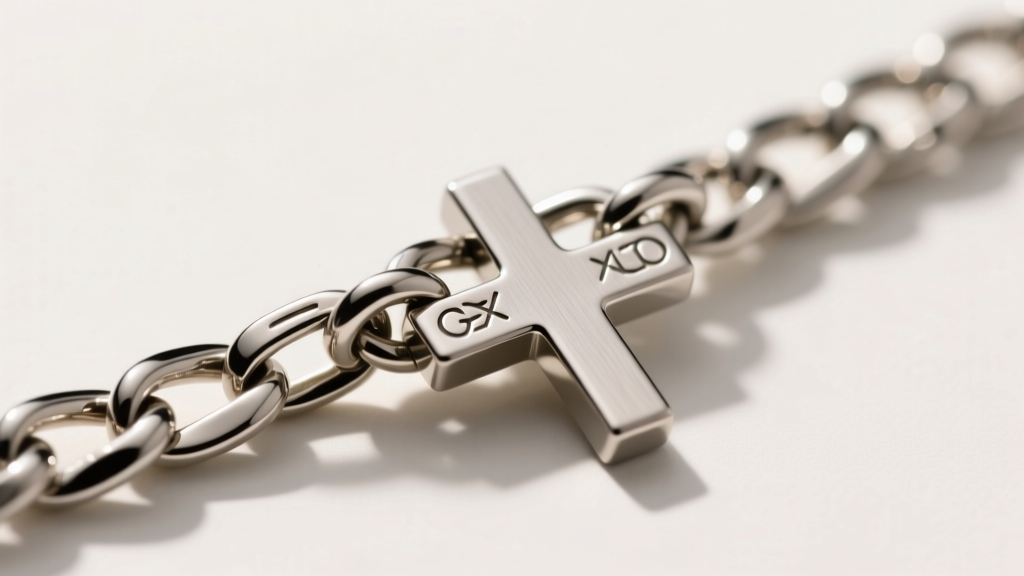
A common failure point in any pendant necklace is the connection between the chain and the bail. The bail is the loop at the top of the cross. In 2026, heavy Cuban and Figaro chains are the preferred pairing for a metal cross necklace, but this requires precise gauge matching.
If you are wearing a 4.0mm Cuban link chain, a standard stamped sheet-metal bail will warp and snap under the dynamic tension of daily movement. You must seek out a 'hidden bail' or a machined tube bail with an inner diameter of at least 5.5mm. The thickness of the metal at the bail's apex should be no less than 2.0mm to prevent friction wear from the steel or silver links. Always verify the bail dimensions before purchasing a standalone pendant to ensure it accommodates your preferred chain gauge.
Proportions and Neckline Pairing
The versatility of the metal cross necklace lies in its ability to adapt to various garment necklines, provided the drop length is calibrated correctly.
- The Crew Neck: Opt for an 18-inch to 20-inch chain. The metal cross should rest precisely at the lower edge of the collarbone, breaking up the solid block of fabric. A wider, shorter cross works best here to avoid looking like a pendulum.
- The V-Neck and Deep Plunge: This is where the elongated 2026 metal cross necklace excels. A 22-inch to 24-inch chain allows a narrow, Gothic-style cross to follow the geometric lines of the V-neck, drawing the eye downward and creating a slimming effect.
- The Turtleneck: Layering over heavy knits requires visual weight. A thick, brutalist metal cross on a 24-inch rope chain provides the necessary contrast against the textured wool or cashmere.
The 2026 Layering Framework
Layering a metal cross necklace requires an understanding of spatial distribution to prevent tangling and visual clutter. The industry standard for a three-piece stack is the '2-4-6 Rule,' which dictates the spacing between chain lengths.
- The Anchor (16 inches): A simple 2.0mm box chain or a woven choker that sits tightly against the base of the throat.
- The Focal Point (20 inches): Your primary metal cross necklace. By dropping it to 20 inches rather than the standard 18, you ensure the cross rests in the negative space between the collarbone and the sternum, completely clear of the choker.
- The Terminator (26 inches): A lightweight, long rope chain or a simple bead strand that frames the outer edge of the stack.
To prevent the chains from twisting together, use mixed chain styles. Pairing a Figaro chain for the cross with a smooth snake chain for the anchor reduces friction and keeps the stack lying flat against the chest.

Market Pricing and Investment Tiers
According to recent market analyses featured in the Forbes Jewelry Market Analysis, the pricing for a metal cross necklace is heavily stratified based on material provenance and brand heritage.
- Entry-Level ($30 - $80): Dominated by 316L stainless steel and PVD (Physical Vapor Deposition) gold-plated brass. Brands in this tier offer excellent durability for the price, though the gold plating will eventually wear off on high-friction areas like the bail.
- Mid-Tier Artisan ($120 - $350): This tier features solid 925 sterling silver with oxidized detailing and rhodium plating. You are paying for original, independent CAD designs and hand-finished brutalist textures that mass-market brands cannot replicate.
- Luxury & Heritage ($800 - $3,500+): Here, the metal cross necklace is crafted from 14k or 18k solid gold, often incorporating hidden diamond accents or intricate enamel work. Brands like Tom Wood and Jacquie Aiche dominate this space, offering pieces that retain intrinsic melt value and serve as generational heirlooms.
Final Verdict on the Metal Cross Revival
The metal cross necklace in 2026 is a triumph of form and function. By moving away from delicate, mass-produced templates and embracing heavy gauges, brutalist textures, and precise metallurgical standards, this piece has cemented its place as a cornerstone of modern jewelry styling. Whether you choose the hypoallergenic reliability of titanium or the timeless luster of rhodium-plated silver, understanding the technical specifications of your piece ensures that your necklace will endure both the shifting tides of fashion and the physical rigors of daily wear.


