Buddha Beads Necklace Value Guide: What to Pay in 2026
Discover the true value of a buddha beads necklace in 2026. We break down pricing tiers, material grades, and how to spot overpriced fakes.

The True Cost of Mindfulness: Navigating the 2026 Market
The global surge in mindfulness practices and spiritual aesthetics has transformed the buddha beads necklace from a niche meditational tool into a mainstream jewelry staple. However, this booming demand has created a highly fractured market. In 2026, consumers are faced with a dizzying array of price points, ranging from $12 fast-fashion imports to $2,000 collector-grade botanical specimens. When evaluating a buddha beads necklace, understanding the botanical origins, material grades, and hardware quality is the only way to separate genuine value from overpriced costumes. This comprehensive value assessment will equip you with the exact metrics needed to budget wisely and authenticate your purchase.
The Material Hierarchy: Botanical Reality vs. Market Hype
The term 'buddha beads' is an umbrella phrase that typically encompasses three distinct organic materials: Rudraksha seeds, Sandalwood, and Bodhi seeds. Each material has a unique pricing structure dictated by scarcity, botanical taxonomy, and international trade regulations. According to the Food and Agriculture Organization (FAO), the harvesting of non-wood forest products like these seeds and woods is heavily impacted by climate shifts and export restrictions, directly influencing 2026 retail prices.
Rudraksha Seeds: Mukhi Counts and Geographic Origin
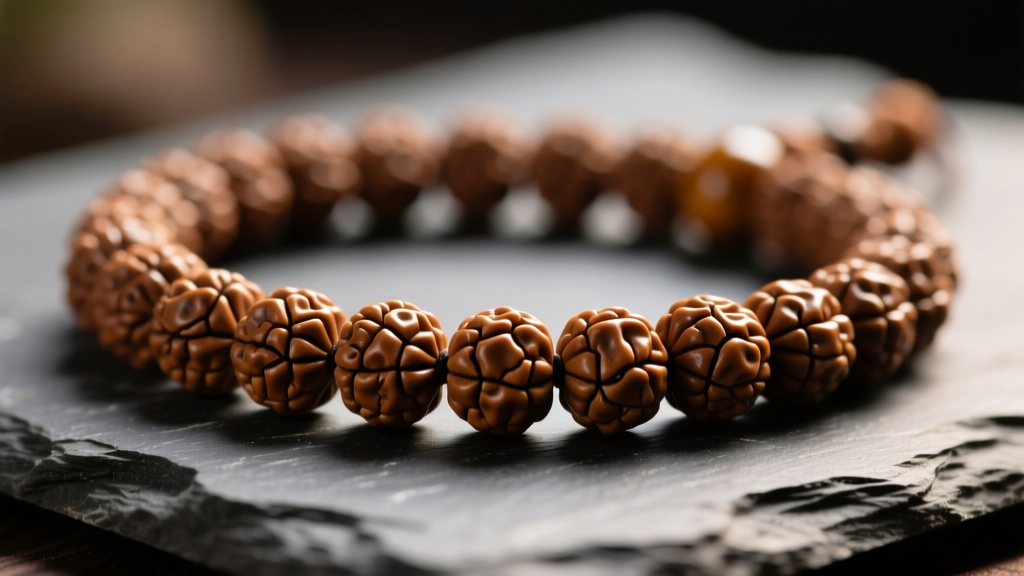
Rudraksha (Elaeocarpus ganitrus) is the most complex category. The value of a Rudraksha mala is determined by the 'mukhi' (the natural clefts or faces on the seed) and its geographic origin. Nepali Rudraksha beads are generally larger (12mm to 20mm), feature deep, pronounced clefts, and command a premium price. Indonesian beads are smaller (4mm to 12mm), smoother, and significantly more affordable.
- 5-Mukhi (Standard): Representing Kalaagni Rudra, this is the most common bead. A high-quality 108-bead Nepali mala should cost between $60 and $120. Indonesian variants should be under $40.
- Rare Mukhi (1, 2, or 14+): These are collector-grade. A genuine 1-mukhi Nepali bead is exceptionally rare and can cost upwards of $1,500 for a single bead, let alone a full necklace. If you see a full 108-bead mala of 1-mukhi seeds for under $500, it is almost certainly a glued or carved fake.
Sandalwood: The CITES Factor and Species Grading
Authentic Indian Sandalwood (Santalum album) is heavily regulated under CITES due to overharvesting. The Royal Botanic Gardens, Kew notes that true Mysore sandalwood possesses a high concentration of santalol, giving it a rich, creamy, and enduring aroma. Because of export bans on raw heartwood, genuine Santalum album malas are scarce and expensive, typically starting at $150 and reaching $400 for premium, government-auctioned beads. Conversely, Australian Sandalwood (Santalum spicatum) is widely available, sustainable, and offers a drier, woodier scent. A high-quality Australian sandalwood necklace should cost between $45 and $85.
Bodhi Seed and Moon-and-Star (Xingyue)
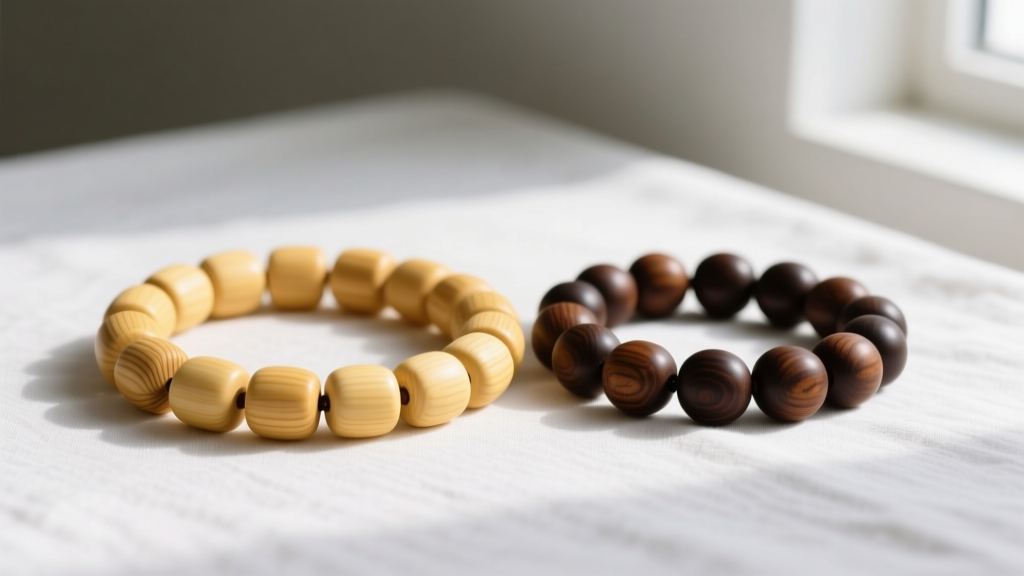
Bodhi seeds and Xingyue (Moon and Star) beads are the most budget-friendly options. Their value is dictated by density and color uniformity. High-density beads that sink in water and possess a uniform pale yellow or ivory hue without artificial bleaching represent the best value, typically priced between $25 and $60 for a full 108-bead strand.
2026 Pricing Tiers and Value Matrix
To help you benchmark your budget, we have compiled a data matrix reflecting current 2026 market rates for authentic 108-bead malas (standard 6mm-8mm bead size). Use this table to instantly identify red flags when shopping online or in boutique stores.
| Material Type | Budget Tier (Fakes/Low Grade) | Authentic Value Tier | Investment / Collector Tier |
|---|---|---|---|
| Rudraksha (5-Mukhi) | Under $25 (Dyed wood/plastic) | $60 - $120 (Nepali) | $150+ (Certified X-Ray) |
| Indian Sandalwood | Under $30 (Scented Cedar) | $150 - $250 | $300 - $500 (Gov. Certified) |
| Australian Sandalwood | Under $20 (Synthetic oil) | $45 - $85 | $100+ (Master Carved) |
| Bodhi / Xingyue Seed | Under $15 (Bleached/Moldy) | $25 - $60 (High Density) | $80+ (Aged/Patina) |
| Agarwood (Oud) | Under $50 (Pressure-injected) | $200 - $600 | $1,000+ (Wild Kyara) |
Expert Insight: The 'Fake Bead Tax' is real. Consumers who buy a $20 'sandalwood' necklace will likely experience skin irritation from synthetic dyes and aromatic chemicals, ultimately wasting their money and forcing a repurchase. Investing in the 'Authentic Value Tier' guarantees natural, skin-safe materials that appreciate in aesthetic value as they develop a natural patina.
The 'Fake Bead' Tax: Authenticity Testing Protocols
The most critical aspect of budget assessment is avoiding counterfeit materials. The market is flooded with dyed pine, pressure-injected woods, and carved cashew nuts masquerading as premium botanicals. Here are the non-destructive and semi-destructive tests you can perform or request from a reputable vendor.
The Rudraksha Water and Boil Test
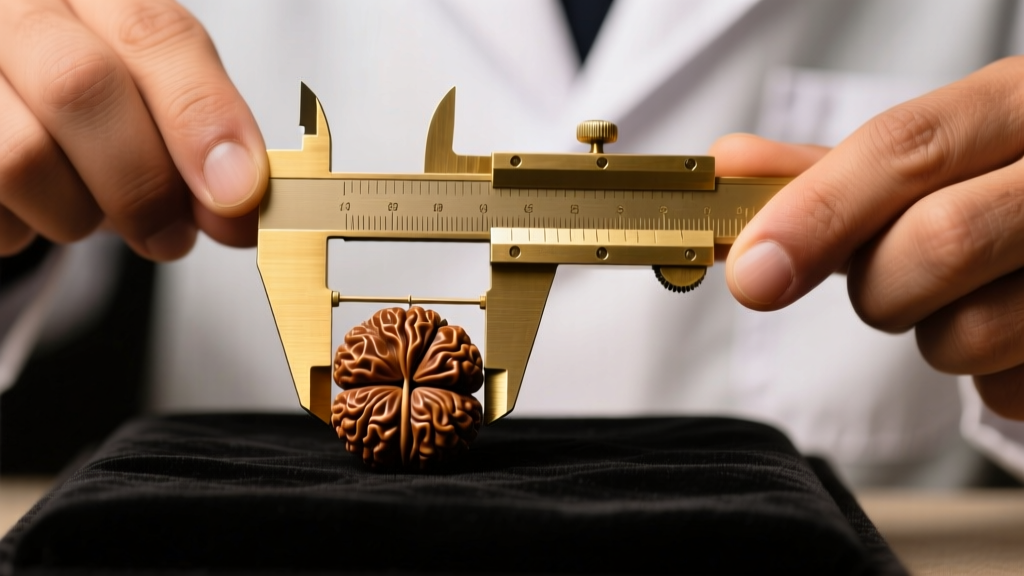
A genuine Rudraksha seed is dense and will sink in a glass of water within a few minutes. However, some unscrupulous sellers glue two smaller beads together to simulate a rare multi-mukhi bead. To test for glue, submerge the bead in boiling water for 10 minutes. If the bead splits or the clefts begin to peel, it is a manufactured fake. Furthermore, the Gemological Institute of America (GIA) emphasizes that organic gems and seeds should always be evaluated for structural integrity, as X-ray imaging is the only 100% foolproof method to verify the internal seed chambers of high-value Rudraksha.
The Sandalwood Scratch and Scent Test
Authentic sandalwood derives its scent from internal oils, not surface coatings. Take a fine-grit sandpaper or a needle and gently scratch an inconspicuous area of a bead. Genuine Santalum album will reveal a pale, oily interior that smells creamy, sweet, and complex. If the interior is dry, white, and lacks scent—or if the surface scent is aggressively sharp and camphor-like—you are holding cedarwood soaked in synthetic fragrance oils.
Hardware and Stringing: The Hidden Cost Factor
When assessing the total value of a buddha beads necklace, buyers often fixate entirely on the beads and ignore the structural components. The stringing material and the 'Guru' bead (the 109th bead that anchors the tassel) drastically affect both the longevity and the price of the piece.
- Elastic Cord: Common in budget malas under $30. Elastic degrades rapidly when exposed to skin oils, sweat, and the natural oils of sandalwood. Expect to restring elastic malas every 12 to 18 months.
- Silk Thread and Micro-Macrame: The standard for authentic value-tier necklaces. High-tensile nylon or pure silk knotted between each bead (or woven in a continuous macrame pattern) ensures the necklace can last decades. This craftsmanship adds $15 to $40 to the base price but is entirely justified.
- The Guru Bead and Tassel: In premium malas, the Guru bead is made of the same high-grade material as the rest of the necklace, or features a complementary gemstone like turquoise or lapis lazuli. Budget malas often use a cheap plastic or resin Guru bead with a glued-on synthetic tassel that frays within weeks.
Final Verdict: Where to Allocate Your Budget
If your budget is strictly under $40, bypass sandalwood and rare Rudraksha entirely; you will only encounter fakes. Instead, allocate your funds toward a high-density, authentic Bodhi seed or Xingyue mala, which offers genuine botanical value and excellent durability at that price point. For budgets between $75 and $150, you can comfortably acquire a genuine 5-mukhi Nepali Rudraksha necklace or a sustainably sourced Australian Sandalwood mala strung on professional-grade macrame. Remember that a true buddha beads necklace is an organic artifact. It requires proper care, occasional oiling, and an understanding of its natural imperfections. By prioritizing botanical authenticity and structural hardware over mass-produced perfection, you ensure your investment holds both spiritual and material value for years to come.


