Choosing the Best Metal for Your Diamond's Necklace Setting
Compare platinum, 18k gold, and palladium for your diamond's necklace setting. Expert insights on durability, pricing, and prong failure modes.

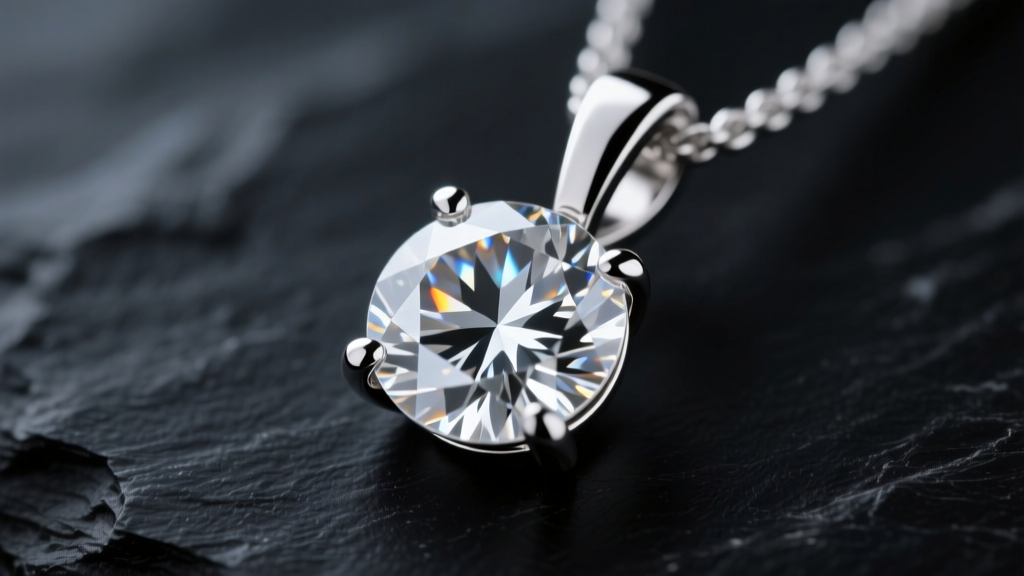
The Architecture of a Diamond's Necklace Setting
When investing in fine jewelry, the focus is overwhelmingly placed on the center stone's carat weight, cut, and clarity. However, the structural integrity of the mounting and chain is what actually keeps that investment secure around your neck. Evaluating a diamond's necklace setting requires a deep understanding of metallurgy, specifically how different alloys respond to sheer stress, daily friction, and environmental exposure. As of 2026, advancements in laser welding and alloy mixing have shifted the industry standards, making it crucial to look beyond basic karat markings and understand the exact failure modes of popular jewelry metals.
The primary function of the setting—usually a three-prong, four-prong, or bezel mount—is to grip the diamond's girdle securely without obstructing light return. The metal must possess a specific balance of malleability (to allow the jeweler to push the prongs over the stone) and tensile strength (to prevent the prongs from pulling back over time). According to the Gemological Institute of America (GIA), improper metal selection is the leading cause of stone loss in pendant necklaces, particularly when the setting is subjected to the constant kinetic movement of a chain.
Platinum 950: The Benchmark for Heirloom Security
Platinum is universally regarded as the premier metal for securing high-value diamonds. In the United States, the standard stamp is Pt950, meaning the alloy is 95% pure platinum and 5% alloy metals. However, not all Pt950 alloys behave identically. The two most common mixes are Platinum/Ruthenium (Pt950/Ru) and Platinum/Cobalt (Pt950/Co).
Ruthenium vs. Cobalt Alloys
- Pt950/Ruthenium: This is the industry standard for cast settings. Ruthenium increases the Vickers hardness of the platinum to approximately 135 HV, making it highly resistant to scratching while maintaining excellent workability for jewelers. It is non-magnetic and hypoallergenic.
- Pt950/Cobalt: Cobalt increases the hardness slightly more than ruthenium and yields a naturally whiter color that requires less rhodium plating. However, it introduces a slight magnetic property to the metal and can be more brittle during the casting process, occasionally leading to microscopic porosity if not cast in a controlled argon atmosphere.
The defining characteristic of platinum is its malleability over brittleness. When a platinum prong catches on a piece of clothing, it will bend and stretch rather than snap. This creates a patina over time, but it ensures the diamond remains enclosed. Re-tipping a worn platinum prong is a straightforward process for any master jeweler.
18K White Gold: The Rhodium-Plated Contender
18K white gold (75% pure gold, 25% alloy) is the most popular alternative to platinum, prized for its bright, mirror-like finish and lower initial price point. However, pure gold is naturally yellow. To achieve a white color, it is alloyed with metals like palladium, silver, or nickel. Because the resulting alloy still retains a faint yellowish-grey hue, the finished setting is electroplated with a microscopic layer of rhodium (a platinum group metal).
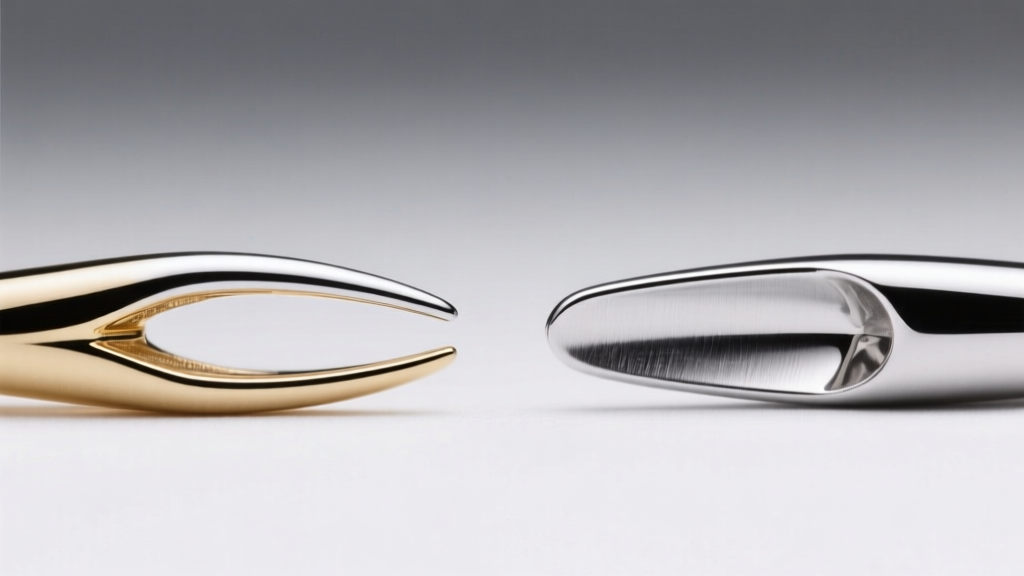
The Hidden Costs of Rhodium Plating
The rhodium layer on a necklace setting typically measures between 0.75 and 1.0 microns thick. Due to the friction of the diamond's girdle and exposure to skin oils, cosmetics, and environmental pollutants, this plating will wear away in 12 to 36 months, revealing the warmer alloy beneath. Furthermore, white gold is susceptible to stress corrosion cracking. Unlike platinum, which bends under severe stress, white gold prongs can become work-hardened and snap cleanly off, leading to sudden and catastrophic stone loss. Jewelers of America recommends annual prong inspections for all white gold settings to check for micro-fractures at the prong base.
Emerging Alternatives: Palladium and 14K Rose Gold
While platinum and white gold dominate the market, alternative metals are frequently utilized for specific aesthetic or budgetary reasons.
Palladium 950
Palladium is a platinum group metal that is naturally white, meaning it never requires rhodium plating. It is also significantly lighter than platinum, making it comfortable for large, statement pendants. However, palladium has a high melting point and is notoriously difficult to cast. Poorly manufactured palladium settings often suffer from internal porosity, making prong re-tipping nearly impossible without the risk of the metal crumbling under the jeweler's torch.
14K Rose Gold
Rose gold achieves its pinkish hue through a high copper content (often up to 20% in 14K alloys). While copper provides excellent tensile strength, it is a common allergen. Wearers with sensitive skin may experience contact dermatitis where the pendant rests against the sternum. Additionally, the copper content makes the metal more prone to oxidation and tarnishing if not stored properly in an anti-tarnish environment.
Comprehensive Material Comparison Matrix
To make an informed decision, it is essential to compare the physical properties and 2026 market benchmarks of these metals side-by-side.
| Metal / Alloy | Composition | Hardness (Vickers) | Prong Failure Mode | 2026 Avg. Setting Cost |
|---|---|---|---|---|
| Platinum 950 (Ru) | 95% Pt, 5% Ru | 135 HV | Bends / Stretches (Safe) | $450 - $800 |
| 18K White Gold | 75% Au, 25% Pd/Ni | 125 HV | Snap / Stress Fracture | $250 - $450 |
| Palladium 950 | 95% Pd, 5% Ru | 120 HV | Brittle Fracture / Porosity | $300 - $500 |
| 14K Rose Gold | 58.3% Au, Copper/Ag | 140 HV | Wear / Oxidation | $200 - $350 |
Chain Metallurgy and Clasp Mechanics
The pendant setting is only half of the equation; the chain that supports it is equally critical. If you are pairing your pendant with a delicate cable chain or a structured diamond S-necklace (an S-link chain), the metallurgy of the chain links dictates its lifespan.
Cable vs. Box Chains
Cable chains, characterized by uniform oval links, are the industry standard for solitaire pendants. When subjected to sudden tension, cable chains will stretch. While this deformation is undesirable, a jeweler can easily snip the stretched section and laser-weld the links back together. Conversely, box chains are notorious for "kinking." Once a box chain kinks, the structural integrity of the interlocking links is permanently compromised, and it is virtually impossible to repair without replacing the entire segment.
Clasp Failure: The Spring Ring Vulnerability
Most lightweight necklaces utilize a spring ring clasp. The outer shell of the clasp may be stamped 14K or 18K gold, but the internal spring mechanism must be made of steel or a hardened base metal alloy, as pure gold lacks the memory required to snap back into place. If the outer gold shell is compromised by a microscopic crack, moisture will reach the internal steel spring, causing it to rust and fail. For pendants weighing over 3 grams, upgrading to a solid cast lobster clasp is highly recommended to prevent accidental unclasping.
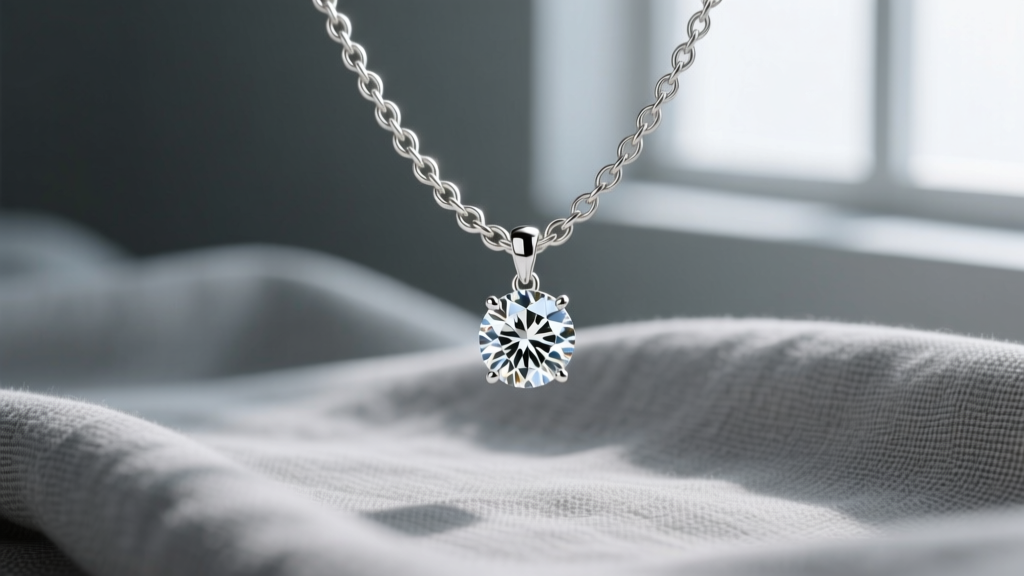
Maintenance Schedules and Long-Term Costs
When calculating the total cost of ownership for a diamond necklace, you must factor in routine maintenance. A platinum setting requires minimal chemical maintenance; it can be cleaned with ultrasonic machines and steam without degrading the metal. While it will develop a matte patina, a quick polish by a jeweler will restore its high-gloss finish, and no material is lost in the process because platinum merely displaces rather than wearing away.
White gold, on the other hand, requires rhodium re-plating every 1 to 3 years, depending on the wearer's body chemistry. As of 2026, professional rhodium dipping for a pendant setting and chain typically costs between $60 and $120. Over a 20-year period, the cumulative cost of re-plating and repairing stress-fractured white gold prongs often exceeds the initial savings of choosing white gold over platinum.
Final Verdict
For heirloom-quality diamond pendants weighing over 0.50 carats, Platinum 950 (Ruthenium) remains the undisputed champion. Its malleable failure mode ensures that your stone is protected even when the metal takes a direct impact. 18K white gold is an excellent choice for fashion-forward, lighter-weight pieces where the bright, rhodium-plated aesthetic is prioritized, provided the wearer commits to an annual inspection schedule. By understanding the metallurgical realities of your jewelry, you can ensure your necklace remains secure and brilliant for generations.


