Best Metals for Birthstone Necklaces for Moms: A Material Guide
Discover the best metals for birthstone necklaces for moms. Compare durability, hypoallergenic properties, and pricing for 14k gold, platinum, and more.

The Sentimental and Practical Weight of Mom Jewelry
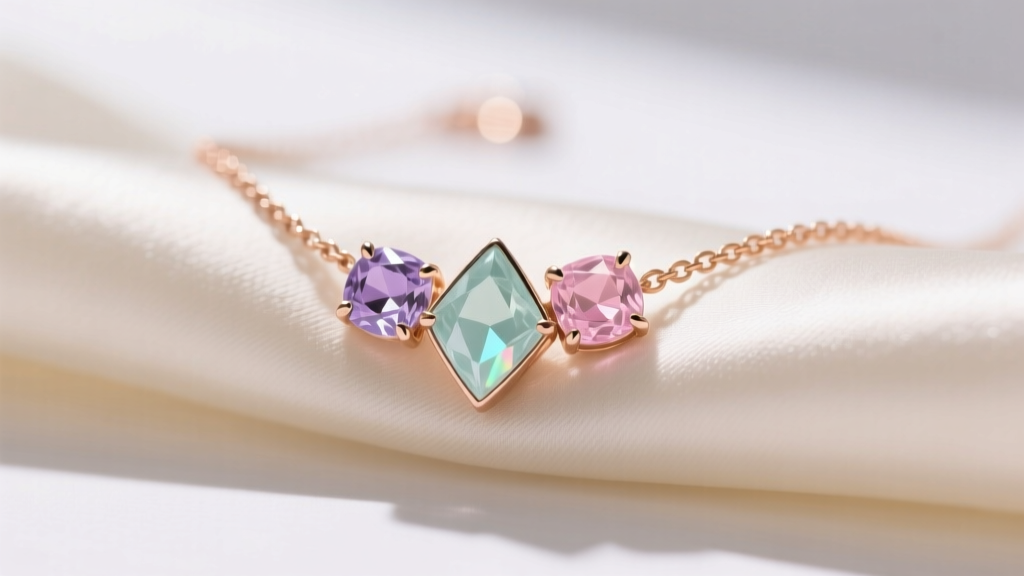
When selecting birthstone necklaces for moms, the focus is often entirely on the gemstones—the vibrant ruby for a July baby, the deep sapphire for September, or the soft rose of a Morganite for an April child. However, the metal that cradles these sentimental stones dictates the necklace's longevity, safety, and daily wearability. Motherhood is an active, unpredictable, and often chaotic chapter of life. A necklace worn by a mom is subjected to toddler yanks, exposure to lotions, diaper bag friction, and sudden temperature changes. Therefore, understanding the metallurgical properties of the chain and setting is not just a matter of aesthetics; it is a matter of structural engineering.
In this comprehensive guide, we bypass the marketing fluff and dive deep into the material science behind the most popular metals used in maternal jewelry. By comparing tensile strength, Mohs hardness, and alloy compositions, you will learn exactly which metal will survive the beautiful chaos of motherhood.
Decoding Metal Durability: Mohs Hardness vs. Tensile Strength
A common misconception in jewelry shopping is equating "hardness" with "durability." According to the Gemological Institute of America (GIA), these are two entirely distinct properties that must be balanced when designing birthstone necklaces for moms.
- Mohs Hardness (Scratch Resistance): This measures a metal's ability to resist surface abrasion. A higher Mohs rating means the metal won't easily scratch when brushing against keys, zippers, or stroller frames.
- Tensile Strength (Snap Resistance): This measures the stress a metal can withstand before breaking or snapping. This is critical for the delicate prongs holding the birthstones and the tiny jump rings connecting the pendant to the chain.
For example, platinum is relatively soft on the Mohs scale (around 4 to 4.5) compared to 14k gold, meaning it will develop a matte "patina" of micro-scratches over time. However, platinum possesses vastly superior tensile strength. When a toddler grabs a platinum necklace, the metal will bend or stretch; when they grab a hard but brittle white gold chain, the jump ring may snap entirely.
Top Metal Choices for Birthstone Necklaces for Moms
Not all gold or silver is created equal. The specific alloy mixtures used in modern jewelry drastically alter how the piece performs under daily stress. Below is a comparative breakdown of the premier metals used in maternal jewelry.
| Metal Type | Standard Composition | Mohs Hardness | Tensile Strength | Best Use Case |
|---|---|---|---|---|
| 14K Yellow Gold | 58.5% Gold, 30% Copper, 11.5% Silver | 3.5 - 4.0 | High | Everyday wear, budget-conscious buyers |
| 14K White Gold | 58.5% Gold, Nickel/Palladium, Zinc | 4.0 - 4.5 | Medium-High | Modern aesthetics, requires rhodium plating |
| 18K Rose Gold | 75% Gold, 22.25% Copper, 2.75% Silver | 3.0 - 3.5 | Medium | Warm skin tones, vintage-inspired settings |
| 950 Platinum | 95% Platinum, 5% Ruthenium/Iridium | 4.0 - 4.5 | Very High | Heirloom pieces, high-value gemstones |
| Argentium Silver | 93.5% Silver, 6.5% Copper & Germanium | 2.5 - 3.0 | Low-Medium | Tarnish-resistant budget alternative |
14K and 18K Solid Gold: The Industry Workhorses
Gold in its pure 24K form is far too malleable for jewelry; a pure gold prong would bend open with minimal pressure, dropping the birthstone. Alloying gold with copper, silver, and zinc creates structural integrity. 14K gold (58.5% pure gold) is the undisputed champion for active moms. The higher copper and zinc content makes it rigid enough to hold secure prong settings while retaining the luxurious luster of gold. 18K gold (75% pure gold) offers a richer, deeper color—particularly noticeable in yellow and rose gold—but is slightly more prone to denting if the pendant is struck against a hard surface.
Platinum: The Premium Standard for Security
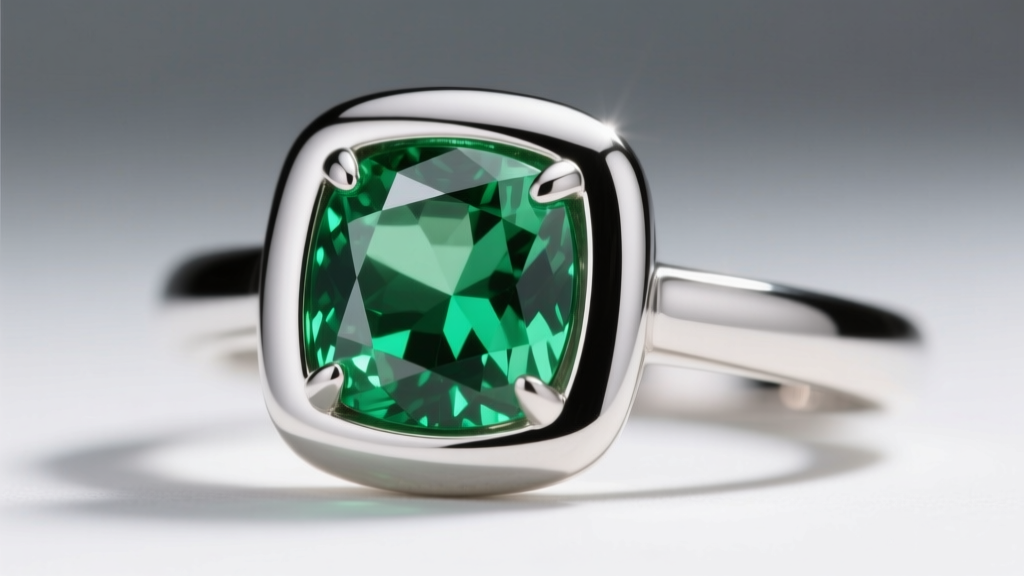
Platinum is a dense, heavy, and naturally white metal that will never fade or require rhodium plating. Its most remarkable property is its malleability under pressure without material loss. When platinum scratches, the metal is merely displaced, not lost. For birthstone necklaces for moms featuring high-value or fragile stones like emeralds or tanzanites, platinum bezel settings offer the ultimate protective cage.
Argentium Silver: The Modern Budget Alternative
Traditional 925 sterling silver is notoriously prone to tarnishing due to the 7.5% copper content reacting with sulfur in the air and skin acids. Argentium silver replaces some of that copper with germanium. This creates a transparent, self-healing oxide layer on the surface that drastically slows tarnishing. For moms who want the bright white look of silver without the weekly polishing chore, Argentium is a massive upgrade, though it still lacks the tensile strength for heavy, multi-stone pendants.
Hypoallergenic Properties: Protecting Sensitive Skin
The skin on the décolletage and neck is exceptionally thin and sensitive, making contact dermatitis a genuine concern for daily jewelry wearers. According to the American Academy of Dermatology (AAD), nickel allergy is one of the most common causes of allergic contact dermatitis, affecting roughly 10% to 20% of the population.
Many standard 14K white gold alloys utilize nickel to achieve their silvery-white color before being plated with rhodium. As the rhodium plating wears off over 12 to 18 months—a process accelerated by a mother's body chemistry, perfumes, and frequent bathing—the underlying nickel is exposed, leading to red, itchy rashes on the chest.
Expert Tip: If purchasing white gold birthstone necklaces for moms, explicitly request "nickel-free" or "palladium-white gold" alloys from the jeweler. Alternatively, opt for platinum or 14K yellow/rose gold, which are naturally hypoallergenic and nickel-free.
Gemstone Setting Security: Prong vs. Bezel
The metal you choose must dictate the setting style. Birthstones range widely in durability; a diamond (Mohs 10) can withstand the exposed edges of a prong setting, but an opal (Mohs 5.5) or a pearl (Mohs 2.5) will chip and scratch if left exposed.
- Prong Settings in 14K Gold: Ideal for hard stones (diamonds, sapphires, rubies). The rigidity of 14K gold keeps the prongs tight against the stone's girdle.
- Bezel Settings in Platinum or Gold: A rim of metal completely encircles the gemstone. This uses 20% to 30% more metal, increasing the cost, but it reduces the risk of snagging on children's hair or knit sweaters by over 90%. Bezel settings are highly recommended for soft, porous birthstones like turquoise, opal, and pearl.
Pricing Breakdown: What to Expect in 2026
The precious metals market continues to fluctuate, but as of 2026, the pricing tiers for a standard three-stone "mom necklace" (featuring a 16-inch chain and three 4mm birthstones) generally fall into the following ranges:
- Argentium / Sterling Silver: $120 – $280
- 10K Solid Gold: $250 – $400 (Often too brittle for intricate multi-stone settings)
- 14K Solid Gold (Yellow, Rose, White): $450 – $850
- 18K Solid Gold: $750 – $1,400
- 950 Platinum: $1,300 – $2,800+
Note: Prices vary heavily based on the specific birthstones chosen. A necklace featuring three lab-created sapphires will sit at the lower end of the metal tier's price range, while natural, untreated emeralds will push the price to the absolute ceiling.
Red Flags to Avoid When Shopping Online
When browsing for birthstone necklaces for moms on e-commerce platforms, be highly skeptical of the following material descriptions:
- "Gold Plated" or "Gold Vermeil" for Daily Wear: Vermeil is simply sterling silver coated in a thin layer of gold. The friction of daily wear, combined with maternal sweat and lotions, will strip the gold layer within 6 to 12 months, leaving a tarnished silver base.
- Unstamped White Gold: If a piece is not stamped with "14K," "585," or "750," and lacks a specific alloy disclosure, it may contain high levels of nickel or zinc, which compromises both the skin and the metal's structural integrity.
- "Tension Settings" in Silver: Tension settings rely on the metal's "spring" to hold the stone. Silver lacks the memory and tensile strength to maintain this pressure over time, inevitably leading to lost gemstones.
Final Verdict: Matching the Metal to the Mom's Lifestyle
The perfect metal for birthstone necklaces for moms ultimately depends on her daily routine and the specific gemstones involved. For the active, outdoorsy mother who wears her jewelry 24/7, 14K yellow or rose gold with bezel settings offers the best balance of durability, low maintenance, and snag-free security. For the mother who values heirloom-quality longevity and has sensitive skin, 950 platinum is an unmatched investment that will securely hold her children's birthstones for generations without triggering allergies or requiring rhodium dips. By prioritizing tensile strength and hypoallergenic compositions over mere surface shine, you ensure that this deeply sentimental piece of jewelry survives the beautiful, messy reality of motherhood.


