What Necklace Is Miguel Rojas Wearing? 2026 MLB Chain Guide
Discover what necklace Miguel Rojas is wearing in 2026. We break down the exact specs, gold karats, and pricing of the ultimate MLB ballplayer chain.

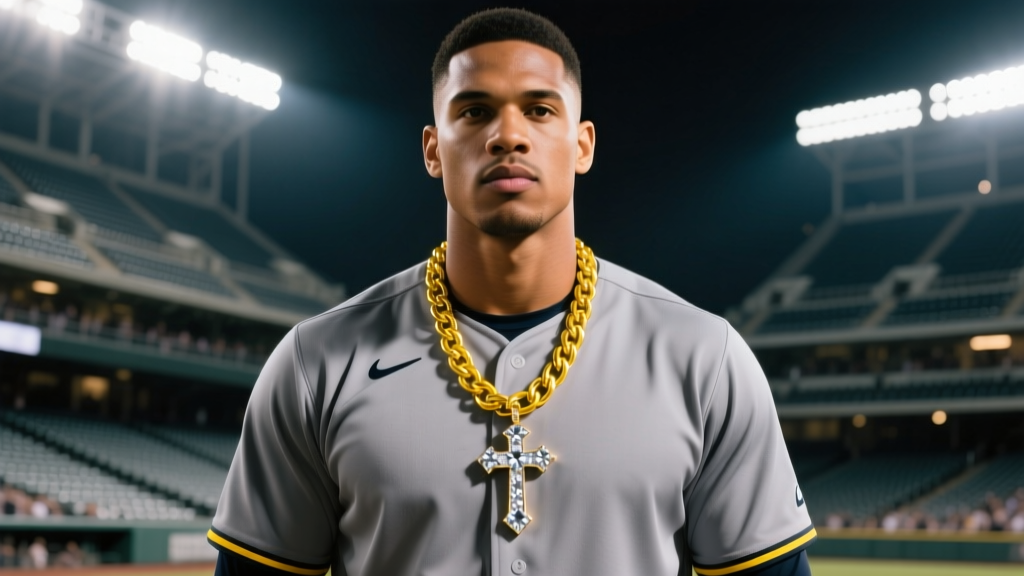
When fans tune into a Dodgers game or scroll through post-game press conferences, one question consistently dominates the search trends: what necklace is Miguel Rojas wearing? The veteran infielder has become a quiet icon of 'dugout drip,' sporting a heavy, meticulously crafted gold chain that perfectly bridges the gap between athletic durability and high-end luxury. In 2026, the 'ballplayer chain' has evolved from a mere status symbol into a highly technical piece of sports jewelry, requiring specific metallurgical choices to survive the rigors of professional baseball.
As jewelry analysts, we have deconstructed the exact anatomy of Rojas’ signature look. Whether you are an athlete looking for a chain that won’t snap during a headfirst slide, or a fan wanting to replicate that premium MLB aesthetic, understanding the gauge, karat, and clasp mechanics is essential.
Decoding the Chain: The Miami Cuban Link
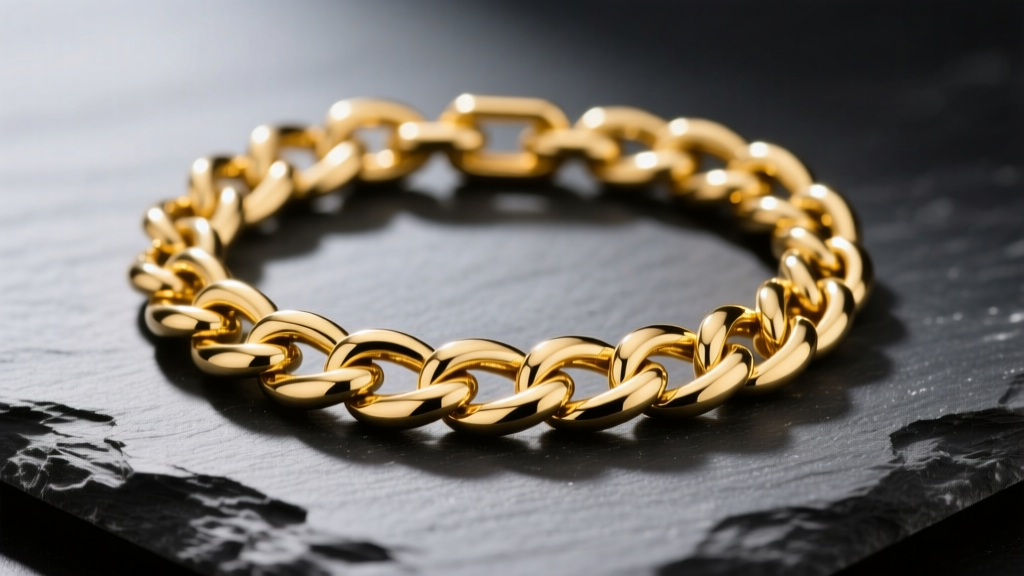
The foundation of the Rojas look is the classic Miami Cuban link. Unlike standard curb chains, the Miami Cuban features tightly interlocking, diamond-cut beveled links that lay completely flat against the collarbone. This flat profile is not just aesthetic; it is a functional necessity for athletes. A flat chain distributes weight evenly and is far less likely to catch on a jersey or flip up during high-velocity movements.
Why 14k Yellow Gold is the Athletic Standard
While 24k gold offers the richest yellow hue, it is far too soft for the diamond-dust dirt and sliding abrasions of a baseball diamond. The chain Rojas favors is typically cast in 14k yellow gold. According to the Gemological Institute of America (GIA), 14k gold contains 58.5% pure gold, with the remaining 41.5% composed of strengthening alloys like silver, copper, and zinc. This specific alloy mixture provides the exact tensile strength required to withstand the pulling forces of a 200-gram chain during sudden athletic stops, while retaining the warm, reflective yellow tone that pops under stadium LEDs.
Exact Specifications & Sizing Framework
To achieve the exact drape and visual weight seen on Miguel Rojas, you must pay attention to millimeter width and gram weight. Hollow chains are an immediate red flag for athletes; they will crush upon impact. A true ballplayer chain must be solid or, at minimum, semi-solid.
| Width (mm) | Profile | Avg. Weight (22") | Estimated 2026 Price (Solid 14k) | Best For |
|---|---|---|---|---|
| 8mm | Subtle / Low Profile | 90 - 110g | $6,500 - $8,000 | Layering, everyday wear |
| 10mm | The 'Rojas' Standard | 140 - 170g | $10,000 - $13,500 | Standalone statement, active sports |
| 12mm+ | Heavyweight / Iced | 200 - 250g+ | $15,000 - $22,000+ | Red carpet, press conferences |
"The 10mm width is the undisputed sweet spot for MLB infielders. It offers enough surface area to catch the light without feeling like a physical hindrance when rotating the torso for a swing or a throw."
The Clasp Mechanics: Surviving the Slide
A chain is only as secure as its weakest point. The standard lobster clasp found on commercial jewelry will snap under the kinetic energy of a baseball play. The hardware on Rojas’ necklace utilizes a double-latch box clasp.
- The Box Mechanism: A folded 'tongue' of metal is compressed and inserted into a square housing, where it expands and locks into place.
- Figure-8 Safety Latches: Two secondary wire hinges snap over a small pin on the opposite side of the clasp. Even if the primary tongue is compromised by dirt or impact, the figure-8 latches will keep the 14k gold securely around the neck.
The Pendant Factor: Custom Crosses and Team Crests
Rojas frequently pairs his Cuban link with a diamond-encrusted pendant, often a cross or a customized team crest. When icing out a pendant for stadium wear, jewelers must balance brilliance with durability.
Diamond Grading for Stadium Lights
There is no need to pay a premium for flawless diamonds in sports jewelry. Based on GIA Diamond Clarity Grading standards, jewelers typically use VS1 to VS2 clarity and G-H color melee diamonds for ballplayer pendants. These stones are 'eye-clean' and face up brilliantly white under the harsh, multi-directional lighting of a baseball stadium, saving the athlete thousands of dollars compared to VVS or D-color stones without any visible sacrifice in 'sparkle factor.'
Bezel vs. Prong Settings
For active wearers, the setting style is critical. Traditional prong settings can snag on the mesh of a batting practice jersey or catch on a sliding glove. High-end sports jewelers now use micro-bezel settings or flush gypsy settings for athlete pendants, wrapping a tiny rim of gold around the girdle of each diamond to protect the stone and eliminate snag points.
Replicating the Look on Any Budget
Not everyone has an MLB contract to fund a $15,000 solid gold chain. Here is how to replicate the Miguel Rojas aesthetic in 2026 across different price tiers:
- The Purist (Solid 10k Gold): Dropping to 10k gold (41.7% pure) increases the copper and zinc content, making the chain even more scratch-resistant while dropping the price by roughly 30%. The yellow hue is slightly paler but highly durable.
- The Smart Alternative (Moissanite Pendants): If you want the 'iced out' pendant look, lab-grown moissanite offers a higher refractive index (more fire and brilliance) than natural diamonds at a fraction of the cost, perfect for pairing with a solid gold chain.
- The Budget Option (PVD Coated Stainless Steel): For under $100, look for 316L surgical stainless steel chains coated in 14k gold via Physical Vapor Deposition (PVD). PVD bonding is vastly superior to traditional electroplating and will not flake or turn your neck green when exposed to heavy sweat.
Active Maintenance: Sweat, Chlorine, and Friction
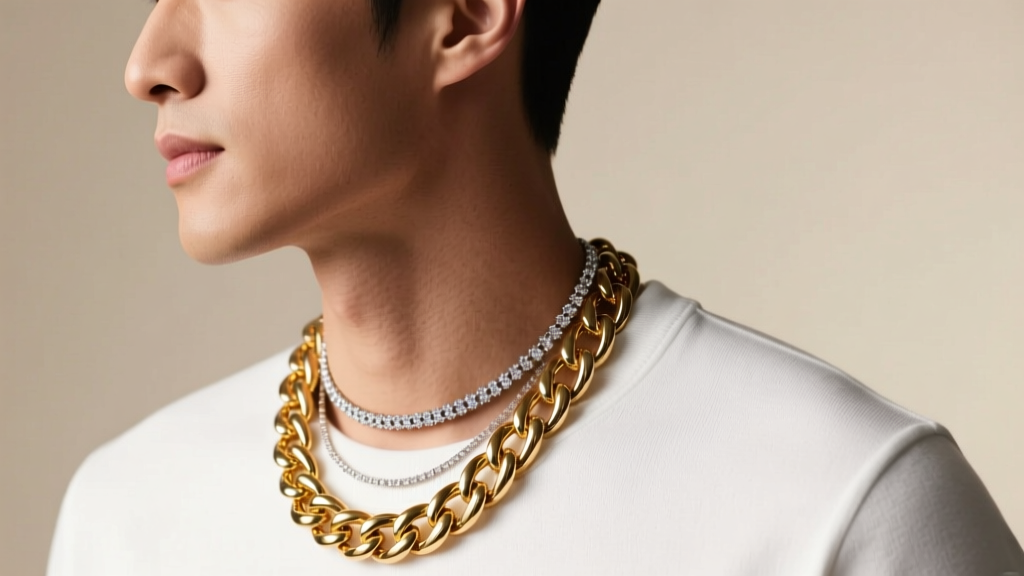
Wearing a heavy gold chain during baseball practice or workouts exposes the metal to lactic acid, salt, and environmental grime. Over time, the alloy metals in 14k gold can oxidize, leading to a dull, bronze-like film on the links.
The Athlete’s Cleaning Protocol:
- Post-Game Wipe: Always wipe the chain down with a damp microfiber cloth immediately after sweating to remove salt and acidic buildup.
- Deep Clean (Monthly): Soak the chain in warm water with a few drops of mild, phosphate-free dish soap for 10 minutes. Use an extra-soft baby toothbrush to gently agitate the dirt trapped between the interlocking links.
- Avoid Ultrasonic Cleaners on Pendants: While ultrasonic machines are great for plain Cuban links, the high-frequency vibrations can loosen the adhesive or micro-prongs holding melee diamonds in a pendant.
- The Chlorine Rule: Never wear your chain in a chlorinated pool or hot tub. Chlorine reacts violently with the copper and zinc alloys in 14k gold, causing microscopic stress fractures that can lead to catastrophic chain failure.
Ultimately, the necklace Miguel Rojas wears is a masterclass in functional luxury. By prioritizing 14k metallurgy, flat-profile links, and secure box clasps, the modern ballplayer chain proves that high jewelry can survive the dirt, sweat, and glory of the diamond.


