Military Dog Tag Necklace Value Guide: Materials & Cost
Discover the true value of a military dog tag necklace. Compare 316L steel, titanium, and precious metals, plus chain durability and engraving costs.

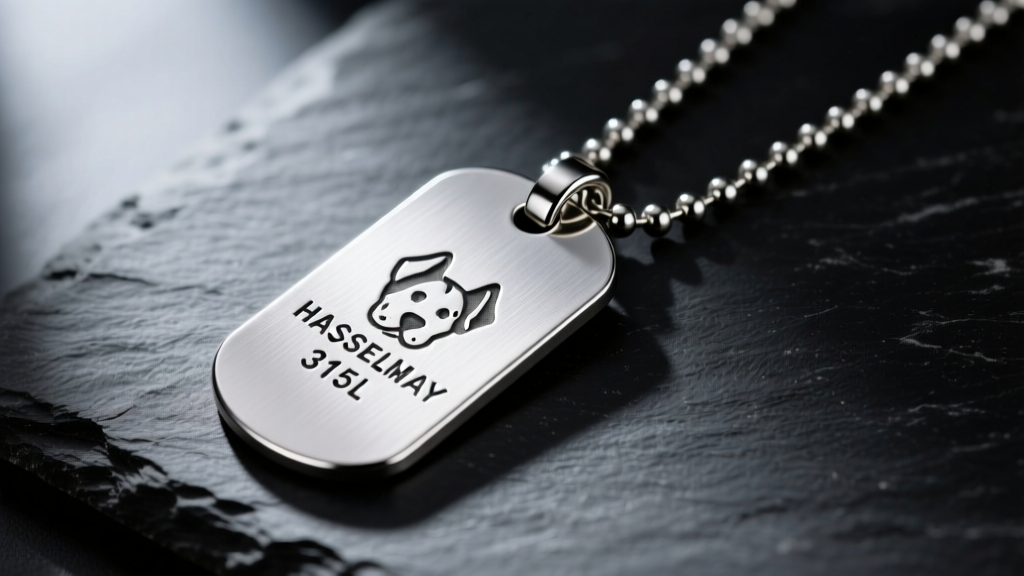
The True Cost of a Military Dog Tag Necklace: Beyond the $10 Price Tag
As we navigate the 2026 jewelry market, the gap between fast-fashion accessories and enduring menswear staples has never been more pronounced. The military dog tag necklace remains a ubiquitous symbol of rugged utility and personal identity. However, assessing the true value of these pieces requires looking past the initial price tag. A $12 mall-kiosk dog tag and a $150 custom-milled titanium pendant may look identical in a dimly lit display case, but their metallurgical composition, chain mechanics, and engraving longevity tell vastly different stories.
This comprehensive value assessment breaks down the exact material grades, failure points, and pricing tiers you need to know before investing in a military dog tag necklace that will actually survive daily wear, sweat, and time.
Material Breakdown: What You’re Actually Paying For
The base metal dictates 70% of a dog tag's longevity and price. Budget manufacturers often cut corners here, using alloys that degrade rapidly when exposed to the chlorides in human sweat.
Stainless Steel: 304 vs. 316L Marine Grade
Most entry-level dog tags ($10–$25) are stamped from 304 stainless steel. While 304 is adequate for indoor architectural fixtures, it lacks molybdenum, making it highly susceptible to pitting and crevice corrosion when exposed to salt and sweat. Within six months of daily wear, a 304 steel tag will often develop microscopic rust spots along the edges and chain holes.
For long-term value, you must look for 316L (Marine Grade) stainless steel ($35–$60). The addition of 2-3% molybdenum drastically increases resistance to chloride corrosion. Furthermore, 316L is often finished with a PVD (Physical Vapor Deposition) coating in black or gunmetal, which bonds at a molecular level and will not flake off like cheap electroplating.
Titanium & Aerospace Alloys
Titanium is the gold standard for hypoallergenic, lightweight durability. However, not all titanium is equal. Grade 2 (Commercially Pure) titanium ($50–$80) is soft and prone to scratching. The true value lies in Grade 5 (Ti-6Al-4V) titanium ($90–$150). This aerospace alloy contains aluminum and vanadium, making it four times stronger than Grade 2 while remaining incredibly light. It is virtually impervious to tarnish and skin acids, making it a lifetime investment.
Precious Metals: The Luxury Tier
Sterling silver (.925) dog tags ($80–$150) offer a premium luster but rank only 2.5 on the Mohs hardness scale. They will scratch, dent, and tarnish rapidly without rhodium plating. Solid 14k or 18k gold tags ($400–$1,200+) are heavy, luxurious, and hold intrinsic scrap value, but they are soft and prone to warping if stamped with heavy mechanical force. For precious metals, the FTC Jewelry Guides mandate strict hallmarking, so always verify the stamp on the reverse side of the tag.
Chain Mechanics and Failure Points: Where Budget Options Break
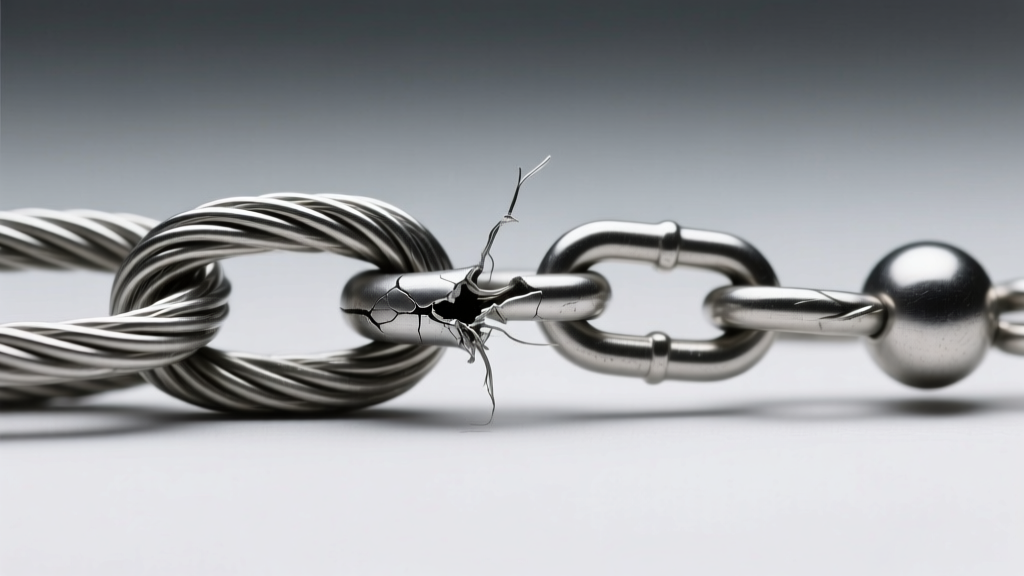
The most critical failure point of any military dog tag necklace is not the tag itself, but the chain. The traditional ball chain (bead chain) is iconic, but it is an engineering nightmare for heavy pendants.
Expert Insight: A standard 3mm stainless steel ball chain typically fails at just 8 to 12 pounds of tensile force. The failure almost always occurs at the hollow sheet-metal connector clasp or where the bead meets the wire link, snapping under the sudden kinetic shock of a dropped tag.
To maximize value, upgrade your chain configuration. Below is a structural comparison of common chain types used with dog tags:
| Chain Type | Gauge / Thickness | Tensile Strength | Estimated Cost Add-on | Value Verdict |
|---|---|---|---|---|
| Ball Chain (Bead) | 3.0mm | Low (8-12 lbs) | $2 - $5 | Poor (High failure rate) |
| Cable Chain | 1.5mm - 2.0mm | High (25-40 lbs) | $15 - $30 | Excellent (Best durability) |
| Box Chain | 2.0mm - 2.5mm | Very High (50+ lbs) | $35 - $60 | Good (Prone to kinking) |
| Rope Chain | 2.0mm | Medium (20 lbs) | $25 - $45 | Fair (Hard to clean) |
For the optimal balance of military aesthetics and structural integrity, pair your tag with a 2.0mm stainless steel cable chain secured with a lobster clasp rather than a spring ring. This setup eliminates the weak points inherent to ball chains while maintaining a rugged, masculine profile.
Engraving Methods: Laser vs. Mechanical Stamping
A blank dog tag is merely a piece of metal; the engraving provides the soul. However, the method used to etch your data drastically impacts the necklace's long-term value and readability.
Diamond Drag and Rotary Engraving
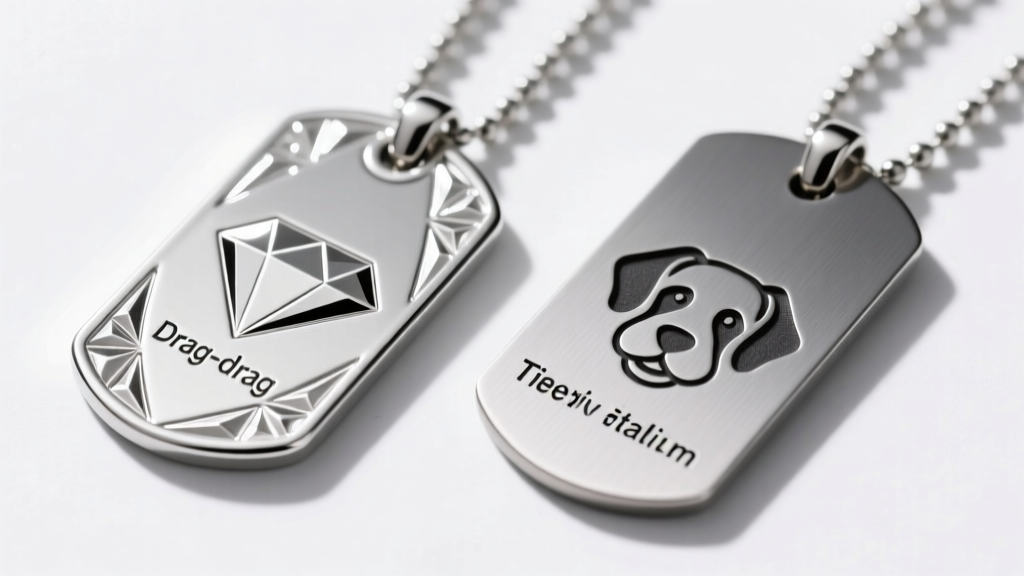
Budget kiosks and online fast-fashion retailers use diamond drag engraving. A carbide tip scratches the surface of the metal. While cheap ($5–$10), the grooves are shallow (less than 0.1mm deep). Within two to three years of friction against t-shirts and skin oils, the text becomes illegible. Furthermore, attempting to diamond-drag engrave hardened Grade 5 titanium will shatter the engraving tip or result in a faint, unreadable scratch.
Fiber Laser Ablation and Annealing
High-value custom jewelers use fiber lasers ($20–$50 engraving fee). A 1064nm laser beam either ablates (vaporizes) the top layer of steel to create deep, high-contrast physical grooves, or anneals the titanium by heating it just enough to create a permanent, dark oxide layer without breaking the surface. According to metallurgical standards cited by institutions like the Gemological Institute of America (GIA), laser-altered metal surfaces maintain their integrity indefinitely. Fiber laser engraving will outlast the physical lifespan of the necklace itself, making it the only acceptable choice for medical alert data or permanent memorial tags.
The 2026 Value Matrix: Budget, Mid-Tier, and Heirloom Tiers
To help you allocate your budget effectively, here is a realistic breakdown of what your money should secure in the current market:
- The Budget Tier ($15 – $30): You will receive a 1.2mm thick 304 stainless steel tag with diamond-drag engraving on a standard ball chain. Value Assessment: Acceptable for temporary fashion or costume wear, but expect corrosion and chain failure within 12 months.
- The Mid-Tier / EDC Standard ($50 – $95): This is the sweet spot for daily wear. You should expect a 2.0mm thick 316L marine-grade steel or Grade 2 titanium tag, deep fiber-laser engraving, and an upgraded 2.0mm cable chain with a secure clasp. Value Assessment: Exceptional value. This tier offers a decade of reliable, corrosion-free wear.
- The Heirloom / Tactical Tier ($150 – $350+): Features CNC-milled Grade 5 Titanium or solid 14k gold, precision beveled edges (to prevent cutting the skin), custom typography, and heavy-duty box or forged cable chains. Value Assessment: A lifetime piece. The cost reflects the intense machining time required for aerospace alloys and precious metals.
Final Verdict: Maximizing Your Investment
When shopping for a military dog tag necklace, avoid the trap of paying for the "military aesthetic" while receiving substandard metallurgy. The true value of this iconic pendant lies in its permanence. By insisting on 316L stainless steel or Grade 5 titanium, upgrading to a solid cable chain, and demanding fiber laser engraving, you transform a cheap accessory into a resilient, lifelong artifact. Spend the extra $30 upfront on material integrity, and you will never have to replace your tag again.


