How to Authenticate and Clean a Vintage Krementz Rose Necklace
Learn how to authenticate, safely clean, and style a vintage Krementz rose necklace with our expert step-by-step guide for gold-filled jewelry.

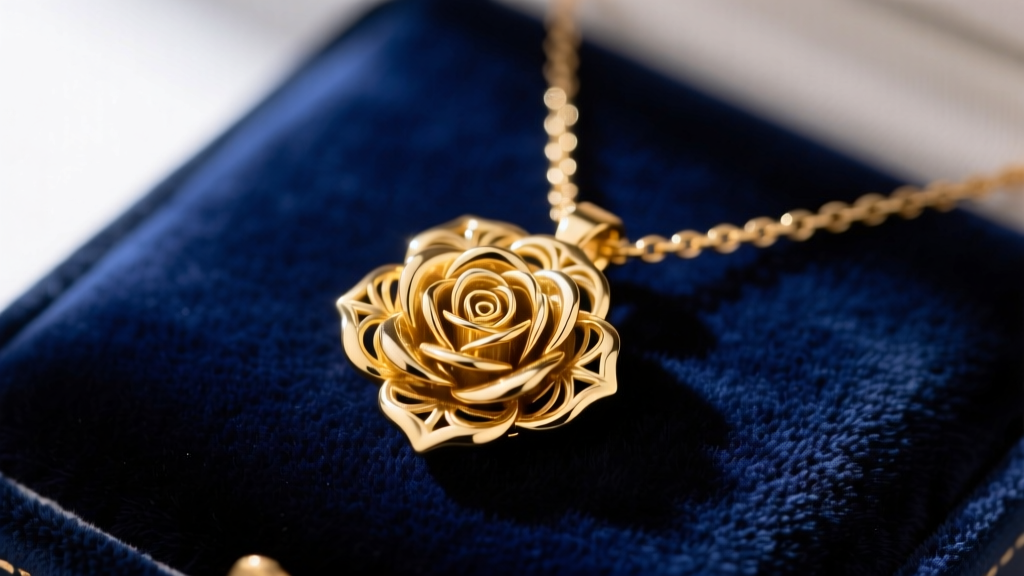
The Enduring Legacy of the Krementz Rose Motif
As we navigate the jewelry landscape in 2026, the demand for sustainable, high-quality vintage pieces has reached an all-time high. Among the most coveted estate finds is the Krementz rose necklace. Founded in Newark, New Jersey, in 1866, Krementz & Co. revolutionized the industry with their proprietary gold overlay and gold-filled techniques. Their dimensional rose pendants—often featuring intricate repoussé metalwork, hand-applied enamel, or delicate seed pearl accents—remain masterclasses in mid-century and Victorian-revival design.
However, buying, restoring, and maintaining vintage gold-filled jewelry requires specific metallurgical knowledge. Unlike solid 14K gold, gold overlay pieces demand a specialized approach to cleaning and chain pairing to preserve their historical integrity and monetary value. This step-by-step guide will walk you through authenticating, assessing, and restoring your vintage Krementz rose necklace.
Step 1: Authenticating Your Krementz Rose Necklace
The secondary market is flooded with modern reproductions and misattributed pieces. Authenticating a genuine Krementz rose pendant requires examining both the hallmark and the manufacturing technique.
Identifying the Hallmarks
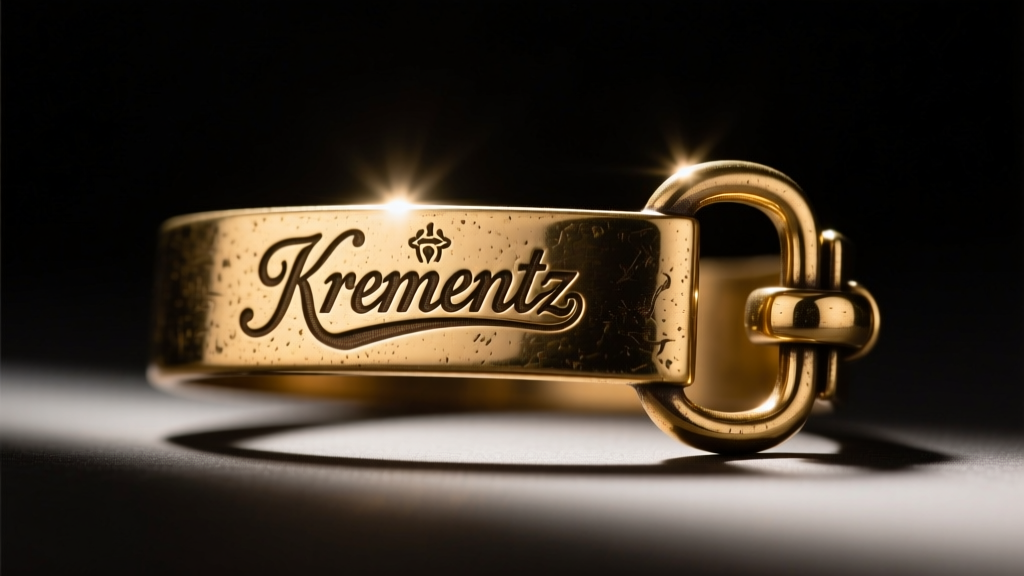
Inspect the bail (the loop that connects the pendant to the chain) and the original chain clasp. According to Lang Antiques University, Krementz typically stamped their pieces with a distinct collar or shield-shaped maker's mark, alongside the metal purity. Look for the following stamps:
- 1/20 14K GF: This is the gold standard for vintage Krementz. It means that 1/20th (or 5%) of the total weight of the item is solid 14K gold, mechanically bonded to a brass core under extreme heat and pressure.
- 14K H.G.E.: Standing for Heavy Gold Electroplate, this was used on some later mid-century pieces. While durable, it lacks the mechanical bonding of true gold-filled overlay.
- The Krementz Shield: A small, stamped outline of a collar or shield, sometimes accompanied by the word 'Krementz' in a serif font.
Evaluating the Repoussé Craftsmanship
Genuine Krementz rose pendants are rarely flat. They utilize a die-stamping and repoussé technique that gives the rose petals a three-dimensional, sculptural quality. The edges of the petals should feel smooth and finished, not sharp or hollow. If the pendant feels exceptionally lightweight or the rose detail looks blurred and cast-like, it is likely a modern, mass-produced reproduction rather than an original mid-century Krementz stamping.
Step 2: Assessing the Condition of the Overlay
Before introducing any moisture or cleaning agents to your necklace, you must assess the condition of the gold overlay. The most common failure mode in vintage gold-filled jewelry is brassing—the wearing away of the gold layer to reveal the brass base metal beneath.
Expert Insight: Never attempt to 'polish' brassing on a Krementz piece. Using abrasive polishing cloths on gold-filled jewelry will strip the remaining microscopic gold layer, permanently destroying the piece's value and aesthetic.
Examine the high-friction areas: the top of the bail where the chain rubs, and the highest points of the rose petals. If you see dull, yellowish-brown patches, the overlay has worn through. While this cannot be reversed at home, a professional jeweler can carefully re-plate the piece using 24K gold electroplating to match the original warm hue.
Step 3: Safe Cleaning Methods for Vintage Gold Overlay
The Gemological Institute of America (GIA) notes that gold-filled jewelry is highly resistant to tarnish, but the brass core can oxidize if exposed to harsh chemicals or moisture trapped in crevices. Follow this exact protocol to clean your Krementz rose necklace safely.
The Distilled Water & pH-Neutral Soap Method
- Prepare the Solution: Mix 1 cup of distilled water (never tap water, as chlorine and minerals can react with the brass core) with 2 drops of pH-neutral, lotion-free dish soap (such as Dawn Free & Clear).
- The Soak: Submerge the pendant and chain for exactly 3 to 5 minutes. Do not exceed this time, especially if your rose pendant features cold enamel or glued seed pearls.
- Agitation: Using an extra-soft baby toothbrush, gently sweep the bristles along the crevices of the rose petals. Brush in a single direction to avoid trapping dirt deeper into the stamping.
- The Rinse & Dry: Rinse briefly under a gentle stream of lukewarm distilled water. Immediately pat dry with a lint-free microfiber cloth, then use a hair dryer on the 'cool' setting to ensure no moisture remains in the bail or chain links.
Cleaning Agents: Do's and Don'ts
| Cleaning Agent / Tool | Verdict | Reasoning |
|---|---|---|
| Ultrasonic Cleaners | NEVER USE | High-frequency vibrations will shatter vintage enamel and strip electroplated layers. |
| Sunshine Polishing Cloths | AVOID | These contain micro-abrasives designed to remove tarnish from solid silver; they will sand off the 14K gold overlay. |
| Baking Soda Paste | NEVER USE | Highly abrasive and alkaline; will scratch the gold finish and cause micro-pitting. |
| Microfiber Cloth | HIGHLY RECOMMENDED | Safe for gentle buffing and removing skin oils after wearing. |
Step 4: Sourcing the Correct Replacement Chain
A common issue with estate Krementz rose necklaces is that the original chain has broken or been lost. The heavy, die-stamped rose pendants typically weigh between 3 and 6 grams. Pairing them with a flimsy modern chain will result in immediate breakage.
To properly restore the necklace, you must source a 14K Gold-Filled (1/20) Box Chain or Rope Chain with a wire gauge of 1.2mm to 1.5mm. A 1.2mm box chain provides the necessary tensile strength to support the pendant's weight while maintaining a delicate, vintage-appropriate silhouette. Ensure the new chain features a sturdy lobster clasp and a soldered jump ring at the pendant bail to prevent friction wear.

Step 5: Styling and Layering Your Vintage Rose Pendant
The dimensional nature of the Krementz rose pendant makes it an ideal anchor piece for modern necklace layering. Because the gold overlay has a slightly warmer, richer tone than modern bright-yellow gold plating, it pairs beautifully with organic textures.
The 2026 Layering Framework
- The Base Layer (14-16 inches): A delicate freshwater pearl choker or a 1mm solid gold cable chain. This draws the eye to the collarbone and provides a textural contrast to the metallic rose.
- The Anchor Layer (18-20 inches): Your restored Krementz rose necklace on a 1.5mm gold-filled box chain. This sits perfectly in the hollow of the décolletage, allowing the 3D repoussé work to catch the light.
- The Elongating Layer (24-28 inches): A long, matte-finish gold-filled rope chain or a strand of dark onyx beads. This creates a vertical line that elongates the torso and frames the vintage rose motif without competing for attention.
By understanding the metallurgical realities of gold-filled jewelry and respecting the historical craftsmanship of the Krementz brand, you can ensure your vintage rose necklace remains a breathtaking, wearable heirloom for decades to come.


