Empty Tomb Necklace Value Guide: 2026 Pricing & Materials
Assess the true value of an empty tomb necklace in 2026. Compare materials, pricing tiers, and learn how to avoid overpaying for plated religious jewelry.

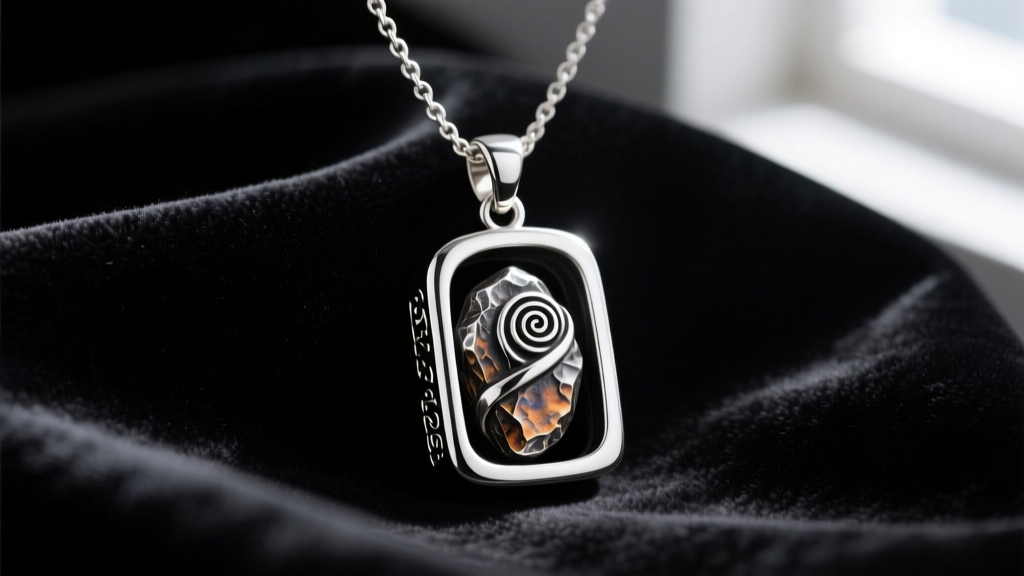
The empty tomb necklace is a profound symbol of Christian faith, representing the resurrection of Jesus Christ and the promise of eternal life. Typically featuring a cavernous opening, a rolled-away stone, and occasionally an angelic figure or a subtle cross, this specific pendant style has surged in popularity among believers seeking meaningful, conversation-starting jewelry. However, as demand has grown, the market has become saturated with everything from mass-produced dropshipped alloys to exquisite, hand-forged artisan heirlooms. For the discerning buyer, navigating this landscape requires a sharp eye for metallurgy and a firm grasp of current market valuations.
In this comprehensive 2026 budget and value assessment, we strip away the marketing veneer to evaluate what you are actually paying for when purchasing an empty tomb necklace. Whether you are allocating a modest $30 budget or preparing to invest $800 in a solid gold family heirloom, understanding the intersection of material science, craftsmanship, and fair market pricing is essential to making a spiritually and financially sound purchase.
The Symbolism and Market Appeal of the Empty Tomb Motif
Unlike standard crucifix pendants, which are ubiquitous and produced in nearly every jewelry factory globally, the empty tomb necklace occupies a specialized niche. The design requires a three-dimensional approach or a highly detailed bas-relief casting to effectively convey the narrative of the rolled-away stone and the vacant burial site. This inherent design complexity means that the quality of the mold and the finishing techniques used by the jeweler are immediately apparent. A poorly executed empty tomb pendant looks like a misshapen lump of metal, whereas a masterfully crafted piece captures the texture of the rough-hewn rock and the ethereal lightness of the resurrection narrative.
Because of this design complexity, the baseline manufacturing cost for an empty tomb necklace is slightly higher than that of a flat, stamped religious medal. Consequently, buyers must be hyper-vigilant about the materials used. A heavy, intricate design executed in cheap, lead-laced pot metal is not only a poor financial investment but also a potential skin irritant. Let us break down the exact materials you will encounter in the 2026 marketplace.
Material Breakdown: What You Are Actually Paying For
The value of any religious pendant is inextricably linked to its metallurgical composition. When assessing an empty tomb necklace, the metal dictates not only the price but the pendant's weight, drape, and resistance to tarnish. According to the Federal Trade Commission Jewelry Guidelines, retailers must accurately stamp and disclose the precious metal content of their wares, yet ambiguous marketing terms still plague the online religious jewelry space.
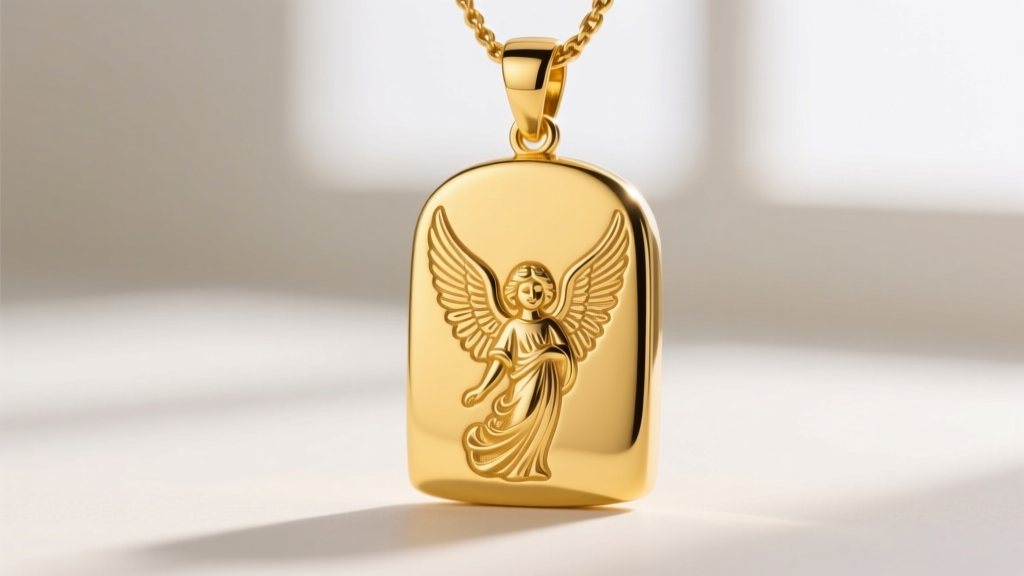
Base Metals vs. Precious Alloys
At the lowest end of the spectrum, you will find pendants cast from Zamak (a zinc-based alloy) or basic brass. These are often heavily plated with a microscopic layer of gold or silver. While they may look appealing on day one, the friction from clothing and the natural acidity of human skin will wear through the plating—often measured in mere fractions of a micron—within months. Once the base metal is exposed, it oxidizes rapidly, turning green or black and potentially causing contact dermatitis.
Moving up the value chain, 925 Sterling Silver is the sweet spot for most buyers. Comprising 92.5% pure silver and 7.5% copper or zinc for structural integrity, sterling silver offers a brilliant luster and substantial weight. An empty tomb pendant cast in solid sterling silver will retain its value and can be easily polished or re-oxidized to highlight the intricate textures of the cave and stone. At the apex of the market sits 14k and 18k solid gold. Because the empty tomb design requires a larger volume of metal than a simple cross, a solid gold version will carry a significant premium based on the daily spot price of gold, making it a true investment piece.
Gemstone and Inlay Valuations
Many modern empty tomb necklaces incorporate inlays to represent the stone or the divine light of the resurrection. It is vital to distinguish between synthetic epoxy resins, crushed stone composites, and solid cabochons. Epoxy resin is essentially colored plastic; it costs pennies and will yellow or scratch over time. Crushed turquoise or lapis lazuli bound in resin offers a mid-tier aesthetic but lacks the structural durability of a solid gemstone. For maximum value and longevity, seek pendants that utilize bezel-set solid cabochons, such as black onyx, moonstone, or genuine turquoise. The Gemological Institute of America (GIA) provides extensive resources on identifying treated versus natural gemstones, which is crucial when evaluating high-end inlaid pendants.
2026 Pricing Tiers: From Mass-Market to Artisan Heirlooms
To help you benchmark your budget, we have compiled a comprehensive pricing matrix based on current 2026 market data from reputable online jewelers, artisan marketplaces, and boutique Christian retailers. Use this table to determine if a necklace is priced fairly according to its material reality.
| Material Tier | Typical Base Metal | 2026 Fair Price Range | Expected Longevity | Best Use Case |
|---|---|---|---|---|
| Budget / Mass Market | Zinc Alloy / Brass (Plated) | $18 - $35 | 1 - 2 Years | Temporary wear, youth ministry gifts |
| Mid-Tier / Everyday | 925 Sterling Silver (Solid) | $65 - $140 | Lifetime (with care) | Daily wear, baptism confirmations |
| Premium / Vermeil | Heavy Gold Vermeil over Silver | $90 - $180 | 3 - 5 Years | Special occasions, fashion-forward layering |
| Artisan / Heirloom | 14k Solid Gold (Yellow/White) | $450 - $950+ | Generational | Heirlooms, milestone anniversaries |
Note: Prices assume a standard 18-inch chain. Chains sold separately or upgraded to heavier rope chains will increase the total cost by 15% to 40%.
Red Flags: How to Avoid Overpaying for Plated Pendants
The religious jewelry market is unfortunately rife with deceptive pricing strategies, where base-metal pendants are marked up by 500% simply because they feature a biblical motif. Protect your budget by watching out for these specific red flags when shopping for an empty tomb necklace.
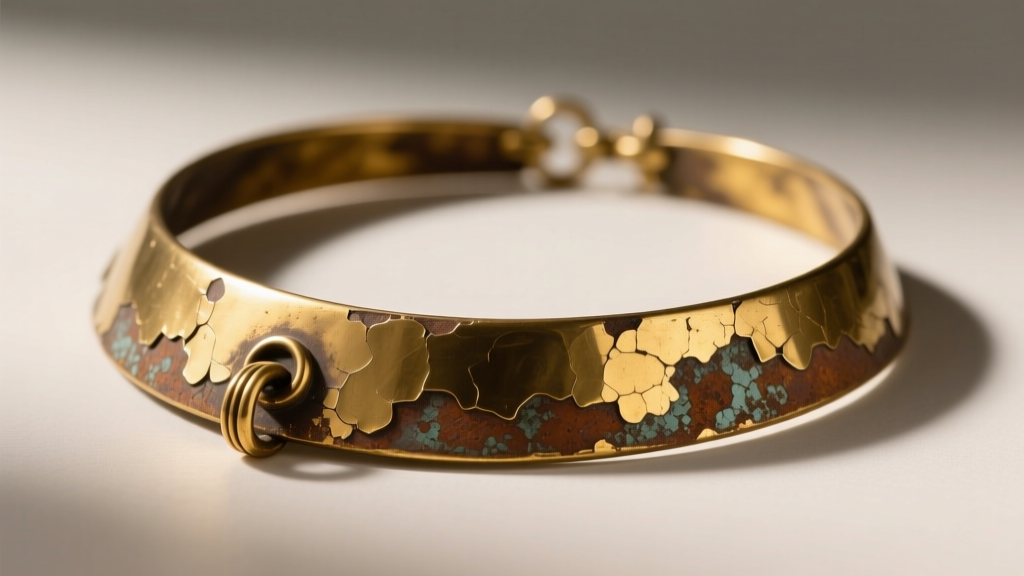
- The "Tibetan Silver" Trap: If a listing describes the pendant as "Tibetan Silver" or "Antique Silver" without explicitly stating "925 Sterling," you are buying a zinc-copper alloy. It contains zero actual silver and should not cost more than $25.
- Missing Hallmarks: By law, precious metals must be stamped. Look closely at the bail (the loop where the chain threads through) or the flat back of the tomb pendant for a "925", "14k", or "585" stamp. If it is entirely blank, assume it is base metal.
- Unrealistic Weight Claims: Some sellers market "heavy" pendants as a sign of quality. However, a heavy pendant made of pot metal is a liability, not an asset. It will drag down delicate chains and snap clasps. True quality is measured by density and finish, not sheer, unrefined weight.
- Overly Glossy Finishes: High-end silver and gold usually feature a mix of high-polish and matte or oxidized finishes to highlight the texture of the tomb. If the entire piece is uniformly, mirror-glossy, it is likely coated in a thick layer of clear epoxy resin to prevent cheap metal from tarnishing.
Chain Pairing and Structural Longevity
An often-overlooked aspect of the budget assessment is the chain itself. The empty tomb pendant is inherently top-heavy due to its three-dimensional, cavernous design. Pairing a $120 sterling silver tomb pendant with a flimsy, 1.2mm cable chain is a recipe for disaster. The structural integrity of the necklace relies on the chain's ability to support the pendant's center of gravity.
For pendants weighing over 8 grams, we strongly recommend upgrading to a 2.5mm to 3.5mm rope chain or a wheat chain. These weaves distribute tension evenly and resist kinking. Furthermore, inspect the clasp. A standard spring-ring clasp is insufficient for heavier religious pendants; insist on a lobster claw clasp with a soldered jump ring to ensure your meaningful investment does not end up lost on the floor of your local church or community center.
Final Verdict: Maximizing Your Budget
The empty tomb necklace is a beautiful, narrative-rich piece of jewelry that deserves to be executed in materials that reflect its eternal significance. If your budget is strictly under $40, we advise purchasing from transparent fashion jewelers who clearly state their use of brass and surgical steel, rather than from sellers masquerading base metals as precious alloys. However, for the best intersection of value, longevity, and daily wearability, the $85 to $130 range for a solid 925 sterling silver pendant on a sturdy wheat chain remains the undisputed champion of the 2026 market. By prioritizing verifiable hallmarks, solid gemstone inlays over plastic resins, and structurally sound chain pairings, you can secure a piece of religious jewelry that will endure as a lasting testament to your faith.


