How to Choose a Coral Necklace: Pink Hues and Beginner Care
Discover everything about the pink coral necklace. Learn authentication, pricing, styling tips, and care for Momo and Angel Skin organic gems.

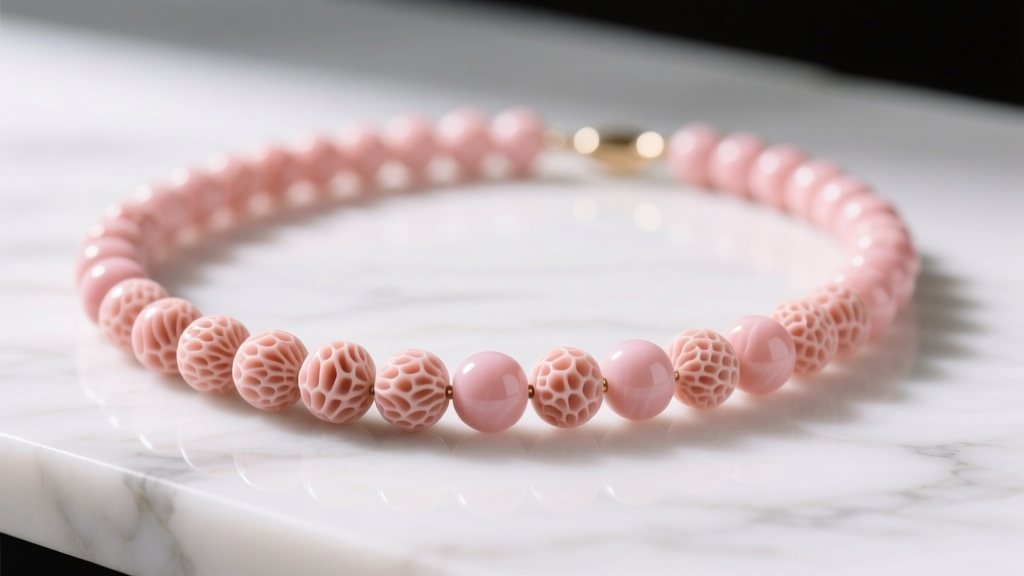
When building a curated jewelry collection, organic gemstones offer a warmth and historical richness that mined minerals simply cannot replicate. Among these, the coral necklace pink variety stands out as a timeless staple. From the soft, powdery blush of Angel Skin to the deep, saturated salmon of Momo coral, pink coral has been prized by artisans for centuries. However, navigating the modern market as a beginner can be daunting. With an influx of dyed imitations and treated howlite, knowing exactly what you are buying is essential.
This comprehensive beginner's guide will walk you through the biology, authentication, pricing, and styling of pink coral necklaces, ensuring your investment is both genuine and beautifully worn.
The Biology and Origins of Pink Coral
Unlike diamonds or sapphires, coral is an organic gemstone formed by living marine organisms. Pink and red corals belong to the Corallium genus. These slow-growing marine polyps secrete a hard, calcium carbonate skeleton that is naturally pigmented by carotenoids, specifically canthaxanthin. According to the Gemological Institute of America (GIA), the depth of the pink or red hue is directly tied to the concentration of these organic pigments within the calcium carbonate matrix.
Pink coral is primarily harvested from two distinct regions, each yielding slightly different characteristics:
- The Mediterranean Sea: Historically the most famous source, particularly around the coasts of Italy and North Africa, yielding deep reds and rich pinks.
- The Pacific Ocean: Specifically the waters off the coast of Japan and Midway Atoll, which are renowned for producing the highly coveted pale pink and peach varieties.
Decoding the Varieties: Momo vs. Angel Skin
If you are shopping for a pink coral necklace, you will inevitably encounter two specific trade names. Understanding the difference is crucial for accurate valuation.
Momo Coral (Corallium elatius)
Momo coral is characterized by its larger branch structures and a color spectrum that ranges from pale peach to a vibrant, saturated salmon-pink. It often features a distinct white core or streaks, which lapidaries must carefully navigate when cutting beads. Momo is generally more abundant than Angel Skin, making it the most common entry point for natural pink coral jewelry.
Angel Skin Coral (Corallium secundum)
Angel Skin is the trade name for a very specific, highly prized pale pink hue—resembling the soft, translucent blush of a seashell. It lacks the orange or salmon undertones found in Momo. Because it is rarer and requires pristine, unblemished material to achieve a uniform strand, genuine Angel Skin coral necklaces command a significant premium in the gemological market.
Authentication: How to Spot a Fake Pink Coral Necklace
Because natural pink coral is valuable and heavily regulated, the market is flooded with imitations. The most common fakes include dyed howlite, dyed limestone, and colored glass. As a beginner, you can perform a few non-destructive tests to verify authenticity.
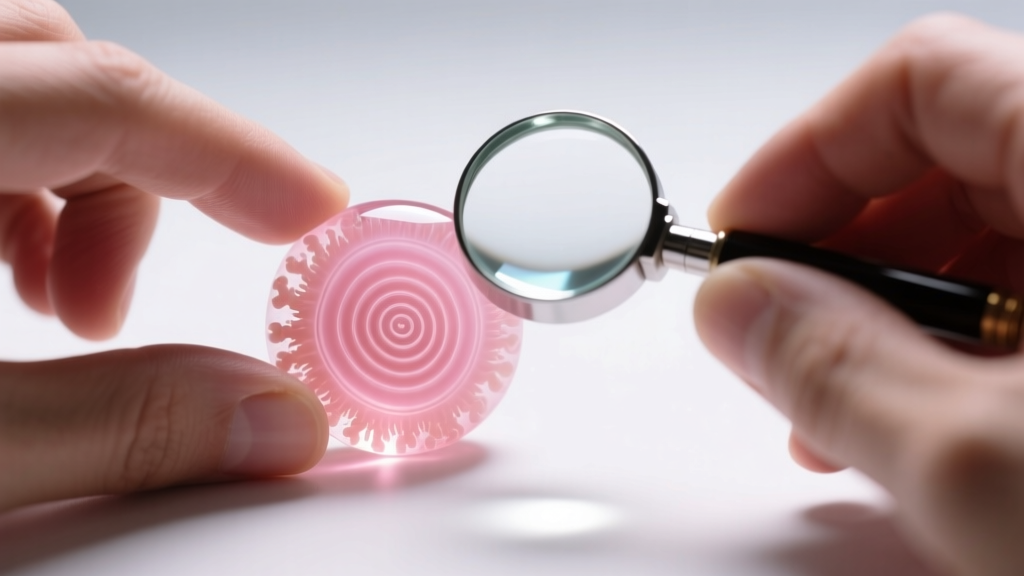
The Magnification Test
Using a 10x jeweler's loupe, examine the surface and the drill holes of the beads. Natural coral will reveal a subtle, wood-like grain or concentric growth rings. If you see color pooling in the cracks or a granular, sugary texture, you are likely looking at dyed howlite. If you see tiny, perfectly round gas bubbles, the material is glass.
The Acetone Swab Test
Dip a cotton swab in pure acetone (nail polish remover) and gently rub it against an inconspicuous area of the bead, such as near the drill hole. If the swab picks up pink or red color, the stone has been artificially dyed. Natural coral's pigment is intrinsic and will not bleed onto a swab.
Expert Insight: Never use the "hot pin" test on coral. While a hot pin will melt plastic and smell like burning hair, it will also permanently scorch and damage genuine calcium carbonate coral, destroying its value.
Comparative Material Breakdown
| Material | Visual Clues (10x Loupe) | Specific Gravity | Estimated Price (8mm Strand) |
|---|---|---|---|
| Natural Momo Coral | Concentric rings, subtle grain, white core streaks | 2.60 - 2.70 | $1,200 - $3,500+ |
| Dyed Howlite | Granular texture, dye concentrated in web-like cracks | 2.53 - 2.59 | $25 - $60 |
| Dyed Limestone | Uniform opacity, chalky luster, dye pooling in pits | 2.70 - 2.90 | $15 - $40 |
| Glass Imitation | Perfectly smooth, spherical gas bubbles, conchoidal fracture | 2.20 - 4.50 | $10 - $30 |
Market Pricing: What Should You Actually Pay?
Pricing for a coral necklace pink bead strand is dictated by four main factors: color saturation, bead size, surface perfection, and origin. As of current market valuations, here is what you should expect to pay for a standard 16-inch princess-length necklace:
- 6mm Natural Momo Beads: $400 to $900. (Excellent for delicate, everyday layering).
- 8mm Natural Momo Beads: $1,200 to $3,500. (The standard size for a statement piece).
- 8mm Angel Skin Beads: $4,000 to $8,000+. (Highly dependent on the uniformity of the pale pink hue).
- Carved Pendants: Intricately carved coral cameos or floral pendants can range from $300 for small, lower-grade pieces to over $5,000 for master-carved, museum-quality artifacts. For deeper historical context on antique coral carving, the Lang Antiques University offers an excellent archive of Victorian and Art Deco coral jewelry valuation.
Styling Frameworks: Necklines and Metal Pairings
A pink coral necklace is remarkably versatile, bridging the gap between casual daytime wear and elegant evening attire. The key to styling lies in matching the necklace length to your neckline and choosing the right metal accents.
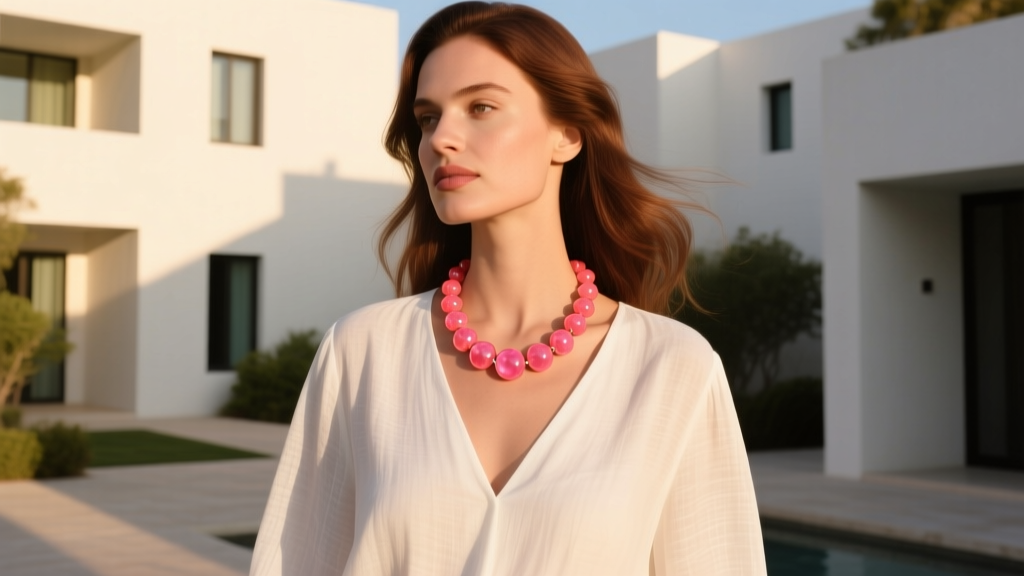
Matching Lengths to Necklines
- Choker (14-16 inches): Best paired with scoop necks, off-the-shoulder tops, or deep V-necks. A pink coral choker draws the eye directly to the collarbone and adds a vibrant pop of color against bare skin.
- Princess (18 inches): The most versatile length. It sits perfectly over a crisp white button-down shirt, a crew-neck sweater, or a simple linen blouse. The organic texture of coral elevates basic fabrics instantly.
- Matinee (20-24 inches): Ideal for business casual or bohemian layering. Pair a longer coral strand with a silk camisole or a tailored blazer to soften sharp, structured lines.
Metal Pairings
While yellow gold is the traditional pairing for coral, offering a warm, vintage-inspired aesthetic, rose gold has become the modern standard for pink coral. The subtle copper tones in rose gold harmonize beautifully with the peach and salmon undertones of Momo coral. For a striking, high-contrast look, set Angel Skin coral in sterling silver or white gold; the cool metal makes the pale pink hue appear even more luminous and ethereal.
The Golden Rules of Coral Care and Maintenance
Coral is an organic gemstone, meaning it is significantly softer and more reactive than crystalline stones. On the Mohs scale of hardness, coral ranks between 3.5 and 4.0. This makes it highly susceptible to scratching, chemical erosion, and thermal shock. To ensure your pink coral necklace lasts for generations, adhere strictly to these care protocols:
- The "Last On, First Off" Rule: Coral is highly porous and reacts poorly to the chemicals found in perfumes, hairsprays, lotions, and cosmetics. Always apply your beauty products first, let them dry completely, and put your coral necklace on last. Remove it immediately upon returning home.
- Avoid Ultrasonic and Steam Cleaners: Never place coral in an ultrasonic cleaner. The high-frequency vibrations can fracture the internal structure, and the heat can cause the organic pigments to fade or the stone to crack.
- Gentle Wiping: After wearing, gently wipe the beads with a soft, slightly damp microfiber cloth to remove natural skin oils and environmental acids. Dry it thoroughly before storing.
- Proper Storage: Store your coral necklace in a soft pouch or a lined jewelry box, completely separated from diamonds, sapphires, or metal chains that could scratch its delicate surface. Keep it away from prolonged direct sunlight and extreme heat, which can dehydrate the stone and cause micro-fractures.
By understanding the biological origins, mastering basic authentication, and practicing diligent care, you can confidently invest in a pink coral necklace that serves as a stunning, lifelong centerpiece in your jewelry collection.


