Melisandre Got Necklace? Troubleshoot Fit & Skin Rashes
Struggling with a cheap Melisandre choker? Learn how to fix fit issues, prevent nickel skin rashes, and source accurate ruby replicas.

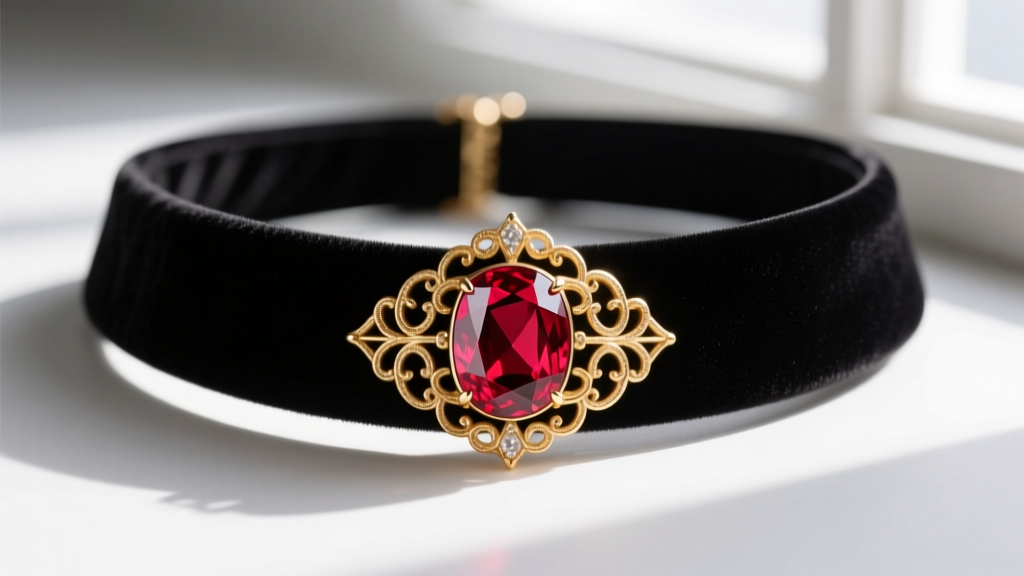
When fans and dark fantasy enthusiasts search for the iconic jewelry worn by the Red Priestess of Asshai, the query 'melisandre got necklace' often leads to a frustrating maze of cheap cosplay props and poorly made replicas. The character's signature ruby choker is a masterpiece of costume design, symbolizing power, magic, and life force. However, translating a screen-used prop into wearable, everyday jewelry presents a unique set of metallurgical and ergonomic challenges. If you have purchased a replica only to find it leaving green stains on your skin, causing allergic contact dermatitis, or sitting uncomfortably tight against your throat, you are not alone.
In this comprehensive troubleshooting guide, we break down the exact reasons why mass-produced fantasy chokers fail, how to fix dangerous fit issues, and what materials you should actually be looking for when sourcing a screen-accurate piece in 2026.
The 'Melisandre Got Necklace' Dilemma: Why Cheap Replicas Fail
The rush to replicate iconic screen-worn jewelry often results in manufacturers cutting corners on metallurgy. Most budget-friendly replicas found on mass-market e-commerce sites are cast from zinc alloy or low-grade brass, then flash-plated with a microscopically thin layer of gold-tone rhodium or lacquer.
Identifying Contact Dermatitis from Base Metals
The most common complaint among fantasy jewelry buyers is the sudden onset of an itchy, red, or blistering rash exactly where the metal touches the skin. This is typically allergic contact dermatitis caused by nickel, which is frequently used as a hardening agent or base layer in cheap jewelry. According to the Mayo Clinic's guide on nickel allergies, prolonged skin contact with nickel-releasing alloys can trigger severe immune responses, especially on the sensitive skin of the neck where sweat and body heat accelerate metal ion leaching.
Troubleshooting the 'Green Neck' Effect: If your skin is turning green rather than red, you are experiencing copper oxidation. Brass and bronze alloys contain high copper content. When copper reacts with the acids and salts in your sweat, it creates copper chloride, which stains the skin. While not inherently dangerous, it is a hallmark of low-tier jewelry.
Troubleshooting Choker Fit: The 14-Inch to 16-Inch Rule
Melisandre’s choker sits high on the neck, resting snugly just above the collarbone and directly over the trachea. This placement is visually striking but ergonomically unforgiving. A standard necklace hangs at 18 to 24 inches, allowing for natural movement. A true choker measures between 14 and 16 inches. If a rigid metal or stiff leather replica is manufactured at 14 inches and your neck circumference is 14.5 inches, the piece will restrict blood flow and cause bruising.

How to Measure and Adjust:
- The String Test: Wrap a non-stretch string around your neck exactly where you want the choker to sit. Mark the overlap and measure it flat against a ruler. Add 0.5 inches for breathing room.
- The Extender Chain Fix: If your replica is too tight, do not force the clasp. Use a pair of jewelry pliers to open the jump ring at the clasp end and insert a 2-inch gold-plated 316L stainless steel extender chain. This allows for micro-adjustments depending on whether you are wearing it over bare skin or a high-collared garment.
- Velvet Backing: If the metal links dig into your skin, line the interior of the choker with a 5mm wide strip of moleskin padding or adhesive velvet ribbon. This creates a friction barrier that prevents the metal from pinching the delicate skin of the throat.
Material Upgrade Guide: From Cosplay Grade to Heirloom
To ensure your choker is safe for all-day wear, you must upgrade the base metal. Below is a comparison of common materials used in fantasy jewelry replicas, detailing their safety profiles and current market pricing.
| Material | Nickel Risk | Tarnish Rate | 2026 Avg. Price Range |
|---|---|---|---|
| Zinc Alloy (Tibetan Silver) | High | Very Fast (Weeks) | $15 - $35 |
| Raw Brass / Bronze | Medium | Fast (Months) | $40 - $80 |
| 316L Surgical Steel | Trace (Hypoallergenic) | Extremely Slow | $85 - $160 |
| Solid 925 Sterling Silver | None | Moderate (Requires Polish) | $180 - $450 |
For a piece that mimics the heavy, antique gold look of the show's prop without the toxicity, look for PVD-coated 316L surgical steel. Physical Vapor Deposition (PVD) bonds gold nitride to the steel at a molecular level, meaning it will not flake off or expose a nickel base layer underneath, even with daily friction against the neck.
The Ruby Centerpiece: Glass vs. Lab-Created Corundum
The focal point of the necklace is the massive, teardrop-cut red gemstone. Screen-used props typically rely on faceted glass, resin, or cubic zirconia for cost and weight management on set. However, glass (Mohs hardness of 5.5) scratches easily and lacks the deep, internal 'fire' of a real ruby.
When sourcing a high-end replica, consult the Gemological Institute of America (GIA) standards for ruby identification. Seek out jewelers who use lab-created corundum. Lab-grown rubies share the exact same chemical composition (aluminum oxide with chromium impurities) and Mohs hardness (9) as mined rubies, but are free of the inclusions and fractures that make large natural stones prohibitively expensive and fragile. A lab-created ruby will catch the light with the same piercing crimson intensity seen on screen, while surviving the impacts of daily wear.
How to Safely Wear and Maintain Your Choker
Even high-quality metals require specific maintenance to retain their dark fantasy aesthetic. The natural oils from your neck, combined with perfumes and hairsprays, can dull the intricate filigree work typical of these designs.
- The Clear Coat Barrier: If you already own a zinc alloy replica and cannot return it, apply two thin coats of clear, brush-on polyurethane or specialized jewelry shield to the interior band. Let it cure for 24 hours. This creates a physical, hypoallergenic barrier between the reactive metal and your skin.
- Ultrasonic Cleaning Warnings: Never place a fantasy choker with glued-in gemstones into an ultrasonic cleaner. The high-frequency vibrations will shatter the epoxy bond, causing the ruby centerpiece to fall out. Instead, use a soft-bristled baby toothbrush and a drop of mild dish soap in lukewarm water to gently scrub the metalwork.
- Proper Storage: Store the choker flat in an anti-tarnish cloth pouch. Hanging a heavy metal choker on a standard jewelry stand can cause the links to stretch over time, permanently warping the collar's circular geometry.
Where to Source Screen-Accurate Pieces in 2026
Moving away from mass-produced dropshippers is the only way to guarantee material safety and accurate proportions. In 2026, the best route for acquiring a flawless Red Priestess choker is through specialized prop replication artisans on platforms like Etsy. Look for shops that explicitly list their metal grades (e.g., 'Cast in solid 925 silver' or '316L steel with 18k PVD coating') and offer custom neck sizing based on your exact string-test measurements. Commissioning a piece may take 4 to 6 weeks, but it transforms a problematic, rash-inducing costume piece into a legitimate, wearable artifact of fantasy jewelry.


