How to Restore and Repair Your Cabi Heritage Necklace
Learn how to troubleshoot, clean, and repair your Cabi heritage necklace. Expert fixes for plating loss, loose cabochons, and broken clasps.

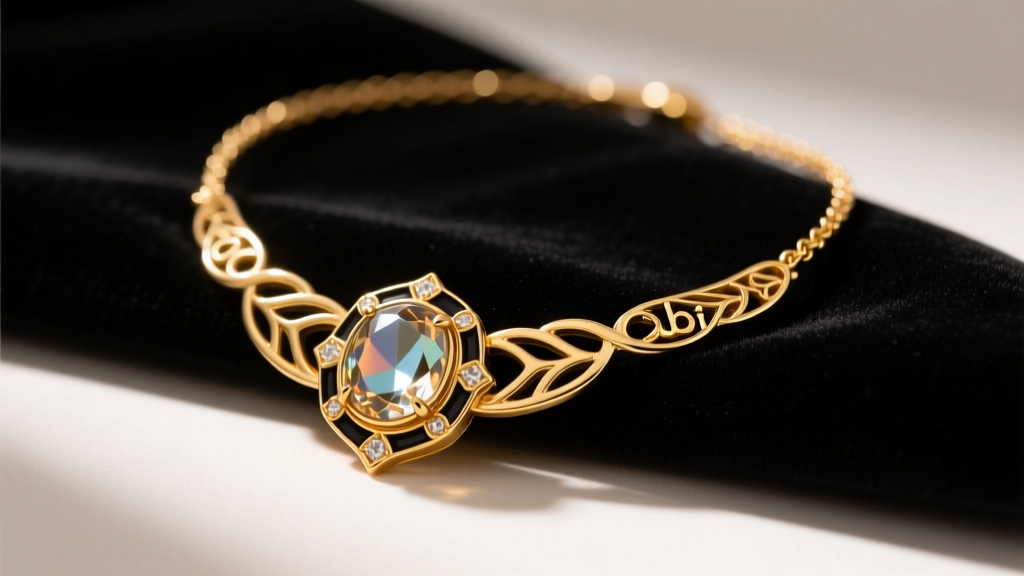
The Cabi heritage necklace collection is widely celebrated for its vintage-inspired aesthetics, intricate enamel work, and bold cabochon centerpieces. However, like many fashion-forward heritage pieces, these necklaces are subject to specific wear patterns over time. Because they bridge the gap between costume jewelry and fine jewelry, standard repair approaches can sometimes cause more harm than good. Whether you are dealing with brass bleed, a stiff lobster clasp, or a loose glass stone, this comprehensive troubleshooting guide will help you restore your Cabi heritage necklace to its original glory using professional bench jeweler techniques.
The Anatomy of the Cabi Heritage Necklace
Before attempting any repairs, it is crucial to understand the material composition of your piece. Most Cabi heritage necklaces are constructed from a brass or bronze alloy base metal. This provides the necessary weight and durability for the heavy pendants. The base is then typically finished with an 18k gold flash plating. Unlike gold vermeil (which requires a sterling silver base and a minimum of 2.5 microns of gold), flash plating is usually between 0.1 and 0.5 microns thick.
The focal points of these necklaces are often glass or synthetic resin cabochons—smooth, domed stones without facets. These are frequently backed with metallic foil to enhance their color and depth, then secured into a glued or crimped metal bezel. Understanding this delicate layering is the first step in avoiding catastrophic damage during cleaning or repair.
Troubleshooting Gold Plating Loss and Brass Tarnish
The most common complaint among vintage jewelry collectors is "brass bleed"—the moment the gold plating wears away on high-friction areas, exposing the reactive brass underneath. When brass reacts with the natural acids and salts in your skin, it creates copper chloride, resulting in an unpleasant green tarnish on both the metal and your skin.
Safe Cleaning Protocols
Never use commercial silver dips or ultrasonic cleaners on your Cabi heritage necklace. Silver dips contain thiourea and strong acids that will instantly strip the remaining gold flash plating and cloud the glass cabochons. According to the Gemological Institute of America (GIA), the safest way to clean plated jewelry is with a mild, phosphate-free dish soap and lukewarm water. Use a baby-soft toothbrush to gently agitate dirt from the bezel crevices, and immediately pat dry with a microfiber cloth to prevent water spots on the enamel.
Addressing Severe Tarnish
If the exposed brass has developed heavy, dark oxidation, use a specialized brass polishing cloth impregnated with micro-abrasives. Polish only the exposed areas, carefully avoiding the gold-plated sections to preserve whatever finish remains. If the plating loss is extensive, your best option is professional electroplating. A local bench jeweler can strip the remaining finish and re-plate the piece with a heavy 2.0-micron layer of 18k gold, typically costing between $65 and $120 depending on the pendant's surface area.
Fixing Loose Cabochons and Bezel Gaps
The glass cabochons in heritage necklaces are highly susceptible to impact damage and adhesive degradation. Over time, the factory adhesive dries out, becomes brittle, and fails, causing the stone to rattle or fall out entirely. Furthermore, if the metallic foil backing of the cabochon gets wet, it will oxidize and turn black, ruining the stone's optical depth.
Selecting the Right Adhesive
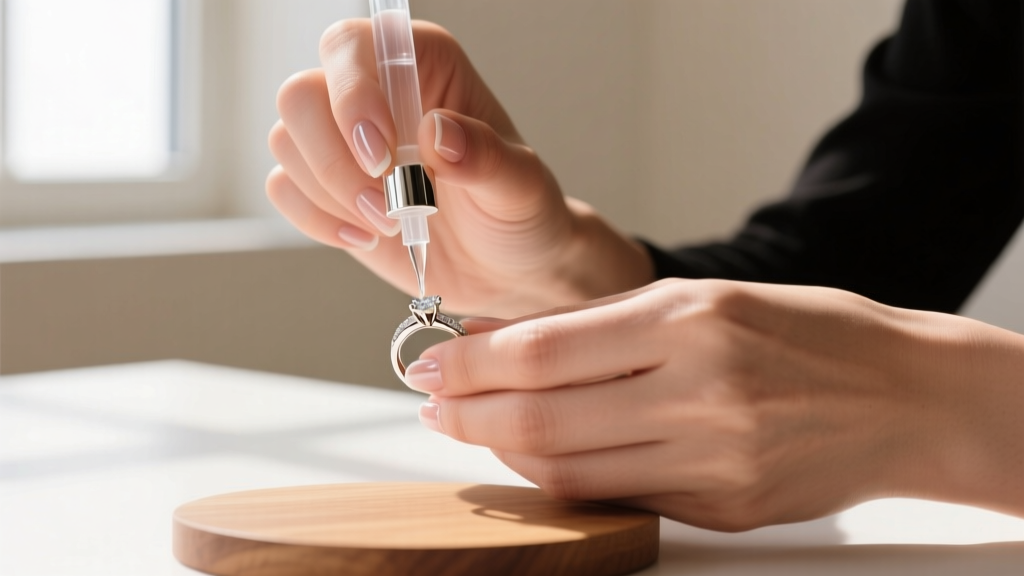
A common DIY mistake is using E6000 or super glue (cyanoacrylate). E6000 off-gasses acetic acid as it cures, which can eat away at the delicate foil backing of the cabochon. Super glue cures too rigid and can shatter the glass under minor pressure. Instead, professional jewelers recommend G-S Hypo Cement for tight, microscopic bezel gaps because it flows into capillary spaces and dries clear. For wider gaps or missing structural support, a two-part optically clear epoxy, such as Devcon 5-Minute Epoxy, provides a flexible, waterproof bond that will not yellow over time.
Step-by-Step Bezel Repair
- Remove the Stone: Gently pry the loose cabochon out using a wooden or plastic spudger. Never use metal tweezers, which will chip the glass edges.
- Clean the Bezel: Use a cotton swab dipped in 99% isopropyl alcohol to dissolve the old, crusty adhesive from the metal bezel. Ensure the area is completely dry.
- Prep the Stone: Wipe the flat back of the cabochon with alcohol. If the foil backing is peeling, carefully seal it with a micro-drop of clear nail polish and let it cure for 24 hours before gluing.
- Apply Adhesive: Apply a minimal, even bead of your chosen jeweler's epoxy to the inner shelf of the bezel.
- Set and Cure: Press the cabochon into place, wipe away any squeeze-out immediately with an alcohol-dampened swab, and secure it with painter's tape while it cures for the manufacturer's recommended time (usually 24 hours for full structural integrity).
Resolving Clasp and Jump Ring Failures
Hardware failure is a frequent issue, particularly with the heavy pendants characteristic of the Cabi heritage line. The weight of the pendant puts immense tensile stress on the jump rings and the clasp mechanism.
The Stiff Lobster Claw
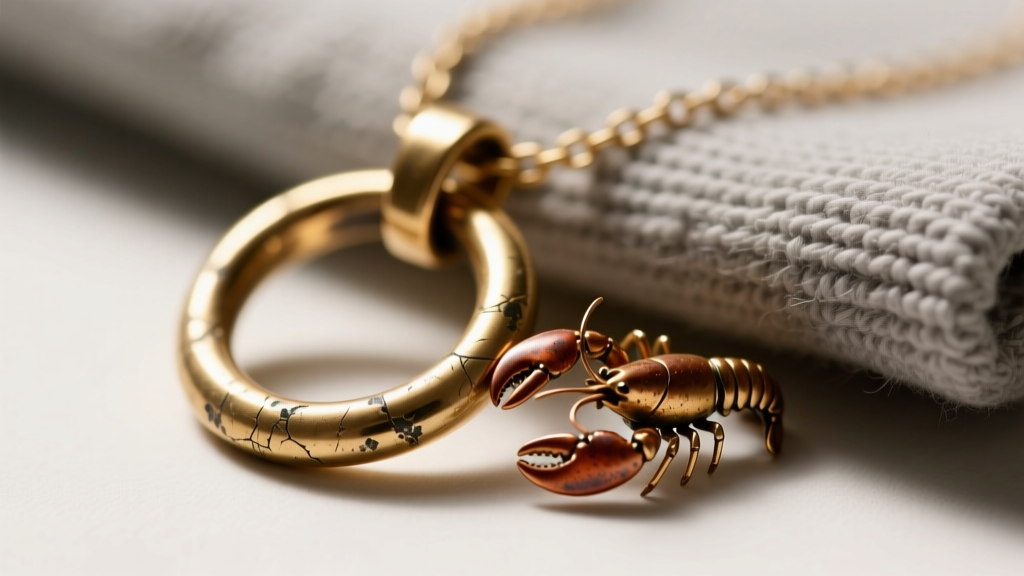
The standard 5x9mm lobster claw clasp relies on a tiny internal steel spring. If the lever becomes stiff or fails to snap back, it is usually due to corrosion or debris inside the spring housing. Before replacing it, try applying a microscopic drop of synthetic watch oil (like Moebius 9010) into the lever hinge. Work the lever back and forth to distribute the oil. If the spring is broken, the entire clasp must be replaced. You can purchase 18k gold-plated brass replacement clasps and attach them using a split ring or by having a jeweler solder a new jump ring to prevent future slipping.
Jump Ring Gauge and Stress
Factory jump rings on fashion jewelry are often 20-gauge or 22-gauge brass, which is too soft to support heavy heritage pendants. If you notice the jump ring pulling open into an oval shape, it is a critical failure point. Upgrade the connection by replacing the factory ring with an 18-gauge or 16-gauge stainless steel or heavy-duty brass jump ring. Always ensure the jump ring is closed by twisting the ends laterally past each other, rather than pulling them apart outward, which weakens the metal's structural memory.
Comprehensive Troubleshooting Matrix
Use the table below to quickly diagnose your necklace's specific issue and determine the most cost-effective repair route.
| Issue | Root Cause | DIY Solution | Pro Repair Cost |
|---|---|---|---|
| Green skin / Brass bleed | Gold flash plating worn away, exposing reactive brass base | Polish exposed brass; coat inside with clear nail polish as a temporary barrier | $65 - $120 (Electroplating) |
| Rattling cabochon | Factory adhesive dried out and degraded due to age/heat | Remove stone, clean bezel with alcohol, re-set with G-S Hypo Cement | $25 - $45 (Stone setting) |
| Stiff clasp lever | Corrosion or cosmetic buildup inside the spring housing | Apply a micro-drop of synthetic watch oil to the hinge mechanism | $15 - $30 (Clasp replacement) |
| Jump ring pulling open | Pendant weight exceeds the tensile strength of 20g+ brass wire | Replace with a thicker 16-gauge or 18-gauge jump ring | $10 - $20 (Hardware swap) |
| Cloudy enamel spots | Chemical damage from harsh perfumes or silver dip cleaners | Cannot be chemically reversed; gently buff with a high-grit polishing compound | $40+ (Enamel restoration) |
Preventative Archival Storage
The longevity of your Cabi heritage necklace relies heavily on how it is stored when not being worn. Brass and copper alloys are highly susceptible to hydrogen sulfide and ambient humidity, which accelerate tarnishing. Never store your necklace in a bathroom, as the fluctuating humidity and aerosolized cosmetics will rapidly degrade the plating and enamel.
For optimal preservation, store the necklace flat in an airtight polyethylene ziplock bag. Avoid PVC plastics, as the chlorine off-gassing can cause irreversible pitting on the metal surface. Place a 3M anti-tarnish strip inside the bag; these strips utilize chemically treated particles that absorb and neutralize airborne sulfur compounds before they can react with your jewelry. If you prefer to hang your necklace, use a padded, acid-free jewelry box lined with tarnish-resistant Pacific cloth, and ensure the pendant is supported so the chain does not bear the full weight of the cabochon, which can lead to permanent chain stretching over time. For more tips on locating certified professionals for complex restorations, consult the Jewelers of America directory.


