How to Layer a Cute Pearl Necklace: A Step-by-Step Guide
Learn how to layer a cute pearl necklace with gold chains and pendants. Step-by-step styling guide for freshwater pearls, lengths, and clasp types.

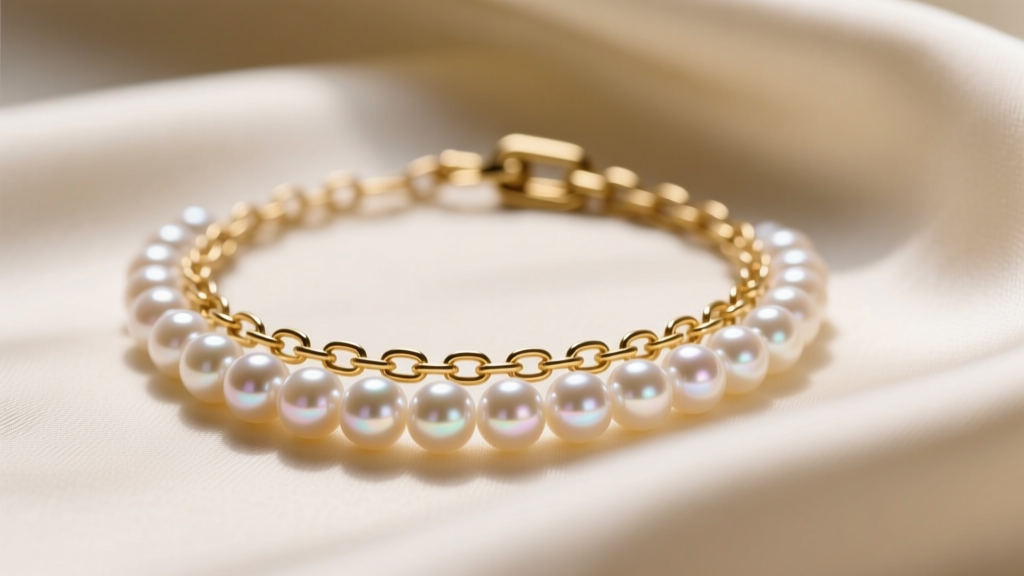
The modern jewelry landscape has completely redefined the classic pearl. Gone are the days when pearls were reserved strictly for formal events or conservative office wear. Today, a cute pearl necklace is a versatile, everyday staple that bridges the gap between vintage elegance and contemporary edge. Whether you are working with dainty seed pearls, asymmetrical baroque freshwater pearls, or perfectly round Akoya strands, mastering the art of layering can transform a single strand into a curated, personalized neckline.
This comprehensive, step-by-step guide will walk you through the technical and aesthetic principles of layering pearl necklaces. We will cover everything from selecting the right pearl grades and chain widths to understanding the physics of tangle prevention and proper stringing materials.
The Anatomy of a Cute Pearl Necklace
Before you begin layering, it is crucial to understand what makes a pearl necklace 'cute' in the modern context. The aesthetic relies heavily on scale, shape, and luster. According to the Gemological Institute of America (GIA), pearl quality is determined by several factors, including nacre thickness, luster, and surface blemishes. For a dainty, modern look, jewelers typically utilize freshwater pearls in the 4mm to 7mm range.
- Seed Pearls (2mm - 4mm): Offer a delicate, minimalist look. Perfect for the shortest layer in a stack.
- Standard Rounds (5mm - 7mm): The classic choice. Provides enough visual weight to stand alone or anchor a layered stack.
- Baroque and Keshi Pearls: Irregular, asymmetrical shapes that add organic texture and a whimsical, 'cute' factor to any chain stack.
Step 1: Establishing Your Base Length and Pearl Grade
The foundation of any successful necklace stack is the base layer. This is the piece that sits closest to your collarbone and dictates the spacing for all subsequent chains. For a cute pearl necklace, the ideal base length is typically between 14 inches (choker) and 16 inches (princess).
When selecting your base, pay attention to the drill hole size and the stringing material. Traditional high-end pearls are knotted on size #2 or #4 silk thread, which allows the pearls to drape fluidly. However, many modern, affordable freshwater pearl necklaces are strung on nylon-coated stainless steel beading wire (such as 0.014-inch Soft Flex wire). Wire-strung pearls will have a slightly stiffer drape, which can actually be beneficial for layering as it prevents the necklace from collapsing into the chains below it.
Necklace Length and Layering Spacing Chart
| Layer Position | Recommended Length | Pearl Size / Chain Type | Best Neckline Pairing |
|---|---|---|---|
| Base (Layer 1) | 14' to 15' | 4mm Seed Pearls or 1.0mm Cable Chain | Scoop neck, Off-the-shoulder |
| Middle (Layer 2) | 16' to 18' | 6mm Freshwater Pearls or 2.5mm Paperclip Chain | V-neck, Button-down shirts |
| Long (Layer 3) | 20' to 24' | Baroque Pearl Pendant on 1.5mm Box Chain | Crew neck, Turtlenecks |
Step 2: Mixing Metals and Chain Textures
Once your base pearl strand is in place, the next step is introducing metallic contrast. A cute pearl necklace shines brightest when juxtaposed against textured gold or silver chains. The contrast between the organic, soft luster of the pearl and the sharp, geometric links of a metal chain creates visual depth.
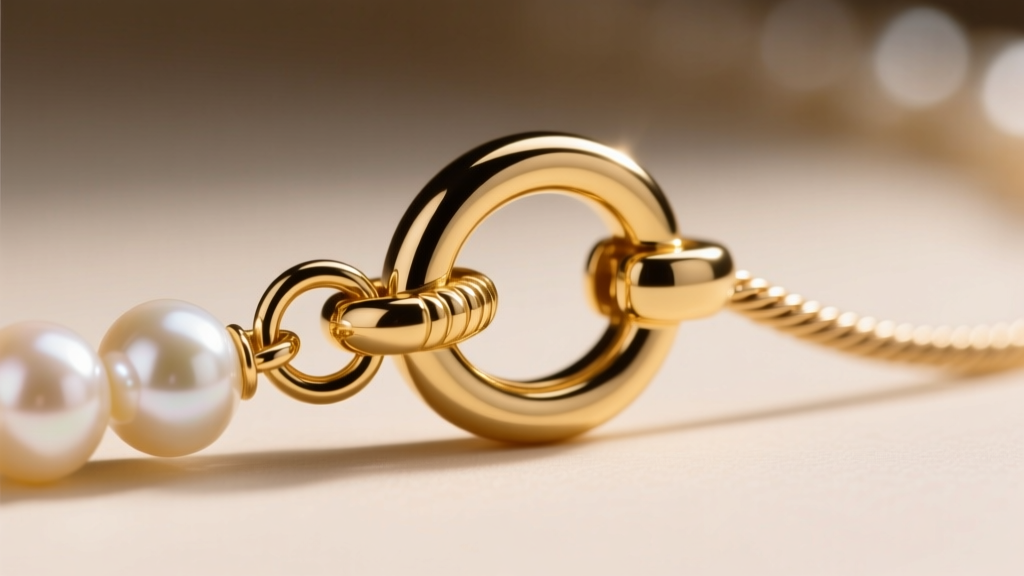
Selecting the Right Chain Profiles
To avoid a cluttered look, vary the chain profiles. If your pearl necklace is a smooth, continuous strand, pair it with chains that have distinct, open links.
- Paperclip Chains (2.0mm - 3.0mm): Elongated rectangular links that offer a modern, industrial contrast to round pearls. A 14k gold-filled paperclip chain is an excellent, durable choice.
- Box Chains (1.0mm - 1.5mm): Square, interlocking links that reflect light beautifully. These provide a sleek, continuous line that doesn't compete with the pearls for attention.
- Rope or Wheat Chains (1.5mm - 2.0mm): Braided, textured links that add a vintage feel, complementing the antique nature of pearls.
Pro-Tip on Metal Tones: While white gold and sterling silver traditionally complement the cool overtones of white pearls, mixing warm 14k yellow gold or rose gold with creamy or peach freshwater pearls creates a highly sought-after, contemporary aesthetic.
Step 3: Adding Pendants and Charms Without Tangling
A common mistake when layering is adding too many heavy pendants, which leads to constant tangling. The physics of necklace tangling comes down to friction and center-of-gravity shifts. When two necklaces of similar weight and length rub against each other, the links and pearls act like gears, twisting together.
Anti-Tangle Techniques
- The Two-Inch Rule: Ensure there is a minimum of two inches of difference between each layer. If your pearl strand is 15 inches, your next chain must be at least 17 inches. This prevents the clasps and jump rings from catching on one another.
- Weight Distribution: Only one necklace in your stack should feature a heavy pendant. If your cute pearl necklace features a center-drilled pearl pendant, the accompanying chains should be bare or feature only microscopic, flush-set diamond or CZ accents.
- Use a Necklace Spacer: If you struggle with tangling, invest in a layered necklace clasp or spacer. These are single clasps with multiple loops that lock your necklaces together at the nape of the neck, maintaining perfect spacing and eliminating twisting at the back.
Step 4: Choosing the Right Clasps and Findings
The hardware on your necklaces plays a massive role in both aesthetics and functionality. Standard spring-ring clasps can be frustrating to operate when you are dealing with multiple layers.
Upgrade your pearl necklace with a lobster clasp (preferably 10mm or 12mm for easy gripping) or a magnetic clasp. Magnetic clasps are particularly useful for layered looks because they allow you to connect and disconnect multiple strands simultaneously without fumbling with tiny jump rings. Ensure that any magnetic clasps are made of solid gold or surgical steel to prevent nickel allergies and corrosion from skin oils.
Maintenance: Keeping Your Pearls Luminous
Layering exposes your pearls to more friction, cosmetics, and environmental factors. Pearls are organic gemstones, ranking only 2.5 to 3.0 on the Mohs hardness scale. This makes them highly susceptible to scratching from harder metal chains and chemical damage from perfumes.
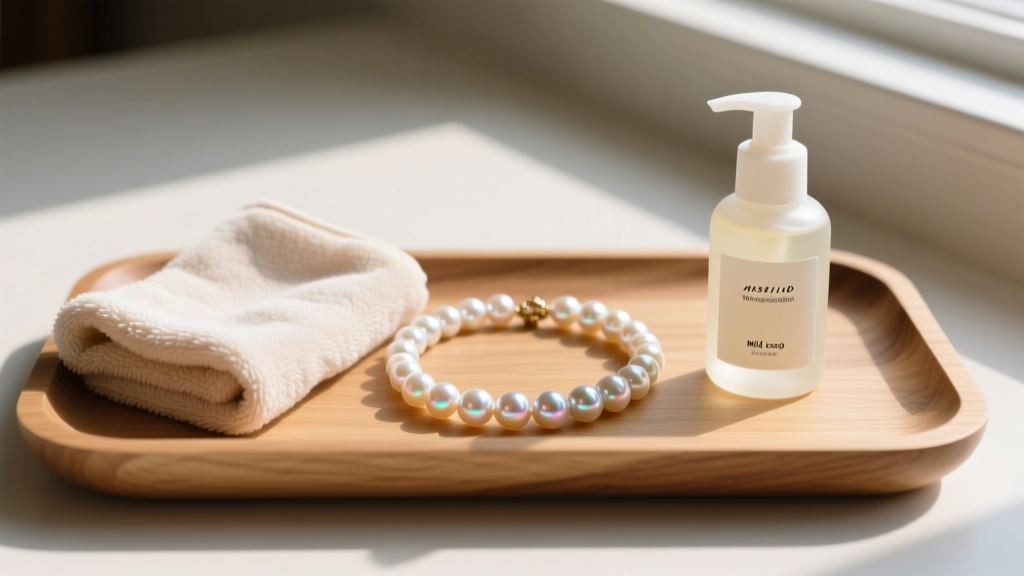
The GIA recommends a strict 'last on, first off' policy for pearl jewelry. Always apply your perfumes, hairsprays, and lotions before putting on your necklace stack. The chemicals in these products can degrade the nacre over time, causing the pearls to lose their luster and develop a chalky appearance.
Step-by-Step Cleaning Routine
- After Every Wear: Gently wipe the pearls with a soft, lint-free microfiber cloth to remove skin oils and sweat. Do not use paper towels, as their wood-pulp fibers can cause micro-scratches on the nacre.
- Deep Cleaning (Monthly): Dampen a soft cloth with distilled water and a drop of mild, pH-neutral castile soap. Wipe the pearls gently. Never submerge a knotted pearl necklace in water, as this will stretch and rot the silk thread.
- Storage: Never store your layered necklaces in a pile. Hang them individually on a padded jewelry stand or lay them flat in a lined jewelry box. Pearls need a slight amount of moisture, so avoid storing them in airtight plastic bags, which can cause them to dry out and crack.
Conclusion
Styling a cute pearl necklace is an exercise in balancing organic textures with structured metals. By carefully selecting your base length, varying chain profiles, respecting the physics of tangle prevention, and adhering to proper organic gemstone care, you can create a layered neckline that is both deeply personal and effortlessly chic. Whether you are dressing up a simple white tee or adding a touch of whimsy to a tailored blazer, a well-layered pearl stack is the ultimate expression of modern jewelry styling.


